3 People Who Ruin Every Office | Which One Are You?– Drama Triangle Explained
What is the Drama Triangle? How does it affect your workplace? The Drama Triangle is a social model created by Dr. Stephen Karpman in 1968. It identifies three ...
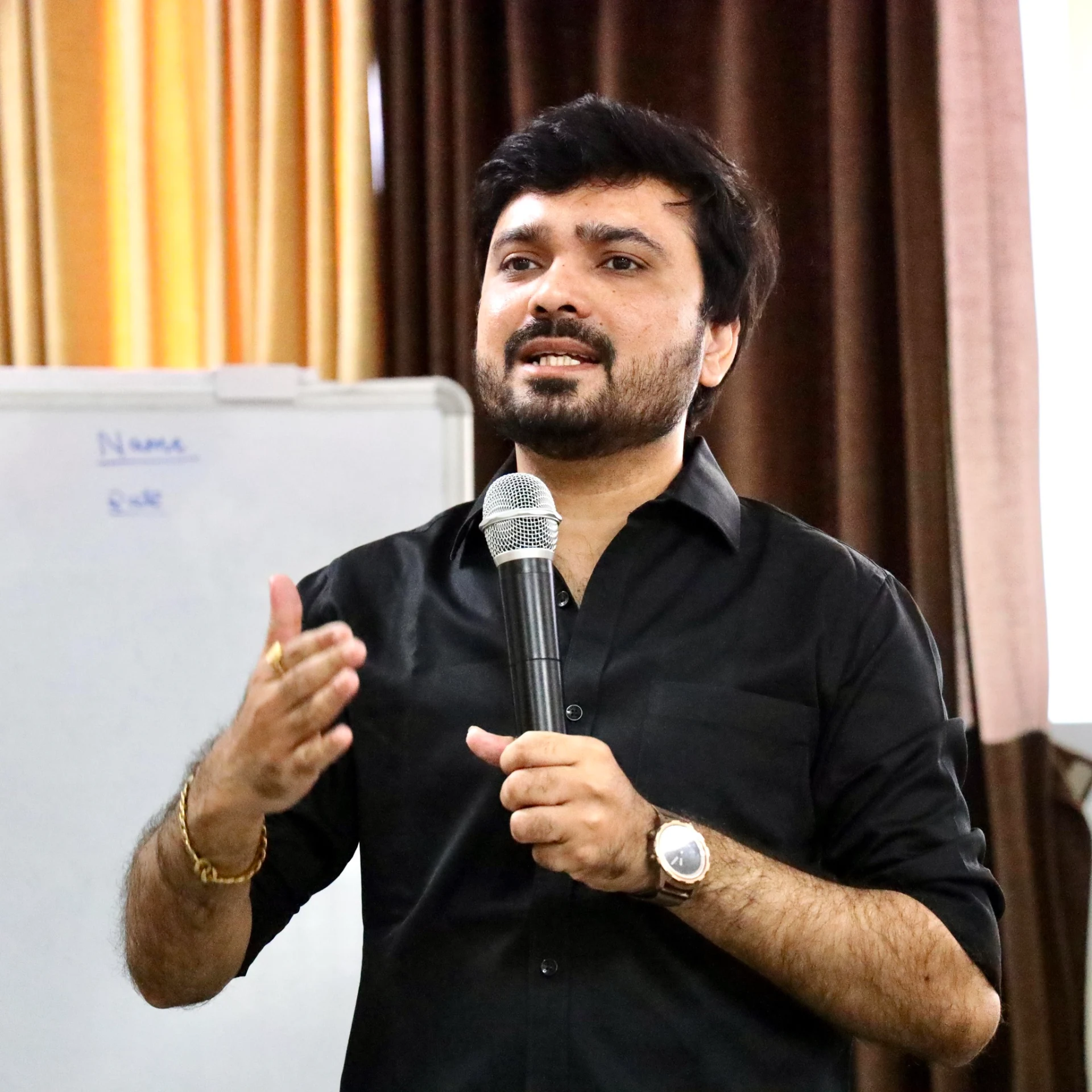
Avinash Chate - Leadership Development Expert training management team
The 3 People Who Ruin Every Office: Which One Are You?In almost every workplace conflict I have observed, the issue is not just policy, process, or performance. The deeper problem is psychological positioning. People stop responding like professionals and start reacting through emotional roles. That is where the Drama Triangle becomes powerful.
Key takeaway: If you want a healthier office culture, stop asking, “Who is wrong?” and start asking, “Which role am I playing right now?”
As a corporate trainer, TEDx speaker, and author of The Winning Edge, I have seen this pattern across teams, managers, and leadership groups in 80+ organizations. Whether I am conducting a workshop on communication, accountability, or leadership, the same three roles keep appearing: Victim, Persecutor, and Rescuer.
The Drama Triangle, created by Dr. Stephen Karpman in 1968, explains how people unconsciously enter unhealthy conflict patterns. In this article, I want to simplify it for the Indian workplace and show you how to break free using the TED model: Creator, Challenger, and Coach.
Avinash Chate has often said in training rooms that workplace conflict is rarely about one bad person. It is about repeated roles, emotional habits, and a lack of awareness. Once you understand the pattern, you can change the culture.
What Is the Drama Triangle and Why Does It Show Up in Offices?
The Drama Triangle is a social model of conflict with three roles.
- Victim: “Poor me. Nothing works for me. Nobody supports me.”
- Persecutor: “It is your fault. You are incompetent. You always mess things up.”
- Rescuer: “Let me fix this for you. You cannot handle it without me.”
At first glance, these roles may look very different. But they are deeply connected. In fact, the same person can move from one role to another within the same conversation.
For example, a manager may begin as a Persecutor by blaming a team member harshly. Then, when challenged by senior leadership, that same manager may become the Victim and say nobody understands the pressure they are under. Later, they may jump into Rescuer mode and start doing everyone else’s work to prove their value.
This is why conflict becomes exhausting. People think they are solving problems, but they are only rotating roles.
In my sessions, I tell participants that the Drama Triangle survives on emotional reactivity, not clarity. It grows in workplaces where communication is indirect, accountability is weak, and people confuse sympathy with support.
The Victim: Helplessness Disguised as Honesty
The Victim role is not about genuine hardship. Real challenges exist in every workplace. The Drama Triangle Victim is someone who gives away personal agency.
You will hear statements like:
- “I never get the right opportunities.”
- “Management always ignores me.”
- “There is no point trying.”
- “My boss is the reason I cannot perform.”
The Victim often appears sincere, and sometimes even innocent. But the hidden cost is dangerous: they stop taking responsibility. Instead of asking, “What can I do next?” they keep reinforcing helplessness.
I have seen talented employees remain stuck for years because they became emotionally attached to their struggle. Their identity shifted from performer to sufferer.
Avinash Chate often reminds professionals that self-awareness begins when excuses start sounding repetitive. If your story is always about what others did to you, it may be time to examine whether you are unconsciously living in the Victim role.
This does not mean we ignore unfairness. It means we respond with ownership instead of emotional surrender.
The Persecutor: Control, Blame, and Fear-Based Leadership
The Persecutor is easy to identify because the behavior is sharp, critical, and often intimidating. This person uses blame as a tool. They may believe they are being “strict” or “results-oriented,” but the emotional effect on the team is fear.
Typical signs include:
- Public criticism
- Harsh tone and sarcasm
- Constant fault-finding
- Micromanagement
- Using authority to shame others
In many organizations, the Persecutor is mistakenly rewarded because they appear decisive. But fear-based leadership creates compliance, not commitment. People stop thinking creatively. They become defensive, silent, and politically careful.
I have worked with leaders who genuinely wanted high standards but had unknowingly trained their teams to hide mistakes. The result was delayed reporting, low trust, and poor collaboration.
In one leadership intervention, I drew from my KITE Leadership Framework to help managers distinguish between accountability and aggression. The shift was remarkable. Once leaders learned how to challenge performance without attacking identity, conversations became more productive.
The Persecutor is not always loud. Sometimes the role appears in subtle forms: cold emails, exclusion from meetings, passive-aggressive comments, or impossible deadlines. The message is the same: “You are the problem.”
Healthy leadership challenges behavior. Unhealthy leadership attacks the person.
The Rescuer: Helpful on the Surface, Harmful in the Long Run
The Rescuer is the most misunderstood role because it often looks positive. This person steps in, helps, protects, and solves. Everyone initially appreciates them.
But the Rescuer creates dependency.
You may notice this in workplaces where one person is always saying:
- “Leave it, I will do it.”
- “Do not tell the boss, I will manage.”
- “You are not ready, let me handle this.”
- “Without me, this team will collapse.”
The Rescuer does not truly empower others. They feel needed by keeping others weak. Over time, this creates confusion, low ownership, and burnout.
I have seen this role in mid-level managers who become the emotional support system for the whole team but never build capability. They solve every issue personally, then complain that nobody is accountable.
During a program with Rajginagar Sahakari bank, one recurring pattern we discussed was over-involvement by well-meaning supervisors. Their intention was good, but their habit of stepping in too early was reducing team confidence. Once they shifted from rescuing to coaching, decision-making improved significantly.
If you are always saving others from consequences, you may be feeding the very weakness you want to eliminate.
Why People Keep Switching Roles in the Same Conflict
This is the most important insight: people are not permanently one role. They rotate.
A Victim who feels ignored may become a Persecutor and lash out. A Persecutor who is confronted may become a Victim and claim unfair treatment. A Rescuer who feels unappreciated may become a Persecutor and say, “After all I did for you, this is how you behave?”
That is why office drama feels endless. The cast changes positions, but the script stays the same.
In my experience, these shifts happen because people are trying to meet emotional needs indirectly. They want significance, control, safety, validation, or belonging. But instead of expressing those needs maturely, they act them out through these roles.
Avinash Chate has seen this in team interventions across industries: sales, healthcare, banking, manufacturing, and education. The outer conflict may differ, but the emotional mechanics are strikingly similar.
If you want to build a stronger culture, awareness must come before correction. Teams need language to identify the pattern without shaming individuals.
How to Break the Cycle with the TED Model
The antidote to the Drama Triangle is the TED model:
- Creator instead of Victim
- Challenger instead of Persecutor
- Coach instead of Rescuer
Let us make this practical.
1. From Victim to Creator
A Creator asks, “What can I do from here?” They do not deny problems. They take ownership of the next step.
Instead of saying, “Nobody supports me,” a Creator says, “What support do I need, and how will I ask for it clearly?”
This shift builds confidence because action replaces helplessness.
2. From Persecutor to Challenger
A Challenger does not avoid difficult conversations. They address issues directly, but with respect and purpose.
Instead of saying, “You always fail,” a Challenger says, “This outcome is below expectation. Let us understand what happened and fix it.”
Challenge creates growth. Persecution creates fear.
3. From Rescuer to Coach
A Coach supports without taking over. They ask questions, build capability, and let people own their responsibilities.
Instead of saying, “I will handle it for you,” a Coach says, “What options have you considered? What is your next step?”
This is how leaders create independence.
If you are interested in building stronger learning systems around these behaviors, I also recommend reading 5 Ways to Leverage Technology in Corporate Training for Maximum Impact.
And if you want to understand how strong foundations shape long-term success, explore What a Rural School Can Teach Us About Strong Foundations and Lifelong Success.
For those evaluating trainers and learning voices, you may also find value in Best Motivational Speaker in Maharashtra — Top 10 Trainers 2026.
My Final Reflection: Which One Are You at Work?
This is not a theory to judge others. It is a mirror.
Ask yourself honestly:
- Do I complain without taking action?
- Do I criticize in ways that reduce trust?
- Do I help so much that others stop growing?
Every professional can slip into these roles. I have seen it in freshers, managers, founders, and senior leaders. The goal is not perfection. The goal is awareness and choice.
As Avinash Chate, I believe workplace culture changes when individuals stop performing emotional drama and start practicing responsibility. That is how teams become healthier, faster, and more resilient.
If your organization wants to build stronger communication, accountability, and leadership behavior, book a corporate training session with me.
Frequently Asked Questions
What is the Drama Triangle in the workplace?
The Drama Triangle is a conflict model with three roles: Victim, Persecutor, and Rescuer. In workplaces, these roles create unhealthy communication, blame, dependency, and repeated emotional conflict.
Can one person play all three Drama Triangle roles?
Yes. The same person can shift between Victim, Persecutor, and Rescuer depending on the situation. That is why office conflict often feels repetitive and emotionally draining.
What is the TED model?
The TED model is a healthier alternative to the Drama Triangle. It encourages people to become a Creator instead of a Victim, a Challenger instead of a Persecutor, and a Coach instead of a Rescuer.
How can managers avoid being Rescuers?
Managers can avoid the Rescuer role by coaching instead of over-helping. That means asking questions, setting expectations, and allowing team members to take ownership of solutions.
How can corporate training help reduce workplace drama?
Corporate training helps teams identify unhealthy patterns, improve communication, build accountability, and create practical behavior shifts. With the right framework, teams can move from emotional reactivity to professional responsibility.
Related Articles by Avinash Chate
- The Untold Truth Behind UPSC and MPSC Failure: What 99% of Aspirants Are Never Told
- Motivational Speaker for Mumbai's Hybrid Work Challenges — Bridging the Office-WFH Divide in India's Corporate Capital
- Best Motivational Speaker in Maharashtra — Top 10 Trainers 2026
About the Author
Avinash Chate is a TEDx speaker, published author of The Winning Edge and The Unanswered, and founder of The Future Corporate & Business Coaching. With over 15 years of experience training 80+ organizations including Vascon, Maharashtra Institute of Technology, Meri Property, Kiran Gems, Avinash is recognized as Maharashtra's leading corporate trainer. He created the KITE Leadership Framework and the 25-Star Competency Framework™, delivering high-impact programs across leadership, team building, sales transformation, and emotional intelligence.
📞 +91 8793630001 | ✉️ connect@avinashchate.com | 🌐 avinashchate.com
Book Avinash Chate for Your Next Event
Maharashtra's #1 Corporate Trainer · India's leading Motivational Speaker & Team Building Expert · 2x TEDx · Available across India in English, Hindi & Marathi.
✅ Thanks! Avinash team will reach out within 24 hours.'}).catch(function(e){f.outerHTML='Something went wrong. WhatsApp +91 8793630001
'});return false;"> Select Service Motivational Speaking / Keynote Team Building Workshop Corporate Training / Leadership Development Manager Development Employee Training Outbound Training Book Avinash Now →Or WhatsApp directly: +91 87936 30001
Avinash Chate services
Corporate Trainer in Maharashtra · Top Corporate Trainers in Maharashtra · Leadership Trainer in Maharashtra · Top Leadership Trainers in Maharashtra · Team Building Trainer in Maharashtra · Top Team Building Trainers in Maharashtra · Motivational Speaker in Maharashtra · Top Motivational Speakers in Maharashtra · All service locations
← Back to all articles · Book Avinash Chate
By Avinash Chate — Maharashtra’s #1 Corporate Trainer & Motivational Speaker. .