7 Strategies for Effective Change Management in Corporate Environments
Discover 7 practical change management strategies that help leaders build trust, reduce resistance, improve communication, and guide teams through transition with confidence and clarity.
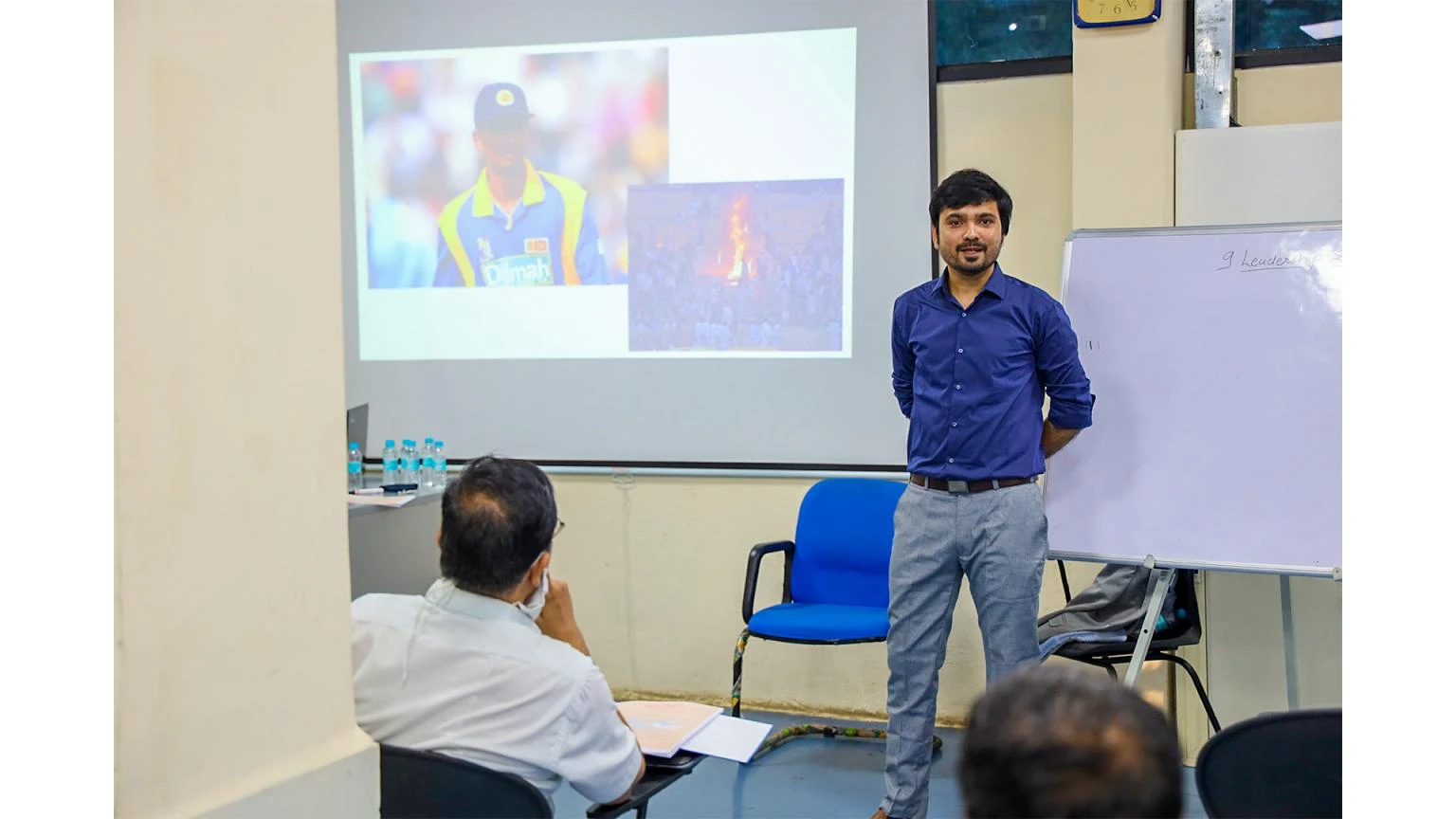
Avinash Chate - Leadership Coach at employee engagement session
7 Strategies for Effective Change Management in Corporate EnvironmentsChange is no longer an occasional event in the workplace. It is a constant reality. Yet in my experience, the real challenge is not change itself. The real challenge is how people feel, respond, and perform while change is happening. That is why effective change management is not a process document. It is a leadership responsibility.
Key takeaway: when leaders manage emotions, communication, clarity, and accountability well, change becomes easier to accept and far more successful to sustain.
As a corporate trainer, TEDx speaker, and author of The Winning Edge, I have seen one pattern repeatedly across teams and organizations: people rarely resist change without reason. They resist confusion, poor communication, lack of involvement, and uncertainty about what comes next. Over 15+ years, I have worked with leaders and teams across 80+ organizations, and the most successful transitions always put people before process.
At Avinash Chate, I believe change management must be approached through leadership, communication, team alignment, and personal ownership. Whether the shift involves new goals, restructuring, cultural transformation, or performance expectations, the human side of change determines the final outcome.
In this article, I will share seven practical strategies for effective change management in corporate environments, so leaders can build trust, reduce resistance, and move teams forward with confidence.
1. Start with a clear and honest reason for change
The first strategy is simple but often ignored: explain why the change is necessary. People do not commit to what they do not understand. If leaders announce change without context, teams begin creating their own assumptions. That is when fear, rumors, and disengagement start spreading.
I always advise leaders to answer three questions early: Why are we changing? Why now? What happens if we do not change? When these answers are communicated honestly, people begin to see the bigger picture.
Clarity creates emotional stability. When employees understand the purpose behind the shift, they are more likely to cooperate rather than resist. This is especially important in corporate environments where multiple departments are affected at the same time.
At Avinash Chate, I encourage leaders to communicate the reason for change in simple language. Avoid complicated statements. Speak with transparency. People appreciate honesty more than polished messaging.
2. Involve people early instead of informing them late
One of the biggest mistakes in change management is treating employees as passive recipients. When people are only informed after decisions are made, they feel excluded. Exclusion reduces ownership. Ownership is what makes change sustainable.
Involving people early does not mean every decision becomes democratic. It means leaders create opportunities for input, questions, and practical feedback. Employees on the ground often understand operational realities better than anyone else. Their perspective can improve the implementation of change.
I have seen this work effectively in organizations such as Aurus Group Real Estate, where team alignment and communication play a vital role during periods of growth and transition. When leaders create space for dialogue, they strengthen trust and reduce resistance.
Ask teams what concerns they have. Invite suggestions. Listen actively. When people feel heard, they become more willing to support the journey ahead.
3. Communicate repeatedly, not just once
Many leaders assume that once they announce a change, communication is complete. In reality, that is only the beginning. During transition, people need repeated communication because understanding develops in stages. What seems clear to leadership may still feel uncertain to employees.
I recommend a rhythm of communication rather than one-time announcements. Share updates regularly. Reinforce key messages. Clarify timelines. Address concerns openly. Repeat the vision until it becomes familiar.
Effective communication during change must include consistency, empathy, and simplicity. Mixed messages create confusion. Silence creates anxiety. Frequent and thoughtful communication creates confidence.
This is where strong communication skills become essential. If you want to understand how leadership directly influences employee effort during uncertain times, I recommend reading Why Employees Stop Giving Their Best and What Leadership Must Do About It.
People support change faster when they trust the messenger, understand the message, and see their role in the mission.
4. Equip managers to lead change at the team level
Senior leadership may design the direction, but immediate managers shape the daily experience of change. If managers are unprepared, even a strong strategy can fail in execution. That is why the fourth strategy is to develop managers as change leaders.
Employees usually do not experience change through policy documents. They experience it through conversations with their reporting managers. Managers answer questions, handle resistance, monitor morale, and keep performance moving. Their role is critical.
In my leadership programs, I often use the KITE Leadership Framework to help managers lead with clarity, influence, trust, and execution. This framework is especially useful during change because it helps leaders balance empathy with accountability.
Managers must know how to communicate expectations, handle emotional reactions, coach team members, and maintain focus on outcomes. Without this capability, change remains theoretical. With it, change becomes actionable.
If you are evaluating leadership development or people capability-building initiatives, you may also find value in reading 10 Questions to Ask Before Hiring a Corporate Trainer in Maharashtra.
5. Address resistance with empathy, not ego
Resistance is a natural part of change. I do not see resistance as disloyalty. I see it as information. It tells us where fear exists, where communication is weak, or where people are struggling to adapt. Leaders who react defensively often make resistance stronger.
Instead, I encourage leaders to respond with empathy. Ask what is causing hesitation. Is it loss of control? Fear of failure? Lack of confidence? Concern about workload? Once the real issue is identified, the right support can be offered.
Empathy does not mean lowering standards. It means understanding before correcting. When leaders acknowledge concerns respectfully, they build credibility. Employees become more open to guidance.
Avinash Chate has consistently emphasized that motivation is deeply connected to emotional safety. People perform better when they feel respected, not dismissed. During change, this principle becomes even more important.
6. Build visible short-term wins to create momentum
Large-scale change can feel overwhelming. If people only hear about long-term goals, they may lose motivation before results appear. That is why successful change management includes visible short-term wins.
Small wins create belief. They show progress is real. They help teams feel that effort is producing results. This improves morale and strengthens commitment.
I advise leaders to identify early milestones that can be measured and celebrated. These wins may include improved collaboration, faster decision-making, better customer conversations, stronger accountability, or smoother team coordination. The exact milestone matters less than the message it sends: we are moving forward.
Recognition also matters here. Appreciate the people who are adapting well, supporting others, and setting the right example. Positive reinforcement encourages desired behavior and helps the new culture take root.
7. Reinforce change until it becomes culture
The final strategy is the most important: do not stop at implementation. Many organizations launch change with energy but fail to sustain it. As a result, teams slowly return to old habits. Real change management is complete only when new behaviors become normal.
To make change stick, leaders must reinforce expectations consistently. Align reviews, meetings, recognition, and accountability with the new direction. Keep discussing the desired behaviors. Keep coaching. Keep measuring progress through people conversations and performance outcomes.
This is where leadership maturity shows. Sustainable change is not built through one event. It is built through repeated reinforcement. Culture changes when people see that the new way is not temporary.
As a TEDx speaker and author of The Winning Edge, I often remind leaders that transformation is not about dramatic announcements. It is about disciplined follow-through. That is what separates temporary compliance from lasting commitment.
Why human-centered change management works
The reason these seven strategies work is simple: they respect the human side of organizational life. Corporate environments are made of people, not just structures. When leaders focus only on targets and timelines, they miss the emotional reality of transition. When they focus on trust, communication, and capability, they create genuine alignment.
At Avinash Chate, my work in leadership development, communication training, team building, and motivation is rooted in this belief. Change succeeds when people feel informed, involved, supported, and inspired. That is how organizations protect performance while moving into new realities.
If you are interested in broader conversations around the future of learning and capability building, you can explore The Future of Corporate Training: Embracing Virtual Reality and AI Technologies. The central lesson remains the same: tools may evolve, but people skills remain the foundation of transformation.
Final thoughts
Effective change management in corporate environments is not about controlling people. It is about guiding people. It is about replacing fear with clarity, resistance with involvement, and uncertainty with direction.
If you want change to succeed, begin with leadership. Communicate clearly. Involve people early. Equip managers. Address resistance with empathy. Create short-term wins. Reinforce the shift until it becomes culture.
I have seen these principles create measurable impact across teams, leaders, and organizations. When applied consistently, they do more than manage change. They build stronger workplaces.
If you are looking to strengthen leadership, communication, team alignment, and change readiness in your organization, book a corporate training session with Avinash Chate.
Frequently Asked Questions
What is change management in a corporate environment?
Change management in a corporate environment is the process of helping people adapt to new goals, structures, expectations, or ways of working. It focuses on leadership, communication, alignment, and employee engagement so transitions happen smoothly.
Why do employees resist change at work?
Employees usually resist change because of uncertainty, lack of communication, fear of failure, or feeling excluded from decisions. Resistance often reduces when leaders explain the purpose clearly and involve people early.
What is the role of leaders in change management?
Leaders create the vision, communicate the reason for change, build trust, address concerns, and reinforce new behaviors. Their consistency and empathy strongly influence whether teams accept or reject change.
How can managers support teams during organizational change?
Managers can support teams by answering questions, giving clarity, listening to concerns, coaching employees, and maintaining morale. They play a key role because they shape the daily experience of change for team members.
How long does it take for organizational change to become part of culture?
There is no fixed timeline, but change becomes part of culture when new behaviors are consistently reinforced through communication, recognition, accountability, and leadership example over time.
Related Articles by Avinash Chate
- Why Team Building Activities Are Essential for Remote Work Success
- How to Choose the Right Motivational Speaker for Corporate Events and Annual Day Programs
- How to Lead Through Crisis: Lessons from Top Motivational Speakers
About the Author
Avinash Chate is a TEDx speaker, published author of The Winning Edge and The Unanswered, and founder of The Future Corporate & Business Coaching. With over 15 years of experience training 80+ organizations including Daspati Maratha Charitable Trust Mumbai, Atlantis Group, Institute of Company Secretaries of India, Mtech Innovation, Avinash is recognized as Maharashtra's leading corporate trainer. He created the KITE Leadership Framework and the 25-Star Competency Framework™, delivering high-impact programs across leadership, team building, sales transformation, and emotional intelligence.
📞 +91 8793630001 | ✉️ connect@avinashchate.com | 🌐 avinashchate.com
Book Avinash Chate for Your Next Event
Maharashtra's #1 Corporate Trainer · India's leading Motivational Speaker & Team Building Expert · 2x TEDx · Available across India in English, Hindi & Marathi.
✅ Thanks! Avinash team will reach out within 24 hours.'}).catch(function(e){f.outerHTML='Something went wrong. WhatsApp +91 8793630001
'});return false;"> Select Service Motivational Speaking / Keynote Team Building Workshop Corporate Training / Leadership Development Manager Development Employee Training Outbound Training Book Avinash Now →Or WhatsApp directly: +91 87936 30001
Avinash Chate services
Corporate Trainer in Maharashtra · Top Corporate Trainers in Maharashtra · Leadership Trainer in Maharashtra · Top Leadership Trainers in Maharashtra · Team Building Trainer in Maharashtra · Top Team Building Trainers in Maharashtra · Motivational Speaker in Maharashtra · Top Motivational Speakers in Maharashtra · All service locations
← Back to all articles · Book Avinash Chate
By Avinash Chate — Maharashtra’s #1 Corporate Trainer & Motivational Speaker. .