7 Ways to Create a Culture of Continuous Learning in Your Organization
Discover 7 practical ways to build a culture of continuous learning in your organization through leadership, communication, motivation, and people development.
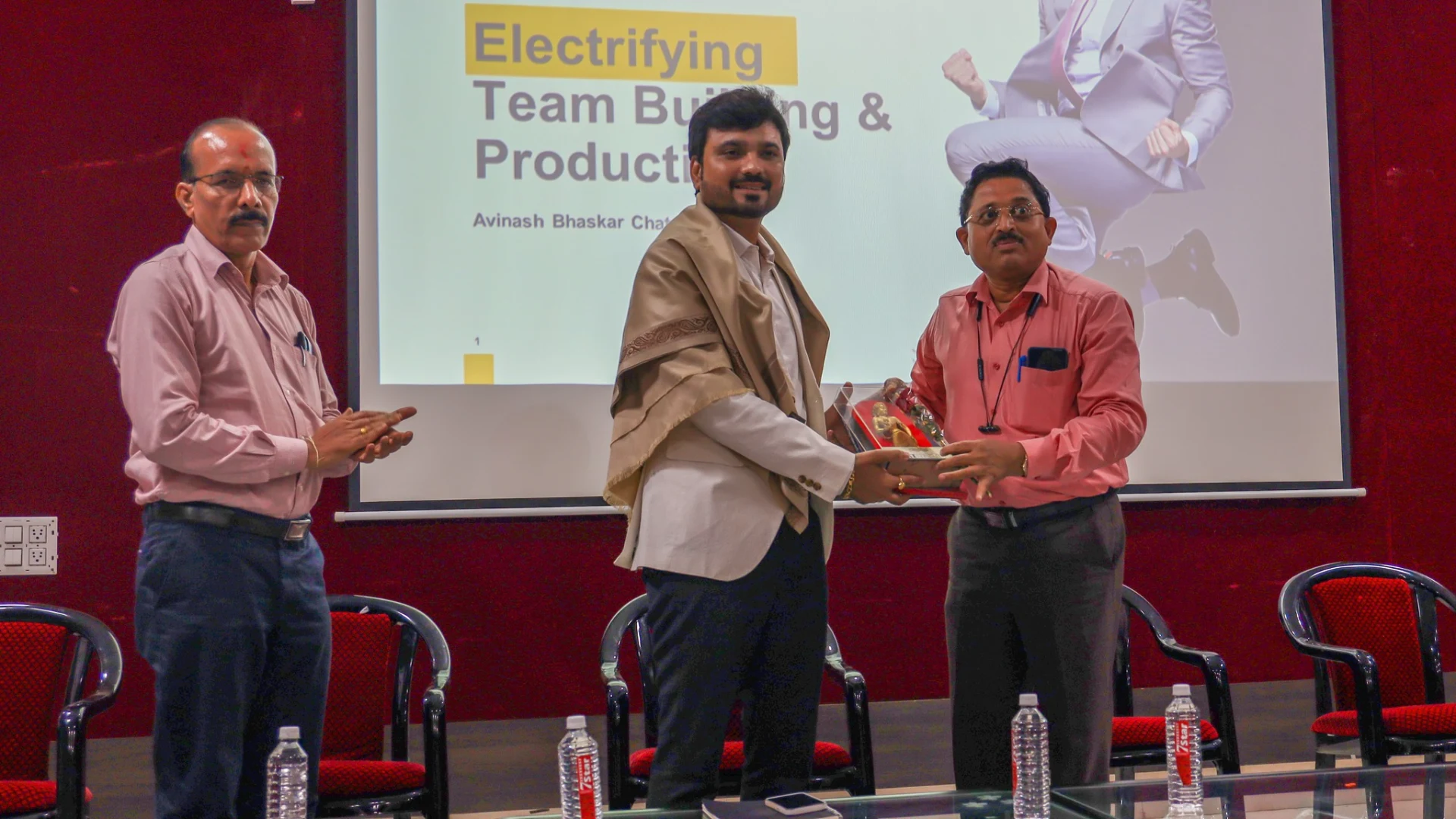
Avinash Chate - Leadership Development Expert training management team
7 Ways to Create a Culture of Continuous Learning in Your OrganizationIn my experience, organizations grow faster when people grow consistently. A culture of continuous learning is not built through one workshop, one policy, or one motivational speech. It is built when learning becomes part of everyday thinking, team conversations, leadership behavior, and performance expectations.
Key takeaway: if you want your organization to stay relevant, resilient, and high performing, you must create an environment where people feel encouraged to learn, apply, reflect, and improve continuously.
Over the last 15+ years, I have worked with leaders and teams across industries, and one pattern is clear: companies that learn together perform better together. As Avinash Chate, a TEDx speaker and author of The Winning Edge, I have seen how learning cultures improve communication, ownership, adaptability, confidence, and collaboration. Whether I am speaking to senior leadership, frontline teams, or managers, I always emphasize that learning is not an event. It is a mindset.
When organizations ask me how to make learning sustainable, I tell them to focus less on information overload and more on behavioral reinforcement. Even in my work with companies such as Sakla Group, the biggest transformation has come when leaders made learning visible, practical, and rewarding.
If you also care about leadership maturity, I recommend reading Why Emotional Intelligence Is the Leadership Advantage Businesses Need Today because emotional intelligence plays a major role in whether people feel safe enough to learn, ask questions, and improve.
1. Make Learning a Leadership Priority, Not an HR Activity
The first step is simple but powerful: leaders must own learning. If learning is seen only as an HR initiative, it will remain occasional and administrative. If leaders talk about learning, practice learning, and reward learning, it becomes cultural.
I encourage leaders to ask better questions in meetings: What did we learn from this project? What can we improve next time? What skill do we need to strengthen as a team? These questions shift the focus from blame to growth.
One of the principles I often bring into leadership conversations through the KITE Leadership Framework is that effective leaders create conditions for growth, not just pressure for results. When leaders demonstrate curiosity, humility, and openness, teams begin to do the same.
Avinash Chate believes that the learning culture of any organization will always mirror the learning behavior of its leaders.
2. Build Psychological Safety So People Are Not Afraid to Learn
Many organizations say they want learning, but their culture punishes mistakes, discourages questions, and rewards only perfection. In such environments, employees hide weaknesses instead of developing strengths.
Continuous learning requires psychological safety. People must feel comfortable saying, “I do not know,” “I need help,” or “I want to improve.” Without that safety, learning becomes superficial.
I advise leaders to normalize reflection after presentations, client interactions, reviews, and team discussions. Instead of asking, “Who made the mistake?” ask, “What can we learn from this?” That one shift can change the emotional climate of a team.
When people feel safe, they participate. When they participate, they learn. When they learn, they perform.
This is also closely connected to change readiness. If your team is navigating transitions, I suggest reading 7 Strategies for Effective Change Management in Corporate Environments to understand how learning and adaptability support each other.
3. Encourage Learning in the Flow of Work
One of the biggest mistakes organizations make is treating learning as something separate from work. In reality, the strongest learning happens during work through observation, feedback, coaching, problem solving, and reflection.
I often tell managers to stop waiting for formal training alone. Use regular team huddles, review meetings, role plays, peer discussions, and project debriefs as learning opportunities. A five-minute insight shared daily can create more impact than a long program that is forgotten in a week.
Here are simple ways to integrate learning into daily work:
- Start meetings with one lesson learned from the previous week
- Ask team members to share successful communication approaches
- Encourage peer coaching after client or internal presentations
- Review both wins and mistakes without judgment
- Create small action commitments after every learning session
As Avinash Chate, I have seen that when learning becomes part of routine work, it stops feeling like an extra burden and starts becoming a shared habit.
4. Reward Curiosity, Application, and Improvement
If you want people to keep learning, recognize not only results but also effort, experimentation, and progress. Many employees lose motivation because only final outcomes are appreciated, while the learning journey goes unnoticed.
I encourage organizations to celebrate behaviors such as asking thoughtful questions, taking initiative to improve a skill, sharing knowledge with peers, and applying lessons from training in real situations. Recognition does not always need to be financial. Public appreciation, leadership acknowledgment, and growth opportunities can be equally powerful.
When people see that learning is respected, they invest more in self-development. This creates a positive cycle where motivation and capability rise together.
For organizations working with knowledge-driven and high-performance teams, the same principle applies across functions. You may also find useful insight in Leadership Motivation for Pune's Automotive R&D Centers: Inspiring Engineers at ARAI, Tata Motors, and Bajaj Innovation Labs, where the focus is on how motivation and leadership can unlock stronger engagement and performance.
5. Create Managers Who Coach, Not Just Supervise
A learning culture becomes sustainable only when managers act as coaches. Employees interact with their managers more frequently than with trainers, so managers shape daily behavior more than any policy does.
I train managers to move beyond instruction and start coaching with intent. That means giving timely feedback, asking reflective questions, helping employees identify strengths, and encouraging ownership of development.
A coaching manager does not simply say, “Do this better.” A coaching manager asks, “What do you think worked? What could you improve? What support do you need?” This approach builds confidence, accountability, and self-awareness.
In my sessions, I often remind leaders that people do not grow because they are monitored. They grow because they are guided well.
6. Make Knowledge Sharing a Team Habit
Continuous learning becomes stronger when knowledge does not stay trapped with individuals. Teams grow faster when people share insights, experiences, and best practices freely.
I recommend creating regular opportunities for internal learning exchange. This can include short team presentations, cross-functional learning circles, mentoring conversations, role-play sessions, and case-based discussions. The goal is to make everyone both a learner and a contributor.
When employees teach others, their own understanding deepens. When teams learn from one another, collaboration improves. This also reduces dependency on a few people and strengthens collective capability.
Organizations that build this habit develop stronger trust and better team alignment. They also become more resilient during change because knowledge is distributed, not isolated.
7. Link Learning to Purpose, Growth, and Performance
People commit to learning when they understand why it matters. If learning is presented as a compulsory activity, engagement stays low. If it is connected to personal growth, career progress, team success, and organizational purpose, commitment increases.
I always advise organizations to answer three questions clearly for employees: Why should I learn this? How will it help me perform better? How will it help me grow? When these answers are visible, learning becomes meaningful.
Continuous learning should also be linked to communication quality, leadership readiness, customer experience, team effectiveness, and sales excellence wherever relevant. When people see practical value, they take ownership.
Avinash Chate has always believed that learning is one of the most powerful drivers of confidence. Skilled people communicate better, adapt faster, lead stronger, and contribute more consistently.
Final Thoughts
A culture of continuous learning is not created by chance. It is created by intention, consistency, and leadership example. If you want your organization to remain competitive and people-focused, start by making learning visible in everyday behavior.
To recap, the seven ways are simple and powerful: make learning a leadership priority, build psychological safety, integrate learning into daily work, reward improvement, develop coaching managers, encourage knowledge sharing, and connect learning to purpose.
As Avinash Chate, I have had the privilege of working with 80+ organizations, and I can say with confidence that the most successful teams are not the ones that know everything. They are the ones that keep learning.
If you want to strengthen learning culture, leadership mindset, communication, motivation, and team effectiveness in your organization, book a corporate training session here.
Frequently Asked Questions
What is a culture of continuous learning in an organization?
A culture of continuous learning is an environment where employees are consistently encouraged to develop skills, share knowledge, reflect on experience, and improve performance as part of everyday work.
Why is continuous learning important for organizations?
Continuous learning helps organizations improve adaptability, leadership strength, communication, team collaboration, employee engagement, and overall performance in a changing business environment.
How can leaders promote continuous learning?
Leaders can promote continuous learning by modeling curiosity, encouraging questions, giving constructive feedback, recognizing improvement, and making learning part of regular team conversations.
What role do managers play in building a learning culture?
Managers play a critical role because they influence daily behavior. When managers coach, guide, and support development instead of only supervising tasks, employees learn more effectively.
How can corporate training support a continuous learning culture?
Corporate training provides structure, direction, and reinforcement for key soft skills, leadership capabilities, communication habits, and team behaviors that help organizations build a sustainable learning culture.
Related Articles by Avinash Chate
- How to Find the Right Motivational Speaker for Your Corporate Event
- The Benefits of Combining NLP Techniques with Corporate Training
- The Connection Between Corporate Training and Employee Retention Rates
About the Author
Avinash Chate is a TEDx speaker, published author of The Winning Edge and The Unanswered, and founder of The Future Corporate & Business Coaching. With over 15 years of experience training 80+ organizations including Aurangabad electricals, Aurus Group Real Estate, Perfexan Chem Pvt. Ltd, VishwaRaj Hospital, Avinash is recognized as Maharashtra's leading corporate trainer. He created the KITE Leadership Framework and the 25-Star Competency Framework™, delivering high-impact programs across leadership, team building, sales transformation, and emotional intelligence.
📞 +91 8793630001 | ✉️ connect@avinashchate.com | 🌐 avinashchate.com
Book Avinash Chate for Your Next Event
Maharashtra's #1 Corporate Trainer · India's leading Motivational Speaker & Team Building Expert · 2x TEDx · Available across India in English, Hindi & Marathi.
✅ Thanks! Avinash team will reach out within 24 hours.'}).catch(function(e){f.outerHTML='Something went wrong. WhatsApp +91 8793630001
'});return false;"> Select Service Motivational Speaking / Keynote Team Building Workshop Corporate Training / Leadership Development Manager Development Employee Training Outbound Training Book Avinash Now →Or WhatsApp directly: +91 87936 30001
Avinash Chate services
Corporate Trainer in Maharashtra · Top Corporate Trainers in Maharashtra · Leadership Trainer in Maharashtra · Top Leadership Trainers in Maharashtra · Team Building Trainer in Maharashtra · Top Team Building Trainers in Maharashtra · Motivational Speaker in Maharashtra · Top Motivational Speakers in Maharashtra · All service locations
← Back to all articles · Book Avinash Chate
By Avinash Chate — Maharashtra’s #1 Corporate Trainer & Motivational Speaker. .