Accountability vs Blame: SS Rajamouli's lesson
Have you ever blamed your team, the market, or even circumstances when things go wrong at work? In this video, I share a powerful story from legendary director ...
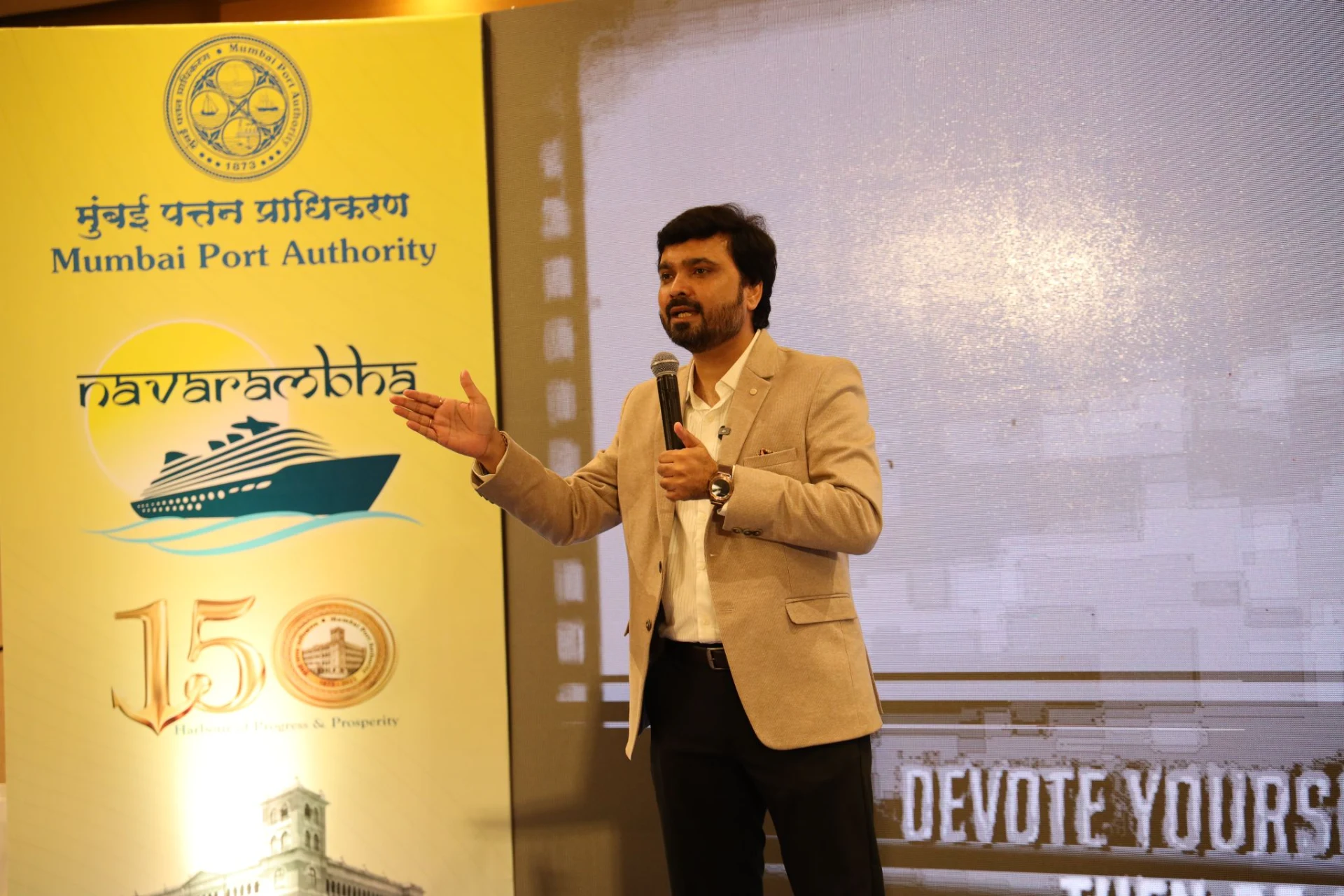
Avinash Chate - Top Motivational Speaker at corporate training program
Accountability vs Blame: The Leadership Lesson I Learned from S S RajamouliOne of the biggest differences I see between average professionals and exceptional leaders is this: average professionals look for someone to blame, while exceptional leaders look for something they can own.
Key takeaway: The moment we shift from blame to accountability, we move from helplessness to leadership.
That is why the lesson inspired by S S Rajamouli is so powerful. When a result goes wrong, it is easy to point fingers at the team, the customer, the market, or circumstances. It feels natural. It feels justified. But it also keeps us stuck. Accountability, on the other hand, is uncomfortable in the beginning, yet transformational in the long run.
In my work across 80+ organizations, I have seen this pattern repeatedly. Teams do not fail only because of lack of skill. Many times, they fail because of what I call an accountability gap. People become more interested in protecting their image than improving the outcome. That is where growth stops.
As Avinash Chate, a TEDx speaker and author of The Winning Edge, I strongly believe that accountability is not about self-criticism. It is about self-leadership. It is about asking a better question: “What could I have done differently?” That single question can change careers, teams, and organizations.
Why Blame Feels Easy but Damages Growth
Blame is emotionally convenient. It gives us instant relief. If the client was unreasonable, if the colleague was careless, if the environment was difficult, then we do not have to examine our own role. We protect our ego, but we sacrifice our progress.
The problem is that blame creates a culture of defensiveness. Once people start defending themselves, they stop learning. They stop listening. They stop collaborating. Meetings become explanations instead of solutions. Teams become political instead of productive.
I have seen professionals with excellent talent remain stuck for years because they mastered the language of excuses. Every setback had a reason, but no ownership. Every challenge had a villain, but no lesson. This is what I call accountability bypass. It is the habit of escaping responsibility while appearing sincere.
True leadership begins when we stop asking, “Who caused this?” and start asking, “How do we improve this?” That shift creates maturity. It creates trust. It creates momentum.
Blame looks backward to find fault. Accountability looks forward to create change.
What S S Rajamouli Teaches Us About Ownership
What makes great creators and great leaders stand apart is not that everything always goes perfectly for them. It is that they take ownership of the final outcome. That is the spirit of the lesson I draw from S S Rajamouli. When you are deeply committed to excellence, you do not hide behind excuses. You become responsible for the standard.
In the corporate world, this mindset is priceless. Whether you are a manager, sales professional, HR leader, entrepreneur, or team member, your growth depends on how honestly you review your own contribution to the result.
If a sales pitch failed, did we understand the customer deeply enough? If a team conflict escalated, did we communicate clearly enough? If an employee disengaged, did we create enough trust and clarity? These are accountability questions. They are not easy, but they are empowering.
Avinash Chate often says in training sessions that ownership is the beginning of influence. People trust leaders who take responsibility. People follow managers who do not throw their teams under pressure. People respect professionals who can say, “I could have handled that better.”
This is also where leadership becomes visible. Not in success alone, but in the response to setbacks.
How Accountability Builds Stronger Teams
In team environments, blame is contagious. One person starts it, and soon everyone is protecting themselves. Sales blames delivery. Delivery blames planning. Planning blames communication. Communication blames expectations. Eventually, the customer experiences the cost of internal blame games.
Accountability is also contagious, but in a much healthier way. When one leader takes ownership, it gives others permission to do the same. The tone changes. Instead of “It was not my fault,” the conversation becomes “Here is what I can improve.” That is when teams become solution-focused.
I remember how this principle resonated deeply in one of my corporate sessions with Mumbai Port Authority. The discussion was not about finding perfect people. It was about building responsible teams. That is the real goal in any workplace. We do not need flawless employees. We need aware, honest, and accountable professionals.
This is where frameworks matter. In my work, the KITE Leadership Framework helps leaders develop the mindset and behaviors needed for sustained performance. Accountability is a central part of leadership effectiveness because without ownership, even the best intentions collapse under pressure.
When accountability becomes part of culture, teams communicate faster, recover quicker, and trust each other more. They stop wasting emotional energy on blame and invest that energy in improvement.
How to Practice Accountability Without Becoming Harsh on Yourself
Many people misunderstand accountability. They think it means carrying guilt. It does not. Accountability is not emotional punishment. It is practical responsibility.
Here is a simple way to practice it in everyday work:
- Pause before reacting. When something goes wrong, do not immediately defend yourself.
- Identify your contribution. Even if others made mistakes, ask what you could have done better.
- Focus on correction. Accountability is useful only when it leads to action.
- Communicate ownership clearly. Say, “I should have clarified this earlier,” or “Next time I will prepare differently.”
- Learn and move forward. Do not stay stuck in regret. Extract the lesson and apply it.
This approach builds emotional maturity. It also strengthens credibility. In my experience, people do not lose respect for leaders who admit mistakes. They lose respect for leaders who avoid responsibility.
As Avinash Chate, I have seen careers accelerate when professionals stop managing impressions and start managing improvement. The workplace rewards those who can learn fast, adapt fast, and own their role in every outcome.
The Link Between Accountability and Career Growth
If you want to grow in your career, accountability is not optional. It is one of the most important soft skills you can develop. Why? Because every higher role brings more ambiguity, more pressure, and more responsibility. Leaders cannot afford a blame mindset.
Professionals who rise consistently are the ones who ask for feedback, reflect honestly, and take initiative to improve. They do not wait for perfect conditions. They work on what is within their control. That creates resilience and reliability, two qualities every organization values.
This is also why accountability is deeply connected to personal confidence. When you stop blaming the world, you reclaim your power. You begin to see that while you cannot control everything, you can always control your response, preparation, communication, and mindset.
If you want to explore more ideas on motivation and workplace growth, you may also enjoy Best Motivational Speaker in Maharashtra — Top 10 Trainers 2026, The Gillette Strategy Every Business Owner Must Understand to Build Recurring Revenue, and How to Energize Your Workforce with the Right Corporate Motivational Speaker.
From Excuses to Excellence
The real lesson is simple: blame may protect your ego today, but accountability builds your future.
If you are serious about leadership, team building, communication, sales excellence, or personal growth, start by observing your language. How often do you explain, justify, or externalize? And how often do you reflect, own, and improve?
That answer will tell you a lot about your leadership readiness.
Avinash Chate believes that accountable people become dependable people, and dependable people become influential leaders. This is true in corporate life, in business, and in personal growth. The strongest professionals are not those who never fail. They are those who never waste a failure.
So the next time something goes wrong, resist the temptation to blame. Pause. Reflect. Own your part. Improve your response. That is how trust is built. That is how teams grow. That is how leaders are made.
If you want to build a culture of ownership, trust, and performance in your organization, book a corporate training session with me.
Frequently Asked Questions
What is the difference between accountability and blame?
Blame focuses on finding fault in others, while accountability focuses on taking ownership of what can be improved. Blame weakens teams, but accountability creates growth and trust.
Why is accountability important in leadership?
Accountability helps leaders build credibility, trust, and influence. When leaders own outcomes instead of making excuses, they create a culture of responsibility and learning.
How can I become more accountable at work?
Start by pausing before reacting, identifying your role in the situation, accepting feedback, and focusing on corrective action instead of excuses. Small shifts in language and mindset make a big difference.
Can accountability improve team performance?
Yes. Accountability reduces defensiveness and improves communication, trust, and problem-solving. Teams that take ownership recover faster from setbacks and collaborate more effectively.
How can corporate training help build accountability?
Corporate training helps professionals develop self-awareness, communication skills, leadership habits, and team responsibility. With the right training, organizations can create a stronger culture of ownership and performance.
Related Articles by Avinash Chate
- The Mirroring Technique That Helps You Build Trust and Close More Deals
- Motivational Speaker for Pune BPO and KPO Night-Shift Teams — Combating Burnout and Boosting Engagement
- Micro Management vs Ownership: Lessons for Maharashtra's Corporate Leaders
About the Author
Avinash Chate is a TEDx speaker, published author of The Winning Edge and The Unanswered, and founder of The Future Corporate & Business Coaching. With over 15 years of experience training 80+ organizations including VishwaRaj Hospital, JSW Steel, Rajuri Steels, Morbull Solutions, Avinash is recognized as Maharashtra's leading corporate trainer. He created the KITE Leadership Framework and the 25-Star Competency Framework™, delivering high-impact programs across leadership, team building, sales transformation, and emotional intelligence.
📞 +91 8793630001 | ✉️ connect@avinashchate.com | 🌐 avinashchate.com
Book Avinash Chate for Your Next Event
Maharashtra's #1 Corporate Trainer · India's leading Motivational Speaker & Team Building Expert · 2x TEDx · Available across India in English, Hindi & Marathi.
✅ Thanks! Avinash team will reach out within 24 hours.'}).catch(function(e){f.outerHTML='Something went wrong. WhatsApp +91 8793630001
'});return false;"> Select Service Motivational Speaking / Keynote Team Building Workshop Corporate Training / Leadership Development Manager Development Employee Training Outbound Training Book Avinash Now →Or WhatsApp directly: +91 87936 30001
Avinash Chate services
Corporate Trainer in Maharashtra · Top Corporate Trainers in Maharashtra · Leadership Trainer in Maharashtra · Top Leadership Trainers in Maharashtra · Team Building Trainer in Maharashtra · Top Team Building Trainers in Maharashtra · Motivational Speaker in Maharashtra · Top Motivational Speakers in Maharashtra · All service locations
← Back to all articles · Book Avinash Chate
By Avinash Chate — Maharashtra’s #1 Corporate Trainer & Motivational Speaker. .