How to Align Company Vision with Employee Goals for Maximum Impact
Learn how to align company vision with employee goals to build ownership, motivation, accountability, and long-term business impact through strong leadership and communication.
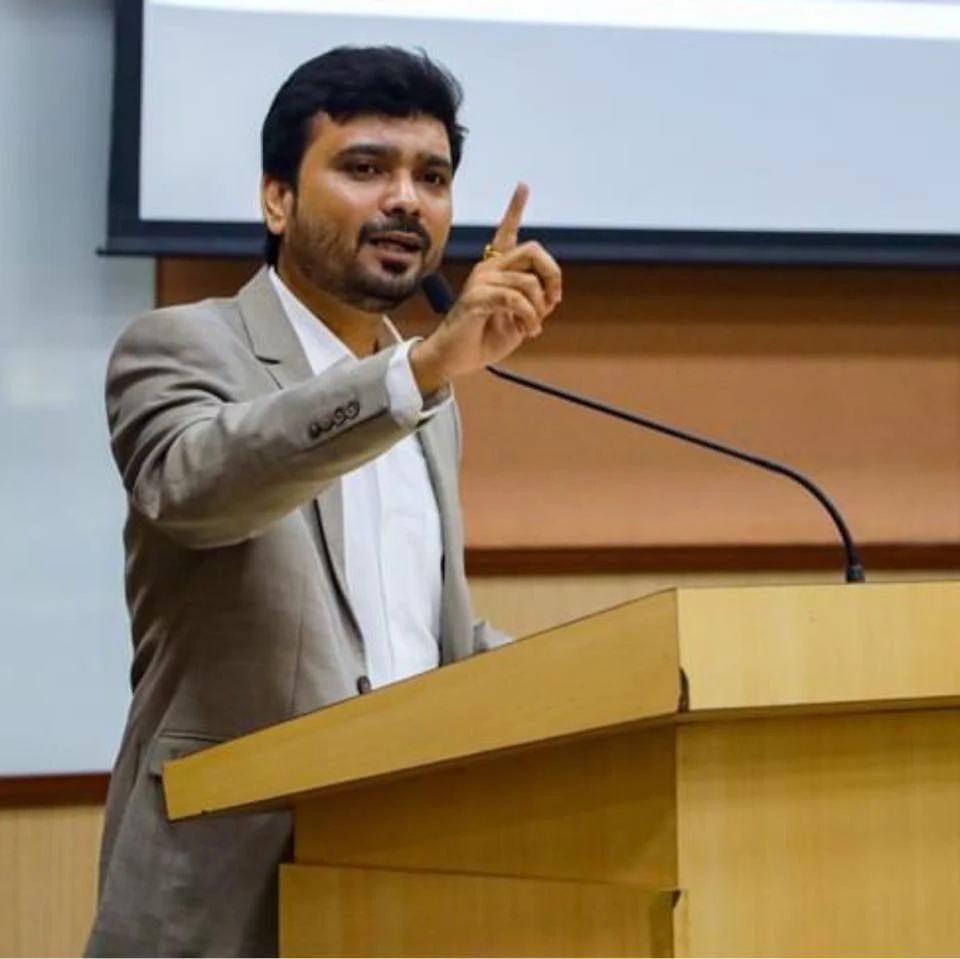
Avinash Chate - TEDx Speaker delivering keynote at corporate event
How to Align Company Vision with Employee Goals for Maximum ImpactIn my experience, one of the biggest reasons teams underperform is not a lack of talent. It is a lack of alignment. When people do not understand where the organisation is going, or how their individual contribution matters, even the most capable employees begin to work in isolation. The result is confusion, low ownership, weak collaboration, and inconsistent performance.
Key takeaway: when company vision becomes personally meaningful to employees, performance stops being forced and starts becoming purposeful.
As a corporate trainer, TEDx speaker, and author of The Winning Edge, I have seen this pattern across 80+ organizations. Whether I am working with senior leaders, sales teams, frontline managers, or young professionals, the challenge is often the same: the company has a vision statement, but employees do not feel connected to it. That gap is where motivation drops and execution suffers.
At Avinash Chate, I always say that vision alignment is not a poster on the wall. It is a leadership process. It requires clarity, communication, trust, and continuous reinforcement. When leaders make the vision real, employees begin to see their goals not as tasks to complete, but as contributions to a larger mission.
Why Vision and Employee Goals Often Stay Disconnected
Many organisations communicate vision at annual meetings, leadership offsites, or induction programs. But after that, daily work takes over. Targets, deadlines, reviews, and operational pressure dominate the conversation. Employees hear about performance, but not always about purpose.
This creates a disconnect. The organisation may be aiming for growth, customer excellence, stronger culture, or market leadership, but employees are often focused only on immediate deliverables. If there is no visible bridge between the big picture and personal goals, people start seeing work as routine rather than meaningful.
I have also noticed that leaders sometimes assume employees will automatically understand the link between strategy and execution. That assumption is costly. Alignment does not happen by chance. It happens through deliberate communication and people development.
This is one reason leadership capability matters so much. In my work, including programs inspired by the KITE Leadership Framework, I emphasise that leaders must translate vision into everyday behaviour. A strong leader does not merely repeat the company message. A strong leader helps each team member answer a simple question: What does this vision mean for me and my work?
Start by Making the Vision Clear, Human, and Relevant
If the company vision sounds too abstract, employees will not connect with it. Phrases like growth, excellence, innovation, or leadership may sound impressive, but unless they are explained in practical terms, they remain distant.
I encourage leaders to communicate vision in a way that is simple and human. Instead of only saying, “We want to be an industry leader,” explain what that means in behaviour and outcomes. Does it mean serving customers better? Building stronger internal collaboration? Improving accountability? Raising quality standards? Creating a culture of learning?
When the vision becomes clear, employees can begin to see where they fit. For example, a customer-facing employee may understand that better listening improves trust. A manager may realise that coaching the team supports business growth. A sales professional may see that ethical persuasion strengthens long-term relationships.
I have seen this principle work effectively in organisations such as Bajaj hospital, where service quality, empathy, and teamwork directly influence outcomes. In such environments, alignment is not theoretical. Every employee must understand how their role contributes to the larger promise of the institution.
If you want to build stronger trust-based leadership, I also recommend reading When People Don’t Trust Good Intentions: The Leadership Lesson Behind Free Education. It highlights an important truth: intention alone is not enough; people must understand and believe what leaders stand for.
Translate Organisational Vision into Team and Individual Goals
Once the vision is clear, the next step is translation. This is where many organisations struggle. Leaders talk about the company direction, but they do not convert it into team goals and individual expectations.
I believe every manager should ask three questions during goal-setting conversations:
- How does our team contribute to the company vision?
- What specific outcomes must we achieve to support that vision?
- What role does each employee play in making those outcomes possible?
These questions create ownership. They help employees move from passive compliance to active commitment. Instead of saying, “This is my target,” they begin to say, “This is how I contribute.” That shift changes energy, accountability, and collaboration.
For example, if the company vision is to become the most trusted brand in its space, then employee goals should include behaviours that build trust. That may involve better communication, stronger follow-up, problem-solving, customer empathy, cross-functional cooperation, or service responsiveness.
At Avinash Chate, I often remind leaders that goals should not only measure output. They should also reinforce culture. If you want a collaborative organisation, reward collaboration. If you want proactive employees, recognise initiative. If you want customer-centric teams, include service behaviours in performance conversations.
Employees align faster when they can clearly see the connection between what they do every day and what the organisation wants to become.
Create Ongoing Conversations, Not One-Time Announcements
Alignment is not achieved in a town hall and forgotten the next day. It must be reinforced consistently. Leaders need to bring the vision into regular conversations, reviews, team meetings, and coaching moments.
I have found that the most aligned teams are not always the ones with the best strategy documents. They are the ones where managers repeatedly connect current work to long-term purpose. They keep reminding employees why goals matter, not just what needs to be done.
One practical way to do this is to begin team meetings with a short connection point: how does this week’s work support our larger direction? Another is to include purpose-based questions in review discussions. Ask employees not only about progress, but also about contribution, learning, and impact.
This approach strengthens motivation because people want to feel that their work matters. They want to know they are not just completing tasks but creating value. When leaders recognise that emotional need, engagement improves naturally.
To understand the cultural side of workplace contribution, I suggest reading Givers vs Takers in the Office: Who Really Wins in the Long Run?. It offers useful insight into the behaviours that shape long-term team success.
Build Alignment Through Leadership, Recognition, and Capability Development
Even when vision and goals are well communicated, alignment can still weaken if employees do not have the skills or confidence to deliver. That is why capability development is essential. People need training, coaching, and support to turn intention into performance.
This is where corporate training plays a powerful role. Communication skills, leadership presence, emotional intelligence, team collaboration, accountability, and sales excellence are not optional qualities. They are the human capabilities that help employees contribute meaningfully to organisational goals.
As Avinash Chate, I have seen how learning interventions can strengthen alignment by helping employees understand expectations and improve execution. When people become better communicators, they coordinate more effectively. When managers become better coaches, teams take more ownership. When employees learn to handle conflict constructively, collaboration becomes smoother.
If your organisation is looking to strengthen service communication and people performance in high-pressure environments, you may find value in Corporate Training for Call Center and BPO Teams in Pune. The principles of communication, ownership, and alignment apply far beyond one function.
Recognition also matters. What leaders appreciate publicly becomes a cultural signal. If employees see that the organisation recognises behaviours connected to the vision, they are more likely to repeat them. Recognition turns values into visible standards.
Make Employees Co-Creators of the Vision, Not Just Receivers
One of the most effective ways to align employee goals with company vision is to involve employees in the conversation. Instead of only telling them what the vision is, ask them how they can support it. Invite ideas. Encourage ownership. Listen to their perspective.
When employees participate in shaping action plans, they feel respected and responsible. This creates emotional commitment. People support what they help build.
I often tell leaders that alignment grows when employees can answer these questions with confidence:
- What is our organisation trying to achieve?
- Why does it matter?
- How does my role contribute?
- What behaviours are expected from me?
- How will my success be measured?
If these answers are clear, alignment becomes much stronger. If they are vague, confusion returns.
At Avinash Chate, I believe the real power of leadership lies in creating meaning. Targets may drive action for a while, but meaning drives sustained commitment. When employees see a genuine connection between their personal growth and the organisation’s direction, they become more resilient, motivated, and engaged.
That is why vision alignment is not merely a strategic exercise. It is a people exercise. It is about helping human beings feel connected to a shared purpose and empowered to contribute their best.
Final Thoughts: Alignment Creates Energy, Ownership, and Results
When company vision and employee goals move in the same direction, organisations experience a powerful shift. Teams become more focused. Managers communicate with greater clarity. Employees feel more involved. Collaboration improves. Performance becomes more consistent.
As a TEDx speaker and author of The Winning Edge, I have learned that long-term success is rarely built only on systems or targets. It is built on people who understand the mission, believe in their role, and act with purpose every day.
If you want your teams to move from activity to impact, start by aligning vision with goals. Make the vision clear. Translate it into role-based expectations. Reinforce it through conversation. Develop people with the right soft skills. Recognise aligned behaviour. Most importantly, help employees feel that they are part of something meaningful.
That is how organisations create maximum impact.
If you want to strengthen leadership alignment, employee motivation, communication, and team performance in your organisation, book a corporate training session with Avinash Chate.
Frequently Asked Questions
Why is aligning company vision with employee goals important?
It helps employees understand how their daily work contributes to larger organisational success. This improves motivation, accountability, engagement, and performance.
How can leaders make company vision more meaningful to employees?
Leaders should communicate the vision in simple, practical language and connect it directly to team responsibilities, behaviours, and measurable goals.
What role do managers play in vision alignment?
Managers act as translators of the vision. They help employees understand expectations, connect goals to purpose, and reinforce alignment through regular conversations and coaching.
Can corporate training improve alignment between vision and goals?
Yes. Corporate training strengthens communication, leadership, teamwork, accountability, and motivation, all of which help employees contribute more effectively to organisational objectives.
How often should organisations revisit alignment?
Alignment should be reinforced continuously through team meetings, performance reviews, recognition, and leadership communication rather than treated as a one-time activity.
Related Articles by Avinash Chate
- Why Investing in Personal Development is Key for Leadership Success in Osmanabad
- How to Create an Impactful Team-Building Retreat in Nagpur: A Complete Guide
- Top 10 Corporate Motivational Speakers in Satara for IT, Manufacturing, and Startup Companies [2026]
About the Author
Avinash Chate is a TEDx speaker, published author of The Winning Edge and The Unanswered, and founder of The Future Corporate & Business Coaching. With over 15 years of experience training 80+ organizations including Vascon, Mauli Sahkari Patsanstha Marya, Bhabha Atomic Research Centre, Bajaj hospital, Avinash is recognized as Maharashtra's leading corporate trainer. He created the KITE Leadership Framework and the 25-Star Competency Framework™, delivering high-impact programs across leadership, team building, sales transformation, and emotional intelligence.
📞 +91 8793630001 | ✉️ connect@avinashchate.com | 🌐 avinashchate.com
Book Avinash Chate for Your Next Event
Maharashtra's #1 Corporate Trainer · India's leading Motivational Speaker & Team Building Expert · 2x TEDx · Available across India in English, Hindi & Marathi.
✅ Thanks! Avinash team will reach out within 24 hours.'}).catch(function(e){f.outerHTML='Something went wrong. WhatsApp +91 8793630001
'});return false;"> Select Service Motivational Speaking / Keynote Team Building Workshop Corporate Training / Leadership Development Manager Development Employee Training Outbound Training Book Avinash Now →Or WhatsApp directly: +91 87936 30001
Avinash Chate services
Corporate Trainer in Maharashtra · Top Corporate Trainers in Maharashtra · Leadership Trainer in Maharashtra · Top Leadership Trainers in Maharashtra · Team Building Trainer in Maharashtra · Top Team Building Trainers in Maharashtra · Motivational Speaker in Maharashtra · Top Motivational Speakers in Maharashtra · All service locations
← Back to all articles · Book Avinash Chate
By Avinash Chate — Maharashtra’s #1 Corporate Trainer & Motivational Speaker. .