Andre Russell Replaced: Your Job Could Be Next .
Andre Russell News/ KKR Andre Russell Andre Russell gave 12 years to KKR. Two IPL titles. Countless match winning performances. But when Abhishek Nayar became t...
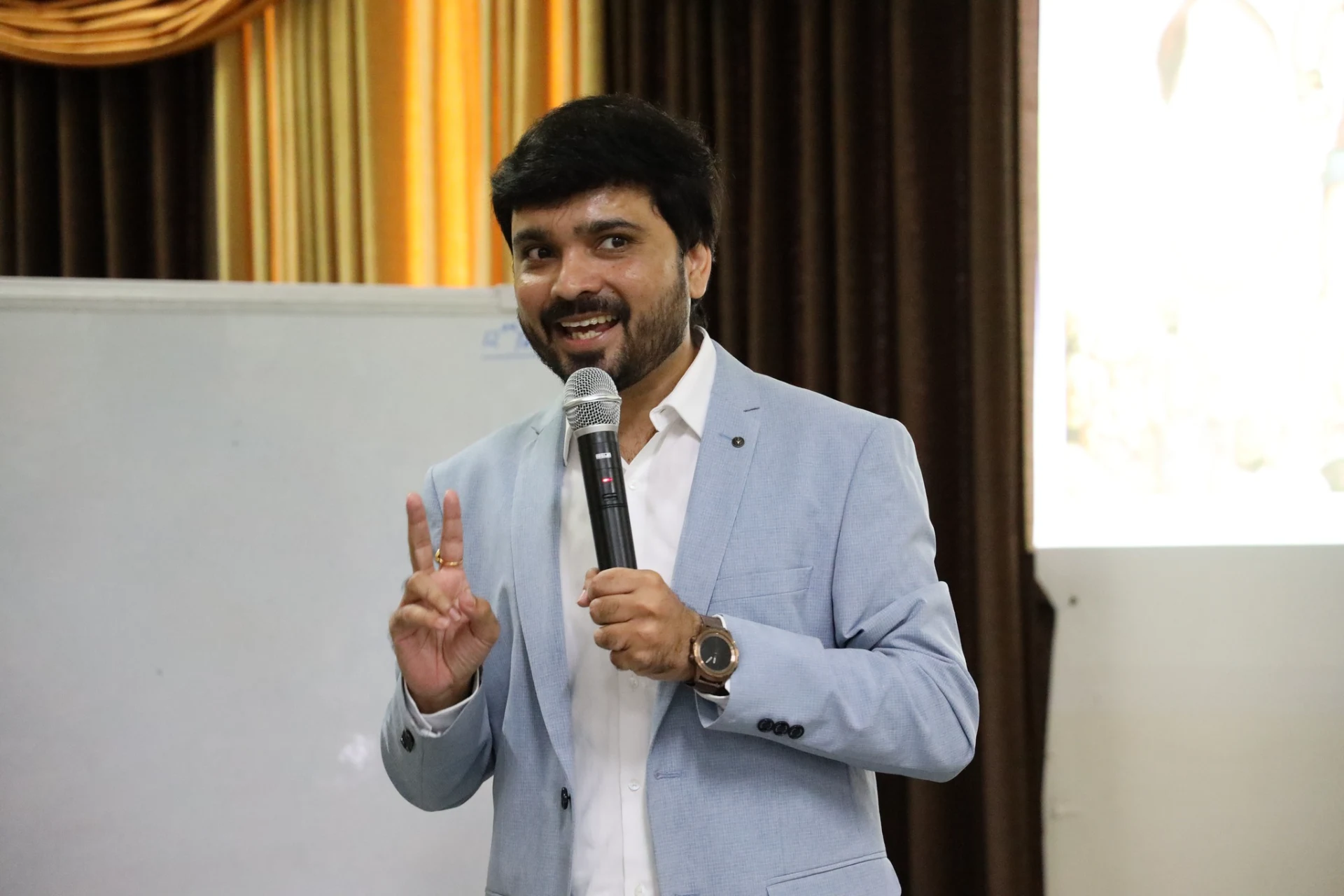
Avinash Chate - Sales Training Specialist motivating sales team
Andre Russell Replaced: Why Loyalty Alone Will Not Protect Your CareerI want to begin with a hard truth. In the corporate world, your past contribution earns respect, but it does not guarantee your future position.
Key takeaway: Loyalty is valuable, but adaptability, visibility, and continued relevance are what protect your career when leadership changes.
When I heard the discussion around Andre Russell and his uncertain future after giving years of service, delivering match-winning performances, and helping build a winning legacy, I did not see only a cricket story. I saw a workplace story that plays out every day across India. A high performer gives everything to an organization. Then a new leader comes in. Priorities shift. Preferences change. Old equations lose power. Suddenly, the person who once seemed untouchable begins to feel replaceable.
As Avinash Chate, I have seen this pattern in training rooms, leadership conversations, and coaching sessions with professionals from 80+ organizations. A manager changes. A department head changes. A business owner changes. And with that one shift, careers that looked stable begin to feel uncertain.
This is why I keep telling professionals across industries: do not build your confidence only on loyalty. Build it on value, relationships, mindset, and the ability to stay relevant.
Why This Story Hits So Hard in Corporate Life
Many employees quietly believe that if they work sincerely for years, their place is secure. It is an emotional assumption, and I understand why people make it. We want work to be fair. We want commitment to be rewarded. We want performance history to matter.
But organizations do not always operate emotionally. They operate through changing business priorities, leadership styles, team structures, and future plans. A new boss may not share the same trust equation that the previous boss had with you. They may value different strengths. They may want a different culture. They may even want to make symbolic changes to signal a new era.
That is why a loyal employee can suddenly feel invisible.
I have met professionals who said, “I gave my best years to this company.” I never doubt their sincerity. But sincerity alone is not a strategy. If your identity is built only on what you did in the past, then any leadership change can shake your confidence.
Your experience gives you credibility. Your current value gives you security.
This is one of the most important lessons I teach in my corporate training programs. If you want long-term growth, you must keep proving your relevance in the present, not just reminding people of your contribution in the past.
What a New Boss Really Changes
When a new leader enters a team, people often focus on titles and reporting structures. But the deeper shift is psychological. The unwritten rules change. The decision-making style changes. The definition of a “good employee” may also change.
One boss may value loyalty and stability. Another may value aggression and speed. One may appreciate silent performers. Another may reward only those who speak up and influence others. One may protect old talent. Another may rebuild the team from scratch.
This is where many professionals struggle. They keep working the old way in a new environment.
As Avinash Chate, I often tell leaders and employees alike that transitions are not just operational events. They are emotional events. People feel uncertainty, fear, resentment, and even betrayal. If these emotions are not handled well, performance drops and trust breaks.
That is why communication matters so much during change. If you want to understand how workplace boundaries and respect shape culture during emotionally charged moments, I recommend reading When a Joke Crosses the Line: What the Ranveer Singh Kantara Controversy Teaches Us About Respect at Work.
A new boss does not only evaluate your skills. They evaluate your attitude, adaptability, influence, and readiness for the future. If you resist every shift, hide behind seniority, or expect automatic importance, you become vulnerable.
How to Stay Relevant When the Ground Beneath You Changes
So what should you do if you feel your role is becoming uncertain? I believe the answer lies in proactive personal leadership.
I use insights from the KITE Leadership Framework to help professionals become stronger during transition. While every situation is different, four habits consistently make people more valuable.
1. Keep learning beyond your current role
Do not become so attached to one identity that you cannot evolve. If you are known only for what you used to do well, your growth stops. Expand your contribution. Build communication skills, people skills, problem-solving ability, and ownership mindset.
2. Build trust across the organization
If only one leader values you, your position is fragile. Build credibility with peers, cross-functional teams, clients, and stakeholders. The more people who can vouch for your value, the stronger your professional standing becomes.
3. Make your contribution visible
I am not talking about self-promotion without substance. I am talking about responsible visibility. Share progress. Take initiative. Speak with clarity. Participate in important discussions. Let your work be known for the right reasons.
4. Strengthen your emotional resilience
Leadership changes can trigger insecurity. But panic weakens judgment. Calm reflection strengthens it. If you react emotionally to every signal, you may damage your own image. Stay steady. Observe. Adapt. Respond with maturity.
These habits are not only for senior leaders. They matter for every professional who wants career stability in uncertain times.
The Dangerous Myth of “They Can Never Replace Me”
One of the biggest career mistakes I see is overconfidence based on history. People start believing they are too important to be moved aside. That mindset is dangerous.
No matter how talented you are, every organization eventually asks one question: what value are you creating now, and what value will you create next?
This is not cruelty. This is reality.
I have worked with teams in sectors where even highly respected contributors had to reinvent themselves to stay relevant. In one engagement connected with Bajaj hospital, I saw how human-centered communication, accountability, and team trust mattered just as much as technical competence in sustaining performance. The people who remained effective were not always the loudest or the oldest. They were the ones who kept growing, collaborating, and aligning with changing expectations.
That is why I say your career should never depend only on your designation, your tenure, or one leader’s support. It should rest on your character, competence, and consistency.
If your value is real, you will continue to find opportunities. If your identity is rigid, even a small shift can feel like a crisis.
What Leaders Must Learn from This Too
This conversation is not only for employees. It is also for leaders. If you are stepping into a new role, be careful how you handle legacy performers. Not every long-serving contributor is outdated. Some simply need clarity, trust, and a fair chance to align.
As a TEDx speaker and author of The Winning Edge, I strongly believe that great leadership is not about replacing people to prove authority. It is about understanding strengths, setting expectations clearly, and creating a culture where performance and respect can coexist.
When leaders make abrupt changes without communication, teams become fearful. When they dismiss experience too quickly, they lose valuable wisdom. When they favor only “their own people,” trust collapses.
Strong leaders know how to balance renewal with respect.
This is why organizations increasingly invest in motivation, team alignment, and leadership development. If you want to understand why this has become so important, read Why Growing Industries Need Corporate Motivational Speakers in 2026 and Motivational Speaker for Waluj MIDC Companies in Aurangabad: Inspiring Auto Component Workers in Chhatrapati Sambhajinagar.
My Final Message: Do Not Fear Change, Prepare for It
If Andre Russell’s situation teaches us anything, it is this: even proven contributors can face uncertainty when the environment changes. That is not a reason to become bitter. It is a reason to become wiser.
As Avinash Chate, I want every professional to remember that career security does not come from comfort. It comes from growth. It comes from emotional maturity. It comes from staying useful, visible, and adaptable.
Do your work with sincerity. Give your best. Be loyal. But do not stop there.
Keep learning. Build strong relationships. Communicate your value. Strengthen your mindset. Prepare for change before change forces you to prepare.
That is how professionals stay strong, even when leadership shifts.
If you want to build a more resilient, motivated, and future-ready team, book a corporate training session with me.
Frequently Asked Questions
Why does a new boss create insecurity for old employees?
A new boss often brings different expectations, priorities, and working styles. Employees who were once highly valued may feel uncertain because the definition of performance and fit can change quickly.
Is loyalty enough to protect a career?
Loyalty is respected, but it is rarely enough on its own. Long-term career security comes from continuous learning, adaptability, strong relationships, and visible contribution.
How can I stay relevant in a changing workplace?
Focus on upgrading your soft skills, improving communication, taking initiative, building trust across teams, and staying emotionally resilient during transitions.
What should leaders do when they inherit an existing team?
Leaders should assess people fairly, communicate expectations clearly, respect past contribution, and create opportunities for team members to align with new goals before making major decisions.
How can corporate training help during leadership change?
Corporate training helps teams improve communication, trust, motivation, adaptability, and leadership readiness. It reduces fear, strengthens alignment, and helps people perform better during uncertainty.
Related Articles by Avinash Chate
- The Mirroring Technique That Helps You Build Trust and Close More Deals
- Motivational Speaker for Pune BPO and KPO Night-Shift Teams — Combating Burnout and Boosting Engagement
- Micro Management vs Ownership: Lessons for Maharashtra's Corporate Leaders
About the Author
Avinash Chate is a TEDx speaker, published author of The Winning Edge and The Unanswered, and founder of The Future Corporate & Business Coaching. With over 15 years of experience training 80+ organizations including Bajaj hospital, JM Aluext Profiles Pvt Ltd, Bhabha Atomic Research Centre, Rajuri Steels, Avinash is recognized as Maharashtra's leading corporate trainer. He created the KITE Leadership Framework and the 25-Star Competency Framework™, delivering high-impact programs across leadership, team building, sales transformation, and emotional intelligence.
📞 +91 8793630001 | ✉️ connect@avinashchate.com | 🌐 avinashchate.com
Book Avinash Chate for Your Next Event
Maharashtra's #1 Corporate Trainer · India's leading Motivational Speaker & Team Building Expert · 2x TEDx · Available across India in English, Hindi & Marathi.
✅ Thanks! Avinash team will reach out within 24 hours.'}).catch(function(e){f.outerHTML='Something went wrong. WhatsApp +91 8793630001
'});return false;"> Select Service Motivational Speaking / Keynote Team Building Workshop Corporate Training / Leadership Development Manager Development Employee Training Outbound Training Book Avinash Now →Or WhatsApp directly: +91 87936 30001
Avinash Chate services
Corporate Trainer in Chhatrapati Sambhajinagar (Aurangabad) · Top Corporate Trainers in Maharashtra · Leadership Trainer in Chhatrapati Sambhajinagar (Aurangabad) · Top Leadership Trainers in Maharashtra · Team Building Trainer in Chhatrapati Sambhajinagar (Aurangabad) · Top Team Building Trainers in Maharashtra · Motivational Speaker in Chhatrapati Sambhajinagar (Aurangabad) · Top Motivational Speakers in Maharashtra · All service locations
← Back to all articles · Book Avinash Chate
By Avinash Chate — Maharashtra’s #1 Corporate Trainer & Motivational Speaker. .