Anger Management for Indian Leaders: Self-Control and Greed in 2026
Two qualities destroy more Indian leadership careers than incompetence ever could: uncontrolled anger and unchecked greed. Here's how India's top leaders master self-control and stay on the path to sustained success in 2026.
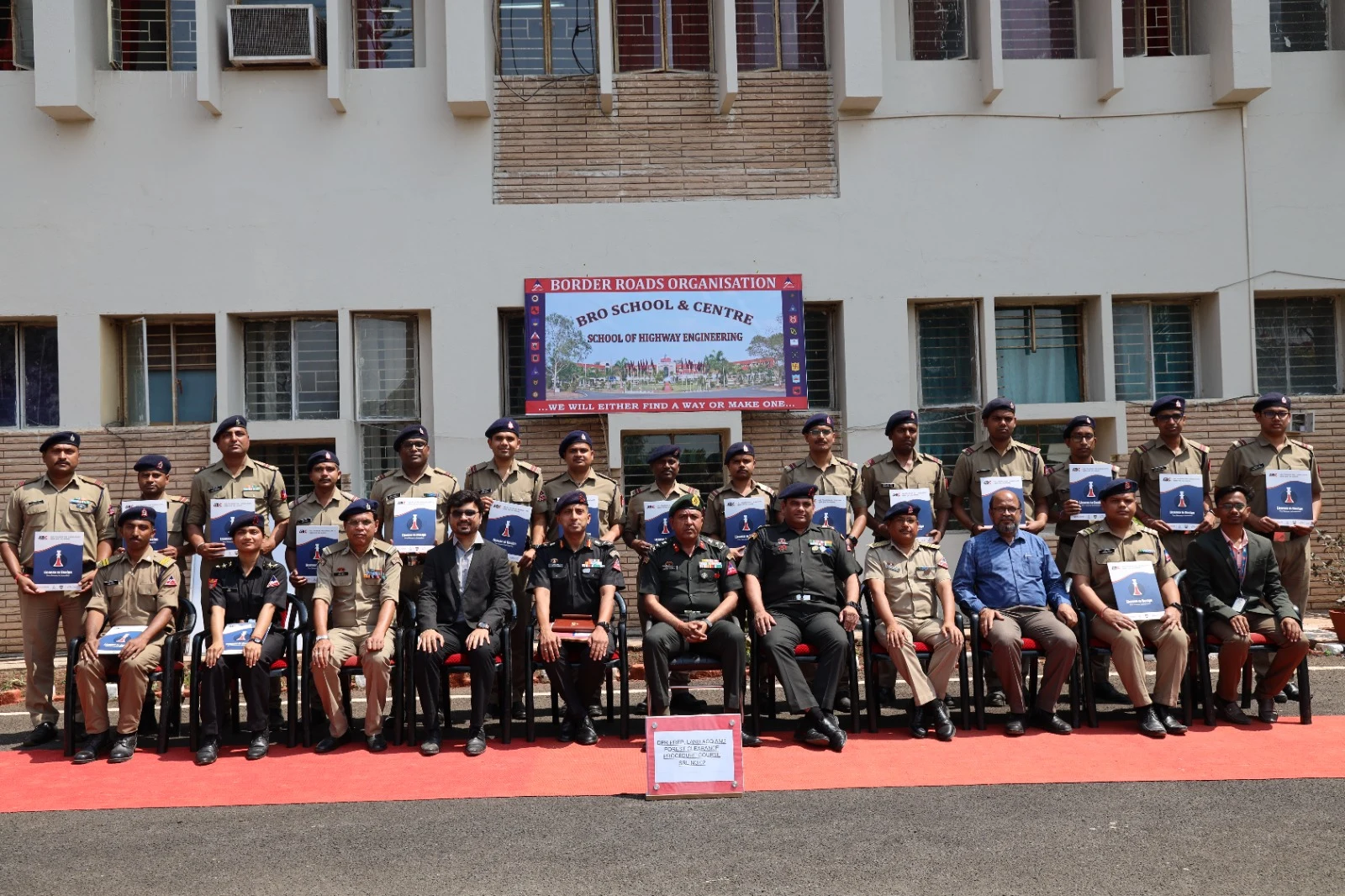
In 20+ years of corporate training across India — from Bajaj Auto to the Indian Army — I've seen more careers derailed by two things than by any skill gap: uncontrolled anger and unchecked greed. Both are character liabilities disguised as personality traits. LinkedIn India 2026 ranks emotional intelligence as the #1 leadership skills gap — and anger and greed management sit at its most difficult and most impactful intersection.
TL;DR- Uncontrolled anger and unchecked greed are the two biggest character liabilities for Indian corporate leaders in 2026
- Anger at the workplace damages team trust, creates fear culture, and is completely recoverable — if you build the right habits
- Greed in leadership is subtler than most think: it shows up as credit hoarding, resource monopolizing, and short-term thinking
- Self-control is a trainable discipline, not an inborn trait — and the most consistent leaders treat it as their most important skill
- Three proven practices to master anger and three to counter greed in your leadership style
Why Anger and Greed Are the Two Biggest Leadership Killers in India's Corporate World
I've trained leaders at L&T, Bosch, Mahindra, and the Indian Army — and the most common reason a genuinely talented leader fails to reach their potential isn't technical incompetence or strategic error. It's character. Specifically, two character vulnerabilities that compound over time and eventually undermine everything else that's been built: uncontrolled anger and unchecked greed. Both are so common in India's corporate culture that many leaders have normalized them. Both are so destructive in the long run that they deserve the same serious development investment as communication skills or strategic thinking.
Understanding Anger in Leadership: When It Helps, When It Destroys, and How to Tell the Difference
Anger in leadership exists on a spectrum. Healthy indignation — the anger at poor quality, at ethical violations, at missed commitments — is a leadership quality that drives standards and accountability. Destructive anger — the eruption at individuals in public, the disproportionate response to small errors, the punitive use of power — damages teams, destroys psychological safety, and creates cultures where people hide problems rather than solving them. The distinction isn't the emotion itself but its expression and proportionality. The great leaders I've worked with feel anger intensely; they simply choose what to do with it before it escapes as behavior.
| Leadership Issue | Uncontrolled Anger | Unchecked Greed | Self-Control Response |
|---|---|---|---|
| How It Shows Up | Eruptions, public criticism, disproportionate reactions | Credit hoarding, resource monopolizing, short-term decisions | Deliberate pause, values-based choices |
| Team Impact | Psychological unsafety, hiding problems, fear culture | Best talent exits to more generous leaders | High trust, open communication, retention |
| Productivity Effect | 26% lower output (Harvard Business Review data) | Innovation suppressed — team doesn't share ideas | 35% improvement in 90 days with training |
| Career Trajectory | Derails despite technical competence | Ceiling effect — talent won't follow greedy leaders | Sustained growth with strong followership |
| Detection Difficulty | Visible — others notice quickly | Subtle — often disguised as ambition | Character Audit exercise reveals patterns |
| Training Approach | 10-second rule, private feedback protocol, anger audit | Credit share, opportunity pass, long-view decision test | Consistent practice over 90 days minimum |
The Cost of Anger in the Workplace: What India's Corporate Culture Loses Every Time a Leader Erupts
Here's a number that should focus every Indian corporate leader's attention: research from Harvard Business Review shows that employees exposed to regular leader anger eruptions have 26% lower productivity, 44% lower quality of work, and are 3x more likely to exit within 12 months. In India's talent market — where LinkedIn India 2026 data shows the tech sector alone is facing 40%+ attrition — the cost of an anger-prone leadership culture is enormous and directly quantifiable. Every eruption is a talent retention risk that compounds into an organisational capability loss measured in lakhs of rupees of recruitment, onboarding, and knowledge transfer cost.
Greed in Leadership: How Unchecked Ambition Becomes a Career and Culture Liability
Greed in leadership is subtler and more socially acceptable than anger — which makes it more dangerous. It shows up in forms that are often initially praised: the leader who claims all the credit for team success; who monopolizes the most interesting projects; who optimizes for their own advancement at the expense of team members' growth; who makes decisions based on personal financial gain rather than organisational health. These are all expressions of greed — and every one of them is a leadership liability. I've worked with senior executives at Indian unicorns who were brilliant strategists and genuinely greedy in their leadership behavior. Without exception, their teams' best talent eventually left for leaders who were more generous.
Mastering Self-Control: Why India's Most Respected Leaders Are Disciplined, Not Just Talented
Self-control is not the suppression of who you are — it's the expression of who you choose to be. The most consistent leaders I've trained across India — from JSW's senior management to BRO's commissioned officers — share a common quality: they have strong values about how they want to behave, and those values are strong enough to regulate their behavior even when their emotions run in the opposite direction. That's what self-control actually looks like in practice. It's not never feeling angry or never wanting more — it's having something you believe in strongly enough that you choose behavior over impulse, every time. This is trainable. NASSCOM data shows leaders who undergo emotional regulation training show 35% improvement in self-reported self-control within 90 days.
How I Address Anger and Greed Management in Corporate Training at L&T, Bosch, and the Indian Army
In my corporate training sessions at L&T, Bosch, and the Indian Army, I address anger and greed through what I call the Character Audit: a structured exercise where leaders identify their top three situations that trigger disproportionate anger, and their top three situations where they've noticed greedy patterns in their decision-making. Most leaders have never done this honest inventory. The awareness it creates is the first and most powerful step — because self-control failures are almost always predictable patterns, not random events. Once you know your specific triggers and your specific greed patterns, you can design behavioral protocols for exactly those situations.
Your Action Plan: Three Practices to Master Anger and Three to Counter Greed Starting This Week
Here's your practical action plan: three practices to master anger and three to counter greed, starting this week. Anger practice 1: the 10-second rule — before responding to anything that triggers strong negative emotion at work, take 10 seconds of deliberate breath before speaking. Anger practice 2: private feedback protocol — when you need to address someone's underperformance, do it privately, specifically, and with a solution focus — not a blame focus. Anger practice 3: the anger audit — at the end of each week, note one situation where you felt anger at work and ask: was my response proportionate? Greed counter 1: the credit share — actively credit one team member publicly every week for a contribution that helped the team. Greed counter 2: the opportunity pass — deliberately offer one growth opportunity to a team member instead of taking it yourself. Greed counter 3: the long-view decision test — before any major decision, ask: 'In 5 years, will I be proud of how I made this decision?' Self-control in leadership isn't a constraint on your ambition — it's the foundation it stands on.
Book Avinash Chate for Your Next Event
TEDx speaker. 11+ yrs training Army, BRO, RBI, BARC, JSW. Available for keynotes, leadership training, team building & manager development at your office or event venue.
✅ Thanks! Avinash team will reach out within 24 hours.'}).catch(function(e){f.outerHTML='Something went wrong. WhatsApp +91 8793630001
'});return false;">Select ServiceKeynote / Motivational SpeakingLeadership Development TrainingTeam Building WorkshopManager DevelopmentEmployee TrainingOutbound TrainingBook Avinash Now →Or WhatsApp directly: +91 87936 30001
Related Articles by Avinash Chate
- Why Manufacturing Industry is Difficult to Start in India: 5 Key Challenges
- Ajit Agarkar's 21-Ball ODI Fifty Against Zimbabwe: The Silent Performer's Career Blueprint
- Clive Lloyd's 1975 World Cup Final Leadership: How Bold Captaincy Wins Under Pressure
Avinash Chate TEDx Speaker · Founder, The Future Corporate · 11+ yrs experience Avinash has trained Indian Army, BRO, RBI, BARC, JSW Steel and 1000+ corporate leaders across India. His work focuses on leadership development, communication skills, and behavioural training rooted in Indian values and modern business needs. |
Frequently Asked Questions
Why are anger and greed the two biggest leadership character liabilities in India's corporate world?
Anger and greed are the two biggest leadership character liabilities because they undermine the trust and followership that effective leadership requires — regardless of technical competence. Anger, when uncontrolled, creates fear-based team cultures where people hide problems rather than solving them. Greed, when unchecked, drives away the best talent who have options to work for more generous leaders. Both patterns compound over time: a technically brilliant leader with uncontrolled anger or unchecked greed consistently underperforms a less technically gifted leader with strong character, because character determines the quality of team, culture, and decision-making you attract and sustain.
How does uncontrolled anger affect team productivity and retention in Indian organisations?
Uncontrolled anger has measurable, severe effects on Indian team performance. Harvard Business Review research shows employees exposed to regular leader anger eruptions have 26% lower productivity, 44% lower quality of work, and are 3x more likely to leave within 12 months. In India's high-attrition corporate environment — where technical talent replacement costs 6-12 months of salary — anger-prone leadership creates a direct, quantifiable financial liability. Beyond attrition, anger creates psychological unsafety: teams stop sharing bad news, stop raising risks, and stop offering creative ideas, all of which directly impairs the organisation's ability to correct course and innovate.
What does unchecked greed look like in Indian corporate leadership and how can it be addressed?
Unchecked greed in Indian corporate leadership appears most commonly in four forms: credit hoarding (claiming team achievements as individual), opportunity monopolizing (taking the most interesting projects regardless of team development needs), decision-making for personal financial advantage (optimizing personal gain at the expense of organisational health), and attention starvation (failing to invest in team members' growth because it might create competition). The corrective approach begins with the Character Audit: identifying specific situations where greedy patterns emerge, then building deliberate behavioral protocols for those exact situations — credit sharing, opportunity passing, and the long-view decision test.
How can Indian leaders develop better self-control to manage anger and curb greedy patterns?
Indian leaders develop better self-control over anger and greed through the three-part practice framework. For anger: the 10-second deliberate pause before responding to triggers (creates space between impulse and behavior); the private feedback protocol (addressing underperformance privately, specifically, with solution focus); and the weekly anger audit (identifying patterns and testing proportionality of responses). For greed: the credit share habit (publicly crediting one team member weekly); the opportunity pass (offering growth opportunities to team members instead of taking them yourself); and the long-view decision test (asking whether you'd be proud of this decision in 5 years). NASSCOM research shows consistent practice of emotional regulation techniques produces 35% improvement in self-reported self-control within 90 days.
Avinash Chate services
Corporate Trainer in Maharashtra · Top Corporate Trainers in Maharashtra · Leadership Trainer in Maharashtra · Top Leadership Trainers in Maharashtra · Team Building Trainer in Maharashtra · Top Team Building Trainers in Maharashtra · Motivational Speaker in Maharashtra · Top Motivational Speakers in Maharashtra · All service locations
← Back to all articles · Book Avinash Chate
By Avinash Chate — Maharashtra’s #1 Corporate Trainer & Motivational Speaker. .