Are You a Giver, Matcher or Taker? 3 Employee Types India 2026
Givers drive teams forward, Matchers play it safe, Takers drain energy. Learn which of 3 employee types shapes Indian office culture—and what to do about it.
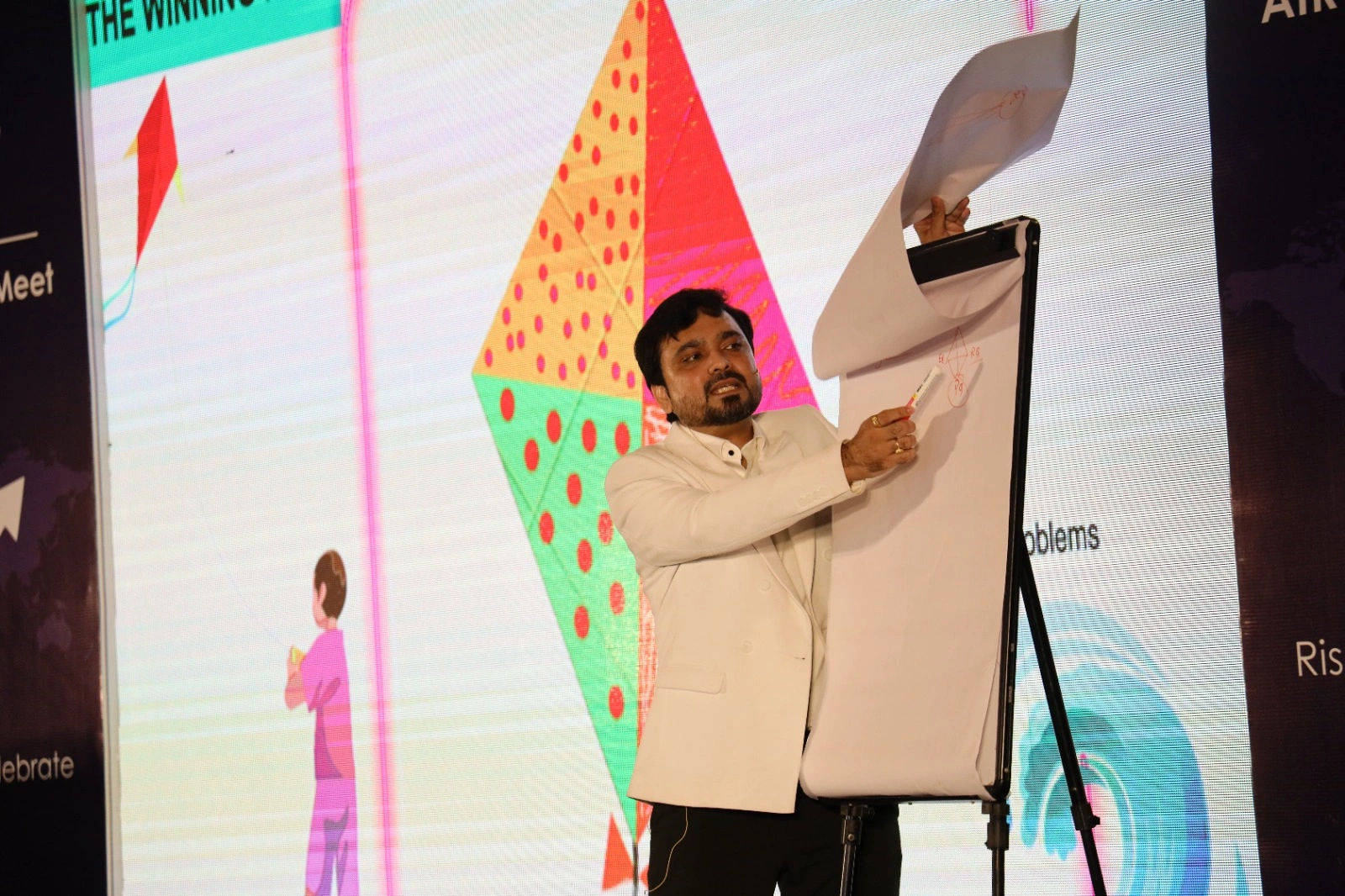
Here's the thing — in every Indian boardroom I've walked into, from Bajaj Auto to JSW to KPIT, three types of people show up. According to NASSCOM-Deloitte, India needs 1.25 million AI-ready professionals by 2027, but our biggest gap isn't skills — it's mindsets. Givers build cultures. Matchers maintain them. Takers destroy them.
TL;DR- Every organisation has 3 types: Givers who create value freely, Matchers who keep score, and Takers who only extract
- Givers deliver the highest team output but burn out without protection from Taker behaviour
- Matchers — the silent majority — are fair but won't take the risks needed to make a team truly great
- Takers create office politics, backstabbing, and the negativity that kills team morale in Indian workplaces
- Build a Giver-dominant culture by spotting each type early and rewarding contribution over self-promotion
What Are Givers, Matchers, and Takers in an Indian Workplace?
In every organisation I've trained — from Mahindra to KPIT to the Indian Army — the same three mindsets keep appearing. Givers freely share knowledge, mentor others, and put team success ahead of personal credit. Matchers operate on fairness: I'll help if you help me. Takers extract value — credit, visibility, opportunities — while giving back as little as possible. Adam Grant's research at Wharton confirmed this, and I've seen it play out in hundreds of boardrooms across Maharashtra and India over the past decade.
How Givers Elevate Team Performance — and Why They Sometimes Finish Last
Trust me — Givers are statistically the highest performers, but they carry a real risk. In organisations that don't protect Givers, Takers drain them completely. The research is clear: Givers fill both the top and the bottom of performance charts. Those who burn out are giving to Takers who never reciprocate. Those who thrive are giving smartly — to teams that return value. At Tata Tech, the people most willing to share what they know are always the ones everyone wants to work with. That's the Giver advantage.
The Matcher Majority: Why Playing It Safe Limits Indian Teams
The uncomfortable truth? Most people — around 56% in any organisation — are Matchers. Fair, balanced, transactional. They'll help you if they believe you'll return the favour. It's not a bad trait, but it limits transformational growth. At Bosch, when I run leadership programs, Matchers often make the best middle managers — consistent, fair, reliable. But the culture and innovation you actually want? That comes from Givers at the top who set the tone for everyone beneath them. Matchers follow the leader — so choose your Givers carefully.
| Type | Core Behaviour | Impact on Team | % in Typical Indian Org |
|---|---|---|---|
| Giver | Shares freely, credits others, mentors juniors | Highest team performance when protected | ~25% |
| Matcher | Fair exchange, reciprocal, keeps score | Stable performance but limits innovation | ~56% |
| Taker | Claims credit, avoids giving, self-first always | Erodes trust, creates politics and attrition | ~19% |
How Takers Create Office Politics and Destroy Team Trust
Here's how you spot a Taker: they always need credit, they avoid helping colleagues unless there's something visible in it for them, and they talk about what they've contributed rather than what the team achieved. In Indian workplaces, Takers often mask their behaviour with office politics — forming alliances, undermining peers quietly, gaming performance reviews. The damage is real: a single Taker in a 10-person team can reduce that team's willingness to collaborate by over 30%, according to Harvard research on team dynamics and trust.
How to Spot All Three Types in Your Own Team or Department
What most people don't realise is that you can map your own team's mindset composition in a single workshop session. Watch who volunteers to help when there's no reward attached. Watch who deflects credit to others vs. who claims it. Watch who gets genuinely excited by a colleague's win vs. who seems quietly threatened by it. At Bajaj Auto and L&T, we've used structured peer feedback tools to identify these patterns — and the results shift how managers lead their teams within 30 days of the exercise.
Building a Giver-Friendly Culture in Indian Companies
The good news is — you can shift culture. I've done it at JSW Steel, Ferrero, and RBI. Here's the playbook: First, make Giver behaviour visible. Celebrate the person who helped the new joiner, not just the person who closed the deal. Second, screen for Taker patterns during hiring with scenario-based questions about giving credit and helping others. Third, protect your Givers. If a Taker is draining your best contributor, intervene early. Culture is built one protected Giver at a time — and it compounds fast.
Real Lessons from Maharashtra's Corporate Boardrooms
At one of my sessions with a Pune-based manufacturing firm — 400 leaders in a single hall — I asked: "How many of you have worked with a Taker who rose faster than you?" Every hand went up. Then I asked: "How many of you had a Giver-mentor who changed your career?" Same result. The system rewards Takers short-term, but Giver-led cultures win the decade. Maharashtra's top companies know this. The ones struggling with attrition and low engagement? They haven't made this mindset shift yet — but they will have to.
Book Avinash Chate for Your Next Event
TEDx speaker. 11+ yrs training Army, BRO, RBI, BARC, JSW. Available for keynotes, leadership training, team building & manager development at your office or event venue.
✅ Thanks! Avinash team will reach out within 24 hours.'}).catch(function(e){f.outerHTML='Something went wrong. WhatsApp +91 8793630001
'});return false;">Select ServiceKeynote / Motivational SpeakingLeadership Development TrainingTeam Building WorkshopManager DevelopmentEmployee TrainingOutbound TrainingBook Avinash Now →Or WhatsApp directly: +91 87936 30001
Related Articles by Avinash Chate
- Why Manufacturing Industry is Difficult to Start in India: 5 Key Challenges
- Ajit Agarkar's 21-Ball ODI Fifty Against Zimbabwe: The Silent Performer's Career Blueprint
- Clive Lloyd's 1975 World Cup Final Leadership: How Bold Captaincy Wins Under Pressure
Avinash Chate TEDx Speaker · Founder, The Future Corporate · 11+ yrs experience Avinash has trained Indian Army, BRO, RBI, BARC, JSW Steel and 1000+ corporate leaders across India. His work focuses on leadership development, communication skills, and behavioural training rooted in Indian values and modern business needs. |
Frequently Asked Questions
What is the difference between a Giver, Matcher, and Taker at work?
A Giver contributes freely without expecting immediate return — mentoring, sharing knowledge, crediting others. A Matcher operates on reciprocity: I'll help if you help me. A Taker extracts value from others while giving back as little as possible. Research by Adam Grant at Wharton shows Givers occupy both the top and bottom of performance charts — those at the top learned to give wisely, while those at the bottom gave to Takers who never reciprocated.
Why do Takers sometimes get promoted faster in Indian companies?
In short-term oriented organisations, Takers rise fast because they're skilled at self-promotion, credit-claiming, and political manoeuvring. They look impressive in performance reviews because they know how to highlight their own contribution and downplay others. In Indian corporate culture, where visibility to senior leaders matters greatly, Takers exploit this system. The damage shows in attrition, collaboration scores, and innovation — usually 12–18 months after the Taker's promotion.
How can a manager identify Takers in their team?
Look for consistent patterns: Does this person claim credit in group settings? Do they help colleagues only when there's a visible reward? Are they reluctant to mentor junior team members? Do they form alliances rather than build genuine trust? In my corporate training sessions, I use a simple exercise: ask team members to anonymously name the colleague who helped them most this quarter. Takers are almost never named. Givers are named repeatedly by multiple people.
What is a Giver-friendly workplace and how do I build one in India?
A Giver-friendly workplace is one where helping behaviour is recognised and rewarded — not just individual results. It starts with leaders. If the manager thanks the person who supported three colleagues' success — not just the top salesperson — you signal that giving matters. Add peer recognition tools, protect Givers from Taker exploitation, and screen for values during hiring. I've built Giver cultures at JSW Steel, Ferrero, and Siemens — it takes 90 days of consistent signalling to shift a team's DNA.
Avinash Chate services
Corporate Trainer in Maharashtra · Top Corporate Trainers in Maharashtra · Leadership Trainer in Maharashtra · Top Leadership Trainers in Maharashtra · Team Building Trainer in Maharashtra · Top Team Building Trainers in Maharashtra · Motivational Speaker in Maharashtra · Top Motivational Speakers in Maharashtra · All service locations
← Back to all articles · Book Avinash Chate
By Avinash Chate — Maharashtra’s #1 Corporate Trainer & Motivational Speaker. .