Blockbuster Laughed at Netflix's $50 Million Price Tag — Then Went Bankrupt
In 2000, Blockbuster's CEO laughed when Netflix offered to sell for $50 million. Today Netflix is worth $150 billion and Blockbuster is gone. Avinash Chate explains what Indian business leaders must learn from this.
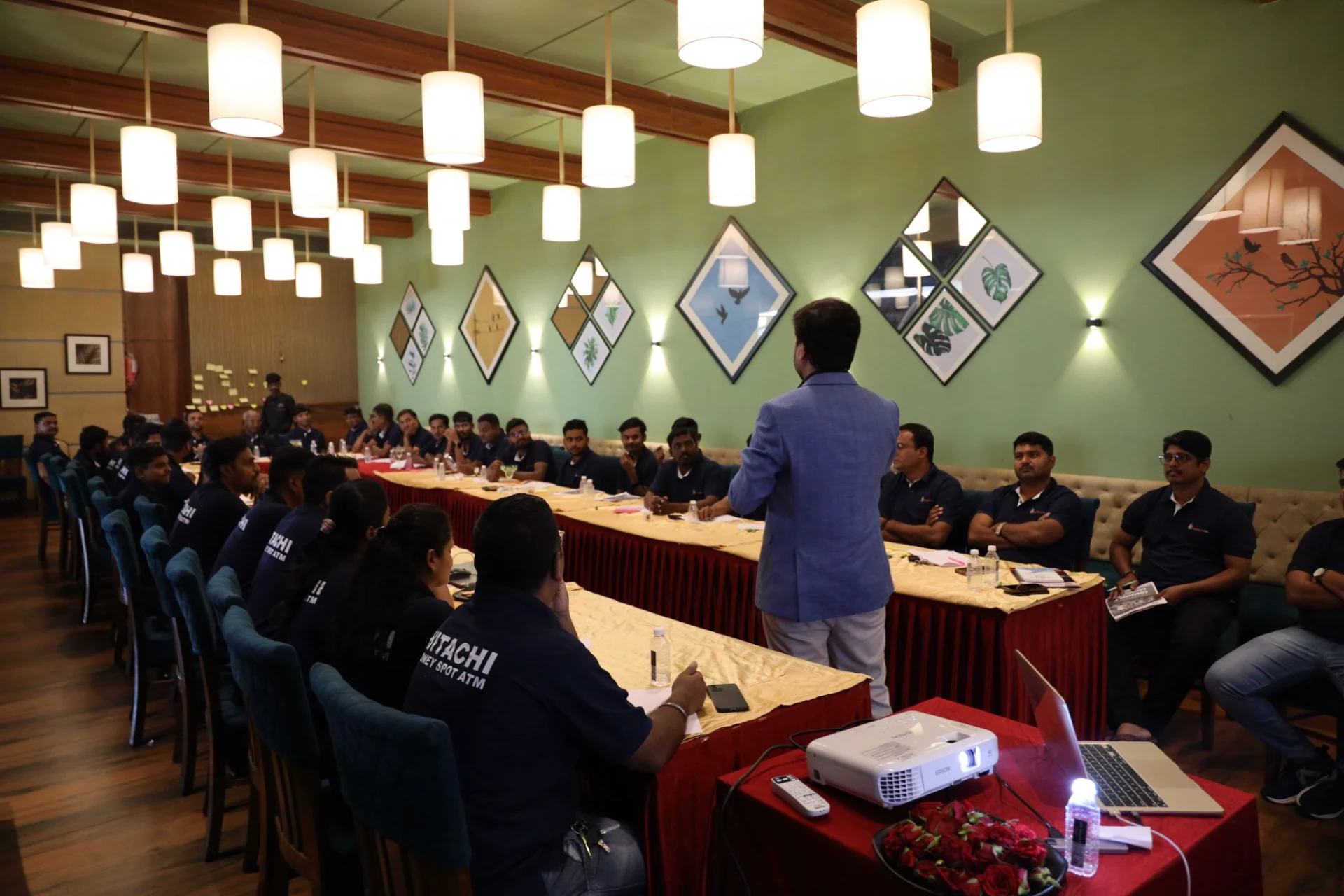
In 2000, Netflix walked into Blockbuster's office and said: buy us for $50 million. The CEO laughed and showed them the door. Today Netflix is worth over $150 billion — and Blockbuster is gone. When I share this story in leadership workshops at Bajaj Auto, KPIT, or Siemens, I use it to make one point: India's 250+ unicorn ecosystem means disruption is no longer theoretical — arrogance, denial, and mocking what you don't understand can destroy even the most dominant companies.
TL;DR- In 2000, Blockbuster could have bought Netflix for $50 million — their CEO laughed and said it was a joke
- Today Netflix is worth over $150 billion and Blockbuster no longer exists — arrogance cost everything
- The three killers were arrogance, denial of disruption, and mocking innovation they did not understand
- Indian business leaders face the same risk when dismissing new business models, technologies, or competitors
- Building an innovation-driven culture is not optional — it is the survival requirement for Indian companies in 2026
The Day Blockbuster Laughed at the $50 Million Netflix Offer — and What Happened Next
The year was 2000. Netflix had 300,000 subscribers, was losing money, and desperately needed a partnership. Its founders flew to Dallas and made Blockbuster a proposal: acquire us for $50 million. At the time, Blockbuster had 60,000 employees, 9,000 stores, and $6 billion in annual revenue. Their CEO reportedly laughed. He told the Netflix founders that they had a niche, unproven model and showed them the door. Within a decade, Blockbuster had filed for bankruptcy. Netflix today is worth over $150 billion and has changed how the entire world consumes entertainment.
Why Arrogance Is the Most Expensive Mistake a Dominant Company Can Make
Here's the thing about arrogance in business — it does not feel like arrogance from the inside. It feels like confidence. It feels like experience. It feels like knowing your market better than some startup with an unproven model. Blockbuster's leadership team was not stupid. They were experienced, successful, and deeply knowledgeable about the video rental business. That success was precisely the trap. When you have dominated an industry for years, it becomes structurally difficult to take seriously anything that challenges the model that made you dominant. This is the arrogance trap, and it kills companies that look unbeatable from the outside.
| Factor | Blockbuster (2000) | Netflix (2000) |
|---|---|---|
| Revenue | $6 billion annually | Loss-making, 300K subscribers |
| Stores/Presence | 9,000 stores, 60,000 employees | Online-only, small team |
| Leadership response | Laughed, dismissed, denied | Adapted, iterated, scaled |
| 2010 status | Filed for bankruptcy | Global streaming leader |
| Today's valuation | Does not exist | Over $150 billion |
How Denial and Mocking Innovation Destroyed Blockbuster's $5 Billion Empire
What most people don't realize is that Blockbuster was given multiple chances to adapt. In 2000 they could have acquired Netflix. In 2002 they launched a digital strategy that was quietly killed by internal politics. In 2004 their CEO had a plan to compete with Netflix online, but the board replaced him with a leader who wanted to protect the store-based revenue model. Each of these moments was a denial — a conscious or unconscious refusal to accept that the future would not look like the past. By the time the denial became undeniable, the momentum had shifted entirely to Netflix.
The Three Corporate Killers That Ended Blockbuster: Arrogance, Denial, and Complacency
The three corporate killers that ended Blockbuster map directly onto what I see in Indian companies today. Arrogance — the belief that market leadership is a permanent state rather than a condition that must be continuously earned. Denial — the refusal to take seriously competitors or trends that challenge your existing model. And complacency — the slow erosion of urgency that happens when success has been consistent for too long. I see these three patterns in manufacturing firms in Pune, in BFSI companies in Mumbai, and in technology companies in Bengaluru and Hyderabad. They are not sector-specific. They are leadership-specific.
What Indian Business Leaders Must Learn From Blockbuster's Fall Right Now
Indian business leaders face a version of the Blockbuster dilemma right now. The ₹1.5 trillion Indian L&D market is being disrupted by AI-powered learning platforms. Traditional manufacturing is being disrupted by Industry 4.0 automation. Banking is being disrupted by fintech and UPI-native players. The leaders who respond to these disruptions with curiosity, adaptation, and investment in new capabilities will own the next decade. The leaders who laugh them off — or delegate them to junior innovation committees with no authority — are writing the Indian version of the Blockbuster story in real time.
How to Build an Innovation-Driven Culture That Prevents the Blockbuster Mistake in India
Building an innovation-driven culture requires specific, non-trivial leadership actions. It starts with creating safe forums where ideas that challenge existing models can be raised without the person being dismissed or sidelined. It continues with investing in structured exposure to disruptive trends — not just reading reports, but meeting the disruptors, visiting startups, and doing proof-of-concept work before competitors force the pace. And it requires leaders who publicly reward curiosity and experimentation, even when experiments fail. This is what I help leadership teams build at Bosch, Infosys, and Tata Tech — an organisational muscle for innovation that does not need a crisis to activate.
Adapt or Die: Why the Blockbuster Lesson Is More Urgent for India in 2026 Than Ever
The Blockbuster lesson is not about technology — it is about the human instinct to protect what has worked. Adaptation is not natural. Complacency is. Curiosity must be cultivated deliberately, especially in organisations that have been successful for a long time. The good news is, building this capacity is completely possible with the right leadership development investment. The bad news is, waiting until a competitor has already taken your market share is always too late. Act before you have to. That is the only lesson Blockbuster's ₹37,000 crore collapse needed to teach — and it is the most important lesson for Indian business leaders in 2026.
Book Avinash Chate for Your Next Event
TEDx speaker. 11+ yrs training Army, BRO, RBI, BARC, JSW. Available for keynotes, leadership training, team building & manager development at your office or event venue.
✅ Thanks! Avinash team will reach out within 24 hours.'}).catch(function(e){f.outerHTML='Something went wrong. WhatsApp +91 8793630001
'});return false;">Select ServiceKeynote / Motivational SpeakingLeadership Development TrainingTeam Building WorkshopManager DevelopmentEmployee TrainingOutbound TrainingBook Avinash Now →Or WhatsApp directly: +91 87936 30001
Related Articles by Avinash Chate
- Karoly Takacs: Lost His Right Hand in 1938, Won Olympic Gold in 1948 With His Left
- Why Most Team Building Activities Fail: It's Not the Games, It's the Gaps
- One Thank You That Says It All: Inside the Sahakari Bank Majalgaon Session
Avinash Chate TEDx Speaker · Founder, The Future Corporate · 11+ yrs experience Avinash has trained Indian Army, BRO, RBI, BARC, JSW Steel and 1000+ corporate leaders across India. His work focuses on leadership development, communication skills, and behavioural training rooted in Indian values and modern business needs. |
Frequently Asked Questions
Why did Blockbuster refuse to buy Netflix for $50 million in 2000?
Blockbuster refused to buy Netflix because their leadership suffered from classic market-leader arrogance — the belief that their dominance was permanent and that an unproven online rental model posed no real threat. The CEO reportedly laughed at the offer, viewing Netflix as a niche player irrelevant to Blockbuster's core customer base. This decision was not irrational given the information available, but it was fatally arrogant — it assumed the future would continue to reward the same model that had created Blockbuster's past success.
What are the three corporate killers that destroyed Blockbuster's $6 billion empire?
The three corporate killers that destroyed Blockbuster were arrogance — the belief that market leadership is permanent rather than earned continuously; denial — the repeated refusal to accept that digital distribution would replace physical rental stores; and complacency — the slow erosion of urgency that occurs when success has been consistent for too long. These three killers work together: arrogance creates the conditions for denial, and denial enables complacency to solidify until the disruption is undeniable and also too late to respond to.
How can Indian business leaders avoid making the same mistakes as Blockbuster?
Indian business leaders can avoid the Blockbuster mistake by building three specific habits: First, take disruptive competitors seriously even when they look small and unproven — Netflix had 300,000 subscribers when Blockbuster laughed. Second, create internal forums where ideas challenging the existing business model are welcomed rather than dismissed. Third, invest in adaptation before a crisis forces it — proactive innovation capacity building is always cheaper than reactive crisis management. Avinash Chate recommends structured innovation culture workshops as a preventive measure for established Indian companies.
What does the Blockbuster vs Netflix story teach about corporate training and innovation culture?
The Blockbuster versus Netflix story teaches that corporate training must go beyond skills and processes to address the leadership mindsets that drive strategic decisions. Innovation culture training must specifically target arrogance, denial, and complacency — not as character flaws but as organizational patterns that emerge from success. In corporate training sessions at Bosch, Infosys, and Tata Tech, Avinash Chate uses case studies like Blockbuster to help leadership teams recognize their own version of these patterns before disruption makes the consequences undeniable and irreversible.
Avinash Chate services
Corporate Trainer in Maharashtra · Top Corporate Trainers in Maharashtra · Leadership Trainer in Maharashtra · Top Leadership Trainers in Maharashtra · Team Building Trainer in Maharashtra · Top Team Building Trainers in Maharashtra · Motivational Speaker in Maharashtra · Top Motivational Speakers in Maharashtra · All service locations
← Back to all articles · Book Avinash Chate
By Avinash Chate — Maharashtra’s #1 Corporate Trainer & Motivational Speaker. .