Cheated in Business: How M-Tech's Mr. Gandhi Turned Betrayal Into a ₹170 Crore Comeback
Mr. Gandhi of M-Tech Innovations was cheated in business — and turned it into one of the most powerful lessons on trust, verification, and resilience on India's entrepreneurial journey to ₹170 crore.
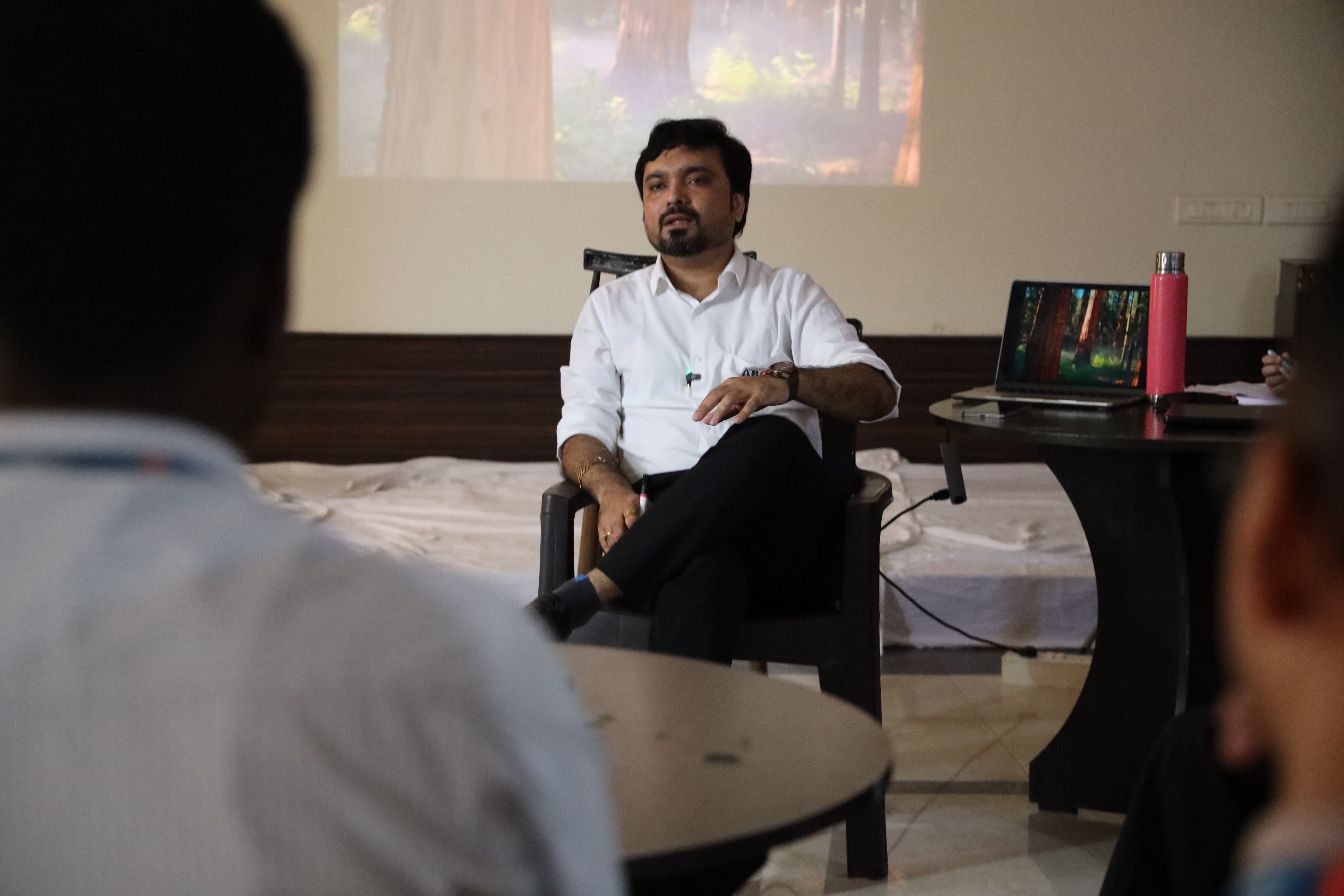
India has crossed 250+ unicorns and a ₹1.5 trillion L&D market — yet nobody trains entrepreneurs for the experience that tests their resolve most brutally: being cheated by someone they trusted. Mr. Gandhi, founder of M-Tech Innovations and builder of a ₹170 crore technology company, has lived through exactly this. His story of business betrayal — and how he converted it into the resilience that powered his comeback — is the lesson every Indian entrepreneur needs before they need it.
TL;DR- Mr. Gandhi of M-Tech Innovations was cheated in business — and turned the experience into a masterclass on trust, verification, and entrepreneurial resilience on the way to ₹170 crore
- Trust is essential in business — but verification is not a betrayal of trust, it is the professional standard that protects both parties
- The red flags of business betrayal are almost always visible in advance — Indian entrepreneurs must train themselves to read them
- Setbacks don't define your entrepreneurial journey — how quickly and clearly you recover from them does
- Avinash Chate's framework for building a betrayal-resilient business culture in India 2026
Mr. Gandhi's Business Betrayal: What Happened and What He Learned
Mr. Gandhi, founder of M-Tech Innovations Ltd., has built a ₹170 crore technology company through years of growth, expansion, and — at a critical moment in the business — a direct experience of being cheated by someone he trusted. The details of the specific incident matter less than what he extracted from it: a set of principles about trust, verification, red flags, and recovery that have informed how he builds and protects M-Tech Innovations to this day. The lesson isn't to stop trusting people. The lesson is to trust wisely — which means verifying consistently, reading warning signals early, and knowing how to recover your momentum when the system fails despite your best efforts.
Why Business Betrayal Is More Common in India Than Entrepreneurs Admit
Here's the thing that most Indian entrepreneurs don't want to admit: business betrayal is far more common in India's entrepreneurial ecosystem than the public narrative acknowledges. India's startup culture celebrates partnership, collaboration, and network-driven growth — which are genuine strengths. But the same relational closeness that enables India's business networks also creates conditions where trust is extended informally, documentation is light, and the signals of impending betrayal are filtered through the desire to preserve relationships. I've spoken with hundreds of entrepreneurs in my training programs — at companies from Pune to Bengaluru — and the experience of being cheated by a partner, a vendor, a distributor, or an early hire is almost universally common. What's less common is the structured learning that should follow it.
Trust Is Essential — But Verification Is Not Optional
What most people don't realize is that trust and verification are not opposites — they are complementary professional standards. Trusting someone means believing in their fundamental honesty and intention. Verifying their work, their claims, and your agreements means creating clear shared accountability for outcomes. These are not conflicting behaviors. In fact, the most trustworthy people in any business ecosystem are often the ones who most actively welcome verification — because they have nothing to hide and understand that clarity protects both parties. The entrepreneurs who conflate verification with distrust — who feel that asking for documentation or reference checks signals a lack of faith in a partner — are the ones most vulnerable to exploitation.
| Red Flag Signal | What It Looks Like | What It Means | Protective Response |
|---|---|---|---|
| Vagueness About Outcomes | Deflects questions about deliverables, timelines, or financial terms | Partner doesn't want accountability for specifics | Require written scope with measurable outcomes before proceeding |
| Urgency Without Substance | Pressure to commit quickly before due diligence is complete | Classic manipulation to prevent proper evaluation | Slow down — legitimate opportunities survive scrutiny |
| Words vs Behavior Inconsistency | Talks about trust but resists documentation or clarity | Shows which they actually value: words or accountability | Insist on written agreement; observe reaction carefully |
| Unverifiable References | Claims credibility that cannot be independently confirmed | Credibility that can't be checked doesn't exist | Contact references directly; verify in the relevant context |
| Reluctance to Stage Commitments | Insists on full upfront commitment of money, time, or reputation | Removes your ability to course-correct before full exposure | Break into stages; only commit the next tranche after verifying results |
The Red Flags That Warn You Before the Betrayal Happens
The red flags of business betrayal are almost always visible before the betrayal happens. My experience training entrepreneurs across India identifies the most consistent warning signals. First, vagueness about outcomes — a partner who consistently deflects requests for clarity on deliverables, timelines, or financial arrangements is signaling that they don't want to be held to specifics. Second, urgency without substance — pressure to make decisions or commitments quickly, before proper due diligence is possible, is a classic manipulation pattern. Third, inconsistency between words and behavior — a partner who talks about trust while resisting the documentation that operationalizes it is showing you which one they actually value. Fourth, reluctance to provide verifiable references — credibility that can't be checked is credibility that doesn't exist.
How to Deal With Business Betrayal Without Losing Your Momentum
When business betrayal does occur — as it will for most entrepreneurs, regardless of how carefully they manage their relationships — the most important priority is recovering momentum rather than maximizing the legal and financial response. This is counterintuitive. The instinct after betrayal is to fight — to pursue every avenue of recovery, to publicly expose what happened, to make sure the person who cheated you pays the full price. These responses are understandable. They are also, in most cases, energy-expensive and outcome-poor. The better choice — the one Mr. Gandhi made after his own experience of betrayal — is to extract the maximum learning, implement the structural changes that would have prevented the betrayal, and redirect your energy toward building rather than fighting.
Turning Setbacks Into Comebacks: The M-Tech Innovations Recovery Approach
The M-Tech Innovations recovery approach after business betrayal follows a clear sequence. First, damage assessment — what specifically was lost, in terms of money, time, relationships, and organizational trust? Second, structural gap analysis — what specific practice or system's absence created the vulnerability? Third, implementation — what specific change prevents this from recurring? Fourth, forward focus — what is the next milestone that, if achieved, will restore the business's momentum and the leader's own confidence? This sequence converts a betrayal experience from a source of ongoing anger and loss into a business intelligence asset. Every betrayal reveals a gap in your system. The entrepreneur who closes that gap is stronger than they were before the betrayal happened.
Avinash Chate's Framework for Building a Betrayal-Resilient Business
Here's my framework for Indian entrepreneurs who want to build a betrayal-resilient business. Layer one is documentation culture — every agreement, no matter how trusted the relationship, is documented in writing and reviewed by both parties. This isn't because you don't trust the person; it's because clarity protects the relationship. Layer two is staged commitment — large commitments of money, time, or reputation are broken into smaller, verifiable stages rather than extended in full upfront. Layer three is reference network — every significant new business relationship is built on verified references from people who have actually worked with the partner in the relevant context. Layer four is early warning system — a monthly discipline of reviewing active relationships for the four red flags identified above, before they become crises.
What Every Indian Entrepreneur Must Know Before Signing the Next Agreement
The most important thing every Indian entrepreneur must know before signing the next agreement is this: due diligence is not distrust, and protection is not pessimism. The entrepreneurs who build the most durable businesses — who go from a garage to ₹170 crore, as Mr. Gandhi did — are not the ones who stopped trusting after being betrayed. They're the ones who learned to structure their trust so it's protected by clarity, verification, and system design. That combination — genuine relationship trust plus rigorous structural protection — is what I train entrepreneurs and their teams to build in business resilience programs across India. Being cheated once is an education. Being cheated twice is a choice you made not to learn.
Book Avinash Chate for Your Next Event
TEDx speaker. 11+ yrs training Army, BRO, RBI, BARC, JSW. Available for keynotes, leadership training, team building & manager development at your office or event venue.
✅ Thanks! Avinash team will reach out within 24 hours.'}).catch(function(e){f.outerHTML='Something went wrong. WhatsApp +91 8793630001
'});return false;">Select ServiceKeynote / Motivational SpeakingLeadership Development TrainingTeam Building WorkshopManager DevelopmentEmployee TrainingOutbound TrainingBook Avinash Now →Or WhatsApp directly: +91 87936 30001
Related Articles by Avinash Chate
- Types of ATM and Credit Cards: The Complete Guide Every Indian Professional Needs in 2026
- Empathy Plus Discipline: Mr. Gandhi's Leadership Style That Built a ₹170 Crore Tech Powerhouse
- Apollo 13's Successful Failure: The Crisis Leadership Masterclass Every Indian Team Needs
Avinash Chate TEDx Speaker · Founder, The Future Corporate · 11+ yrs experience Avinash has trained Indian Army, BRO, RBI, BARC, JSW Steel and 1000+ corporate leaders across India. His work focuses on leadership development, communication skills, and behavioural training rooted in Indian values and modern business needs. |
Frequently Asked Questions
What should an Indian entrepreneur do immediately after being cheated in business?
The first priority is damage assessment — document exactly what was lost in money, time, relationships, and organizational trust. Then conduct a structural gap analysis: what specific system or practice was absent that created the vulnerability? Implement the change that closes that gap. Finally, redirect your energy toward the next forward milestone. The instinct to fight and expose is understandable but energy-expensive; the better investment is learning and rebuilding.
How do you tell the difference between trust and naivety in a business partnership?
Trust is essential; verification is the professional standard that protects it. The distinction is this: trust is your belief in someone's fundamental honesty and intention. Verification — requesting documentation, checking references, staging commitments — is what creates clear shared accountability. The most trustworthy partners actively welcome verification because they have nothing to hide. Naivety is extending trust without verification. Wise trust is extending trust while maintaining the systems that protect both parties.
What are the most common red flags of business betrayal in India?
The four most consistent signals are: vagueness about outcomes (deflecting questions on deliverables, timelines, or financial terms); urgency without substance (pressure to decide before due diligence is possible); inconsistency between words and behavior (talking about trust while resisting documentation); and unverifiable references (claiming credibility that can't be independently confirmed). These red flags are almost always present before the betrayal — the challenge is reading them through your desire to preserve the relationship.
Can you recover financially and emotionally after a major business betrayal?
Yes — and the recovery is faster when you prioritize momentum over combat. The entrepreneurs who recover most effectively are those who complete the learning cycle quickly: assess the damage, identify the gap, close it, and refocus on a concrete forward milestone. This rebuilds both business momentum and personal confidence. The emotional recovery follows the structural recovery — when you are building again, the experience of betrayal becomes an asset rather than an ongoing wound.
Why is documentation important even with people you trust?
Documentation protects the relationship, not just the agreement. When two parties have a written record of what was agreed, there is no room for the gradual drift in memory and expectations that enables betrayal to happen without either party fully realizing it. Documentation also signals seriousness about outcomes — partners who resist it are often the ones who plan to exploit ambiguity later. The rule for betrayal-resilient businesses: every agreement is documented in writing, reviewed by both parties, regardless of how trusted the relationship.
What is Avinash Chate's framework for betrayal-resilient businesses?
Avinash Chate's framework has four layers. Layer one is documentation culture — every agreement is in writing, every commitment is reviewed by both parties. Layer two is staged commitment — large commitments of money, time, or reputation are broken into smaller, verifiable stages rather than extended upfront. Layer three is reference network — every significant new relationship is built on verified references from people who have actually worked with the partner in the relevant context. Layer four is the early warning system — a monthly review of active relationships against the four red flag indicators, before they become crises.
How did Mr. Gandhi of M-Tech Innovations respond to being cheated?
Mr. Gandhi chose the recovery path over the combat path. He conducted an honest assessment of what was lost, identified the specific structural gap that had allowed the betrayal to occur, implemented the changes that would prevent recurrence, and redirected his focus toward building M-Tech Innovations. The experience became a business intelligence asset — a set of principles about trust, verification, and structural protection that have informed how he builds and protects M-Tech Innovations to this day, contributing to the company's growth to ₹170 crore.
Is it worth taking legal action after business betrayal in India?
Legal action is often energy-expensive and outcome-poor relative to the cost of recovery. In most Indian business contexts, legal proceedings are slow, expensive, and emotionally consuming — and the recovery of money or reputation through legal channels is uncertain. The better investment in most cases is to extract maximum learning, implement the structural changes that prevent recurrence, and redirect energy toward building. This doesn't mean legal action is never appropriate — severe fraud, significant financial loss, or systemic harm to others may warrant it. But the default should be: recover momentum first, pursue legal remedies only where the expected outcome justifies the cost.
Avinash Chate services
Corporate Trainer in Maharashtra · Top Corporate Trainers in Maharashtra · Leadership Trainer in Maharashtra · Top Leadership Trainers in Maharashtra · Team Building Trainer in Maharashtra · Top Team Building Trainers in Maharashtra · Motivational Speaker in Maharashtra · Top Motivational Speakers in Maharashtra · All service locations
← Back to all articles · Book Avinash Chate
By Avinash Chate — Maharashtra’s #1 Corporate Trainer & Motivational Speaker. .