The Disease to Please: How Unmet Needs Silently Destroy Careers and Relationships
Why Indian professionals say yes when they mean no — and how understanding the significance and love-connection needs can end people-pleasing for good.
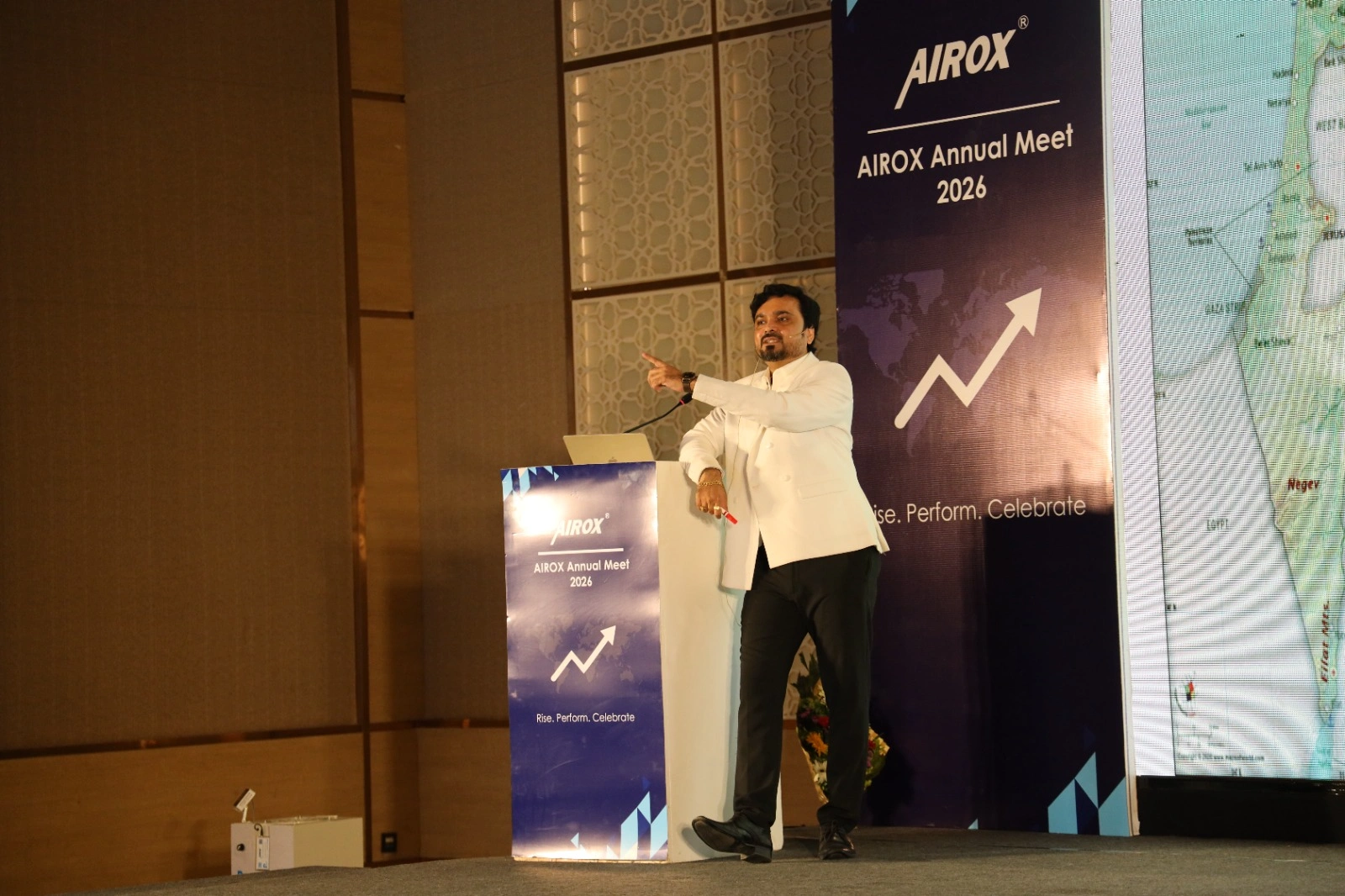
There is a professional I have met at nearly every corporate training I have run across Maharashtra — someone who never says no to the boss, agrees loudly in the meeting room and complains quietly in the corridor, takes on three extra projects while their own health crumbles, and then wonders why they feel invisible and undervalued. I used to call this pattern "over-commitment." In my book The Winning Edge, The Champion Mindset, I gave it a sharper name: the Disease to Please.
The disease to please is not a character trait. It is not politeness, and it is not culture. It is a compulsive behavioural pattern — one that grows out of two of the deepest psychological needs every human being carries: the need for Significance (feeling important, unique, and valued) and the need for Love and Connection (feeling accepted and wanted). When those needs go unmet in healthy ways, we find unhealthy substitutes — and those substitutes quietly destroy our careers and our relationships.
In 2026, when Indian workplaces are finally beginning to talk openly about emotional intelligence and psychological safety, understanding this dynamic is not optional. It is essential. Let me walk you through exactly what is happening beneath the surface — and what we can do about it.
The Six Human Needs: A Framework That Changed How I See Behaviour
During my research for The Winning Edge, I encountered the framework popularised by Tony Robbins: every human being is driven by six core needs — Certainty, Variety, Significance, Love and Connection, Growth, and Contribution. Two of these sit at the absolute centre of most workplace dysfunction I see in Indian organisations: Significance and Love and Connection.
What Is the Significance Need?
Significance is the need to feel important, special, and valued. It answers the internal question: Do I matter? This is a completely legitimate and universal need. Problems arise not from having it, but from the route we choose to meet it.
What Is the Love and Connection Need?
Love and Connection is the need to feel accepted, belonged, and cared for. It answers the question: Am I wanted here? Again, a healthy and natural need — but one that can push people into desperate and self-defeating behaviours when it goes unmet.
"Most dysfunctional behaviour in the workplace is not malicious. It is the sound of an unmet need looking for the fastest available exit."
— Avinash Chate, The Winning Edge, The Champion Mindset
Once I started looking at team problems through this lens, everything became clearer. The colleague who gossips constantly is not a bad person — they are trying to feel significant. The manager who never challenges the MD's decisions is not strategically brilliant — they are trying to protect their sense of connection. The employee who volunteers for every task and then quietly burns out is not selfless — they are terrified of losing approval.
The Disease to Please: How Love and Connection Turns Toxic
Tony Robbins describes Love and Connection as the fourth human need. In my workshops, I describe the disease to please as what happens when someone tries to meet this need compulsively — by sacrificing their own opinions, boundaries, and wellbeing in order to keep others happy.
How This Shows Up in the Indian Professional Context
Our cultural fabric makes this particularly acute. I have observed these patterns repeatedly in Indian workplaces:
- Not disagreeing with elders or seniors — even when the strategy is clearly flawed, silence feels safer than honest disagreement.
- Never saying no to the boss — taking on impossible workloads because refusal feels like career suicide.
- Agreeing publicly, complaining privately — the meeting ends with unanimous approval; the corridor erupts with objections nobody voiced.
- Excessive hospitality at personal cost — spending beyond one's means to be seen as generous, to avoid the social discomfort of appearing unwilling.
None of these behaviours are about the surface situation. They are all about one thing: Please do not withdraw your connection from me.
The Hidden Cost in Your Career
Here is what no one tells the people-pleaser: the very approval you are chasing is corroded by the behaviour you are using to chase it. Leaders do not promote the person who never pushes back — they promote the person who can be trusted to give them the truth. Colleagues do not deeply respect the one who agrees with everyone — they quietly learn not to take that person's opinion seriously. The disease to please, in trying to generate love and connection, actually destroys the conditions needed for genuine respect.
During a corporate training session in Pune — the moment when professionals recognise their own people-pleasing patterns is always the turning point.Significance Hunger: When Feeling Important Goes Wrong
While the disease to please is about connection, its twin — the destructive pursuit of significance — shows up in an entirely different set of behaviours that are just as damaging. In The Winning Edge I list the expressions of unhealthy significance-seeking that I see with alarming frequency in Indian professional circles:
The Seven Warning Signs
- Buying awards and displaying them prominently — purchasing recognition from unverified award bodies and treating them as genuine markers of achievement.
- Purchasing social media followers — inflating perceived reach to feel more important than genuine contribution warrants.
- Tattooing achievements on the body or the bio — leading every conversation with credentials rather than curiosity, letting titles do the work of character.
- Excessive gossip — pulling others down in private conversation to feel taller by comparison.
- Playing the victim — using suffering as currency, making every difficulty a performance that demands attention and sympathy.
- Criticising others to feel superior — a constant low-grade commentary on everyone else's failures that never requires you to examine your own.
- Exaggerating achievements — stretching the truth about results, roles, and responsibilities until the story and the reality no longer match.
"The person who buys an award and the person who steals a compliment are doing the same thing — they are trying to feel significant without doing the work that earns genuine significance."
— Avinash Chate, The Winning Edge, The Champion Mindset
I want you to notice something about every item on that list. Not one of them requires you to actually become more skilled, more valuable, or more impactful. They are all shortcuts — ways of wearing the appearance of significance without building the substance of it. And every one of them, over time, deepens the very emptiness they were meant to fill.
Why This Is an Epidemic in Indian Professional Culture Right Now
Social media has given everyone a stage, a metric system for approval (likes, followers, views), and an instant comparison engine running twenty-four hours a day. In this environment, the significance need is being hammered constantly — and the shortcuts to feed it have never been more accessible or more seductive. A professional who has not developed internal anchors for self-worth will reach for these shortcuts almost automatically, and often without realising it.
The Connection Between Unmet Needs and Relationship Breakdown
In my workshops, I often ask participants to think about their most difficult relationship — professional or personal. In almost every case, when we trace the conflict back to its root, we find one or both people trying to meet either their significance need or their love-connection need in ways the other person experiences as threatening, dismissive, or controlling.
The Manager Who Micromanages
Micromanagement is almost never about standards. It is almost always about significance. The manager who cannot let a task leave their hands without checking it seventeen times is not quality-conscious — they are significance-hungry. Their identity is fused with being the one who knows best. Delegating feels like giving away the very thing that makes them feel important.
The Team Member Who Never Speaks Up
Silence in a meeting is almost never indifference. It is almost always love-connection protection. The team member who sits through an hour of discussion without contributing a single idea is not disengaged — they are terrified that a wrong idea will cost them belonging. The price of silence (a mediocre outcome for the team) feels smaller than the price of speaking (potential rejection).
The Leader Who Surrounds Themselves With Yes-People
This is perhaps the most expensive pattern of all for Indian organisations. A leader who has an unhealthy significance need will — often without consciously choosing it — systematically select, retain, and promote people who agree with them. Honest voices gradually fall silent or leave. The organisation becomes an echo chamber, and strategic mistakes go unchallenged until they become crises.
The Empowering Alternative: Meeting Your Needs the Right Way
Here is the core insight from The Winning Edge that I want every professional reading this to carry forward: you cannot eliminate the significance need or the love-connection need. They are hardwired into human psychology. The goal is not to get rid of them — it is to meet them through routes that build you up rather than hollow you out.
Meeting the Significance Need Through Achievement and Skill
The only durable source of genuine significance is earned competence. When you become genuinely excellent at something — a skill, a craft, a domain of knowledge — you stop needing others to tell you that you are important, because you know it from the inside. This is why I tell every participant in my corporate training programmes: invest in your craft the way you invest in your car. You would not skip a service for two years and expect the engine to run smoothly. Do not do that to your professional skills either.
- Pursue certifications and real skill-building, not cosmetic awards.
- Seek honest feedback, not comfortable agreement.
- Measure yourself against your own previous performance, not against a curated social media version of someone else's life.
Meeting the Love-Connection Need Through Genuine Contribution
Real connection — the kind that sustains relationships and builds great teams — is not created by saying yes to everything. It is created by showing up honestly, doing what you commit to, and caring enough about the other person to tell them what you actually think.
- Say no to the tasks that prevent you from doing your best work on the ones that matter — and explain why.
- Disagree respectfully in the room, not resentfully in the corridor.
- Contribute to others' growth actively — mentoring, teaching, and sharing knowledge are the most powerful sources of genuine connection in a professional context.
"You cannot build a real relationship on a performance. Genuine connection requires you to bring your actual self to the table — not the version of yourself you think the other person wants to meet."Addressing leaders across Maharashtra on authentic leadership — the antidote to the disease to please begins with self-awareness.
— Avinash Chate, The Winning Edge, The Champion Mindset
A Practical Audit: Where Are You Meeting Your Needs?
I use this exercise in my workshops and I encourage you to try it honestly. For each need, ask yourself: What am I currently doing to meet this need — and is that route building me up or wearing me down?
The Significance Audit
- When did I last invest serious time in genuinely improving a core professional skill?
- Am I seeking recognition through real achievement, or through appearances and shortcuts?
- Do I gossip, criticise, or exaggerate more when I am feeling overlooked or undervalued?
The Love-Connection Audit
- When did I last say no to something and feel good about it rather than guilty?
- Do I express my honest opinion in professional settings, or do I shape my views to match the room?
- Am I building deep, honest relationships — or am I accumulating a wide network of people who have never seen my real opinion on anything difficult?
There are no right or wrong answers here. The value is in the honesty of your response. Most professionals, when they do this audit sincerely, identify at least one or two patterns they had not fully acknowledged before. That moment of recognition is where change becomes possible.
Bring this to your team. I run Personal Development and Communication-focused corporate training and keynotes for companies across Pune, Mumbai and all of Maharashtra — covering the six human needs, emotional intelligence, people-pleasing patterns, and authentic leadership.
Book a session · Explore corporate training programs
Frequently Asked Questions
What exactly is the disease to please and how does it affect Indian professionals?
The disease to please is the compulsive habit of sacrificing your own opinions, boundaries, and wellbeing in order to gain approval, acceptance, or love from others. In the Indian professional context it manifests as never saying no to a senior, agreeing publicly while disagreeing privately, and taking on excessive workloads to avoid social disapproval. It is rooted in an unmet love-and-connection need — the deep fear that if you assert yourself, you will lose belonging. Over time it damages your reputation as a decisive professional, erodes your health, and ironically reduces the respect of the very people you were trying to impress.
What is the significance need and why do so many managers in India struggle with it?
The significance need is the universal human drive to feel important, unique, and valued. It is not inherently negative — in fact, a healthy significance need drives ambition, skill-building, and excellence. The problem arises when it is met through shortcuts: buying awards, purchasing social media followers, exaggerating achievements, gossiping, or constantly criticising others. These shortcuts feel satisfying in the short term but leave the underlying need unmet and actually reduce genuine respect over time. Managers are particularly vulnerable because their authority is partly social — it depends on how others perceive them — which makes any threat to significance feel existentially dangerous.
How can I stop people-pleasing without damaging my professional relationships?
The key is to shift the source of your love-and-connection need from approval-seeking to genuine contribution. Start small: practise saying no to one low-stakes request per week and notice that the relationship survives. In meetings, commit to sharing your honest view at least once — framed respectfully. Over time, the people who matter will value your honesty more than your agreement. You will also find that relationships built on honest exchange are far more durable and satisfying than those built on performance. The goal is not to become confrontational — it is to become trustworthy.
Can corporate training really change deeply ingrained people-pleasing patterns?
Yes — with the right design. The first step is awareness: most people-pleasers do not recognise the pattern until it is named and contextualised for them, as I do using the six human needs framework in my workshops. Once professionals understand that their behaviour is a need-meeting strategy rather than a character flaw, they can consciously choose different strategies. Sustained change also requires practice, peer accountability, and follow-through — which is why I design my corporate training programmes to include reflection exercises, team-level commitments, and post-session tools that participants can use independently.
The Disease to Please is not a life sentence. It is a strategy — and like any strategy, it can be replaced with a better one once you understand what it is actually trying to achieve. If you are ready to build a team culture where people speak honestly, earn significance through real achievement, and connect through genuine contribution rather than compulsive agreement, I would love to work with you. Reach out through my contact page, explore my corporate training programmes, or learn more about my approach to behavioural training in Pune.
This article is adapted from my book The Winning Edge, The Champion Mindset.Related Articles by Avinash Chate
- How to Survive Office Politics and Build Credibility in India 2026
- The First 30-Second Rule That Decides Every Sale Before You Even Pitch
- Communication Skills That Transform Team Dynamics in Indian Corporates 2026
| AC | Avinash ChateIndia's Leading Corporate Trainer | TEDx Speaker | Author With 80+ organizations trained including RBI, JSW Steels, and Ferrero, Avinash Chate delivers high-impact corporate training across India. Creator of the KITE Leadership Framework and bestselling author of "The Winning Edge." Website YouTube |
Avinash Chate services
Corporate Trainer in Maharashtra · Top Corporate Trainers in Maharashtra · Leadership Trainer in Maharashtra · Top Leadership Trainers in Maharashtra · Motivational Speaker in Maharashtra · Top Motivational Speakers in Maharashtra · All service locations
← Back to all articles · Book Avinash Chate
By Avinash Chate — Maharashtra’s #1 Corporate Trainer & Motivational Speaker. .