Feedback Is the Breakfast of Champions
In my book The Winning Edge, I show how champions feed on honest feedback, face reality without ego, and turn pain into a fast loop of deliberate practice and growth.
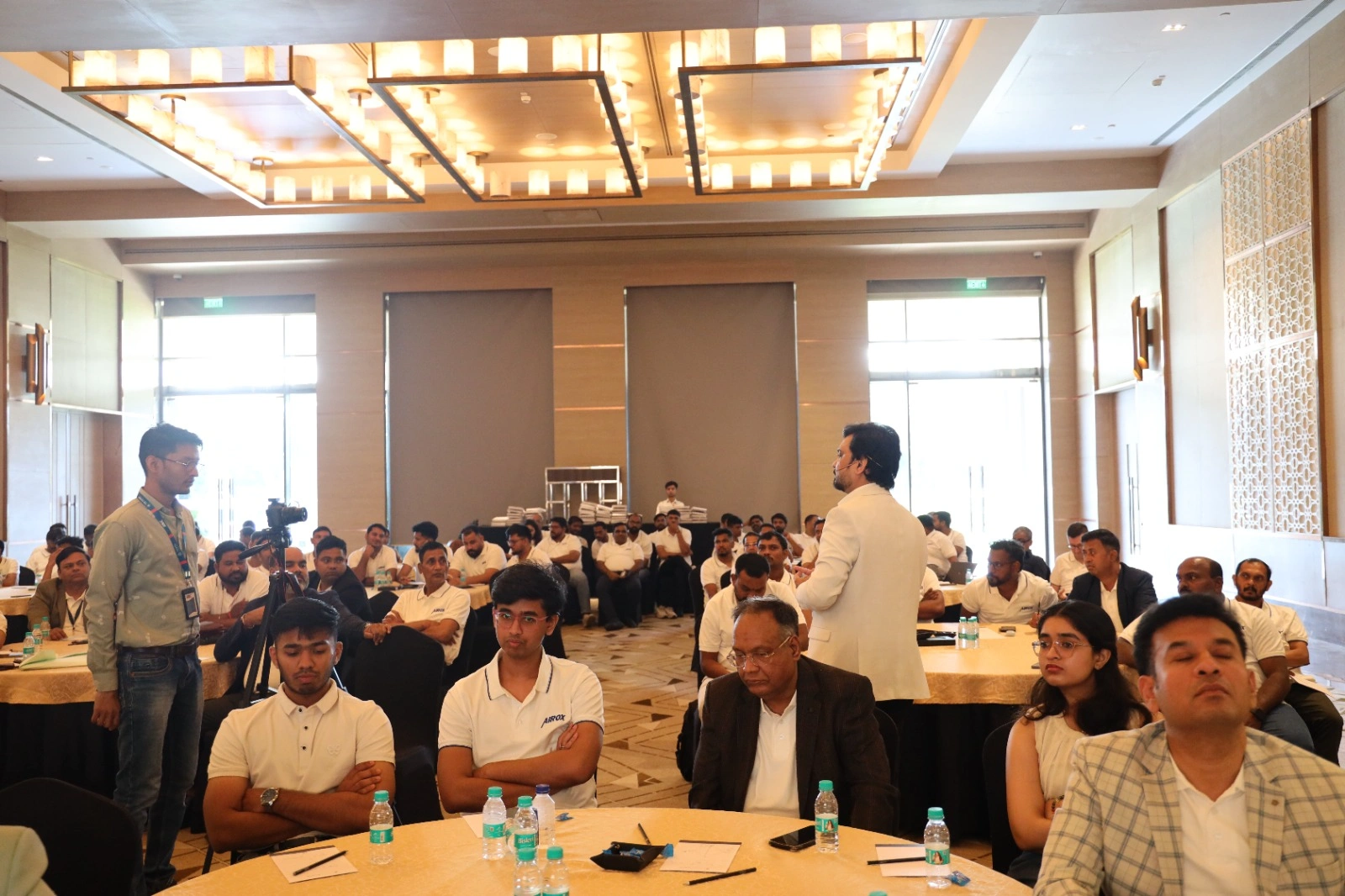
There is a line I keep returning to, both on stage and in my book The Winning Edge, The Champion Mindset: feedback is the breakfast of champions. I did not invent those words, but I have spent years watching them prove true in boardrooms across Pune, Mumbai and the rest of Maharashtra. The professionals who rise fastest are rarely the most talented in the room. They are the ones who can sit with hard, honest feedback at the start of every day and use it as fuel instead of taking it as an insult.
Most of us were raised to fear feedback. A correction at school felt like shame. A remark from a boss felt like an attack. So we learned to defend, to explain, to protect our image. In my workshops I call this the ego tax, the price we pay every time our pride blocks the truth from reaching us. The champion refuses to pay that tax.
In this article, adapted from The Winning Edge, I want to show you how to take feedback without ego, how to see reality clearly, and how to fold that feedback into deliberate practice so that you do not just work hard, you actually evolve.
Success Is the Quality of Your Decisions, and Decisions Need Reality
One of the most powerful ideas I teach, drawn from Ray Dalio's Principles and the work he built at Bridgewater, is deceptively simple. Your success in life equals the quality of your decisions. And the quality of your decisions depends on one thing above all: how clearly you see reality.
Feedback is the fastest way to see reality. It is other people, and the results themselves, telling you where you actually stand, not where your ego wishes you stood. A champion becomes a hyper-realist. They want the truth even when it stings, because they know decisions built on illusions collapse.
Feedback is the breakfast of champions.
Sync the logical and the emotional mind
The trouble is that feedback lands in two places at once. Your logical mind hears, here is useful data. Your emotional mind hears, you are not good enough. When those two minds are out of sync, you react instead of respond. The discipline I teach leaders is to let the logical mind lead while acknowledging the emotion, rather than letting the emotion hijack the moment.
Use pain as a trigger for reflection
Here is a phrase I repeat in nearly every leadership session: pain plus reflection equals progress. The pain of a tough review, a lost client, a public mistake is not the enemy. It is a signal. The champion trains themselves so that the instant they feel that sting, it triggers reflection instead of defence. Evolution, in the end, is nothing more than a fast trial and error feedback loop rooted in reality.
The Five Steps Champions Use to Reach Any Goal
In my corporate training programs I walk teams through a five step loop, again inspired by Dalio's framework. What I love about it is that feedback is woven into every single step. This is how you turn raw ambition into a machine that actually delivers.
- Have clear goals. Know exactly what you want and do not abandon it over a small setback. Learn to separate your fleeting desires from your real goal, because desire will tempt you to quit the moment things get uncomfortable.
- Identify your problems. Be specific. Vague problems cannot be solved. And never tolerate a problem you have spotted. In my book I argue that problems are not threats, they are opportunities wearing work clothes.
- Diagnose the root cause. Separate the problem from its root cause and stay objective. Most people treat symptoms forever because they refuse to look honestly at why the problem keeps returning.
- Design a solution. Think of yourself as a machine that produces outcomes. If your outcomes do not match your goals, change the design. There is never only one path; a champion keeps redesigning until the machine works.
- Push through to action. In the battle between action and planning, action wins. As I tell every audience, you only find oil when you drill.
We have a strategic plan. It is called doing things. (Herb Kelleher)
Then study the pattern of your mistakes
The loop does not end at action. The real magic is to step back and study the pattern of your mistakes. Which of the five steps do you typically fail at? Some people set fuzzy goals. Some refuse to diagnose. Many of us are planners who never drill. When you find your recurring failure step, you have found the single most valuable piece of feedback about yourself you will ever receive.
Walking a team through the champion feedback loop in a corporate training session.Solve the Right Problem, Not Just Any Problem
There is a quote I share that stops every room cold. The management thinker Russell Ackoff said that we fail more often because we solve the wrong problem than because we get the wrong solution to the right problem. Read that again. Most of our effort, our late nights, our frustration is spent brilliantly answering the wrong question.
This is exactly why the diagnosis step matters so much, and why feedback is so precious. Other people often see our real problem before we do. When you stop defending and start listening, colleagues and customers will hand you the true root cause for free, if your ego lets you hear it.
We fail more often because we solve the wrong problem than because we get the wrong solution to the right problem. (Russell Ackoff)
Be objective about yourself
To solve the right problem you must be willing to be wrong about yourself. In my sessions I ask leaders to treat themselves like a machine they are debugging, not a person they must protect. The moment self image stops mattering more than self improvement, your rate of growth multiplies.
From Feedback to Deliberate Practice
Feedback without follow up is just noise. The bridge between hearing the truth and becoming great is deliberate practice. Ordinary practice is repeating what you already do well. Deliberate practice is repeatedly attacking the specific weakness your feedback exposed, at the edge of your ability, with full attention.
What deliberate practice looks like in real work
- Target the weak step. Use the five step loop to find where you fail, then build practice around that exact gap, not around your strengths.
- Make it specific and measurable. A vague intention to improve communication helps no one. Practising one clear behaviour in your next three meetings does.
- Seek feedback after every rep. Each attempt should generate fresh data. Drill, measure, adjust, drill again. That is the trial and error loop in motion.
- Stay in reality. Do not grade yourself on effort. Grade yourself on outcomes, because the outcome is the only honest feedback there is.
Do not let the fear of imperfection stop you
Many high performers freeze because they want to get it perfect before they act. Salvador Dali had the cure: have no fear of perfection, you will never reach it. Perfection is not the goal. A faster feedback loop is the goal. The champion would rather act, gather feedback and correct than wait flawlessly forever.
Bring this to your team. I run feedback and champion mindset focused corporate training and keynotes for companies across Pune, Mumbai and all of Maharashtra.
Book a session · Explore corporate training programs
Building a Feedback Culture in Your Team
Everything above is personal, but the biggest gains come when a whole team breakfasts on feedback together. As a leader, your job is not to hand down judgements. It is to build an environment where the truth travels fast and freely, in every direction.
Make feedback safe, specific and frequent
- Reward the messenger. If people are punished for raising problems, they will hide them, and you will go blind to reality. Thank the person who tells you the hard thing.
- Attack problems, not people. Diagnose the root cause as a team. Separate the problem from the person so no one needs to defend their ego.
- Keep the loop short. Annual reviews are breakfast served once a year. Champions want feedback daily, while the lesson is still fresh and the drill is still possible.
Frequently Asked Questions
How do I take feedback without feeling attacked?
Separate your logical mind from your emotional mind. Acknowledge the sting, but let the logical mind lead and treat the feedback as data about reality, not a verdict on your worth. In my workshops I teach that pain plus reflection equals progress, so the moment feedback hurts is exactly the moment to reflect rather than defend.
What is the difference between ordinary practice and deliberate practice?
Ordinary practice repeats what you are already good at. Deliberate practice attacks the specific weakness your feedback has exposed, at the edge of your ability, with full attention, and seeks fresh feedback after every attempt. It is the trial and error loop applied on purpose to your weakest step.
Why do smart professionals still fail so often?
As Russell Ackoff observed, we fail more often because we solve the wrong problem than because we find the wrong solution to the right one. Without honest feedback and careful diagnosis, talented people spend enormous energy answering the wrong question. Feedback is what reveals the right problem to solve.
Can you run this as a corporate training program for our company?
Yes. I deliver feedback and champion mindset training, keynotes and leadership workshops for organisations across Pune, Mumbai and Maharashtra. You can book a session through my contact page or explore my corporate training programs to design something for your team.
If your people are ready to stop fearing feedback and start feeding on it, I would love to work with them. Reach out through my contact page, explore my corporate training programs, or see how I help leaders grow as a leadership trainer in Pune. This article is adapted from my book The Winning Edge, The Champion Mindset.
Related Articles by Avinash Chate
- Why Manufacturing Industry is Difficult to Start in India: 5 Key Challenges
- Ajit Agarkar's 21-Ball ODI Fifty Against Zimbabwe: The Silent Performer's Career Blueprint
- Clive Lloyd's 1975 World Cup Final Leadership: How Bold Captaincy Wins Under Pressure
| AC | Avinash ChateIndia's Leading Corporate Trainer | TEDx Speaker | Author With 80+ organizations trained including RBI, JSW Steels, and Ferrero, Avinash Chate delivers high-impact corporate training across India. Creator of the KITE Leadership Framework and bestselling author of "The Winning Edge." Website YouTube |
Avinash Chate services
Corporate Trainer in Maharashtra · Top Corporate Trainers in Maharashtra · Leadership Trainer in Maharashtra · Top Leadership Trainers in Maharashtra · Motivational Speaker in Maharashtra · Top Motivational Speakers in Maharashtra · All service locations
← Back to all articles · Book Avinash Chate
By Avinash Chate — Maharashtra’s #1 Corporate Trainer & Motivational Speaker. .