From Good to Great Manager in Pune — What Indian Companies Get Wrong About Leadership
Many Indian companies promote good performers into management roles but fail to build real leaders. In this article, I share what organizations in Pune and across India often get wrong about leadership development, and how managers can grow from operational efficiency to lasting influence.
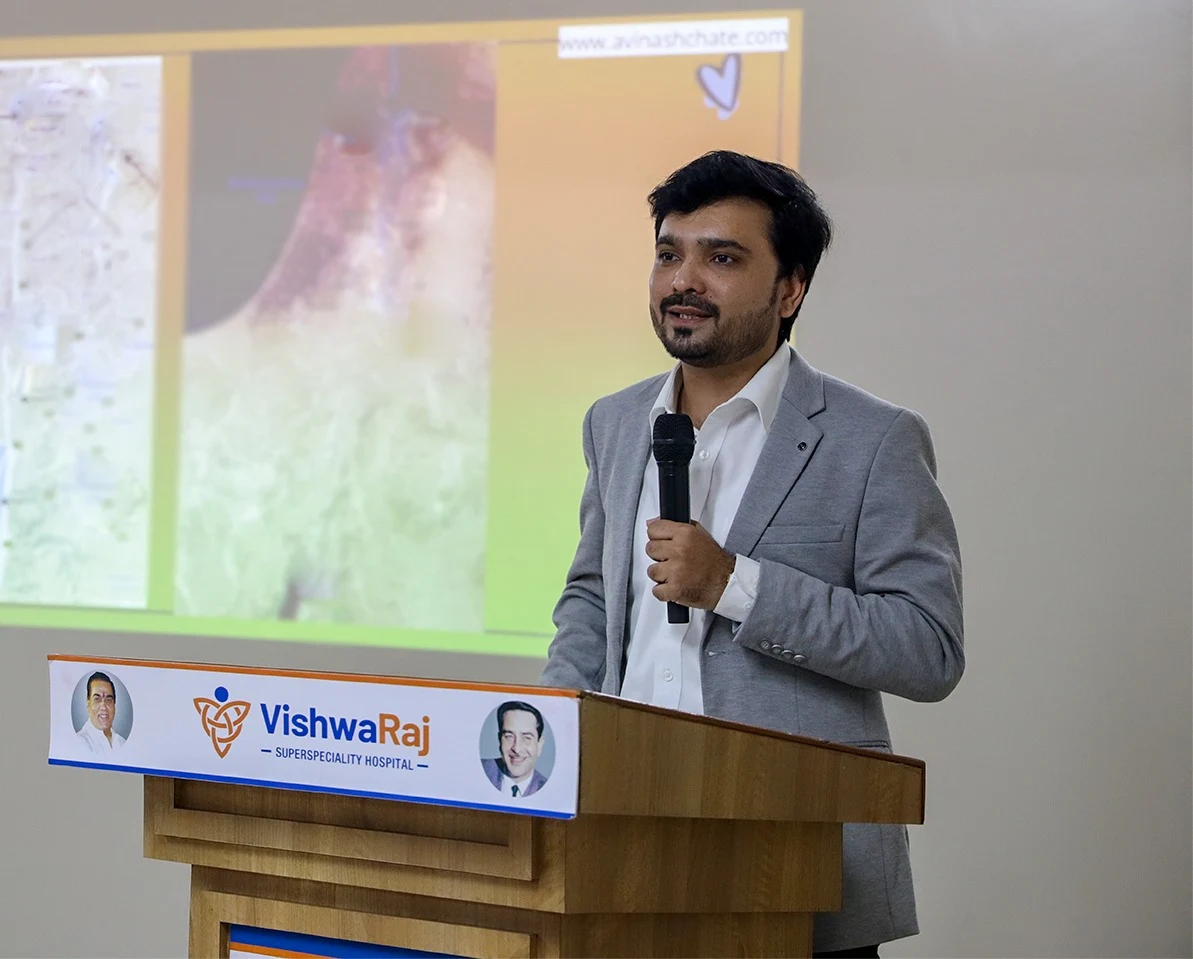
Avinash Chate - Corporate Coach at annual leadership conference
From Good to Great Manager in Pune — What Indian Companies Get Wrong About LeadershipIn my work with leaders across Pune and beyond, I have seen one mistake repeated far too often: companies assume that a good performer will automatically become a great manager. That assumption is expensive. It hurts team morale, slows execution, and creates managers who know how to complete tasks but do not know how to inspire people.
Key takeaway: great management is not a promotion outcome; it is a deliberate leadership transformation.
I have spent 15+ years working with professionals, business owners, and teams to help them bridge this exact gap. As a TEDx speaker and author of The Winning Edge, I have observed that many Indian companies invest heavily in targets, systems, and reviews, but far less in building the human side of leadership. That is where the real problem begins.
When organizations ask me why managers struggle despite strong technical ability, the answer is usually simple. They were rewarded for individual excellence, then expected to lead without being taught how to build trust, communicate clearly, coach performance, and create ownership.
This is not just a leadership issue. It is a business issue. And if you are building teams in Pune, you cannot afford to ignore it.
Why Good Performers Often Fail as Managers
In many Indian companies, the path to management is based on performance metrics. The best salesperson becomes sales manager. The most efficient engineer becomes team lead. The most dependable executor becomes department head. On paper, this sounds logical. In practice, it often creates a leadership vacuum.
A high performer succeeds by doing. A great manager succeeds by enabling others to do. These are not the same skills.
Good performers are often fast, detail-oriented, and personally accountable. But when they become managers, they must learn delegation, emotional control, feedback, conflict resolution, and strategic thinking. If they continue to operate like star individual contributors, they become bottlenecks instead of leaders.
I have seen this pattern in organizations of all sizes, including respected companies such as Kaeser Compressors India, where leadership capability matters because growth depends on alignment, not just effort. Strong organizations understand that leadership cannot be left to chance.
This is why I often tell companies that promotion should never be the end of development. It should be the beginning of it.
What Indian Companies Commonly Get Wrong About Leadership
The first mistake is confusing authority with leadership. Giving someone a title does not give them influence. Employees do not follow designations for long. They follow clarity, credibility, and consistency.
The second mistake is overvaluing technical competence and undervaluing people competence. Many managers know the work but do not know how to manage energy, expectations, and emotions within a team. That leads to friction, disengagement, and silent underperformance.
The third mistake is waiting too long to train managers. By the time many companies invest in leadership development, poor habits are already deeply established. Managers have already learned to micromanage, avoid difficult conversations, or lead through pressure instead of purpose.
The fourth mistake is treating leadership as a one-time workshop topic. Real leadership growth requires reinforcement, reflection, and practical application. It must become part of the culture, not just part of the calendar.
Avinash Chate has consistently emphasized that leadership is built through awareness and disciplined practice, not motivational theory alone. In my sessions, I focus on helping managers understand how their behavior shapes team performance every single day.
If you want a deeper perspective on emotional leadership at work, I recommend reading From Reaction to Leadership: Mastering Emotional Control at Work. Emotional discipline is often the hidden difference between a manager who reacts and a leader who responds.
The Shift from Managing Work to Leading People
To move from good to great manager, a person must make an internal shift. They must stop measuring success only by their own output and start measuring success by the capability they build in others.
This shift includes several important changes.
- From giving answers to asking better questions
- From checking every detail to creating accountability
- From controlling people to coaching performance
- From solving every problem alone to building team ownership
- From short-term urgency to long-term leadership credibility
In Pune, where organizations are scaling rapidly across manufacturing, education, IT, and services, this shift is especially important. Companies need managers who can create alignment across generations, functions, and changing business demands.
That is why I often use the KITE Leadership Framework to help managers understand leadership in a practical way. A framework matters because it gives managers a repeatable structure to improve how they think, interact, and execute. Without structure, leadership remains vague. With structure, it becomes trainable.
Avinash Chate has built his reputation by helping professionals simplify complex leadership challenges into actionable practices. That is what organizations need today: not abstract inspiration, but leadership tools that managers can use immediately.
A good manager gets work done. A great manager builds people who can get great work done consistently.
Why Communication Is the Leadership Skill Most Managers Underestimate
If there is one area where average managers lose trust fastest, it is communication. Many believe communication means speaking clearly. In reality, leadership communication means listening deeply, aligning expectations, handling disagreement maturely, and making people feel seen.
When communication is weak, teams begin to guess. When teams guess, errors multiply. When errors multiply, managers tighten control. That creates frustration on both sides.
I encourage managers to pay attention to three communication disciplines. First, be clear about outcomes, not just activities. Second, give feedback early, not only during review cycles. Third, learn to build trust before pushing performance.
For those interested in the psychology of trust-building, Mirroring: The Science of Trust Used by the FBI and Top Sales Closers offers a powerful lens on how connection shapes influence.
Great managers do not just transfer information. They create understanding. They reduce emotional noise. They make it easier for people to perform with confidence.
This is one of the biggest differences I have seen between average and exceptional leaders in Pune-based organizations. The best managers are not always the loudest voices in the room. They are often the clearest, calmest, and most consistent.
Leadership Development Must Go Beyond Urban Assumptions
Another blind spot in Indian leadership development is the narrow way talent is often defined. Too many organizations assume leadership potential looks a certain way, speaks a certain way, or comes from a certain background. I strongly disagree.
Some of the most committed, resilient, and insightful professionals I have met come from modest environments and unconventional journeys. Companies that overlook these individuals lose future leaders before they even begin developing them.
This is also why broader human understanding matters in leadership training. If you care about untapped potential and inclusive growth, I suggest reading The Hidden Talent of Rural Children We Often Overlook. Leadership begins with seeing value where others fail to look.
Avinash Chate has often spoken about the importance of recognizing hidden potential, not just visible polish. In my experience, great managers are not defined by accent, style, or aggression. They are defined by self-awareness, responsibility, empathy, and execution.
How Indian Companies Can Build Great Managers, Not Just Busy Supervisors
If companies truly want stronger leadership, they must redesign how managers are developed. First, identify leadership readiness before promotion, not after failure. Second, train managers in people skills as seriously as technical skills. Third, create systems for coaching, feedback, and accountability. Fourth, measure leadership by team health and performance, not just by reporting accuracy.
I also believe senior leaders must model the behavior they expect. If top leadership rewards fear, silence, or overwork, middle managers will copy that pattern. But if senior leaders reward clarity, ownership, learning, and trust, management quality rises across the organization.
This is where leadership development becomes cultural, not cosmetic.
As Avinash Chate, I have seen that organizations do not transform when they merely train managers. They transform when they create an environment where leadership is expected, practiced, and reinforced daily.
If your company wants managers who can lead change, strengthen teams, and improve performance sustainably, the answer is not another title change. The answer is intentional leadership development.
And if you are serious about building better managers in Pune, now is the right time to act. Book a corporate training session in Pune and start building leaders who do more than manage tasks. Build leaders who create trust, ownership, and results.
Frequently Asked Questions
Why do many companies in Pune struggle to turn good employees into great managers?
Because strong individual performance and strong leadership require different skills. Many companies in Pune promote based on technical results but do not train managers in communication, delegation, coaching, and emotional intelligence.
What is the biggest leadership mistake Indian companies make?
The biggest mistake is assuming leadership comes automatically with a title. Real leadership must be developed intentionally through training, feedback, practice, and accountability.
How can organizations in Pune improve manager effectiveness quickly?
They can start by training managers in practical leadership behaviors such as expectation setting, feedback conversations, trust-building, conflict management, and team ownership. Reinforcement after training is equally important.
What makes Avinash Chate’s leadership approach different?
Avinash Chate focuses on practical, behavior-based leadership transformation. As a TEDx speaker and author of The Winning Edge, he emphasizes frameworks, real workplace application, and measurable improvement rather than theory alone.
Can I book a corporate leadership training session in Pune?
Yes. You can book a corporate training session in Pune to help your managers move from operational execution to people-centered leadership that improves trust, ownership, and performance.
About the Author
Avinash Chate is a TEDx speaker, published author of The Winning Edge and The Unanswered, and founder of The Future Corporate & Business Coaching. With over 15 years of experience training 80+ organizations including Institute of Company Secretaries of India, Kaeser Compressors India, Aurus Group Real Estate, Rajginagar Sahakari bank, Avinash is recognized as Maharashtra's leading corporate trainer. He created the KITE Leadership Framework and the 25-Star Competency Framework™, delivering high-impact programs across leadership, team building, sales transformation, and emotional intelligence.
📞 +91 8793630001 | ✉️ connect@avinashchate.com | 🌐 avinashchate.com
Related Articles by Avinash Chate
- From Reaction to Leadership: Mastering Emotional Control at Work
- The Drama Triangle at Work: The Hidden Pattern Destroying Team Performance
- The Ferob Model: Understanding People Before Managing Them
Book Avinash Chate for Your Next Event
Maharashtra's #1 Corporate Trainer · India's leading Motivational Speaker & Team Building Expert · 2x TEDx · Available across India in English, Hindi & Marathi.
✅ Thanks! Avinash team will reach out within 24 hours.'}).catch(function(e){f.outerHTML='Something went wrong. WhatsApp +91 8793630001
'});return false;"> Select Service Motivational Speaking / Keynote Team Building Workshop Corporate Training / Leadership Development Manager Development Employee Training Outbound Training Book Avinash Now →Or WhatsApp directly: +91 87936 30001
Avinash Chate services
Corporate Trainer in Pune · Top Corporate Trainers in Pune · Leadership Trainer in Pune · Top Leadership Trainers in Pune · Team Building Trainer in Pune · Top Team Building Trainers in Pune · Motivational Speaker in Pune · Top Motivational Speakers in Maharashtra · All service locations
← Back to all articles · Book Avinash Chate
By Avinash Chate — Maharashtra’s #1 Corporate Trainer & Motivational Speaker. .