How to Control Emotions at Work During Feedback
In many offices, talented professionals lose credibility not because of lack of skill, but because of emotional reactions during feedback. A simple comment from...
One Sentence, One Email, One Piece of Feedback
That’s all it takes to lose control. Not because you are weak. Not because you are incapable. But because your brain switches modes faster than you realize.
At work, most career damage does not happen due to lack of skill. It happens due to emotional reaction. And that reaction usually lasts less than 10 seconds.
The Three Modes We All Operate In
Every professional operates in one of three modes when triggered by stress or criticism.
- Hitler Mode - This is the aggressive mode. The tone becomes sharp. The body becomes stiff. The intention becomes domination. It may feel powerful in the moment — but it silently destroys trust.
- Child Mode - This is the emotional mode. You feel attacked. Your chest tightens. Your jaw locks. You either become defensive, silent, angry, or emotional. Most resignations are written in this mode.
- Genius Mode - This is the calm, thinking mode. You listen. You ask questions. You solve problems. Leaders live here.
The challenge? Under pressure, most people automatically shift into Child Mode. And they don’t even realize it.
Why Smart People Still React Emotionally
Even high performers get triggered. A harsh comment from a manager. A public correction in a meeting. An email marked “urgent” with criticism.
Your brain reads it as a threat. And in milliseconds, logic shuts down. Emotion takes over.
But here’s the truth: You don’t need to control the situation. You need to control the switch.
The 8-Second Comeback Formula
The difference between a reactive employee and a respected leader is often just 8 seconds.
Here’s how it works:
- Seconds 1–2: Recognize the Shift - Notice the signals. Tight chest. Fast heartbeat. Clenched jaw. Heat in the face. That’s Child Mode activating. Awareness itself weakens the reaction.
- Seconds 3–5: Breathe Deeply - Take a slow, deep breath. Oxygen reaches your brain. The emotional wave softens. Your thinking ability starts returning. You are creating space between stimulus and response. That space is power.
- Seconds 6–8: Use the Magic Words - Instead of defending, attacking, or shutting down — say: “Help me understand.” “Can you show me a better approach?” “What would you suggest I improve?” In that moment, you shift to Genius Mode. You move from reaction to curiosity. And curiosity always wins.
Rahul’s Turning Point
Rahul, an IT professional, once quit his job after a heated moment with his manager. It wasn’t about capability. It wasn’t about salary. It was about reaction.
Later, when he learned the 8-Second Formula, something changed. Instead of defending himself during criticism, he asked questions. Instead of resigning emotionally, he responded intelligently. Instead of staying stuck, he started growing.
His relationships improved. His confidence increased. His career moved forward. Nothing outside changed first. His response did.
The Real Career Upgrade
Most professionals try to upgrade skills. Few upgrade emotional control.
But promotions don’t go to the most emotional person in the room. They go to the most stable one. If you can stay in Genius Mode when others lose control, you automatically stand out.
And sometimes, that’s the only difference between staying at the same salary for years and doubling your income.
About Avinash Chate
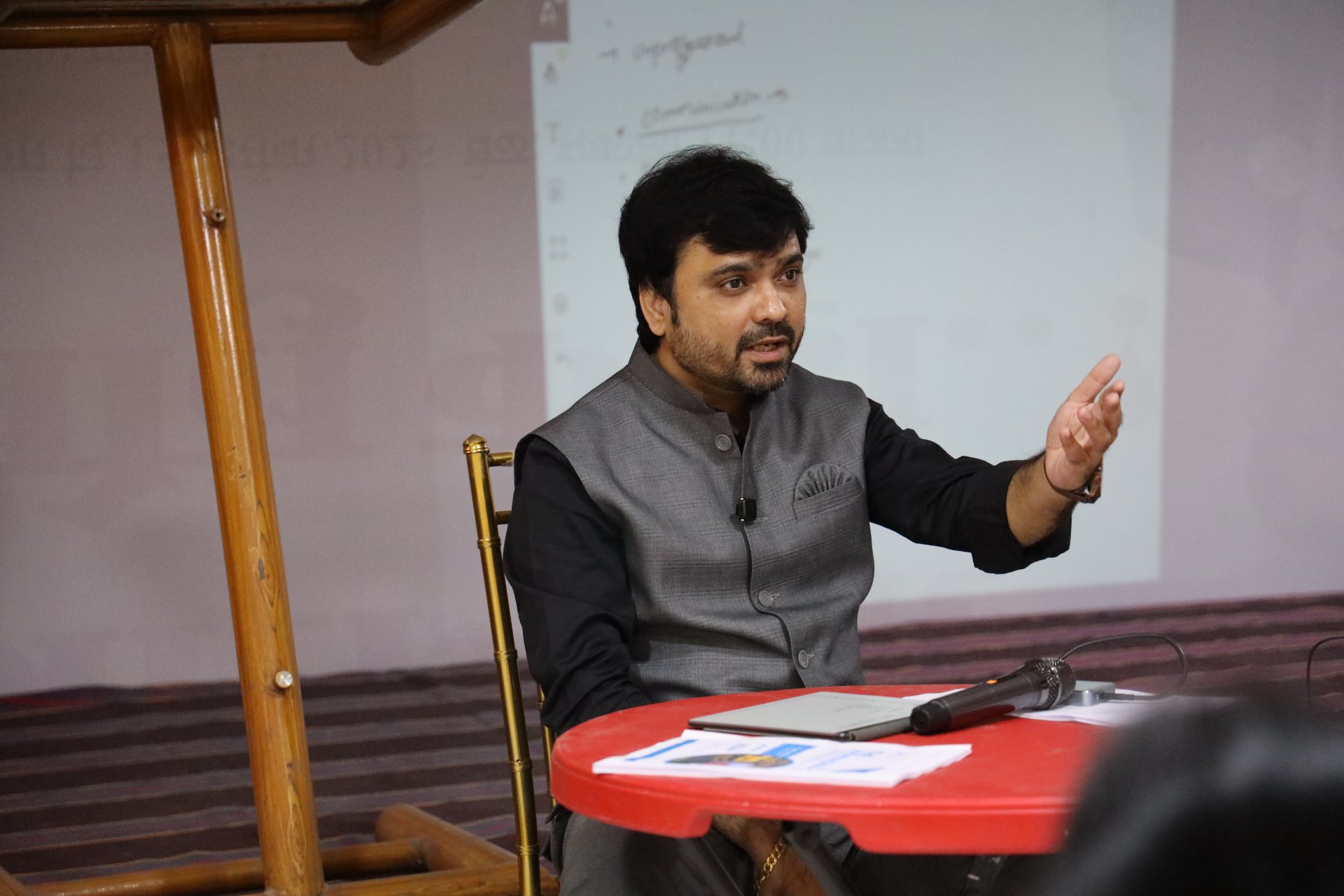
In the video, Avinash Chate explains this concept in a simple yet powerful way, using relatable workplace situations and practical psychology. He breaks down how the brain switches between emotional and rational states, and demonstrates how the 8-Second Comeback Formula can be applied immediately in real office conversations.
Instead of giving theory, he shows how small pauses, controlled breathing, and the right choice of words can completely change professional outcomes. His approach makes emotional mastery feel practical, achievable, and deeply empowering for working professionals.
Related Articles by Avinash Chate
- The Drama Triangle at Work: The Hidden Pattern Destroying Team Performance
- The Ferob Model: Understanding People Before Managing Them
- Credibility, Reliability, Intimacy: The Three Pillars of Trust
Avinash Chate
India's Leading Corporate Trainer | TEDx Speaker | Author
With 80+ organizations trained including RBI, JSW Steels, and Ferrero, Avinash Chate delivers high-impact corporate training across India. Creator of the KITE Leadership Framework and bestselling author of "The Winning Edge."
Website YouTubeBook Avinash Chate for Your Next Event
Maharashtra's #1 Corporate Trainer · India's leading Motivational Speaker & Team Building Expert · 2x TEDx · Available across India in English, Hindi & Marathi.
✅ Thanks! Avinash team will reach out within 24 hours.'}).catch(function(e){f.outerHTML='Something went wrong. WhatsApp +91 8793630001
'});return false;"> Select Service Motivational Speaking / Keynote Team Building Workshop Corporate Training / Leadership Development Manager Development Employee Training Outbound Training Book Avinash Now →Or WhatsApp directly: +91 87936 30001
Avinash Chate services
Corporate Trainer in Maharashtra · Top Corporate Trainers in Maharashtra · Leadership Trainer in Maharashtra · Top Leadership Trainers in Maharashtra · Team Building Trainer in Maharashtra · Top Team Building Trainers in Maharashtra · Motivational Speaker in Maharashtra · Top Motivational Speakers in Maharashtra · All service locations
← Back to all articles · Book Avinash Chate
By Avinash Chate — Maharashtra’s #1 Corporate Trainer & Motivational Speaker. .