Givers vs Takers in Office Who Actually Wins in Long Term
In many organizations, a silent struggle exists between people who contribute and those who only consume. This often leads to frustration among teams, reduced p...
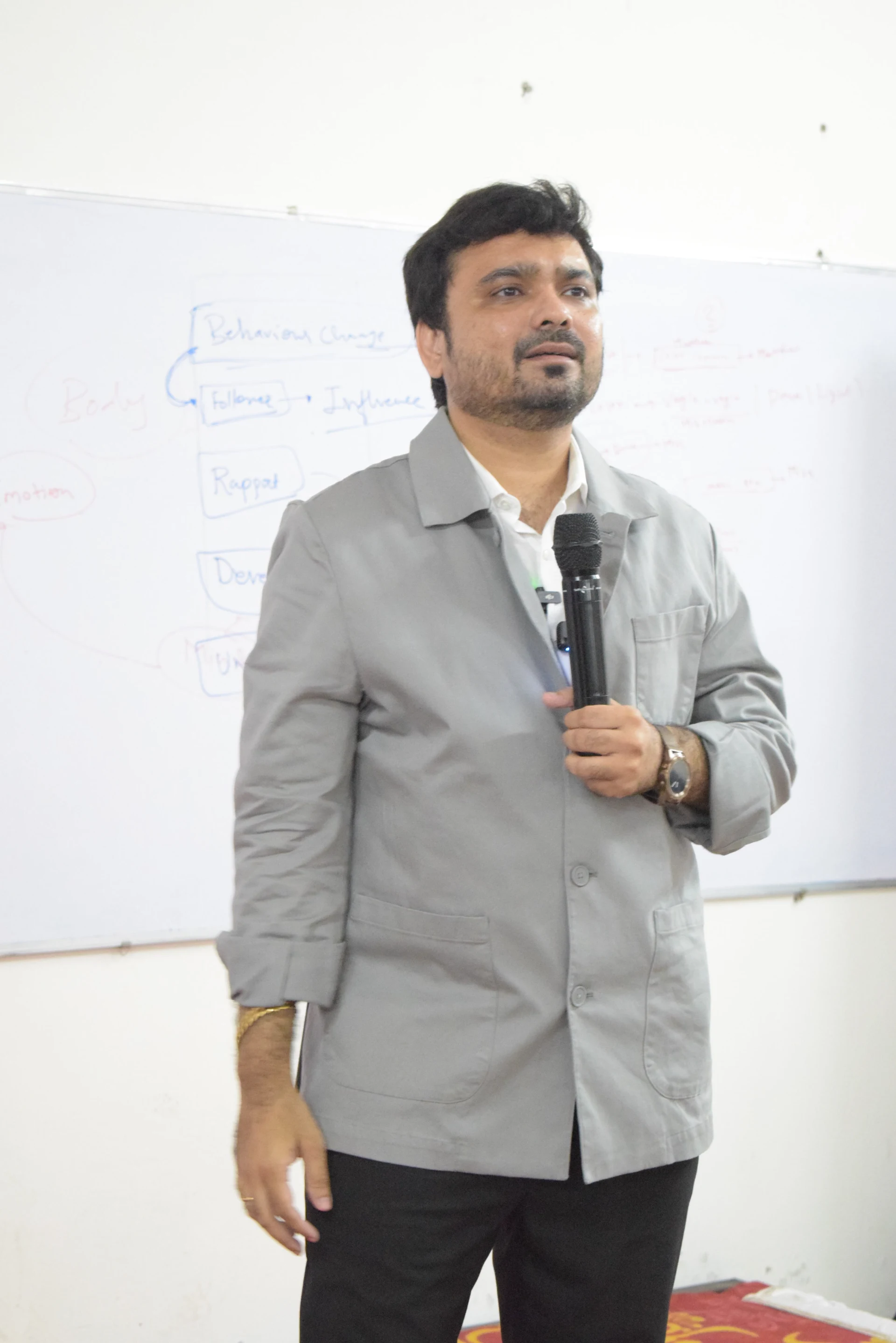
Avinash Chate - TEDx Speaker delivering keynote at corporate event
Givers vs Takers in the Office: Who Really Wins in the Long Run?In every organization, I have seen one silent battle repeat itself again and again. It is not always between departments, titles, or targets. It is between people who contribute and people who consume. Some step up when the team is under pressure. Some disappear when responsibility arrives. Some give credit, support others, and solve problems. Others calculate every move only for personal gain.
As Avinash Chate, a TEDx speaker and author of The Winning Edge, I have worked with leaders and teams across 15+ years, and this pattern is impossible to ignore.
Key takeaway: In the short term, takers may look smart. In the long term, givers build trust, credibility, leadership, and lasting influence.
Let me make this practical. In most offices, there are broadly three kinds of people: givers, takers, and neutrals. Givers contribute beyond their job description when needed. Takers ask, demand, and protect self-interest first. Neutrals do the minimum required and avoid getting involved. The real question is not who gets attention today. The real question is who creates value that people remember tomorrow.
I have seen this truth in training rooms, leadership workshops, and organizational interventions, including sessions with institutions such as Maharashtra Institute of Technology. Over time, the same lesson becomes clear: culture is not built by policies alone. It is built by the daily behavior of people.
Understanding the Three Types of People at Work
Let us start with clarity. A giver is not a weak person. A giver is not someone who says yes to everything and gets exploited. A true giver is someone who adds value, supports the team, shares knowledge, and takes ownership when it matters. This person thinks beyond “my task” and asks, “What will help us win?”
A taker, on the other hand, is driven by extraction. This person wants recognition without effort, support without reciprocity, and reward without responsibility. Takers are often skilled at impression management. They may appear confident, visible, and politically aware. But when the team faces difficulty, their contribution becomes selective.
Then there are neutrals. These are the people who do what is assigned and little more. They are not necessarily harmful, but they rarely become the force that transforms a team. They stay safe, avoid conflict, and avoid ownership beyond the formal role.
In my experience, every workplace has all three. The issue is not their existence. The issue is which behavior gets rewarded, tolerated, or challenged.
Why Takers Sometimes Look Like They Are Winning
This is where many sincere professionals feel frustrated. They look around and think, “Why is the person who does less getting more visibility?” It is a fair question.
Takers often appear to win early because they are highly focused on self-promotion. They know how to position themselves near power. They may avoid difficult work but remain present when credit is distributed. They may speak more than they contribute. They may protect their image better than they protect the team.
In the short term, this can create the illusion of success.
But organizations are not sustained by illusion. Teams eventually notice patterns. Managers eventually see who solves problems and who creates them. Colleagues remember who stood with them during pressure and who vanished. Trust has a long memory.
This is why I always tell professionals: do not confuse visibility with value. Visibility can be manufactured. Value must be delivered.
If your role also involves customer-facing pressure, this distinction becomes even more important. I have discussed related operational discipline in Master Customer Complaints Across Channels with Custom Systems, where sustainable performance depends on accountability, not appearances.
Why Givers Build Long-Term Leadership
Givers win in the long run because they create trust. And trust is the real currency of leadership.
When a person consistently contributes, supports others, and takes ownership, people begin to rely on that person. Reliability creates credibility. Credibility creates influence. Influence creates leadership.
This does not happen overnight. It happens through repeated moments. A giver helps a teammate meet a deadline. A giver shares knowledge without insecurity. A giver owns mistakes instead of hiding them. A giver remains solution-focused under pressure. These moments may not always bring instant applause, but they build a reputation that no title can manufacture.
In my work as Avinash Chate, I often connect this to the KITE Leadership Framework. Strong leadership is not built only by authority. It is built by behavior that inspires confidence. People follow those who elevate the team, not those who merely extract from it.
That is why many high-performing organizations eventually promote people who can be trusted with people, not just tasks. Technical competence matters, but character under pressure matters more.
I have seen this especially in demanding environments where resilience, consistency, and emotional steadiness shape outcomes. That is also why themes like mindset and endurance are deeply connected to workplace contribution, as I explore in Building Resilience in the Pune Manufacturing Workforce: Motivational Speaking for Pimpri-Chinchwad Industrial Belt.
The Hidden Risk of Being a Giver Without Boundaries
Now let me add an important caution. I do not advise blind giving. Healthy giving is powerful. Unbounded giving is dangerous.
Some professionals become exhausted because they keep helping but never set limits. They say yes to every request. They take on other people’s responsibilities. They rescue chronic underperformers. Then they feel ignored, overworked, and resentful.
That is not sustainable leadership. That is poor boundary management.
A wise giver contributes with clarity. This person helps, but does not enable irresponsibility. This person supports, but also expects accountability. This person shares, but does not surrender self-respect.
Being a giver should make you valuable, not vulnerable.
So if you are a giver, remember this: your strength is contribution, but your protection is discernment. Help where it creates growth. Do not feed a culture where takers keep taking because givers keep compensating.
How Organizations Can Reduce Taker Behavior
Leaders play a major role in this equation. If taker behavior continues, it is often because the system allows it. Culture is shaped by what gets rewarded repeatedly.
If a company rewards only noise, politics, and short-term optics, takers will thrive. If a company rewards ownership, collaboration, and consistent contribution, givers will rise.
So what should leaders do?
Define expected behaviors clearly, not just performance numbers.
Recognize people who support team outcomes, not only individual visibility.
Address credit-stealing and blame-shifting early.
Create accountability for collaboration, reliability, and integrity.
Develop managers who can distinguish real contribution from impression management.
In many organizations, productivity problems are not only about systems. They are about behavior patterns. The same is true in operational roles too. When accountability is weak, inefficiency becomes normal, which is why process discipline matters so much, as I highlight in Why Is Your Accountant Still Spending 5 Days on Payroll?.
When leaders fail to identify taker patterns, high contributors slowly disengage. They start asking a dangerous question: “Why should I do more when others do less and still benefit?” Once that question spreads, culture weakens rapidly.
What I Recommend to Professionals Who Want to Win the Right Way
If you want to succeed in the long term, my advice is simple.
Be a giver with standards.
Contribute meaningfully. Build competence. Support your team. Keep your word. Share credit. Take ownership. Learn continuously. Make yourself dependable. But at the same time, communicate clearly, protect your energy, and do not let opportunists define your role.
As Avinash Chate, I believe the professionals who truly rise are not those who grab the most in the moment. They are the ones who become impossible to ignore because of the value they create consistently.
Your reputation is being built in ordinary moments. In meetings. In deadlines. In conflict. In pressure. In how you behave when no one is watching closely. That is where long-term leadership begins.
And if you are a leader, ask yourself honestly: are you creating a culture where givers feel seen, or a culture where takers feel safe?
The answer to that question will determine not only morale, but also trust, retention, and performance.
Avinash Chate has always emphasized that motivation is not just about feeling inspired. It is about choosing the kind of professional and leader you want to become. In the end, givers do not win because they are nice. They win because they build the one advantage that compounds over time: trust.
If you want to strengthen your team culture, develop accountable leaders, and create a workplace where contribution is recognized, book a corporate training session with Avinash Chate.
Frequently Asked Questions
Who are givers in the workplace?
Givers are employees who contribute beyond basic self-interest. They support team success, take ownership during challenges, share knowledge, and build trust through consistent action.
Do takers always fail in organizations?
Not always in the short term. Takers may gain visibility or quick advantages, but over time their lack of reliability and self-centered behavior usually weakens trust and limits sustainable growth.
Can a giver become too available and get exploited?
Yes. That is why healthy boundaries matter. A strong giver adds value without enabling irresponsibility, and supports others without sacrificing clarity, self-respect, or performance.
How can leaders encourage giver behavior in teams?
Leaders can reward collaboration, recognize ownership, address blame-shifting quickly, and create systems where contribution, integrity, and accountability matter as much as output.
Who wins in the long run: givers or takers?
In the long run, givers usually win because they build trust, influence, and leadership credibility. These qualities create stronger careers and healthier workplace relationships over time.
About the Author
Avinash Chate is a TEDx speaker, published author of The Winning Edge and The Unanswered, and founder of The Future Corporate & Business Coaching. With over 15 years of experience training 80+ organizations including ADS Technologies, Aabasaheb Kakde Educational Group of Organization, Vascon, JSW Steel, Avinash is recognized as Maharashtra's leading corporate trainer. He created the KITE Leadership Framework and the 25-Star Competency Framework™, delivering high-impact programs across leadership, team building, sales transformation, and emotional intelligence.
📞 +91 8793630001 | ✉️ connect@avinashchate.com | 🌐 avinashchate.com
Book Avinash Chate for Your Next Event
Maharashtra's #1 Corporate Trainer · India's leading Motivational Speaker & Team Building Expert · 2x TEDx · Available across India in English, Hindi & Marathi.
✅ Thanks! Avinash team will reach out within 24 hours.'}).catch(function(e){f.outerHTML='Something went wrong. WhatsApp +91 8793630001
'});return false;"> Select Service Motivational Speaking / Keynote Team Building Workshop Corporate Training / Leadership Development Manager Development Employee Training Outbound Training Book Avinash Now →Or WhatsApp directly: +91 87936 30001
Related Articles by Avinash Chate
- Engineer ने Factory नाही तर School सुरू केली
- Colonel Rajyavardhan Rathore: How Optimism Turns Injury Into an Olympic Silver
- Motivational Speaker for Pune’s Defense Sector — Inspiring Excellence at DRDO Labs, Ordnance Factories, and NDA
Work with Avinash Chate
- Best Motivational Speaker in Mumbai →
- Best Motivational Speaker in Maharashtra →
- Team Building Trainer in Pune →
Avinash Chate services
Corporate Trainer in Maharashtra · Top Corporate Trainers in Maharashtra · Leadership Trainer in Maharashtra · Top Leadership Trainers in Maharashtra · Team Building Trainer in Maharashtra · Top Team Building Trainers in Maharashtra · Motivational Speaker in Maharashtra · Top Motivational Speakers in Maharashtra · All service locations
← Back to all articles · Book Avinash Chate
By Avinash Chate — Maharashtra’s #1 Corporate Trainer & Motivational Speaker. .