Groupism and Bullying Destroy Indian Corporate Teams: How to Stop Them in 2026
Groupism, bullying, and damaging company structure cannot be tolerated—the strong must stand together and protect the weak in the corporate jungle. Here's how Indian leaders and professionals can identify, confront, and eliminate these toxic patterns in 2026.
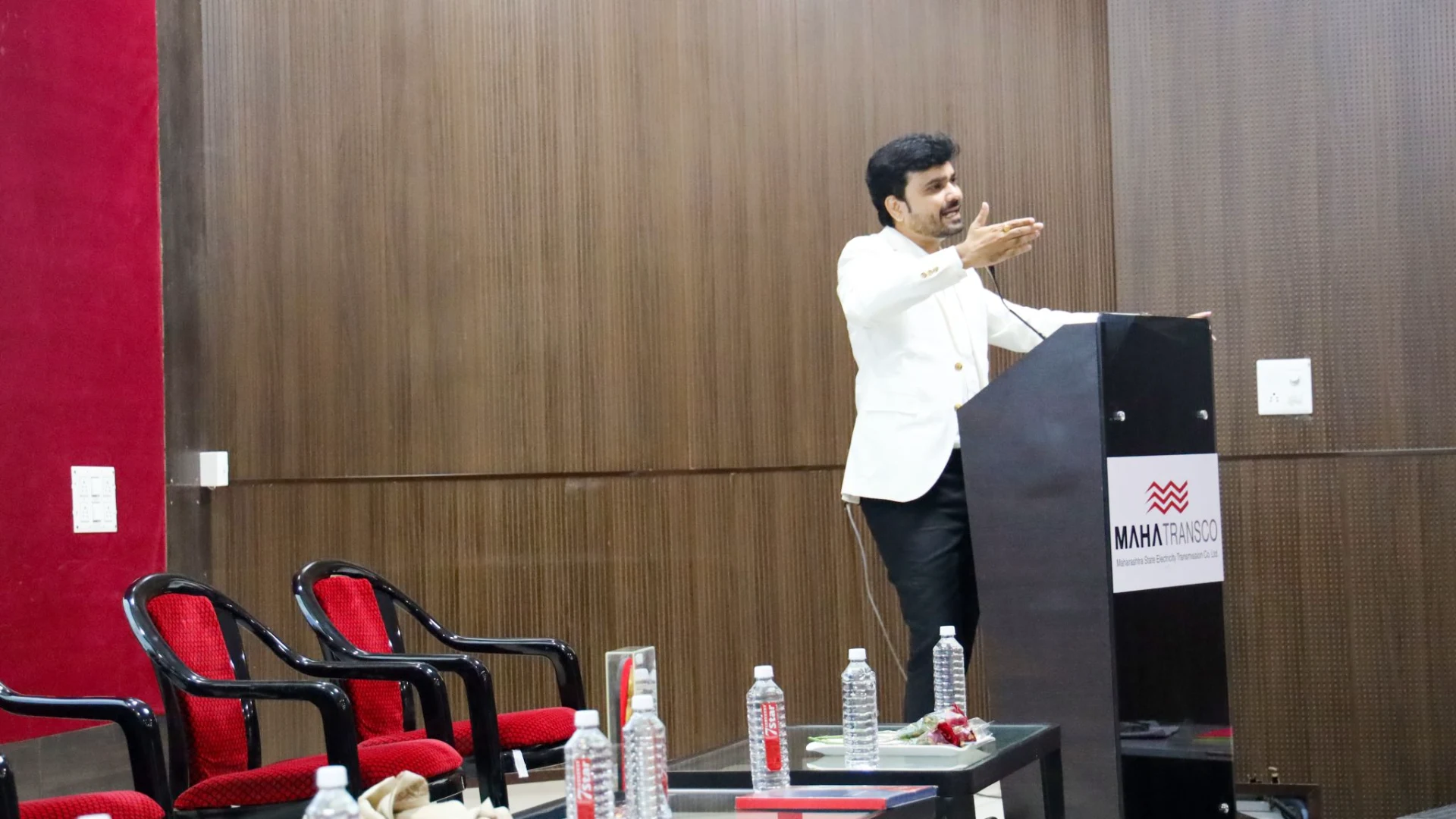
Groupism, bullying, and damaging company structure cannot be tolerated—not by leadership, not by HR, and not by any team member who understands what's at stake. The corporate jungle has a law that every strong organization must uphold: the strong must stand together to protect the weak. India's ₹1.5 trillion L&D market increasingly focuses on culture and psychological safety because companies now understand what's at risk when they don't. Here's what every Indian professional and leader needs to know in 2026.
TL;DR- Groupism and bullying cannot be tolerated—they damage company structure and drive out the best people
- The corporate jungle law: the strong must stand together and protect the weak
- Groupism thrives in weak company structures with absent or conflict-avoidant leadership
- Zero-tolerance culture requires leadership who act—not just policies on a wall
- Psychological safety is India's most underrated competitive advantage in 2026
What Is Groupism and Why It Silently Destroys Indian Corporate Teams
Groupism is the formation of informal cliques within a workplace that operate to serve the group's interests at the expense of the broader organization. In Indian corporates, it manifests as selective information sharing, coordinated exclusion of certain individuals, coalition-building that bypasses official reporting structures, and the protection of group members from accountability. The damage it causes is structural: it creates parallel power centers, breaks down trust between teams, and makes meritocracy impossible. I've seen it at companies across Maharashtra—and without exception, it accelerates the departure of high-performing individuals who have other options.
How Bullying in a Weak Company Structure Spreads Unchecked
Bullying thrives in organizations with two specific characteristics: unclear behavioral standards and leadership that avoids conflict. When no one has defined what respectful professional conduct looks like, and when managers consistently look away from interpersonal aggression to avoid disruption, bullying establishes itself as a culturally permitted behavior. The bully reads the avoidance as approval. The target reads the avoidance as abandonment. The rest of the team reads it as a signal about what the organization actually values—and many of them start updating their resumes. A weak company structure is the soil in which bullying grows. Leadership who acts is the only reliable herbicide.
The Corporate Jungle Law: The Strong Must Stand Together and Protect the Weak
Here's the principle I teach in every leadership program I run: in the corporate jungle, the strong have a responsibility to the weak—not charity, not pity, but the recognition that an organization where the vulnerable are preyed upon is an organization destroying its own future. The professionals most frequently targeted by groupism and bullying are often the most independent thinkers, the most honest, and the least politically inclined—frequently the most valuable. When the strong stand together to protect them, the organization protects its best talent and its culture simultaneously. This is not soft leadership. This is strategic leadership.
How to Identify Groupism Before It Damages Your Organization
Groupism in its early stages is subtle and easy to miss. The early signs I look for when assessing team culture at Bajaj Auto, L&T, and Infosys engagements: certain people are consistently excluded from informal communication loops despite being formally included in projects; credit for shared work consistently flows to some individuals and not others; some team members are visibly uncomfortable in group settings in ways that don't match their individual performance; and meetings have a safe group whose ideas get amplified and an unsafe group whose ideas get minimized. These patterns, if unaddressed, calcify into entrenched groupism within three to six months.
| Warning Sign | What It Looks Like | Leadership Response Required |
|---|---|---|
| Selective information loops | Some team members always out of the loop | Direct conversation; enforce inclusive communication |
| Credit theft | Group takes credit for individual work | Public attribution; clear recognition policy |
| Meeting silencing | Certain voices consistently minimized | Structured turn-taking; call out dismissal |
| Open verbal aggression | Insults, public ridicule, threatening tone | Immediate intervention; formal process |
| Coordinated exclusion | Team member systematically left out | Name the pattern; reset team norms |
Why Leaders Who Ignore Bullying Lose Their Best People First
The professionals who leave organizations due to bullying and groupism are rarely the ones who couldn't handle pressure. They're the ones who assessed their situation clearly, decided the environment was incompatible with their growth, and left to find one that wasn't. These are exactly the people—high capability, high standards, high self-awareness—that every organization most needs to retain. The managers who ignore bullying tell themselves the sensitive employees are the problem. What they're actually doing is selecting for a team that tolerates abuse over a team that performs. That selection destroys organizational capability, systematically, over time.
Building a Zero-Tolerance Culture Against Groupism and Bullying in India 2026
Zero-tolerance culture against groupism and bullying doesn't live in the employee handbook—it lives in what leaders actually do when they see it. I train leadership teams at Siemens, Bosch, and KPIT on the specific behaviors that build this culture: naming groupism and bullying explicitly in team norms discussions so everyone knows what's unacceptable; responding immediately and specifically when an incident occurs rather than hoping it resolves itself; following up with both the target and the broader team to signal the incident was taken seriously; and creating multiple safe channels for concerns to surface before they escalate. The policy is the minimum. The behavior is the culture.
How to Address Bullying Without Creating More Division in Your Team
Addressing bullying without creating more division requires a focus on behavior and impact, not personality or character. The conversation with the person engaging in bullying behavior should never be you are a bully—a character label that triggers defensiveness and denial. It should be: this specific behavior had this specific impact on this person and this team, and it cannot continue. Give the behavior a clear consequence that's proportionate and consistently applied. Follow up with the affected person and the team without creating a public spectacle. The goal is to change behavior and restore psychological safety—not to create a villain or punish publicly. That's the balance that prevents division while enforcing standards.
Book Avinash Chate for Your Next Event
TEDx speaker. 11+ yrs training Army, BRO, RBI, BARC, JSW. Available for keynotes, leadership training, team building & manager development at your office or event venue.
✅ Thanks! Avinash team will reach out within 24 hours.'}).catch(function(e){f.outerHTML='Something went wrong. WhatsApp +91 8793630001
'});return false;">Select ServiceKeynote / Motivational SpeakingLeadership Development TrainingTeam Building WorkshopManager DevelopmentEmployee TrainingOutbound TrainingBook Avinash Now →Or WhatsApp directly: +91 87936 30001
Related Articles by Avinash Chate
- Why Manufacturing Industry is Difficult to Start in India: 5 Key Challenges
- Ajit Agarkar's 21-Ball ODI Fifty Against Zimbabwe: The Silent Performer's Career Blueprint
- Clive Lloyd's 1975 World Cup Final Leadership: How Bold Captaincy Wins Under Pressure
Avinash Chate TEDx Speaker · Founder, The Future Corporate · 11+ yrs experience Avinash has trained Indian Army, BRO, RBI, BARC, JSW Steel and 1000+ corporate leaders across India. His work focuses on leadership development, communication skills, and behavioural training rooted in Indian values and modern business needs. |
Frequently Asked Questions
What is groupism in an Indian corporate context and why is it dangerous?
Groupism in an Indian corporate context is the formation of informal cliques that operate to serve the group's interests at the expense of the broader organization—through selective information sharing, coordinated exclusion of certain individuals, and the protection of group members from accountability. It's dangerous because it makes meritocracy impossible, destroys trust between teams, creates parallel power structures that bypass official leadership, and consistently drives out the most independent and high-performing professionals who have alternatives and refuse to operate in a politically toxic environment.
How can leaders identify workplace bullying before it escalates?
Leaders can identify workplace bullying early by watching for these patterns: certain individuals are consistently excluded from informal communication despite being formally included in teams; credit for collaborative work flows consistently to some people and not others; some team members show visible discomfort in group settings inconsistent with their individual performance; and meetings have an unspoken safe group whose ideas get amplified and an unsafe group whose ideas get minimized or ignored. These early signs, if unaddressed, solidify into entrenched groupism within three to six months.
What should leaders do when they witness groupism or bullying in their team?
When you witness groupism or bullying, act immediately and specifically—don't hope it resolves itself. Have a direct conversation with the person engaging in the behavior, focused on the specific action and its specific impact, not on character or personality. Give the behavior a clear, proportionate consequence and follow through consistently. Follow up with the affected person privately to signal that the issue was taken seriously. Address the broader team to reset norms without creating a public spectacle. The speed and specificity of your response sends the most powerful cultural signal—delay and vagueness signal that the behavior is ultimately acceptable.
How do you build a zero-tolerance culture against bullying in an Indian company?
Building zero-tolerance culture requires three things beyond a policy document. First, explicitly define what constitutes groupism and bullying in team norms conversations so everyone knows the standard—ambiguity protects perpetrators. Second, respond immediately and specifically to every incident, proportionately and consistently—arbitrary or delayed responses destroy credibility. Third, create multiple safe channels for concerns to surface early: direct manager conversations, HR channels, anonymous reporting where appropriate. The combination of clear standards, consistent enforcement, and accessible reporting creates the conditions where groupism and bullying cannot establish themselves as culturally permitted behaviors.
Avinash Chate services
Corporate Trainer in Maharashtra · Top Corporate Trainers in Maharashtra · Leadership Trainer in Maharashtra · Top Leadership Trainers in Maharashtra · Team Building Trainer in Maharashtra · Top Team Building Trainers in Maharashtra · Motivational Speaker in Maharashtra · Top Motivational Speakers in Maharashtra · All service locations
← Back to all articles · Book Avinash Chate
By Avinash Chate — Maharashtra’s #1 Corporate Trainer & Motivational Speaker. .