Govinda-Krushna Feud Lesson: The Hidden Cost of Anger
We all know someone at work we are not talking to. That colleague who said something. That boss who ignored your idea. That team member who took credit. But wha...
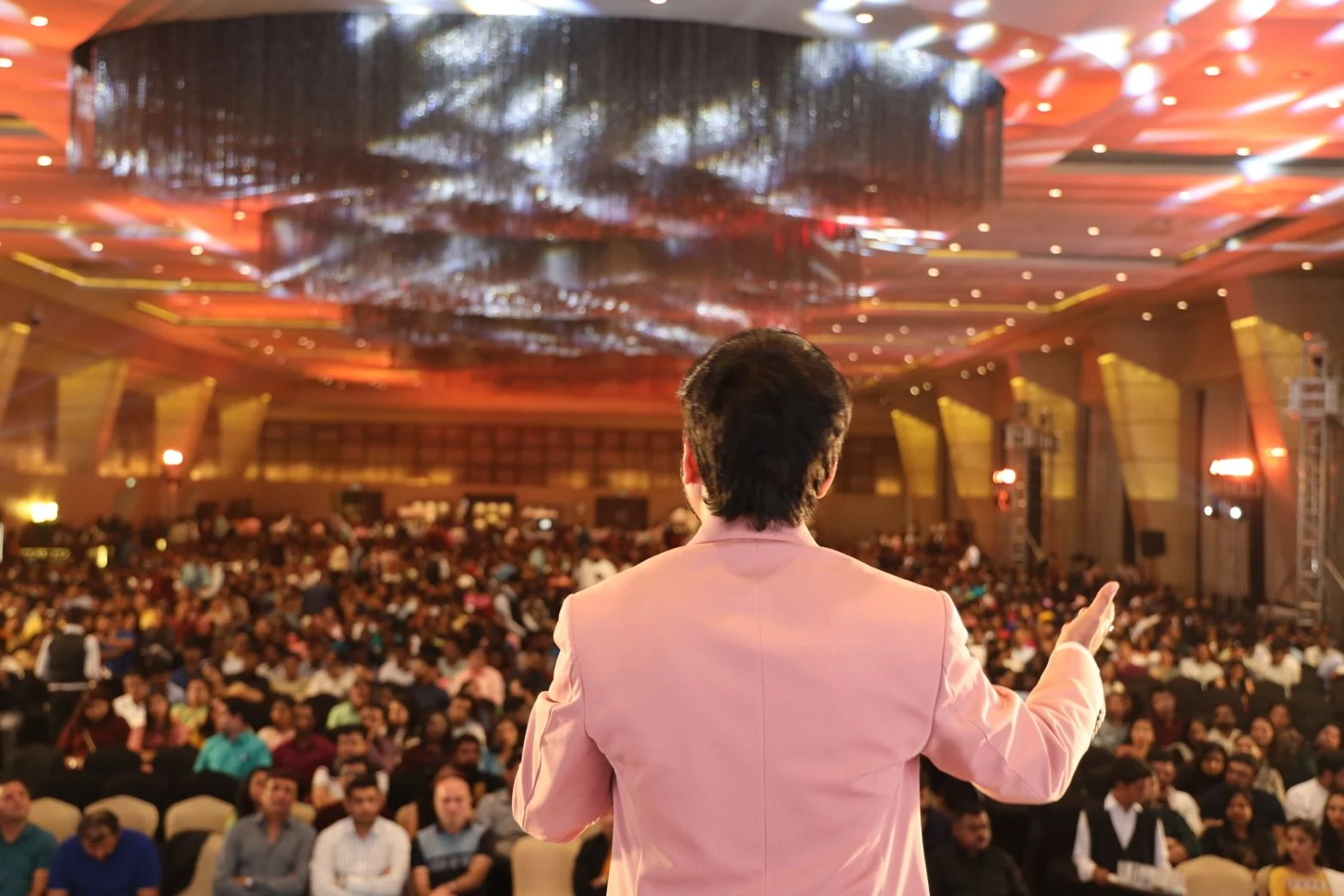
Avinash Chate - Leadership Coach at employee engagement session
The Hidden Cost of Anger at Work: Why Holding a Grudge Hurts You More Than You ThinkIn every workplace, there is usually someone who has stopped talking to someone else. A colleague felt insulted. A manager dismissed an idea. A team member took credit. A misunderstanding became a story, and that story slowly became distance. I have seen this pattern across 80+ organizations, and one truth stands out clearly: anger is rarely free.
Key takeaway: The moment we hold on to resentment, we start paying an invisible emotional and professional price. I call it the Grudge Tax.
I was reflecting on the widely discussed feud between Govinda and Krushna Abhishek and the emotional shift that came when Sunita Ahuja said, How long can I stay angry at my own kids? That line carries a deep human lesson. Whether in families or in workplaces, prolonged anger can become a habit, and habits can quietly damage relationships, performance, and peace of mind.
As Avinash Chate, a TEDx speaker and author of The Winning Edge, I believe some of the most important breakthroughs in leadership do not happen in boardrooms. They happen in the heart. They happen in the moment when a person decides that being right is less important than rebuilding connection.
What Is the Grudge Tax?
The Grudge Tax is the hidden cost we pay when we continue to carry unresolved anger. It does not appear on a balance sheet, but it shows up everywhere.
It reduces open communication.
It weakens trust between people.
It drains emotional energy.
It slows decision-making.
It creates invisible camps inside teams.
It affects confidence, morale, and collaboration.
Many professionals think, I am not reacting, I am just avoiding. But avoidance is also expensive. Silence can look calm from the outside while creating tension on the inside. A person may stop arguing, yet continue replaying the incident mentally. That repeated emotional replay is a tax.
In my corporate training sessions, I often remind participants that unresolved emotional friction does not stay personal for long. It becomes cultural. One grudge can influence an entire team’s tone.
When anger stays unresolved, it stops being an emotion and starts becoming an environment.
Why Smart People Hold On to Anger
Anger is not always about ego. Sometimes it comes from hurt, disappointment, betrayal, or a sense of injustice. Good people hold grudges because they feel deeply. High performers hold grudges because they care about standards. Leaders hold grudges because they expect loyalty. The problem is not that the emotion appears. The problem is when the emotion becomes identity.
People start saying things like:
I can never trust her again.
He always does this.
That team is impossible.
I am done with them.
These statements feel powerful in the moment, but they close the door to growth. Once we define a person only by one painful event, we stop allowing space for dialogue, maturity, and repair.
This is where emotional intelligence becomes essential. If you want to go deeper into this idea, I strongly recommend reading The Power of Emotional Intelligence at Workplace in Mumbai. Emotional intelligence is not about suppressing emotion. It is about understanding emotion before it starts controlling behavior.
How Anger Damages Teams and Leadership
In leadership and team building, the cost of anger is multiplied. A personal grudge in a team setting can lead to delayed feedback, passive-aggressive communication, selective support, and reduced cooperation. The result is not just emotional discomfort. The result is lower performance.
I have worked with organizations like Rajuri Steels, and one pattern is universal across industries: teams perform better when people feel safe enough to clear misunderstandings early. The strongest teams are not those without conflict. They are the teams that know how to process conflict without poisoning relationships.
In the KITE Leadership Framework, one of the most important leadership capabilities is the ability to transform tension into trust. A leader who cannot manage anger may still have authority, but will struggle to build influence. A leader who learns to respond with maturity creates a ripple effect across the culture.
Avinash Chate has always emphasized that leadership is not tested only in moments of applause. It is tested in moments of emotional discomfort. Can you stay composed when ignored? Can you remain fair when disappointed? Can you choose conversation over coldness?
These are not small questions. These are defining questions.
The Difference Between Forgiveness and Weakness
One reason people keep paying the Grudge Tax is that they confuse forgiveness with surrender. They think letting go means the other person wins. I see it differently.
Forgiveness is not approval. It is not pretending nothing happened. It is not abandoning boundaries. Forgiveness is choosing not to let pain occupy premium space in your mind any longer.
You can forgive and still be wise. You can reopen communication and still set expectations. You can let go of bitterness and still ask for accountability.
This is especially important in workplaces. Mature professionals do not avoid difficult conversations. They have them with dignity. If trust has been affected, rebuild it step by step. In fact, trust itself rests on predictable human behaviors, as I have explained in Credibility, Reliability, Intimacy: The Three Pillars of Trust.
When we understand trust deeply, we stop reacting impulsively and start repairing intentionally.
How to Stop Paying the Grudge Tax
If you are carrying anger toward someone at work, I want to offer a simple path forward.
Name the real loss
Ask yourself: what exactly hurt me? Was it disrespect, exclusion, broken trust, or public embarrassment? Clarity reduces emotional fog.
Measure the cost
What is this anger costing you today? Peace of mind? Teamwork? Focus? Energy? Influence? Growth? Sometimes we release anger only when we become honest about its price.
Separate the event from the identity
A person may have made a poor choice. That does not mean they are permanently defined by that one act. Leave room for maturity.
Initiate one courageous conversation
You do not need a dramatic confrontation. Start with one calm, respectful conversation. Speak to resolve, not to win.
Choose response over reaction
Before you speak, ask: what outcome do I want? Healing? Clarity? Closure? Alignment? Let purpose guide tone.
Build a culture where issues are addressed early
The longer conflict remains unspoken, the more stories people create. Healthy teams normalize respectful disagreement and timely dialogue.
Many great ideas and relationships are lost not because people lacked talent, but because they lacked the courage to revisit a painful moment. That is also why I encourage readers to explore Why Great Ideas Get Rejected at First: The Addiction Model Every Leader Must Understand. Sometimes our first reaction is not our wisest reaction.
What I Want Every Professional to Remember
The line, How long can I stay angry? is not just emotional. It is transformational. It forces us to ask whether our anger is still protecting us or simply imprisoning us.
As Avinash Chate, I have seen remarkable change happen when people choose maturity over emotional stubbornness. A manager reconnects with a team member. Two peers clear months of tension in one meaningful conversation. A leader apologizes. A team starts trusting again.
These are not soft moments. These are strong moments.
Avinash Chate, TEDx speaker and author of The Winning Edge, believes that personal growth begins when we stop glorifying emotional distance and start practicing emotional responsibility. In every workplace, someone has to take the first step. Why not you?
If you are a leader, remember this: your team is always learning from how you handle hurt. If you normalize grudges, your culture will become guarded. If you model respectful resolution, your culture will become stronger.
Let go, not because the other person deserves easy escape, but because you deserve freedom, clarity, and strength.
Book a corporate training session with Avinash Chate to build emotionally strong teams, better leaders, and a high-trust workplace culture. Visit here to get started.
Frequently Asked Questions
What is the Grudge Tax in the workplace?
The Grudge Tax is the hidden emotional and professional cost of holding on to resentment at work. It affects trust, communication, energy, collaboration, and overall performance.
Is forgiving someone at work a sign of weakness?
No. Forgiveness is a sign of maturity and emotional strength. It does not mean ignoring the issue. It means choosing a healthier response while still maintaining boundaries and accountability.
How do I resolve anger with a colleague without creating more conflict?
Start with a calm and respectful conversation. Focus on facts, describe the impact, and express the outcome you want. Speak to resolve the matter, not to prove a point.
How does anger affect team performance?
Unresolved anger reduces cooperation, delays communication, creates tension, and weakens trust. Over time, this can lower morale and impact the team’s ability to perform consistently.
How can leaders create a culture where grudges do not grow?
Leaders can encourage timely conversations, model emotional control, address misunderstandings early, and create a safe environment where people can disagree respectfully and repair relationships quickly.
Related Articles by Avinash Chate
- The Mirroring Technique That Helps You Build Trust and Close More Deals
- The Career Cost of Saying ‘I’m Not Ready’
- Motivational Speaker for Pune BPO and KPO Night-Shift Teams — Combating Burnout and Boosting Engagement
About the Author
Avinash Chate is a TEDx speaker, published author of The Winning Edge and The Unanswered, and founder of The Future Corporate & Business Coaching. With over 15 years of experience training 80+ organizations including Bhabha Atomic Research Centre, Ellora Natural Seed Pvt Ltd, Ferrero Rocher, Sports Authority of India, Avinash is recognized as Maharashtra's leading corporate trainer. He created the KITE Leadership Framework and the 25-Star Competency Framework™, delivering high-impact programs across leadership, team building, sales transformation, and emotional intelligence.
📞 +91 8793630001 | ✉️ connect@avinashchate.com | 🌐 avinashchate.com
Book Avinash Chate for Your Next Event
Maharashtra's #1 Corporate Trainer · India's leading Motivational Speaker & Team Building Expert · 2x TEDx · Available across India in English, Hindi & Marathi.
✅ Thanks! Avinash team will reach out within 24 hours.'}).catch(function(e){f.outerHTML='Something went wrong. WhatsApp +91 8793630001
'});return false;"> Select Service Motivational Speaking / Keynote Team Building Workshop Corporate Training / Leadership Development Manager Development Employee Training Outbound Training Book Avinash Now →Or WhatsApp directly: +91 87936 30001
Avinash Chate services
Corporate Trainer in Maharashtra · Top Corporate Trainers in Maharashtra · Leadership Trainer in Maharashtra · Top Leadership Trainers in Maharashtra · Team Building Trainer in Maharashtra · Top Team Building Trainers in Maharashtra · Motivational Speaker in Maharashtra · Top Motivational Speakers in Maharashtra · All service locations
← Back to all articles · Book Avinash Chate
By Avinash Chate — Maharashtra’s #1 Corporate Trainer & Motivational Speaker. .