Pakistan Viral Cricket Decision Explains Office Ego Politics Perfectly
In the corporate world, many capable professionals unknowingly pay a heavy price for their ego. A moment of anger, a silent protest, or an emotional decision of...
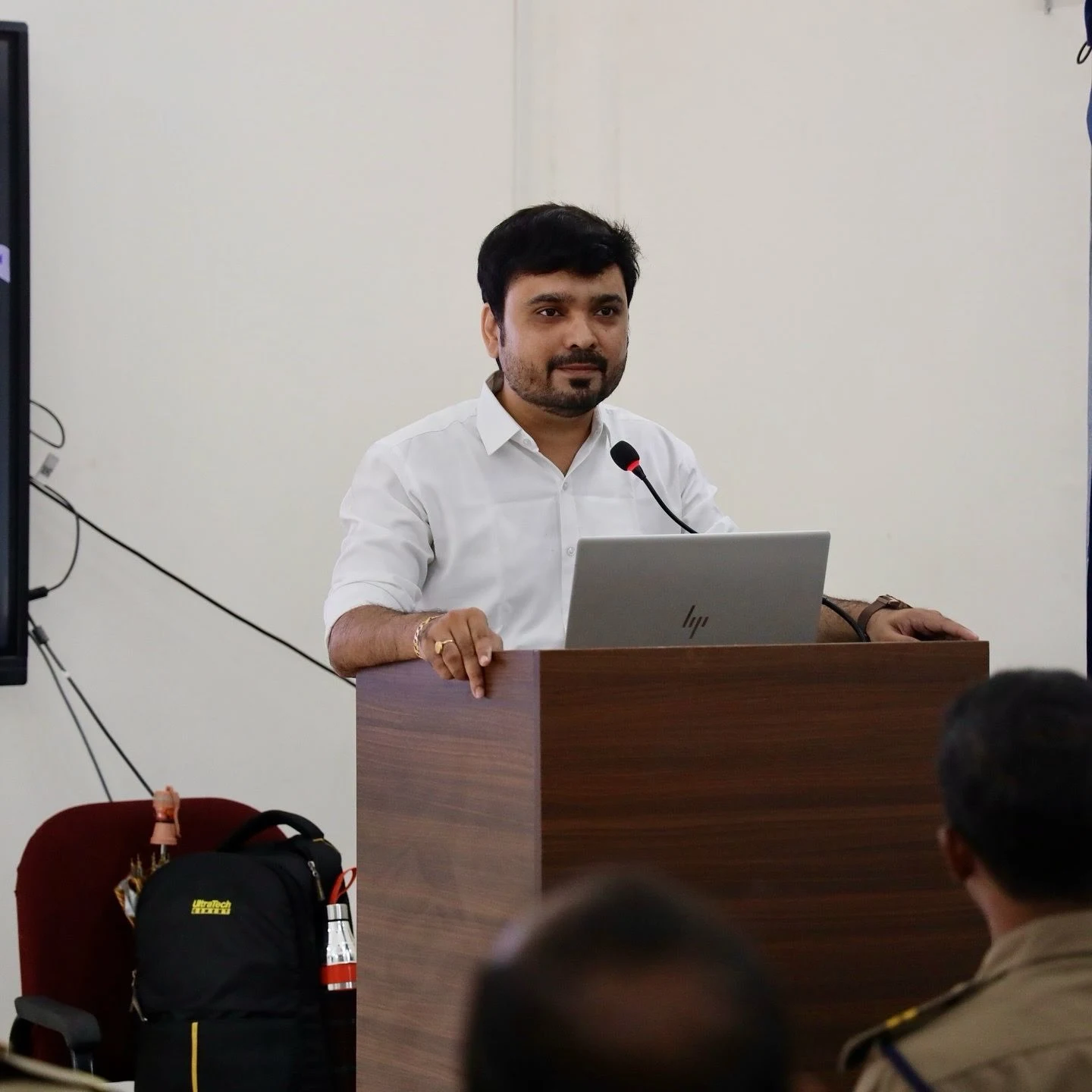
Avinash Chate - Corporate Coach at annual leadership conference
The Hidden Ego Tax at Work: What a Viral Cricket Decision Teaches Us About Career GrowthIn the corporate world, I have seen one pattern repeat itself across roles, industries, and leadership levels: talented people do not always lose because of lack of skill. Very often, they lose because of ego-driven decisions that feel emotionally correct in the moment but become professionally expensive later.
The biggest cost of ego is rarely immediate. It appears slowly as lost trust, delayed growth, broken communication, and missed opportunities.
That is what I call the ego tax. You may not see it on a payslip, but you pay for it in your career.
A recent cricket incident went viral because it was not just about sport. It reflected a human pattern we see every day in offices. One emotional decision, one symbolic reaction, one moment of “I will show them” can create consequences far bigger than the original issue. In cricket, the public sees drama. In the workplace, the same behavior hides behind silence, delayed replies, passive resistance, defensive meetings, and relationship damage.
As Avinash Chate, a TEDx speaker and author of The Winning Edge, I have worked with leaders and teams across 15+ years, and this lesson is universal: when ego takes control, performance starts leaking.
What Is Ego Tax in the Workplace?
Ego tax is the invisible price we pay when our need to protect pride becomes stronger than our commitment to results. It is not always loud. In fact, many ego decisions look respectable from the outside.
Someone says, “I am just maintaining my self-respect.” Another says, “Why should I message first?” A manager says, “Let them realize my value.” A team member says, “If they do not appreciate me, I will do only what is asked.”
All of these may sound justified. But if the real driver is wounded ego rather than thoughtful judgment, the cost begins to build.
Here is how ego tax shows up at work:
You stop sharing ideas because one suggestion was ignored.
You avoid collaboration because someone challenged you in a meeting.
You delay a response to prove a point.
You reject feedback because it hurts your identity.
You make a symbolic stand that weakens your long-term influence.
The tragedy is simple: ego promises dignity, but often delivers distance.
Why the Cricket Incident Feels So Familiar in Corporate Life
What made that cricket moment so powerful was not the event itself. It was the psychology behind it. We all recognized the emotional logic. Someone felt wronged. A reaction followed. The reaction may have looked strong, principled, or dramatic. But the deeper question is this: did it improve the outcome?
That same question belongs in every boardroom, every team huddle, and every performance review.
In organizations, people often confuse emotional satisfaction with strategic success. They think, “At least I made my point.” But making your point and making progress are not the same thing.
I have seen high-potential professionals damage their own momentum not because they lacked capability, but because they could not separate hurt from judgment. They resigned too early, confronted too harshly, withdrew too long, or refused to rebuild trust after conflict.
If your reaction protects your ego but weakens your future, it is not strength. It is a hidden self-sabotage.
This is especially dangerous for capable people. The more talented you are, the easier it is to assume that your competence will compensate for your emotional rigidity. It does not. Skill may get you noticed, but maturity keeps you growing.
The Real Damage Ego Creates Inside Teams
Most professionals think ego harms only the individual. That is incomplete. Ego spreads. It changes team energy, slows decisions, and creates a culture where people start protecting themselves more than the mission.
When one person acts from ego, others react from caution. Then communication becomes political. Meetings become performances. Feedback becomes filtered. Accountability becomes selective.
I have seen this in training rooms again and again. A team does not fail only because of poor systems. It often fails because people stop choosing progress over personal pride.
At Global-Tech India Pvt Ltd, one of the recurring leadership themes I have discussed with professionals is this: execution suffers when communication becomes emotionally loaded. A small unresolved ego issue between two key people can quietly slow an entire function.
Here is the real damage ego creates:
Trust reduces because intent is doubted.
Speed drops because decisions are delayed.
Innovation suffers because people fear being dismissed.
Ownership weakens because everyone starts keeping score.
Leadership credibility declines because reactions look personal, not purposeful.
This is why I tell leaders that ego is not just a personality issue. It is a business issue.
If this sounds familiar, you may also relate to another pattern I have written about in Your Business Runs on WhatsApp Groups — Here's Why That's Killing Your Growth. Many organizations do not realize how quickly informal, emotionally charged communication can weaken clarity and accountability.
How I Use the KITE Leadership Framework to Reduce Ego-Driven Decisions
One of the ways I help professionals think beyond emotional reactions is through the KITE Leadership Framework. It is practical because it pushes leaders to shift from impulse to intentionality.
When ego is activated, I encourage people to pause and ask four simple questions aligned with better leadership behavior.
K: What do I need to know before reacting?
I: What is the real impact of my response on trust, timing, and outcomes?
T: What is the most mature tone I can choose here?
E: What action serves the larger end goal, not just my current emotion?
This is where many professionals transform. They stop asking, “Who is right?” and start asking, “What moves this forward?” That shift changes careers.
As Avinash Chate, I do not believe emotional suppression is the answer. I believe emotional discipline is. You can feel strongly without reacting foolishly. You can disagree without becoming destructive. You can protect your dignity without damaging your future.
Five Signs You Are Paying Ego Tax Without Realizing It
Not all ego is obvious. Sometimes it hides behind professionalism, silence, or overcontrol. Here are five signs you may already be paying ego tax.
You replay disrespect more than you pursue results
If one comment, one exclusion, or one disagreement stays in your head for days, it may be shaping your actions more than you realize.
You want recognition before contribution
Healthy professionals contribute because they value the mission. Ego-driven professionals begin withholding effort when appreciation is delayed.
You avoid difficult conversations to protect your image
Sometimes ego does not shout. It hides. It says, “I should not have to explain myself.” But mature communication is not weakness. It is leadership.
You confuse stubbornness with self-respect
There is a difference between setting boundaries and refusing flexibility. One builds credibility. The other blocks growth.
You keep score in relationships
The moment every interaction becomes a ledger of who called, who appreciated, who apologized first, collaboration begins to die.
This also connects to identity. If your inner self-image is fragile, ego becomes your outer armor. That is why I recommend reading Is Your Self-Image Quietly Destroying Your Career?. Many workplace conflicts are not about the present situation at all. They are about an unhealed self-image reacting to it.
How to Respond Without Letting Ego Run the Show
So what should a professional do when hurt, ignored, challenged, or underestimated? The answer is not to become passive. The answer is to become strategic.
Here is the approach I recommend:
Pause before responding. Time reduces emotional distortion.
Separate facts from interpretation. What happened is one thing. What you are assuming about it is another.
Clarify the outcome you want. Revenge, validation, and progress are very different goals.
Communicate directly and calmly. Mature clarity beats emotional signaling.
Protect relationships where possible. Burning bridges may feel powerful, but it often limits future influence.
Choose long-term respect over short-term satisfaction.
I often tell participants in my sessions that your career is not built only by your intelligence. It is built by the quality of decisions you make when your emotions are strongest.
That is where real professionalism begins.
If you are a business leader, HR head, or founder trying to build emotionally mature teams, you may find this useful as well: The Complete Guide to Hiring a Motivational Speaker in Maharashtra for Maximum Business Impact. The right intervention can help teams move from ego battles to performance alignment.
The Career Advantage of Dropping Ego Faster
Let me be clear: I am not asking you to tolerate disrespect, suppress your voice, or become endlessly agreeable. I am asking you to become stronger than your impulse to react from wounded pride.
The professionals who grow fastest are not those who never feel hurt. They are the ones who recover faster, think clearer, and act wiser.
That is the difference between emotional reaction and professional response.
Avinash Chate has often said in leadership conversations that maturity is not measured by how strongly you feel, but by how responsibly you act when feelings are intense. I believe that deeply because I have seen it transform careers.
If one viral cricket incident can teach us anything, it is this: symbolic decisions may win attention, but thoughtful decisions win the future.
So the next time your ego says, “Show them,” pause and ask a better question: “What will this cost me tomorrow?”
That one question can save your relationships, your reputation, and your growth.
If you want to build a team that communicates better, handles conflict maturely, and performs without ego friction, book a corporate training session. As Avinash Chate, I help organizations build practical, high-impact behavioral change that improves both people and performance.
Frequently Asked Questions
What is ego tax in simple terms?
Ego tax is the hidden professional cost of reacting from pride, hurt, or emotional defensiveness instead of responding with maturity and strategy. It often shows up as damaged relationships, lost trust, and slower career growth.
How does ego affect workplace performance?
Ego affects workplace performance by reducing collaboration, delaying communication, increasing conflict, and making people prioritize personal validation over team outcomes. Over time, this weakens execution and culture.
Is self-respect the same as ego in corporate life?
No. Self-respect is healthy and necessary. Ego becomes harmful when it turns into rigid, reactive behavior that damages outcomes. Self-respect protects dignity, while ego often protects insecurity.
How can leaders reduce ego conflicts in teams?
Leaders can reduce ego conflicts by encouraging direct communication, setting clear expectations, modeling calm behavior under pressure, and creating a culture where feedback is normal and not treated as a personal attack.
When should an organization invest in behavioral training on ego and communication?
Organizations should invest in behavioral training when they notice recurring misunderstandings, defensive leadership, collaboration issues, low trust, or performance slowdowns caused by interpersonal friction rather than technical capability gaps.
About the Author
Avinash Chate is a TEDx speaker, published author of The Winning Edge and The Unanswered, and founder of The Future Corporate & Business Coaching. With over 15 years of experience training 80+ organizations including Sakla Group, Veritas Engineering & Erectors, Matchwell Engineering, Bajaj hospital, Avinash is recognized as Maharashtra's leading corporate trainer. He created the KITE Leadership Framework and the 25-Star Competency Framework™, delivering high-impact programs across leadership, team building, sales transformation, and emotional intelligence.
📞 +91 8793630001 | ✉️ connect@avinashchate.com | 🌐 avinashchate.com
Book Avinash Chate for Your Next Event
Maharashtra's #1 Corporate Trainer · India's leading Motivational Speaker & Team Building Expert · 2x TEDx · Available across India in English, Hindi & Marathi.
✅ Thanks! Avinash team will reach out within 24 hours.'}).catch(function(e){f.outerHTML='Something went wrong. WhatsApp +91 8793630001
'});return false;"> Select Service Motivational Speaking / Keynote Team Building Workshop Corporate Training / Leadership Development Manager Development Employee Training Outbound Training Book Avinash Now →Or WhatsApp directly: +91 87936 30001
Related Articles by Avinash Chate
- AJIT PAWAR'S CONTROVERSIAL STATEMENT REVEALS A BITTER TRUTH ABOUT YOUR WORKPLACE
- Matt Biondi at 1988 Seoul Olympics
- M-Tech Gandhi's Business Ideas for India's New-Gen Entrepreneurs 2026
Work with Avinash Chate
- Signature Corporate Training Programs →
- Motivational Speaking for Corporate Events →
- Best Motivational Speaker in Mumbai →
Avinash Chate services
Corporate Trainer in Maharashtra · Top Corporate Trainers in Maharashtra · Leadership Trainer in Maharashtra · Top Leadership Trainers in Maharashtra · Team Building Trainer in Maharashtra · Top Team Building Trainers in Maharashtra · Motivational Speaker in Maharashtra · Top Motivational Speakers in Maharashtra · All service locations
← Back to all articles · Book Avinash Chate
By Avinash Chate — Maharashtra’s #1 Corporate Trainer & Motivational Speaker. .