High Performing Teams Follow This Secret Rule of Giving
In many organizations, teams struggle not because of lack of talent, but because individuals focus more on personal success than collective growth. This creates...
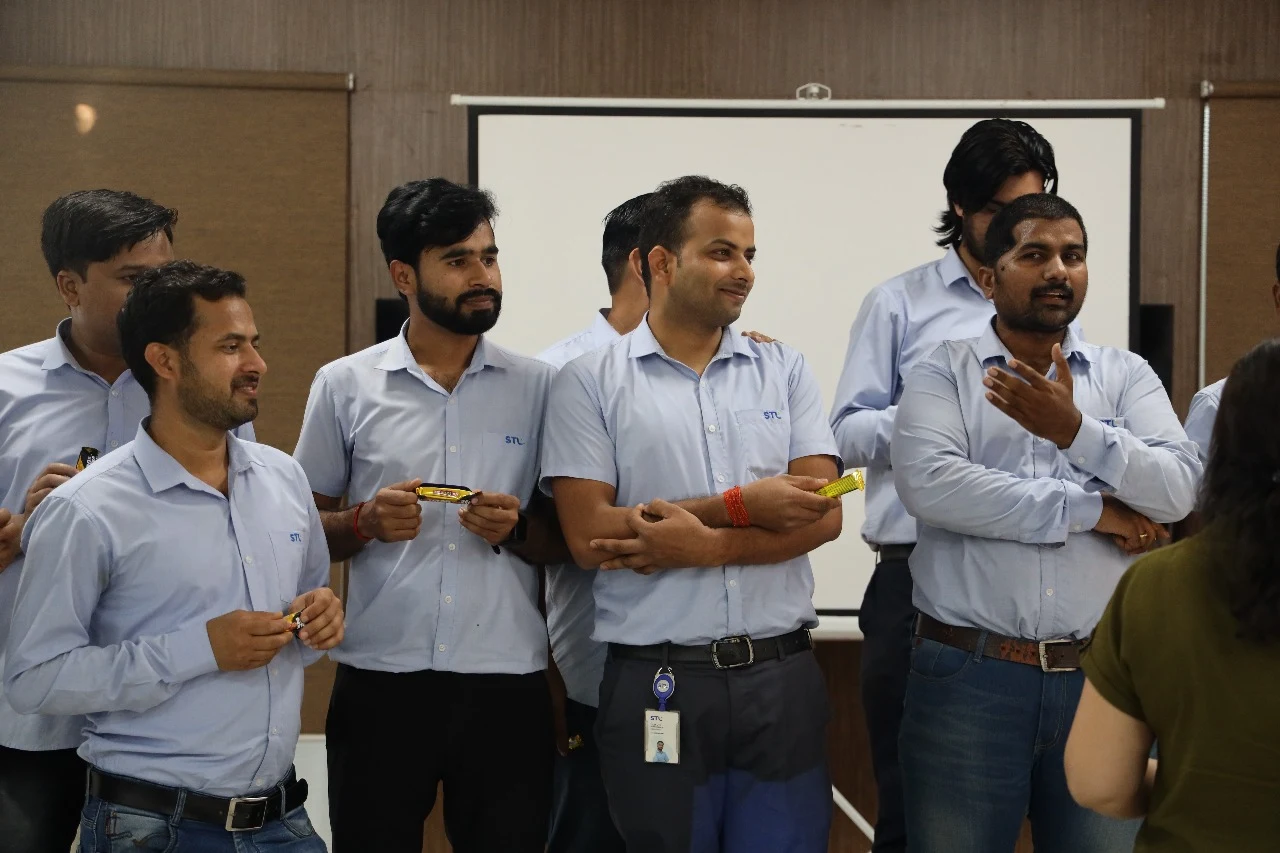
Avinash Chate - Team Building Expert conducting interactive workshop
The Secret Rule High-Performing Teams Follow: Give First, Win TogetherIn my work with leaders and teams across industries, I have seen one truth repeat itself again and again: teams do not fail because people are incapable. They fail because people become too focused on individual recognition and too disconnected from collective success.
The real secret of high-performing teams is simple: the best teams are built by givers, not just achievers.
When team members ask, “How do I help the customer win?” and “How do I help my team succeed?” performance changes at every level. Trust improves. Collaboration becomes natural. Accountability becomes stronger. Results become sustainable.
As Avinash Chate, I have shared this idea in training rooms, leadership sessions, and keynote platforms as a TEDx speaker and author of The Winning Edge. Over 15+ years, I have learned that lasting success is never created by isolated brilliance. It is created when people align around contribution.
When customers win, the company grows. When the company grows, teams grow. When teams grow, individuals rise with them.
Why talented teams still underperform
Many organizations hire smart people, invest in technology, and define ambitious goals. Yet the team still feels fragmented. Why? Because talent without the right mindset often creates competition instead of collaboration.
I have noticed that underperforming teams usually show a few common patterns. People protect information instead of sharing it. They chase personal credit instead of collective outcomes. They focus on being right instead of being useful. Slowly, trust weakens.
That is why I often tell leaders that performance is not only about capability. It is also about intention. A team becomes powerful when people stop asking, “What do I get?” and start asking, “What can I contribute?”
This shift may sound small, but it changes the emotional culture of the workplace. It affects meetings, decisions, ownership, customer experience, and execution speed.
The giver’s mindset and the success pyramid
The idea I often teach is what I call a practical success pyramid. At the base of the pyramid is customer success. If the customer does not win, the business cannot grow in a meaningful way. Above that comes company success. When the company grows, teams gain stability, opportunity, and momentum. At the top comes individual success.
Many people try to climb this pyramid from the top down. They want personal success first. They want recognition first. They want reward first. But high-performing teams understand that success works in the opposite direction.
First, help the customer succeed. Then the company becomes stronger. Then teams perform better. Then individuals are rewarded naturally.
Avinash Chate has seen this principle work in both large organizations and growing institutions. Even in environments where pressure is high, the teams that perform best are those that build a culture of giving value before demanding returns.
A giver’s mindset does not mean becoming weak, passive, or over-accommodating. It means becoming deeply valuable. It means solving problems, supporting others, sharing knowledge, and creating outcomes that matter.
What giving looks like inside a high-performing team
Giving in a team environment is not just about kindness. It is about disciplined contribution. It is visible in daily behavior.
Sharing information early so others can make better decisions
Helping a colleague succeed instead of watching them struggle
Taking ownership of customer outcomes, not just assigned tasks
Giving constructive feedback with respect and clarity
Celebrating team wins more than personal visibility
When I work with organizations, I encourage leaders to observe these behaviors more than only reviewing dashboards. Numbers matter, but the behaviors behind the numbers matter even more.
I remember how this principle resonated in conversations connected to Gurukul English School, where growth and learning were not treated as individual events but as shared responsibility. That same principle applies in corporate teams too. When people learn to lift one another, performance becomes more consistent.
This is also closely aligned with my KITE Leadership Framework, where leadership is not limited to designation. Leadership is expressed through the way people create trust, influence outcomes, and enable others to perform.
How leaders can build a giver culture without losing accountability
One concern leaders often raise is this: if we focus too much on giving, will people become soft on performance? My answer is no. In fact, the opposite is true. A strong giver culture increases accountability because people feel responsible not only for their own output but for the success of the whole system.
To build this culture, leaders need to do a few things consistently.
Reward collaboration, not just individual heroics
Recognize people who help customers and colleagues succeed
Make cross-functional support visible and appreciated
Encourage honest feedback without blame
Set goals that connect personal effort to team and customer outcomes
Culture is shaped by what leaders praise, tolerate, and repeat. If a leader celebrates only individual stars, people will compete for visibility. If a leader appreciates contribution, problem-solving, and customer-centric action, people will align around shared success.
This is one reason I often say that leadership development must go beyond theory. In fact, if you want to explore this further, you can read How I Create Impactful Leadership Development Programs That Actually Change Behavior. Real change happens when behavior becomes measurable, repeatable, and reinforced.
Why systems and tools must support team contribution
Mindset is essential, but systems matter too. Sometimes people want to collaborate, yet the organization makes it difficult. Information sits in silos. Tools do not connect. Processes create friction. In such cases, even good intentions get blocked.
That is why high-performing teams need both the right mindset and the right operating environment. If your systems are disconnected, people spend more time chasing updates than creating value.
I often advise leaders to examine whether their tools are helping teams serve customers better or simply adding complexity. If this challenge sounds familiar, read Why Your Business Tools Don't Connect: Avoiding Tech Frustration and Stop Buying Software. Start Building Systems That Fit Your Business.. A giver culture becomes far more effective when the organization’s systems support speed, clarity, and collaboration.
Avinash Chate believes that high performance is never accidental. It is designed through mindset, leadership, and systems working together.
The long-term advantage of teams that give first
The most successful teams are not the ones that only chase short-term wins. They are the ones that build reputations for trust, service, consistency, and shared ownership. These teams attract better relationships, stronger loyalty, and deeper commitment from both customers and colleagues.
When people operate with a giver’s mindset, something powerful happens. Conflict becomes more constructive. Silos begin to break. People stop guarding their value and start multiplying it.
As Avinash Chate, I have seen this in organizations of different sizes, functions, and industries. The teams that rise over time are not always the loudest or the most aggressive. They are the most aligned. They understand that helping others win is not a distraction from success. It is the path to success.
If you want your team to become truly high-performing, start with this question: are your people trained to compete internally, or are they inspired to contribute collectively?
The answer to that question will shape your culture, your customer experience, and your long-term growth.
If you are ready to build a stronger team culture rooted in trust, contribution, and performance, book a corporate training session with Avinash Chate. As a TEDx speaker and author of The Winning Edge, I help organizations create practical, high-impact learning experiences that improve behavior and business results.
Frequently Asked Questions
What is a giver’s mindset in a team?
A giver’s mindset means focusing on how you can help customers, colleagues, and the organization succeed. It is about contribution, collaboration, and creating value before expecting recognition.
Why do high-performing teams focus on collective success?
High-performing teams know that sustainable results come from trust, shared ownership, and aligned effort. When people prioritize the team and customer outcome, performance becomes more consistent.
Does a giver culture reduce accountability?
No. A healthy giver culture actually strengthens accountability because people feel responsible for more than their own tasks. They become committed to the success of the entire team and the customer experience.
How can leaders encourage a giver mindset?
Leaders can encourage it by rewarding collaboration, recognizing contribution, connecting goals to customer success, and creating an environment where feedback and support are part of daily work.
Can team performance improve through training?
Yes. The right training helps teams shift behavior, improve communication, build trust, and align around shared goals. With structured reinforcement, these changes can significantly improve team performance.
About the Author
Avinash Chate is a TEDx speaker, published author of The Winning Edge and The Unanswered, and founder of The Future Corporate & Business Coaching. With over 15 years of experience training 80+ organizations including Mahalaxmi Automotives Pvt Ltd, CIE Aluminium casting India Ltd, Veritas Engineering & Erectors, JSW Steel, Avinash is recognized as Maharashtra's leading corporate trainer. He created the KITE Leadership Framework and the 25-Star Competency Framework™, delivering high-impact programs across leadership, team building, sales transformation, and emotional intelligence.
📞 +91 8793630001 | ✉️ connect@avinashchate.com | 🌐 avinashchate.com
Book Avinash Chate for Your Next Event
Maharashtra's #1 Corporate Trainer · India's leading Motivational Speaker & Team Building Expert · 2x TEDx · Available across India in English, Hindi & Marathi.
✅ Thanks! Avinash team will reach out within 24 hours.'}).catch(function(e){f.outerHTML='Something went wrong. WhatsApp +91 8793630001
'});return false;"> Select Service Motivational Speaking / Keynote Team Building Workshop Corporate Training / Leadership Development Manager Development Employee Training Outbound Training Book Avinash Now →Or WhatsApp directly: +91 87936 30001
Related Articles by Avinash Chate
- Town Hall and All-Hands Meeting Speaker for Pune Corporates — Making Quarterly Townhalls Count
- Rajpal Yadav Controversy and Office Accountability Truth
- Gillette Secret Strategy That Every Business Owner Must Understand
Work with Avinash Chate
- Signature Corporate Training Programs →
- Best Motivational Speaker in Maharashtra →
- Team Building Trainer in Pune →
Avinash Chate services
Corporate Trainer in Maharashtra · Top Corporate Trainers in Maharashtra · Leadership Trainer in Maharashtra · Top Leadership Trainers in Maharashtra · Team Building Trainer in Maharashtra · Top Team Building Trainers in Maharashtra · Motivational Speaker in Maharashtra · Top Motivational Speakers in Maharashtra · All service locations
← Back to all articles · Book Avinash Chate
By Avinash Chate — Maharashtra’s #1 Corporate Trainer & Motivational Speaker. .