Empathy Training ने Cleveland Clinic वाचवली Reputation
अनेक संस्थांमध्ये कामगिरी कमी होते ती कौशल्यांच्या अभावामुळे नाही, तर लोकांना आपली कदर होत नाही असे वाटू लागल्यामुळे. Cleveland Clinic मध्ये रुग्ण समाधान कमी हो...
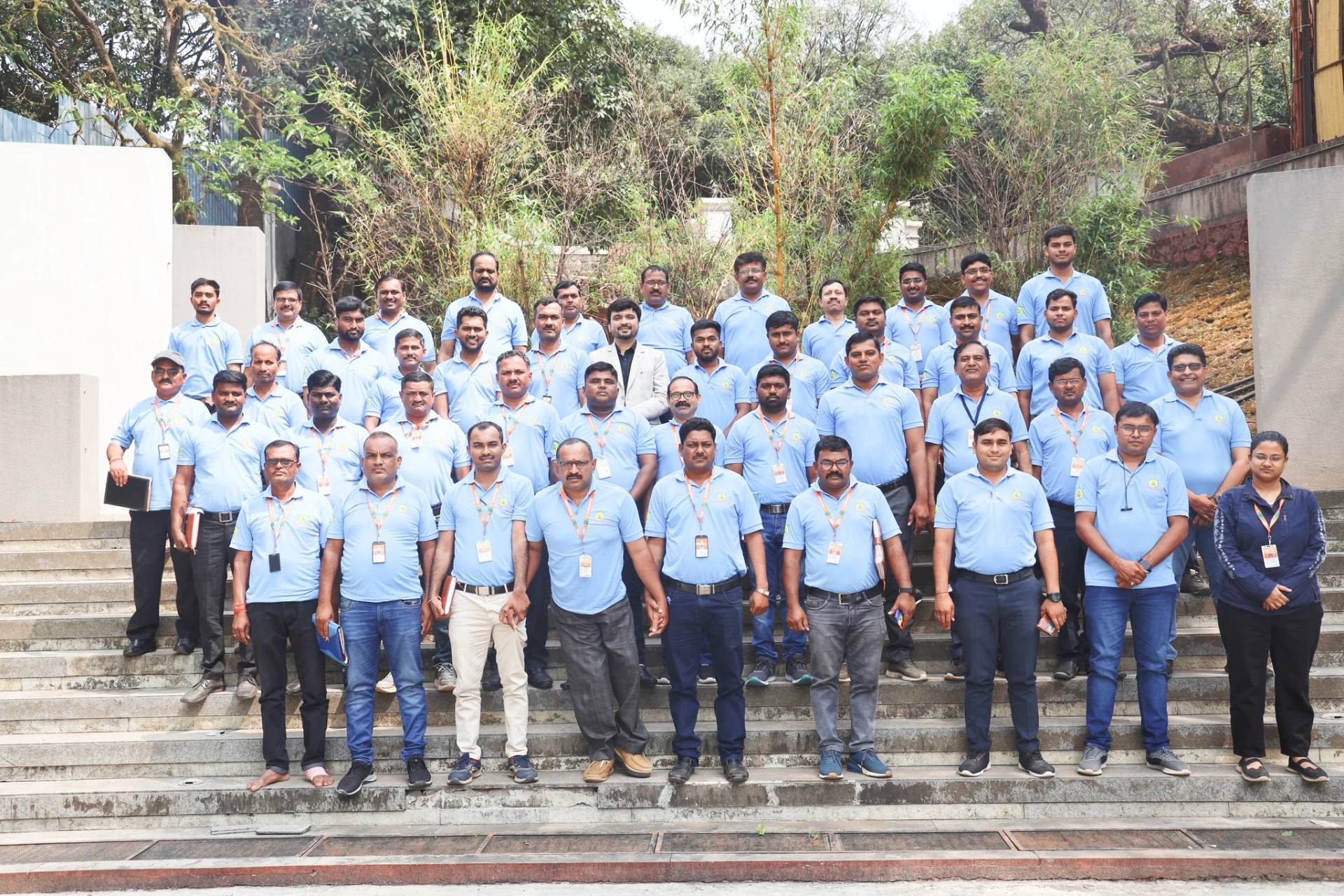
Avinash Chate - Leadership Development Expert training management team
How Empathy Training Can Rescue Performance, Trust, and ReputationIn my work with leaders and teams across industries, I have seen one truth repeat itself again and again: organizations rarely decline only because of weak technical capability. More often, they decline because people begin to feel invisible. Employees feel unheard. Customers feel uncared for. Clients feel processed rather than valued.
Key takeaway: empathy is not a soft extra. It is a business discipline that shapes trust, culture, customer experience, and long-term reputation.
The story of Cleveland Clinic is a powerful reminder of this reality. Their challenge was not that doctors, nurses, or support teams lacked qualifications. The real issue was perception and experience. Patients felt that the people serving them were not truly caring about what they were going through. That gap between competence and compassion started affecting satisfaction and reputation.
What changed the game was not a flashy campaign. It was a cultural intervention built around empathy training. Small, emotionally powerful videos were used regularly to help staff understand the patient experience more deeply. People were not just told to be empathetic. They were helped to feel why empathy matters.
As Avinash Chate, I often say that people may forget your process, but they never forget how your system made them feel. Whether we are talking about healthcare, manufacturing, education, IT, or services, the principle remains the same.
Why Empathy Is a Business Issue, Not Just a Human Value
Many leaders still treat empathy as something optional, nice to have, or relevant only in customer-facing roles. I disagree completely. Empathy affects every layer of organizational performance.
When empathy is absent, communication becomes transactional. Feedback becomes harsh or delayed. Meetings become mechanical. Managers start focusing only on targets, while employees quietly disengage. Customers begin to sense indifference. Over time, that emotional disconnect turns into attrition, poor service, weak collaboration, and reputation damage.
When empathy is present, however, something powerful happens. People listen better. They respond with more care. They reduce unnecessary conflict. They notice unspoken concerns. They solve the right problems, not just visible problems.
This is why I have consistently emphasized, through my sessions and writing as a TEDx speaker and author of The Winning Edge, that performance and empathy are not opposites. In strong organizations, they strengthen each other.
If you have read my article The Two Skills That Will Define Your Future Success: People Management and Sales, you will recognize this pattern. The ability to understand people is not separate from business success. It is central to it.
What Cleveland Clinic Got Right
What I admire about the Cleveland Clinic approach is its simplicity and consistency. They did not assume that one workshop would transform behavior. They created repeated emotional exposure to the patient perspective. That matters.
Most training fails not because the content is wrong, but because it is disconnected from daily experience. People attend a session, feel inspired for a few hours, and then return to old habits. Cleveland Clinic addressed this by making empathy visible, memorable, and recurring.
Their method highlights three lessons every organization can apply.
- Make empathy concrete. Do not define it only in abstract language. Show real situations, real emotions, and real consequences.
- Train everyone, not just leaders. Culture is not built by one department. It is built by everyone who shapes experience.
- Reinforce consistently. One reminder is information. Repetition creates culture.
In my own journey as Avinash Chate, working with 80+ organizations, I have seen that sustainable transformation happens when learning is embedded into rhythm, not treated as an event.
People do not experience an organization through strategy documents. They experience it through everyday human moments.
How I See This Play Out in Indian Organizations
Across India, many organizations are investing in technology, systems, dashboards, and productivity tools. All of that is important. But if people feel disrespected, ignored, or emotionally exhausted, no system can fully compensate for that damage.
I have worked with teams where managers believed the problem was low accountability, but the deeper issue was that employees felt no one cared about their challenges. I have seen customer-facing teams struggle not because they lacked product knowledge, but because they had stopped listening with patience. I have seen leaders unintentionally create fear, when what they wanted was speed.
That is why empathy training is relevant far beyond healthcare. It matters in factories, sales teams, schools, startups, large enterprises, and family-run businesses. Even in an organization like Bangdiwala Group, where operational discipline matters greatly, culture and human connection still influence engagement, trust, and execution.
Empathy does not mean lowering standards. It means understanding context before deciding action. It means asking one extra question. It means recognizing pressure, uncertainty, and emotion before jumping to judgment.
This is also aligned with the spirit of my KITE Leadership Framework, where leadership is not merely about direction and control, but about creating trust, influence, and emotional connection that moves people toward meaningful action.
Signs Your Organization Needs Empathy Training
Sometimes leaders ask me, “How do we know whether empathy is really our issue?” My answer is simple: look at the patterns beneath the numbers.
If customer complaints mention rude behavior, indifference, or poor communication, empathy may be missing. If employees say they are not heard, not appreciated, or afraid to speak openly, empathy may be missing. If teams are technically strong but collaboration is weak, empathy may be missing.
Here are some common warning signs I encourage leaders to notice.
- High performance pressure with low emotional support
- Frequent misunderstandings between departments
- Managers who focus only on tasks, not people
- Customer interactions that feel rushed and impersonal
- Low trust during change, restructuring, or growth phases
- Feedback cultures that create defensiveness instead of improvement
If these signs are present, the solution is not another motivational slogan. The solution is structured capability building.
I explored related workplace realities in Corporate Motivational Speaker for Kharadi and Magarpatta Tech Parks in Pune: Tackling Attrition and Hybrid Work Challenges. While the context may differ, the underlying truth remains the same: people stay engaged where they feel understood, respected, and connected.
How to Build Empathy Without Making It Superficial
One of the biggest mistakes organizations make is turning empathy into a slogan. Posters cannot create empathy. Occasional speeches cannot create empathy. Real empathy grows through awareness, practice, and reinforcement.
When I design learning interventions, I focus on practical behavior shifts. For example, leaders can be trained to pause before reacting, ask clarifying questions, listen for emotional cues, and acknowledge concerns without becoming defensive. Teams can learn how to handle difficult conversations with respect. Service staff can learn how small moments of tone, eye contact, and attention shape the total experience.
Here are a few practical ways to begin.
- Use real stories. Stories create emotional understanding faster than policy documents.
- Train managers first. Employees experience culture most directly through their immediate leaders.
- Create reflection moments. Ask teams to think about how their behavior feels from the other side.
- Measure experience, not just output. Satisfaction, trust, and engagement are signals of future performance.
- Reinforce through small rituals. Short videos, discussion prompts, and team huddles work well.
In many ways, this connects with a deeper lesson I shared in What Rural School Challenges Taught Me About Leadership, Learning, and Real Change. Real change happens when we stop treating people as categories and start seeing their lived experience.
The Leadership Responsibility We Cannot Ignore
Let me be direct. Empathy cannot be outsourced to HR alone. Leadership owns culture. If senior leaders behave with impatience, dismiss concerns, or reward only results without regard for how those results are achieved, the organization will absorb that message quickly.
On the other hand, when leaders model empathy, the impact is enormous. They create psychological safety. They improve decision quality because people share information earlier. They reduce friction. They protect trust during difficult times.
As Avinash Chate, I believe the strongest leaders are not those who appear emotionally distant. They are those who can combine clarity with compassion. They can hold standards and still remain human. They can drive execution and still protect dignity.
This is why empathy training is not about making workplaces sentimental. It is about making them more intelligent, more responsive, and more sustainable.
If Cleveland Clinic could use empathy to repair experience and strengthen reputation in a high-pressure environment, every organization can learn from that example. The context may differ, but the human need is universal: people want to feel that they matter.
Avinash Chate has long championed this idea in leadership and culture conversations. As a TEDx speaker and author of The Winning Edge, I continue to see that the organizations that win in the long run are not only efficient. They are emotionally aware.
If you want to build a culture where performance and humanity grow together, book a corporate training session. The future belongs to organizations that know how to combine skill with empathy.
Frequently Asked Questions
What is empathy training in an organizational context?
Empathy training helps employees and leaders understand the feelings, perspectives, and experiences of others so they can communicate better, serve better, and lead better. It turns human sensitivity into practical workplace behavior.
Can empathy training improve business performance?
Yes. Empathy improves trust, collaboration, customer experience, employee engagement, and retention. These outcomes directly influence performance, reputation, and long-term growth.
Is empathy training only useful for healthcare organizations?
No. While the Cleveland Clinic example comes from healthcare, empathy training is valuable in every sector where people interact, collaborate, manage, sell, support, or serve.
How can leaders make empathy part of culture?
Leaders can model listening, ask better questions, acknowledge concerns, train managers, use real stories in learning, and reinforce empathy through regular rituals and feedback systems.
How can I arrange a corporate empathy training session with Avinash Chate?
You can visit the official website and book a corporate training session through avinashchate.com to explore a program tailored to your team and culture goals.
Related Articles by Avinash Chate
- The Untold Truth Behind UPSC and MPSC Failure: What 99% of Aspirants Are Never Told
- Motivational Speaker for Mumbai's Hybrid Work Challenges — Bridging the Office-WFH Divide in India's Corporate Capital
- Best Motivational Speaker in Maharashtra — Top 10 Trainers 2026
About the Author
Avinash Chate is a TEDx speaker, published author of The Winning Edge and The Unanswered, and founder of The Future Corporate & Business Coaching. With over 15 years of experience training 80+ organizations including Mauli Sahkari Patsanstha Marya, CIE Aluminium casting India Ltd, Rajarambapu Patil Sahakari Sakhar Karkhana Limited, Aurangabad electricals, Avinash is recognized as Maharashtra's leading corporate trainer. He created the KITE Leadership Framework and the 25-Star Competency Framework™, delivering high-impact programs across leadership, team building, sales transformation, and emotional intelligence.
📞 +91 8793630001 | ✉️ connect@avinashchate.com | 🌐 avinashchate.com
Book Avinash Chate for Your Next Event
Maharashtra's #1 Corporate Trainer · India's leading Motivational Speaker & Team Building Expert · 2x TEDx · Available across India in English, Hindi & Marathi.
✅ Thanks! Avinash team will reach out within 24 hours.'}).catch(function(e){f.outerHTML='Something went wrong. WhatsApp +91 8793630001
'});return false;"> Select Service Motivational Speaking / Keynote Team Building Workshop Corporate Training / Leadership Development Manager Development Employee Training Outbound Training Book Avinash Now →Or WhatsApp directly: +91 87936 30001
Avinash Chate services
Corporate Trainer in Maharashtra · Top Corporate Trainers in Maharashtra · Leadership Trainer in Maharashtra · Top Leadership Trainers in Maharashtra · Team Building Trainer in Maharashtra · Top Team Building Trainers in Maharashtra · Motivational Speaker in Maharashtra · Top Motivational Speakers in Maharashtra · All service locations
← Back to all articles · Book Avinash Chate
By Avinash Chate — Maharashtra’s #1 Corporate Trainer & Motivational Speaker. .