Pakistan Promo And The Psychology Of Fake Narratives
In today’s workplace, narratives spread faster than truth. One statement, one interview, or one promotional video can suddenly change how people see a person, a...
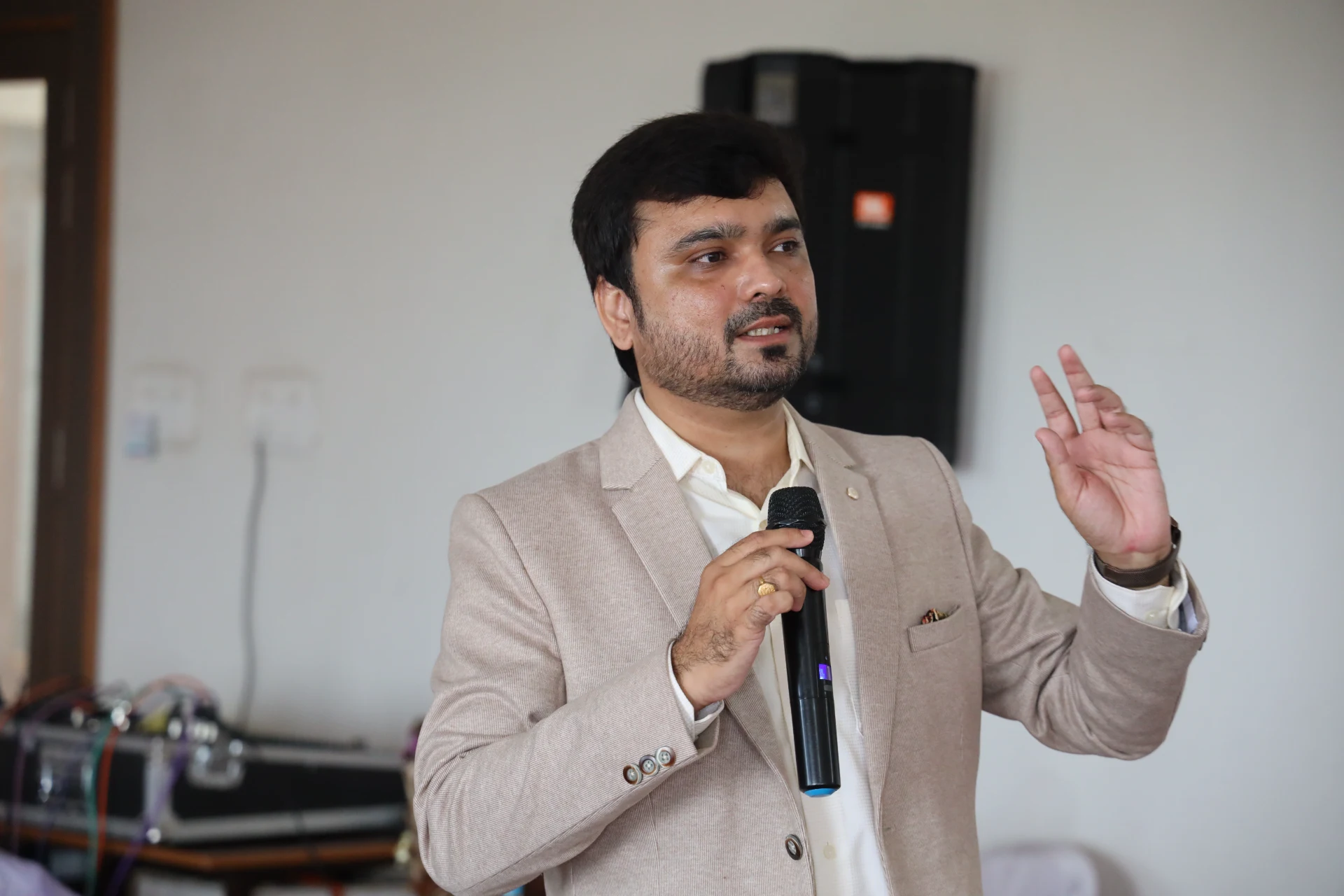
Avinash Chate - Top Motivational Speaker at corporate training program
How Fake Narratives Damage Trust at Work and What Strong Leaders Do DifferentlyIn every workplace, I have seen one dangerous pattern repeat itself: perception often travels faster than truth. A half-told story, a selective statement, or an emotionally charged version of events can quickly shape how people judge a colleague, a manager, or even an entire organization.
When I reflect on such situations, one lesson becomes very clear: fake narratives may create temporary attention, but they always damage long-term trust.
As a corporate trainer, TEDx speaker, and author of The Winning Edge, I have worked with leaders and teams across 80+ organizations, and I can say this with conviction: the real battle in professional life is not only about performance. It is also about credibility, emotional maturity, and the ability to respond wisely when narratives are distorted.
If you want to build a strong career, do not become a prisoner of noise. Build such character, consistency, and communication that truth can stand on its own.
This is exactly where leadership, soft skills, and personal responsibility become non-negotiable.
Why Fake Narratives Spread So Easily in Professional Life
Human beings are emotional before they are logical. That is why a dramatic story often gets more attention than a balanced explanation. In offices, this may happen when someone leaves an organization, misses a target, faces corrective feedback, or is asked to take accountability. Instead of accepting the reality, they may create a version that makes them look like a victim and others look unfair.
I have seen this happen in subtle and obvious ways. Sometimes the story is built through private conversations. Sometimes it is spread through public comments, selective screenshots, or emotional storytelling. The format may change, but the psychology remains the same: people try to protect their ego by changing the narrative.
This is not just about one individual. It affects team morale, manager credibility, and organizational culture. Once people begin believing emotionally convenient stories over verified facts, trust starts collapsing quietly.
Avinash Chate believes that this is one of the biggest leadership challenges in modern workplaces. Not because false stories are new, but because people are becoming more reactive, less reflective, and more eager to judge without context.
The Real Cost of Playing the Victim Card
Let me say this clearly: not every complaint is false, and not every employee is wrong. Genuine concerns must always be heard with fairness and respect. But there is a difference between raising a concern and manufacturing a narrative.
When someone avoids accountability and chooses image management over self-improvement, the cost is heavy. First, they stop learning. Second, they influence others negatively. Third, they train themselves to escape responsibility instead of building resilience.
In my sessions on motivation and personal growth, I often tell professionals that victimhood may give emotional comfort for a short time, but it destroys self-leadership in the long run. If every correction feels like an attack, and every consequence is presented as injustice, growth becomes impossible.
Strong professionals ask better questions. They ask: What was my role in this situation? What feedback did I ignore? What can I improve? How do I rebuild trust?
Weak professionals ask only one question: How do I make myself look right?
That difference defines careers.
What Leaders Must Do When Perception Starts Overpowering Facts
When false or exaggerated narratives begin circulating, leaders must avoid two extremes. The first is silence without strategy. The second is emotional overreaction. Both create more confusion.
I prefer a more grounded approach, and it aligns strongly with the KITE Leadership Framework. A leader must show clarity in communication, integrity in action, trust-building through consistency, and emotional balance under pressure. These qualities are essential when teams are exposed to gossip, speculation, or one-sided storytelling.
Here is what I advise leaders to do.
Address facts calmly and clearly without attacking individuals.
Document decisions and communicate expectations in a professional manner.
Separate emotion from evidence before taking action.
Reinforce team values such as accountability, respect, and transparency.
Protect dignity, even when someone has behaved immaturely.
The best leaders do not win by shouting louder. They win by staying credible longer.
This is something I have discussed in How I Use Storytelling Techniques to Build Better Leadership and Team Motivation. Stories are powerful, but leaders must use them to build trust and meaning, not manipulation and confusion.
How Teams Can Protect Themselves from Emotional Contagion
One person’s fake narrative can quickly become a team’s emotional reality if people are not careful. That is why team members also need maturity. Every professional has a responsibility to avoid becoming an amplifier of unverified stories.
I encourage teams to practice a few simple disciplines. Listen fully before forming opinions. Do not glorify gossip. Ask for context. Respect confidentiality. And most importantly, do not confuse sympathy with truth.
Healthy teams are not teams without conflict. They are teams where people know how to deal with conflict without poisoning the culture.
During one of my leadership interventions with professionals from NRB Bearings, I saw how open communication and shared accountability can reduce misunderstanding dramatically. When people are encouraged to speak honestly, receive feedback maturely, and align around common goals, the space for fake narratives becomes much smaller.
This is why Avinash Chate continues to emphasize communication skills, emotional intelligence, and team trust in every corporate training engagement. Culture is not protected by slogans. It is protected by daily behavior.
Personal Growth Begins When You Stop Editing the Truth
If you want my honest view, the biggest damage fake narratives cause is internal. When people repeatedly distort reality to protect their self-image, they weaken their own character. They may win temporary sympathy, but they lose the chance to become better.
Personal growth starts with truth. Sometimes that truth is uncomfortable. Maybe you were not terminated unfairly; maybe you ignored repeated feedback. Maybe your manager was not biased; maybe your performance was inconsistent. Maybe the team did not isolate you; maybe your attitude pushed people away.
This kind of reflection is not easy, but it is powerful.
As Avinash Chate, I have always believed that mature professionals do not fear feedback. They use it. They do not run from accountability. They develop through it. They do not build careers by controlling perception alone. They build careers by becoming trustworthy, dependable, and emotionally strong.
If this mindset resonates with you, you may also find value in Best Motivational Speaker in Hyderabad for Sales Kick-Off Events and Corporate Motivational Speaker for Chikalthana MIDC Pharma Companies in Aurangabad, where I share more insights on motivation, performance, and leadership under pressure.
What I Want Every Professional to Remember
In a world full of noise, your greatest strength is not clever image-building. It is credibility. People may be temporarily influenced by dramatic storytelling, but over time they trust those whose actions, words, and values remain aligned.
So if you are facing a false narrative at work, do not panic. Stay calm. Stay factual. Stay dignified. Let your communication be clear, your conduct be professional, and your consistency speak louder than accusation.
And if you are tempted to create a false narrative yourself, pause and ask: am I protecting my future, or just defending my ego?
That one question can change your career.
I have spent 15+ years helping individuals and organizations strengthen leadership, motivation, communication, and team culture. My message remains the same: truth may move slowly, but when supported by character and clarity, it becomes unstoppable.
If you want to build a workplace where trust is stronger than gossip and accountability is stronger than excuses, book a corporate training session with me.
Frequently Asked Questions
Why do fake narratives spread so quickly in workplaces?
They spread quickly because people react strongly to emotional stories, especially when facts are incomplete. Drama often gets attention faster than balanced communication.
How should a leader respond to a false narrative?
A leader should respond with calm, factual communication, documented clarity, and emotional maturity. Overreacting usually makes the issue worse.
What is the difference between a genuine concern and a fake narrative?
A genuine concern seeks fairness and resolution. A fake narrative usually avoids accountability and tries to manipulate perception by presenting only one side emotionally.
How can teams reduce the impact of gossip and distorted stories?
Teams can reduce the impact by encouraging open communication, checking facts, avoiding gossip, and building a culture of respect and accountability.
How does personal growth connect with accountability?
Personal growth begins when individuals stop blaming others for everything and start reflecting honestly on their own actions, choices, and areas of improvement.
Related Articles by Avinash Chate
- Why You Stay Silent in Meetings and How to Speak with Confidence
- The Commitment Deficit: Why Missed Promises Damage Trust More Than Failure
- Why Sales Teams Work Hard but Still Don’t Grow Consistently
About the Author
Avinash Chate is a TEDx speaker, published author of The Winning Edge and The Unanswered, and founder of The Future Corporate & Business Coaching. With over 15 years of experience training 80+ organizations including Daspati Maratha Charitable Trust Mumbai, Mumbai Port Authority, NRB Bearings, Global-Tech India Pvt Ltd, Avinash is recognized as Maharashtra's leading corporate trainer. He created the KITE Leadership Framework and the 25-Star Competency Framework™, delivering high-impact programs across leadership, team building, sales transformation, and emotional intelligence.
📞 +91 8793630001 | ✉️ connect@avinashchate.com | 🌐 avinashchate.com
Book Avinash Chate for Your Next Event
Maharashtra's #1 Corporate Trainer · India's leading Motivational Speaker & Team Building Expert · 2x TEDx · Available across India in English, Hindi & Marathi.
✅ Thanks! Avinash team will reach out within 24 hours.'}).catch(function(e){f.outerHTML='Something went wrong. WhatsApp +91 8793630001
'});return false;"> Select Service Motivational Speaking / Keynote Team Building Workshop Corporate Training / Leadership Development Manager Development Employee Training Outbound Training Book Avinash Now →Or WhatsApp directly: +91 87936 30001
Avinash Chate services
Corporate Trainer in Maharashtra · Top Corporate Trainers in Maharashtra · Leadership Trainer in Maharashtra · Top Leadership Trainers in Maharashtra · Team Building Trainer in Maharashtra · Top Team Building Trainers in Maharashtra · Motivational Speaker in Maharashtra · Top Motivational Speakers in Maharashtra · All service locations
← Back to all articles · Book Avinash Chate
By Avinash Chate — Maharashtra’s #1 Corporate Trainer & Motivational Speaker. .