Divya Khosla Controversy Exposes Two Faced People
Ever trusted the wrong person at work and regretted it later? This video shows you exactly how two faced colleagues operate and how to protect your career from ...
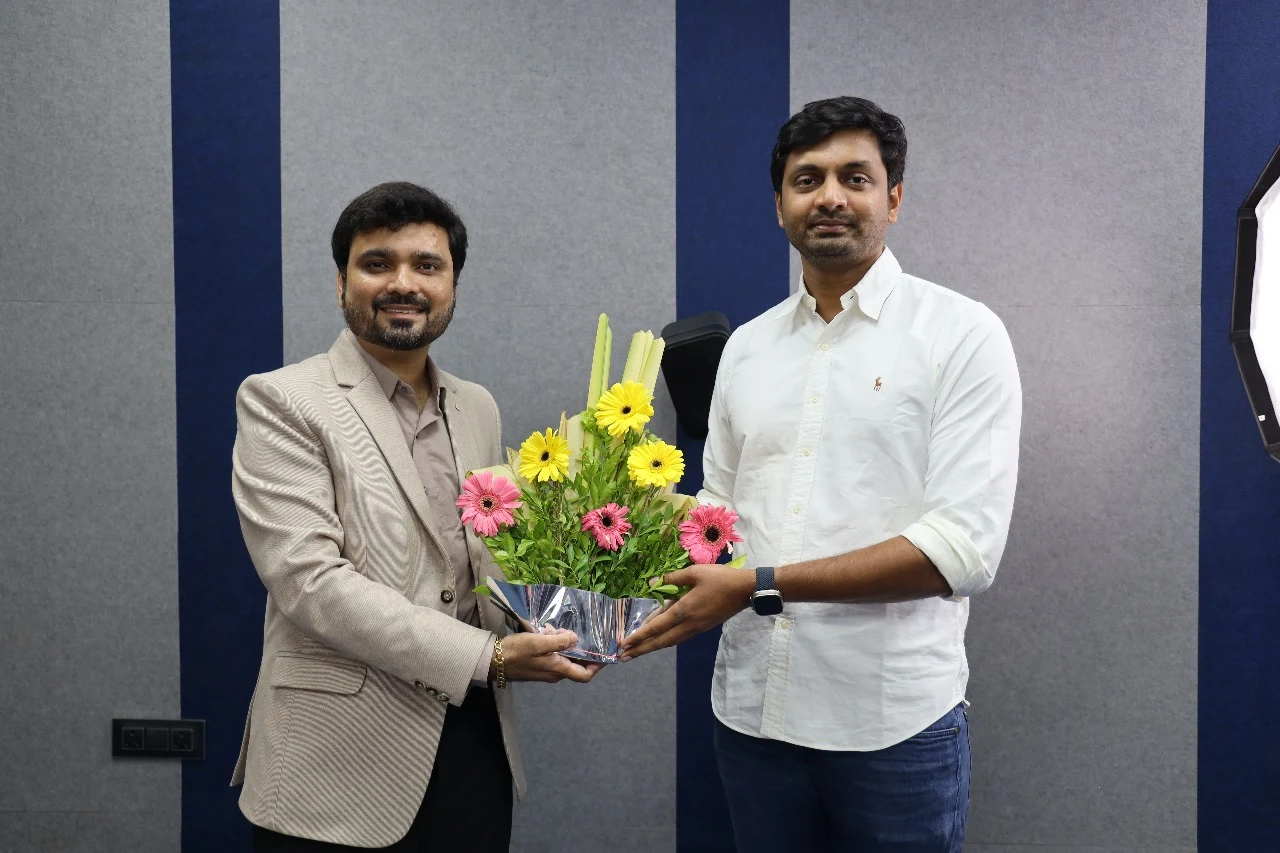
Avinash Chate - Top Motivational Speaker at corporate training program
How I Protect My Peace and Career from Two-Faced People at WorkIn every workplace, trust is a powerful currency. The moment trust breaks, collaboration suffers, communication becomes guarded, and performance begins to decline. I have seen many professionals struggle not because they lacked talent, but because they failed to recognise two-faced behaviour early enough.
Key takeaway: not everyone who smiles with you stands with you. The real skill is not becoming fearful of people, but becoming wiser in how you observe, communicate, and respond.
As a corporate trainer, Avinash Chate has often spoken about one hard truth of professional life: office politics does not begin with loud conflict; it begins with hidden intent. A person may praise you in meetings, agree with you in private, and then quietly weaken your credibility elsewhere. If you do not know how to handle such people, your confidence can suffer even more than your results.
I want to use this topic not as gossip, but as a leadership lesson. Whether you are an employee, manager, entrepreneur, or team member, you must learn how to protect your peace, your image, and your growth from people who operate with two different faces.
What Two-Faced Behaviour Really Looks Like at Work
Two-faced people are rarely obvious in the beginning. That is why so many good professionals get trapped. These individuals understand appearances. They know how to sound supportive, how to behave politely, and how to create an image of loyalty. But their actions tell a different story.
They may agree with your ideas in one conversation and later present those same ideas as weak or risky before someone senior. They may act friendly with teammates while quietly spreading doubt, confusion, or half-truths. They may praise collaboration publicly but privately encourage division.
This is why I always say that character is not revealed by words alone. Character is revealed by consistency.
In my sessions, I remind participants that emotional maturity means learning to observe patterns, not isolated incidents. One misunderstanding can happen with anyone. But repeated contradiction between words and actions is a warning sign.
If someone constantly changes their tone depending on who is in front of them, you are not dealing with diplomacy. You are dealing with manipulation.
Why Good People Often Miss the Warning Signs
Many sincere professionals assume others think the same way they do. If they are honest, they expect honesty. If they are respectful, they expect respect. If they are team-oriented, they expect teamwork. Unfortunately, workplace reality does not always reward innocence.
I have noticed that high-performing people often stay focused on work and ignore people signals. They believe results alone will protect them. But in many organisations, perception also matters. Relationships matter. Communication matters. Reputation matters.
This is one reason leadership development is so important. Through the KITE Leadership Framework, I often emphasise that trust and influence are built not only through competence, but through awareness. A capable professional who lacks people awareness can become vulnerable to hidden agendas.
Avinash Chate, a TEDx speaker and author of The Winning Edge, has trained professionals across 80+ organizations, and one pattern remains common: people usually regret what they ignored, not what they confronted respectfully.
When your instinct tells you something feels off, do not become paranoid. But do not become careless either. Calm observation is one of the strongest soft skills in any workplace.
How I Identify Two-Faced Colleagues Without Becoming Negative
I do not believe in labelling people too quickly. But I do believe in protecting myself through intelligent observation. Here are some practical signs I encourage professionals to watch closely.
- They speak differently in different rooms. Their values shift based on the audience.
- They overpraise in public and undercut in private. Their compliments feel strategic, not genuine.
- They collect information too eagerly. They ask personal or professional details that they later use selectively.
- They avoid direct conversations. Instead of addressing issues with you, they discuss you with others.
- They create confusion. They say just enough to trigger doubt, but never enough to take responsibility.
These signs do not mean you must react emotionally. They mean you must become more deliberate. Document important discussions mentally. Confirm key points clearly. Keep your communication professional. Do not overshare. And most importantly, do not get pulled into the same game.
I have worked with teams from respected organisations such as Prism Johnson Limited, and one lesson stands out everywhere: healthy teams do not grow through suspicion, but they do require clarity, accountability, and mature communication.
How to Respond Without Damaging Your Own Reputation
The biggest mistake people make with two-faced colleagues is reacting impulsively. The moment you become emotional, loud, or defensive, the manipulative person often gains an advantage. They want you to lose balance because your reaction helps their story.
Instead, I recommend a more powerful response.
- Stay calm. Emotional control is your first protection.
- Clarify directly. If needed, ask simple and respectful questions in the right setting.
- Use written confirmation where appropriate. Clear follow-up communication reduces distortion.
- Build credibility consistently. A strong professional image is your long-term shield.
- Strengthen healthy alliances. Trustworthy relationships matter in every organisation.
Notice that none of these steps involve revenge. I never encourage professionals to become bitter. I encourage them to become stronger. There is a difference.
Sometimes the best answer to hidden politics is visible professionalism. When your work is solid, your communication is clear, and your conduct is balanced, it becomes harder for others to damage your reputation.
Do not fight two-faced behaviour by becoming two-faced yourself. Protect your career through clarity, composure, and character.
If this idea connects with you, I also recommend reading Why Dictate and Retreat Fails in Leadership. It explains why weak leadership often creates the space where unhealthy behaviour grows.
How Leaders Can Stop This Behaviour from Spreading in Teams
If you are in a leadership role, this issue is not just personal. It is cultural. A team becomes unsafe when people feel that truth is risky and performance is not enough. In such environments, politics rises and trust falls.
Leaders must create a culture where communication is direct, respectful, and accountable. That means not encouraging gossip, not rewarding flattery, and not ignoring patterns simply because someone appears polished.
I always tell leaders that team building is not about fun activities alone. It is about psychological safety. It is about creating an environment where people can disagree honestly without fear, where feedback is transparent, and where hidden agendas find no oxygen.
Avinash Chate often highlights that sustainable success comes from consistency in behaviour. That is why the lesson in Why Consistency Matters More After Success is so relevant here. Success without consistency creates image. Consistency with integrity creates trust.
Leaders should also remember that growth conversations matter. When people feel seen, heard, and respected, they are less likely to engage in destructive politics. But when insecurity is left unmanaged, it often appears as manipulation, backchannel influence, and emotional games.
What I Choose to Focus on Instead of Office Politics
I have learned that while I cannot control every person, I can control my standards. I can choose how I speak, how I respond, and how I build my credibility. This mindset protects both peace of mind and professional growth.
Whenever I discuss workplace behaviour, I bring the focus back to self-leadership. Ask yourself: am I becoming more emotionally strong, more observant, more articulate, and more values-driven? Because in the end, your long-term success depends less on one difficult person and more on the quality of your own response.
Even when the world around you feels dramatic, your strength can remain grounded. Learn to trust slowly. Communicate clearly. Respect everyone, but do not surrender your judgment. Be warm, but not naive. Be professional, but not passive.
Interestingly, even when we look at broader change and uncertainty in industries, the core lesson remains human adaptability and awareness. That is one reason some readers also reflect on people readiness through articles like AI Is Changing Mechanical Engineering Faster Than You Think, where the deeper takeaway is not about tools, but about how professionals must stay prepared, resilient, and relevant through change.
My message is simple: do not let two-faced people make you cynical. Let them make you wiser.
If you want your teams to build trust, communication strength, leadership maturity, and workplace confidence, book a corporate training session. As Avinash Chate, I believe every professional can learn how to handle difficult people without losing dignity, focus, or momentum.
Frequently Asked Questions
How can I identify a two-faced colleague early?
Look for repeated inconsistency between what they say to you and how they behave with others. Watch patterns over time instead of reacting to one isolated incident.
Should I confront a two-faced person directly?
Yes, but with calmness and professionalism. Ask clear questions, avoid emotional accusations, and focus on facts and communication rather than personal attacks.
Can two-faced behaviour affect team performance?
Absolutely. It damages trust, creates confusion, increases insecurity, and weakens collaboration. Over time, even strong teams can lose morale and productivity.
What should leaders do to reduce office politics?
Leaders should encourage direct communication, discourage gossip, reward integrity, and create a culture of accountability where hidden agendas do not thrive.
How do I protect my reputation at work?
Stay consistent, communicate clearly, maintain professionalism, and build credibility through reliable work and respectful relationships. Reputation is strengthened by repeated behaviour.
Related Articles by Avinash Chate
- The Mirroring Technique That Helps You Build Trust and Close More Deals
- Motivational Speaker for Pune BPO and KPO Night-Shift Teams — Combating Burnout and Boosting Engagement
- Micro Management vs Ownership: Lessons for Maharashtra's Corporate Leaders
About the Author
Avinash Chate is a TEDx speaker, published author of The Winning Edge and The Unanswered, and founder of The Future Corporate & Business Coaching. With over 15 years of experience training 80+ organizations including Kiran Gems, Gadharva Finchart Enterprises LLP, Rajuri Steels, Daspati Maratha Charitable Trust Mumbai, Avinash is recognized as Maharashtra's leading corporate trainer. He created the KITE Leadership Framework and the 25-Star Competency Framework™, delivering high-impact programs across leadership, team building, sales transformation, and emotional intelligence.
📞 +91 8793630001 | ✉️ connect@avinashchate.com | 🌐 avinashchate.com
Book Avinash Chate for Your Next Event
Maharashtra's #1 Corporate Trainer · India's leading Motivational Speaker & Team Building Expert · 2x TEDx · Available across India in English, Hindi & Marathi.
✅ Thanks! Avinash team will reach out within 24 hours.'}).catch(function(e){f.outerHTML='Something went wrong. WhatsApp +91 8793630001
'});return false;"> Select Service Motivational Speaking / Keynote Team Building Workshop Corporate Training / Leadership Development Manager Development Employee Training Outbound Training Book Avinash Now →Or WhatsApp directly: +91 87936 30001
Avinash Chate services
Corporate Trainer in Maharashtra · Top Corporate Trainers in Maharashtra · Leadership Trainer in Maharashtra · Top Leadership Trainers in Maharashtra · Team Building Trainer in Maharashtra · Top Team Building Trainers in Maharashtra · Motivational Speaker in Maharashtra · Top Motivational Speakers in Maharashtra · All service locations
← Back to all articles · Book Avinash Chate
By Avinash Chate — Maharashtra’s #1 Corporate Trainer & Motivational Speaker. .