How I Create Impactful Leadership Development Programs That Actually Change Behavior
Discover how to design leadership development programs that go beyond theory and create measurable behavior change, stronger teams, and lasting business impact across organizations.
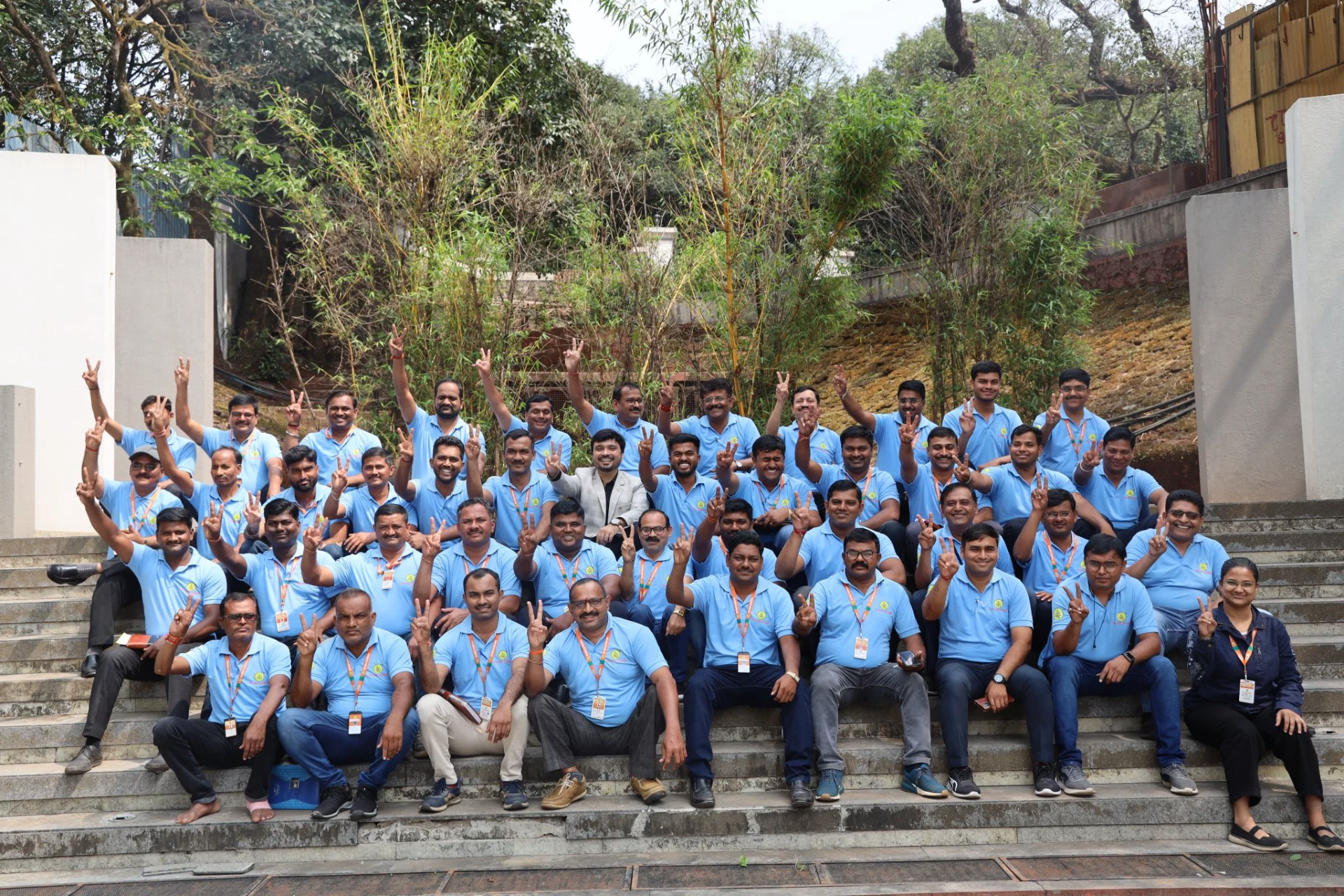
Avinash Chate - Corporate Coach at annual leadership conference
How I Create Impactful Leadership Development Programs That Actually Change BehaviorLeadership development fails when it becomes an event instead of a system. I have seen organizations invest heavily in workshops, offsites, and motivational sessions, only to discover that very little changes once people return to work. That is why I believe impactful leadership development programs must be practical, measurable, and deeply connected to business reality.
The key takeaway is simple: if leadership learning does not translate into better decisions, stronger communication, higher accountability, and healthier team culture, it is not development. It is only exposure.
Over 15+ years, I have worked with leaders across functions and industries, and one lesson stands out every time: people do not become better leaders because they attended a program. They become better leaders because the program helps them think differently, behave differently, and lead consistently under pressure. As Avinash Chate, a TEDx speaker and author of The Winning Edge, I have built leadership interventions around this principle for modern organizations that want outcomes, not just attendance.
In this article, I will share how I approach leadership development in a way that works for a pan-India workforce, diverse teams, and evolving business expectations.
Start With Business Outcomes, Not Training Topics
The first mistake many organizations make is starting with a menu of topics. They ask whether they need communication training, executive presence, conflict management, delegation, or coaching skills. These topics matter, but they should not be the starting point.
I begin by asking a different set of questions. What business challenges are leaders struggling to solve? Where is performance getting blocked? Are managers failing to retain talent? Are cross-functional teams slowing down execution? Are first-time leaders avoiding difficult conversations? Are senior leaders not creating enough ownership in their teams?
When leadership development is anchored in business outcomes, the design becomes sharper. The content becomes relevant. The participants see the connection between learning and results. That is when engagement increases.
For example, in one engagement context similar to what growth-focused firms like Global-Tech India Pvt Ltd require, leadership capability was not just about inspiration. It was about improving alignment, decision speed, and accountability across levels. Once the real challenge was defined, the program became far more effective.
This is also why I encourage leaders to study adjacent ideas that influence workplace behavior. My article on Workplace Psychology: How Leaders Should React to Good News highlights how everyday managerial responses shape team trust and motivation more than many formal training sessions do.
Identify the Right Leadership Level Before Designing the Program
Not all leaders need the same development journey. A first-time manager, a mid-level functional leader, and a senior business head face very different expectations. Yet many organizations still run one generic program and hope everyone benefits equally.
I do not believe in one-size-fits-all leadership development. The real impact comes when the program reflects the leadership stage.
First-time managers need help shifting from individual contribution to people leadership. They must learn delegation, feedback, team motivation, meeting effectiveness, and ownership building.
Mid-level leaders need to manage complexity. They must learn cross-functional influence, conflict resolution, prioritization, coaching, and execution through others.
Senior leaders need strategic thinking, culture shaping, decision quality, stakeholder communication, and the ability to build future leaders.
When I design programs, I map the leadership expectations clearly. This is where frameworks become useful. I often draw from the KITE Leadership Framework to create structured development journeys that are practical and easy to apply. A framework gives leaders a common language. It also helps organizations measure progress more effectively.
As Avinash Chate, I have found that clarity of leadership level prevents content overload and improves adoption dramatically. The more precise the design, the more visible the behavior change.
Build Around Behavior Change, Not Information Delivery
One of the biggest myths in corporate learning is that knowledge creates transformation. It does not. Information can inspire awareness, but leadership impact comes from repeated behavior change.
That is why I design leadership development programs with application built into the experience. Instead of only explaining concepts, I focus on practice. Leaders work through real scenarios, difficult conversations, delegation challenges, team conflicts, and decision-making situations that mirror their daily reality.
I encourage reflection, peer discussion, role-play, action commitments, and manager accountability. If participants leave with only notes, the program is incomplete. If they leave with specific behavior commitments and a system to practice them, the program begins to create momentum.
For organizations evaluating external expertise, it also helps to understand what a high-impact training approach looks like in practice. My article Best Corporate Trainer in Mumbai for Fortune 500 Companies explains the standards serious organizations should expect from leadership and capability-building interventions.
I have also learned that behavior change increases when leaders understand the emotional side of performance. Many leadership problems are not technical. They are psychological. People avoid feedback because they fear conflict. They hesitate to delegate because they fear losing control. They delay decisions because they fear being wrong. Good leadership development must address these hidden barriers.
Leadership growth becomes real when a leader starts doing the uncomfortable things consistently and effectively.
Create Reinforcement Beyond the Workshop
A workshop can start the process, but reinforcement is what creates lasting change. This is where many leadership development programs lose their power. There is energy in the room, positive feedback at the end, and then silence.
I prefer a layered approach. The workshop is only one part of the journey. Reinforcement can include post-session action plans, manager check-ins, peer learning circles, reflection exercises, short nudges, and follow-up coaching conversations.
When leaders revisit the same ideas in the context of real work, learning becomes embedded. Without reinforcement, even strong sessions fade quickly under the pressure of deadlines and operational demands.
This matters even more in today’s environment, where technology, systems, and leadership expectations are changing together. Leaders are not only managing people. They are helping teams adapt to new tools, new workflows, and new decision environments. That is one reason I often encourage leaders to think beyond traditional development silos and explore how business systems are evolving. My piece on Why Your 15 Lakh ERP Needs AI to Stay Relevant is a useful reminder that leadership today must integrate people readiness with business transformation.
As Avinash Chate, I have seen reinforcement make the difference between a memorable session and a meaningful shift in culture. Sustainable development needs continuity.
Measure What Actually Matters
If leadership development is important, it must be measured properly. Too often, organizations rely only on participant feedback forms. While satisfaction matters, it is not enough. A highly rated session is not automatically a high-impact session.
I recommend measuring leadership development across multiple levels. Start with relevance and engagement, but go further. Track behavior commitments. Observe changes in team communication. Review manager effectiveness indicators. Look at retention, collaboration quality, execution discipline, and internal feedback patterns where possible.
Even simple before-and-after assessment methods can create powerful insights. What matters is that the organization defines success clearly before the program begins.
For example, if the goal is to improve delegation, then leaders should be evaluated on whether they are distributing responsibility better, reducing dependency, and creating more ownership in teams. If the goal is to improve feedback culture, then the indicators should reflect frequency, quality, and confidence in feedback conversations.
When measurement is practical and tied to business reality, leadership development stops being seen as a soft initiative. It becomes a strategic capability builder.
Make the Program Culturally Relevant and Human
For a pan-India audience, leadership development must respect the diversity of industries, team cultures, communication styles, and organizational maturity levels. What works in one business context may not work in another. That is why I always adapt examples, case studies, and facilitation style to the audience in front of me.
Leaders respond best when they feel understood, not lectured. They want practical tools, but they also want credibility. They want frameworks, but they also want realism. They want motivation, but they trust applicability more than slogans.
As a TEDx speaker and author of The Winning Edge, I have learned that leadership development becomes powerful when it balances inspiration with implementation. People should leave energized, but they should also leave equipped.
This is the standard I bring to every intervention as Avinash Chate. The goal is not to impress participants for a day. The goal is to help them lead better when the pressure is real, the stakes are high, and the easy option is to fall back into old habits.
If you want to create leadership development programs that truly build stronger managers, sharper decision-makers, and healthier team cultures, the answer is not more content. The answer is better design, better relevance, better reinforcement, and better accountability.
If your organization is ready to build a leadership development journey that creates measurable impact, book a corporate training session with me.
Frequently Asked Questions
What makes a leadership development program truly impactful?
An impactful leadership development program creates visible behavior change, not just participant enthusiasm. It should be tied to business outcomes, designed for the right leadership level, and reinforced after the workshop through action plans, coaching, and accountability.
How long should a leadership development program run?
The most effective programs usually go beyond a single session. While workshops can launch learning, sustained development often needs a structured journey with reinforcement over weeks or months so leaders can practice and apply new behaviors.
Should leadership development be different for first-time managers and senior leaders?
Yes. First-time managers need support with delegation, feedback, and team management, while senior leaders need stronger focus on strategy, culture, stakeholder alignment, and building future leaders. A common program for all levels usually reduces impact.
How can organizations measure leadership development success?
Organizations should measure more than satisfaction scores. They should track behavior changes, team outcomes, communication quality, accountability, retention patterns, and other business indicators linked to the original goals of the program.
Why do many leadership development programs fail after the workshop ends?
They fail because there is no reinforcement. Without follow-up, practice, manager support, and accountability, leaders return to old habits. Real development requires continuity beyond the training room.
About the Author
Avinash Chate is a TEDx speaker, published author of The Winning Edge and The Unanswered, and founder of The Future Corporate & Business Coaching. With over 15 years of experience training 80+ organizations including Magnus Farm Fresh, Mauli Sahkari Patsanstha Marya, Kaeser Compressors India, Daspati Maratha Charitable Trust Mumbai, Avinash is recognized as Maharashtra's leading corporate trainer. He created the KITE Leadership Framework and the 25-Star Competency Framework™, delivering high-impact programs across leadership, team building, sales transformation, and emotional intelligence.
📞 +91 8793630001 | ✉️ connect@avinashchate.com | 🌐 avinashchate.com
Book Avinash Chate for Your Next Event
Maharashtra's #1 Corporate Trainer · India's leading Motivational Speaker & Team Building Expert · 2x TEDx · Available across India in English, Hindi & Marathi.
✅ Thanks! Avinash team will reach out within 24 hours.'}).catch(function(e){f.outerHTML='Something went wrong. WhatsApp +91 8793630001
'});return false;"> Select Service Motivational Speaking / Keynote Team Building Workshop Corporate Training / Leadership Development Manager Development Employee Training Outbound Training Book Avinash Now →Or WhatsApp directly: +91 87936 30001
Related Articles by Avinash Chate
- The Power of Positive Reinforcement in Workplace Motivation
- Avinash Chate: Motivational Speaker for Vikhroli and Godrej One Teams
- The Benefits of Combining NLP Techniques with Corporate Training
Work with Avinash Chate
- Best Motivational Speaker in Maharashtra →
- Motivational Speaking for Corporate Events →
- Signature Corporate Training Programs →
Avinash Chate services
Corporate Trainer in Maharashtra · Top Corporate Trainers in Maharashtra · Leadership Trainer in Maharashtra · Top Leadership Trainers in Maharashtra · Team Building Trainer in Maharashtra · Top Team Building Trainers in Maharashtra · Motivational Speaker in Maharashtra · Top Motivational Speakers in Maharashtra · All service locations
← Back to all articles · Book Avinash Chate
By Avinash Chate — Maharashtra’s #1 Corporate Trainer & Motivational Speaker. .