How to Develop Resilience in Teams During Times of Change and Uncertainty
Learn how to develop resilience in teams during change and uncertainty through trust, communication, leadership clarity, and practical systems that help people adapt and perform consistently.
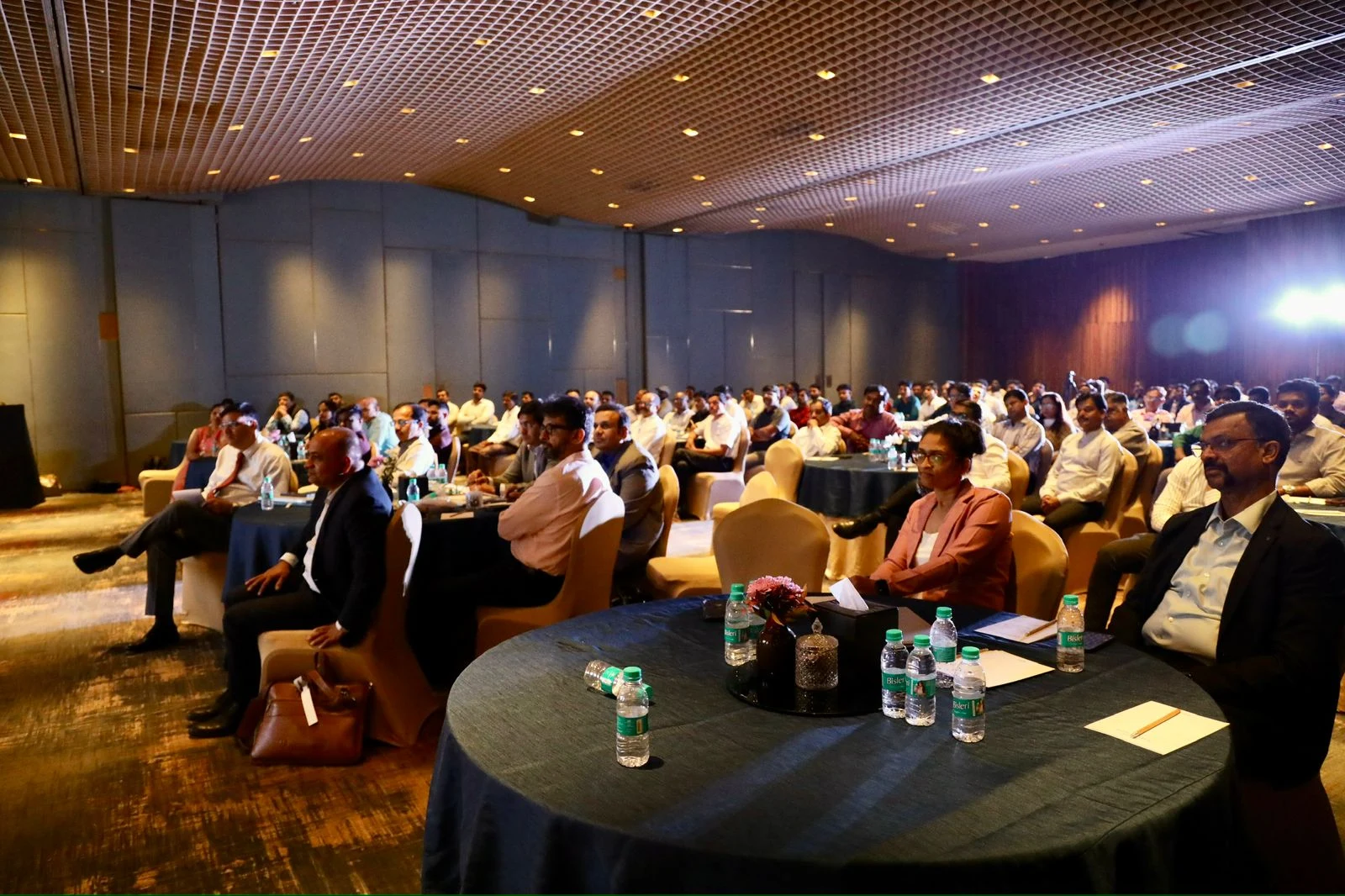
Avinash Chate - Best Corporate Trainer conducting leadership session
How to Develop Resilience in Teams During Times of Change and UncertaintyChange tests every team. Uncertainty exposes every weakness in communication, leadership, trust, and culture. In my work with leaders across industries, I have seen one truth repeat itself: resilient teams are not built by motivation alone. They are built through clarity, emotional safety, disciplined habits, and leadership consistency.
Key takeaway: team resilience is not about asking people to “stay strong.” It is about creating conditions where people can adapt, recover, and keep moving forward together even when the future is unclear.
As Avinash Chate, a TEDx speaker and author of The Winning Edge, I have worked with leaders from 80+ organizations and watched how teams respond under pressure. Some teams panic, fragment, and lose momentum. Others become calmer, more connected, and more resourceful. The difference usually comes down to how leaders shape the environment during disruption.
If you want your team to stay productive, engaged, and emotionally steady during change, resilience must become a leadership practice, not a slogan.
Understand What Team Resilience Really Means
Many people confuse resilience with toughness. They assume resilient teams do not feel stress, fear, or frustration. That is not true. Resilient teams absolutely feel pressure. What makes them different is that they know how to process challenges without collapsing into blame, confusion, or helplessness.
Team resilience is the collective ability to absorb disruption, adjust quickly, support one another, and continue delivering meaningful work. It includes emotional strength, operational discipline, and shared belief.
In practical terms, a resilient team can handle shifting priorities, unexpected setbacks, leadership transitions, market volatility, and internal change without losing its core effectiveness. That does not happen by accident. It happens when leaders intentionally build resilience into everyday team culture.
One of the most useful ways to think about this is through the KITE Leadership Framework, which emphasizes the importance of knowledge, inspiration, transformation, and execution. During uncertain times, leaders must not only explain what is happening but also inspire confidence, enable adaptation, and create disciplined action.
Create Psychological Safety Before You Need It
Resilience grows faster in teams where people feel safe to speak honestly. If team members are afraid to ask questions, admit mistakes, or challenge assumptions, uncertainty becomes even more dangerous. Silence increases risk. Fear slows response. Hidden concerns turn into bigger problems.
This is why psychological safety is one of the strongest foundations of resilience. People need to know they can say, “I am not clear,” “I need help,” or “I see a risk here,” without being judged or dismissed.
I often tell leaders that trust is not built during a crisis. A crisis reveals whether trust was built earlier. If you want resilient teams, create a culture where listening is normal, feedback is welcomed, and people are treated with respect even when performance pressure is high.
In one leadership conversation connected to Navsahyadri Education Society's Group of Institutions, the lesson was clear: when people feel heard, they become more willing to adapt. When they feel ignored, even good decisions are resisted. That is why communication style matters as much as strategy.
If trust is already low in your team, I recommend reflecting on deeper leadership signals. You may also find value in reading When People Don’t Trust Good Intentions: The Leadership Lesson Behind Free Education.
Lead with Clarity, Not False Certainty
During uncertainty, many leaders make one of two mistakes. They either say too little, which creates anxiety, or they pretend to have all the answers, which destroys credibility later. Resilient teams need something more powerful than overconfidence. They need clarity.
Clarity means being honest about what is known, what is unknown, what is changing, and what remains non-negotiable. It means giving people a stable direction even when the path is evolving.
When I coach leaders, I encourage them to communicate around four anchors.
- What is happening: explain the situation in simple terms.
- What it means: help people understand the impact on priorities, roles, and timelines.
- What matters now: identify the most important actions for the present moment.
- How we will move forward: show the review rhythm, decision process, and support available.
This approach reduces panic because people stop wasting energy on guesswork. Clarity does not remove uncertainty, but it reduces confusion. And when confusion reduces, resilience rises.
People can handle difficult realities better than they can handle unclear realities.
As Avinash Chate, I have seen teams regain momentum simply because their leaders replaced vague reassurance with structured communication.
Build Resilience Through Team Habits, Not One-Time Workshops
Resilience is not created in a single offsite or motivational session. It is built through repeated habits that shape how a team thinks and responds every week. Leaders who want durable resilience should focus on routines that strengthen adaptability.
Start with regular check-ins that go beyond task updates. Ask people what obstacles they are facing, where they need support, and what risks they see emerging. These conversations help teams spot stress early instead of reacting late.
Next, normalize short reflection cycles. After a difficult week, a missed target, or a major change, ask three questions: What worked? What did not work? What will we do differently now? This keeps the team learning instead of blaming.
Another powerful habit is role clarity. In uncertain times, confusion about ownership creates frustration and delays. Resilient teams know who is deciding, who is executing, who is supporting, and what success looks like in the current phase.
Finally, celebrate adaptive behavior, not just outcomes. Recognize people who stayed calm, collaborated well, solved problems creatively, or supported others during stress. When leaders reward these behaviors, resilience becomes part of team identity.
If you are strengthening performance culture at the same time, you may also like Building High Performance Teams in Corporate Pune: Strategies for Success. The principles of resilience and performance are deeply connected.
Strengthen Emotional Endurance Without Ignoring Human Limits
One of the biggest leadership mistakes during change is expecting people to keep absorbing pressure without recovery. That is not resilience. That is exhaustion disguised as commitment.
Resilient teams need emotional endurance, but they also need recovery systems. Leaders must pay attention to overload, decision fatigue, and emotional burnout. If people are constantly firefighting, they may still be working hard, but their resilience is shrinking.
In my sessions, I encourage leaders to watch for early warning signs: irritability, silence in meetings, reduced initiative, repeated errors, and loss of collaboration. These are not always performance issues. Often, they are signals that the team’s emotional capacity is under strain.
Support can be simple and practical. Re-prioritize work. Reduce unnecessary meetings. Clarify deadlines. Encourage peer support. Give people space to reset after intense periods. Most importantly, model calm behavior yourself. Teams borrow emotional cues from leaders. If the leader is reactive, the team becomes anxious. If the leader is grounded, the team becomes steadier.
I have found that resilient leadership is not loud. It is composed, clear, and humane. That is a principle I have carried consistently as Avinash Chate in my work with organizations navigating rapid change.
Turn Uncertainty into Shared Ownership
When change is imposed from the top without involvement, resistance rises. When people feel they have a role in shaping the response, resilience grows. Shared ownership gives teams a sense of agency, and agency is essential during uncertainty.
Invite your team into problem-solving. Ask for ideas on managing new challenges. Involve them in redesigning workflows. Encourage them to identify customer risks, operational gaps, and quick improvements. People support what they help create.
This does not mean every decision must be democratic. Leadership still requires direction. But resilient teams perform better when members feel like contributors rather than passive recipients of change.
One reason employees disengage during disruption is that they feel change is happening to them, not with them. That is why retention, trust, and resilience often overlap. If this is an issue in your organization, I recommend reading Why Your Best Employees Are Quitting — And It's Not About the Salary.
When teams have ownership, they become more inventive, more responsible, and more committed to collective success. That is the point where resilience stops being a defensive response and becomes a strategic strength.
What Leaders Must Do Consistently
If you want to develop resilience in teams during times of change and uncertainty, focus less on dramatic interventions and more on consistent leadership behavior. Be visible. Communicate regularly. Listen deeply. Set priorities. Reduce ambiguity. Reinforce trust. Encourage learning. Protect energy. Recognize effort. Repeat these actions until they become culture.
Resilience is not built when everything is easy. It is built when leaders respond to difficulty in ways that create confidence and capability. Over time, teams begin to say, “We can handle this,” not because the environment is stable, but because their internal foundation is strong.
That is the kind of leadership I believe organizations need today. As Avinash Chate, I have seen that resilient teams do more than survive change. They grow through it, strengthen relationships, and emerge with greater maturity and performance.
If you want to build resilient, high-performing teams in your organization, book a corporate training session with me. The right leadership practices can help your people face uncertainty with confidence, discipline, and unity.
Frequently Asked Questions
What is team resilience in the workplace?
Team resilience is the ability of a group to handle stress, adapt to change, recover from setbacks, and continue working effectively together during uncertainty.
How can leaders build resilience in teams?
Leaders can build resilience by creating psychological safety, communicating with clarity, setting priorities, encouraging shared ownership, and supporting recovery during high-pressure periods.
Why is communication important during uncertain times?
Clear communication reduces confusion, lowers anxiety, and helps team members understand what is changing, what is expected, and how they can contribute effectively.
Can resilience be developed through training?
Yes, resilience can be strengthened through leadership training, team development programs, practical habits, and structured frameworks that improve trust, adaptability, and execution.
What are the signs that a team is losing resilience?
Common signs include low morale, silence in meetings, rising conflict, reduced initiative, repeated mistakes, burnout, and difficulty adapting to new priorities or change.
About the Author
Avinash Chate is a TEDx speaker, published author of The Winning Edge and The Unanswered, and founder of The Future Corporate & Business Coaching. With over 15 years of experience training 80+ organizations including Maharashtra Institute of Technology, Mumbai Port Authority, Thyrocare, Bhabha Atomic Research Centre, Avinash is recognized as Maharashtra's leading corporate trainer. He created the KITE Leadership Framework and the 25-Star Competency Framework™, delivering high-impact programs across leadership, team building, sales transformation, and emotional intelligence.
📞 +91 8793630001 | ✉️ connect@avinashchate.com | 🌐 avinashchate.com
Book Avinash Chate for Your Next Event
Maharashtra's #1 Corporate Trainer · India's leading Motivational Speaker & Team Building Expert · 2x TEDx · Available across India in English, Hindi & Marathi.
✅ Thanks! Avinash team will reach out within 24 hours.'}).catch(function(e){f.outerHTML='Something went wrong. WhatsApp +91 8793630001
'});return false;"> Select Service Motivational Speaking / Keynote Team Building Workshop Corporate Training / Leadership Development Manager Development Employee Training Outbound Training Book Avinash Now →Or WhatsApp directly: +91 87936 30001
Related Articles by Avinash Chate
- Top Motivational Speaker for Borivali Kandivali Mumbai Corporates 2026
- Top 7 Communication Skills Corporate Leaders Must Master for Effective Team Building
- How to Foster a Growth Mindset in Employees Through Motivational Sessions
Work with Avinash Chate
- Best Motivational Speaker in Mumbai →
- Team Building Trainer in Pune →
- Best Motivational Speaker in Maharashtra →
Avinash Chate services
Corporate Trainer in Maharashtra · Top Corporate Trainers in Maharashtra · Leadership Trainer in Maharashtra · Top Leadership Trainers in Maharashtra · Team Building Trainer in Maharashtra · Top Team Building Trainers in Maharashtra · Motivational Speaker in Maharashtra · Top Motivational Speakers in Maharashtra · All service locations
← Back to all articles · Book Avinash Chate
By Avinash Chate — Maharashtra’s #1 Corporate Trainer & Motivational Speaker. .