How to Earn Respect and Support in the Workplace |Avinash Chate
In many workplaces, talented professionals struggle not because of lack of skill, but because of how they deal with people. Some keep asking, some keep calculat...
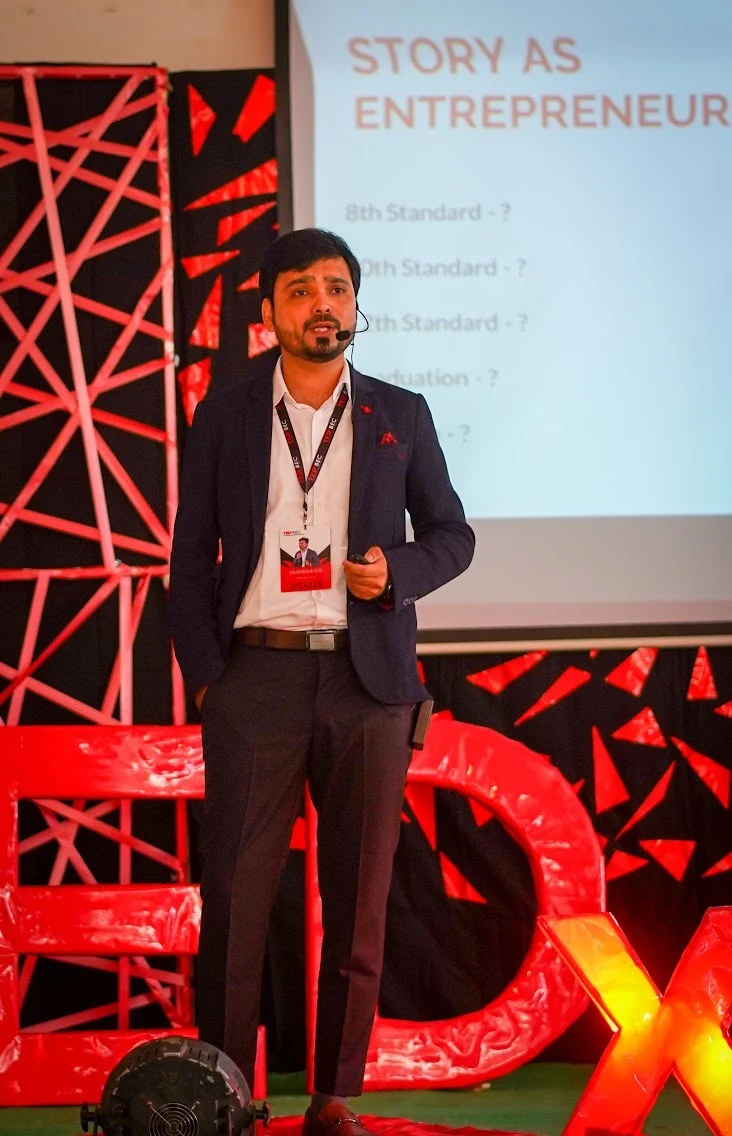
Avinash Chate - Corporate Training Expert at team building workshop
How to Earn Respect and Support in the Workplace Without Chasing ApprovalIn many workplaces, I have seen highly capable professionals remain unnoticed, unsupported, or misunderstood. Not because they lacked talent, but because they struggled with one important truth: career growth is shaped not only by competence, but also by how people experience you.
Key takeaway: If you want respect in the workplace, stop focusing only on what you can get. Start becoming the person who adds value, builds trust, and makes others feel supported.
When I speak to teams across industries as Avinash Chate, I often tell them that influence is rarely demanded. It is earned. Respect is not a title someone gives you. It is a response to your consistency, your attitude, and your willingness to contribute beyond your narrow role.
This is where the reciprocity principle becomes powerful. People naturally respond to how you show up. If you are always calculating, always asking, always keeping score, others sense it. But if you are generous with effort, sincere with appreciation, and dependable in action, support begins to come back to you in meaningful ways.
When you help people grow, solve problems, and feel respected, you do not become weak. You become valuable.
As a TEDx speaker and author of The Winning Edge, I have worked with professionals across 80+ organizations, and one pattern is clear: those who earn long-term respect are not the loudest people in the room. They are the most reliable, emotionally mature, and contribution-focused.
Why talented people still struggle to gain respect
Many professionals believe that hard work alone should guarantee recognition. I understand that feeling. If you are sincere, capable, and committed, it seems natural to expect support in return. But workplaces are human environments. People do not respond only to output. They respond to energy, behavior, and relationships.
Sometimes a person is technically strong but difficult to approach. Sometimes they speak well but only when it benefits them. Sometimes they help others only when they expect a return favor. These patterns reduce trust.
I often explain this using two broad mindsets. One mindset is driven by taking. The other is driven by giving. The taker keeps asking, “What can I gain from this person?” The giver asks, “How can I contribute meaningfully here?”
Now let me be clear. I am not talking about becoming a people pleaser. I am talking about becoming a person of value. There is a big difference. A people pleaser seeks approval. A value creator earns respect.
When Avinash Chate conducts leadership and soft skills programs, I remind participants that healthy reciprocity begins with intention. If your help is manipulative, people will eventually notice. If your support is genuine, your credibility grows naturally.
The reciprocity principle at work
The reciprocity principle is simple: people feel inclined to respond positively to those who have supported them, respected them, or helped them sincerely. In the workplace, this principle influences collaboration, trust, referrals, team support, and leadership opportunities.
Think of two professionals. One person reaches out only when they need something. The other person shares ideas, offers help during pressure situations, appreciates others openly, and contributes without drama. Over time, who will receive more goodwill? Who will be recommended for bigger responsibilities? Who will be trusted in moments that matter?
The answer is obvious.
I have seen this in training rooms, boardrooms, and factory floors. During one engagement with CIE Aluminium casting India Ltd, I noticed how team effectiveness improved when people shifted from blame and self-protection to mutual support and accountability. The moment individuals started asking, “How can I help the team succeed?” the emotional climate changed. Respect increased because contribution increased.
This is one reason leadership development cannot be separated from human behavior. The way you communicate, support, listen, and respond under pressure determines how much support comes back to you.
If you want to deepen this mindset further, I also recommend reading John Deere Didn’t Sell First: Why Education Builds Trust Before Revenue. The principle is the same: trust grows when value comes before demand.
How givers build influence without losing themselves
One concern many people have is this: “If I keep giving, won’t people take advantage of me?” That is a valid concern. Healthy giving is not about saying yes to everything. It is about being intentional, wise, and self-respecting while remaining contribution-oriented.
The most respected professionals are not exhausted martyrs. They are balanced givers. They know when to support, when to guide, when to collaborate, and when to set boundaries.
In my sessions, I often connect this to the KITE Leadership Framework. Strong workplace influence comes from a blend of knowledge, intention, trust, and execution. If your intention is right and your execution is consistent, trust begins to form. Once trust forms, respect follows.
Balanced givers do a few things consistently:
- They help others without making a public show of it.
- They appreciate contributions sincerely.
- They share credit instead of hoarding recognition.
- They communicate clearly instead of expecting others to guess.
- They maintain boundaries so generosity does not become resentment.
This is the kind of influence that lasts. It is not based on fear, politics, or flattery. It is based on character.
As Avinash Chate, I believe one of the biggest shifts a professional can make is moving from “How do I get noticed?” to “How do I become undeniably valuable?” That one change transforms presence, relationships, and opportunities.
Practical ways to earn respect and support every day
Respect is built in small moments. It is built in how you respond to pressure, how you treat people who cannot benefit you immediately, and how consistently you keep your word.
Here are practical ways I recommend:
1. Offer help before you ask for help
If you want support from colleagues, begin by becoming supportive yourself. Help with clarity, not with hidden expectations. People remember those who stand by them in difficult moments.
2. Become reliable
One of the fastest ways to earn respect is to do what you say you will do. Reliability builds confidence. Confidence builds trust. Trust builds influence.
3. Appreciate specifically
Generic praise has little impact. Specific appreciation creates connection. Instead of saying, “Good job,” say, “Your preparation made that meeting smoother for everyone.” Respect grows in environments where people feel seen.
4. Stop keeping emotional accounts
If you help someone and immediately expect a return, your frustration will grow. Give because it reflects your values. Let trust accumulate naturally over time.
5. Speak with dignity
You can be firm without being harsh. You can disagree without disrespect. Strong communication is one of the core soft skills that shapes professional reputation.
6. Build team success, not just personal visibility
Professionals who elevate the team are remembered differently. If you want deeper insight into this, explore How to Create an Impactful Team-Building Retreat in Nagpur: A Complete Guide. Team culture improves when individuals shift from self-centered effort to shared ownership.
What respect really looks like in a professional environment
Many people confuse respect with popularity. They are not the same. Popularity may come from charm. Respect comes from substance.
When people respect you at work, a few things begin to happen. They listen when you speak. They seek your opinion. They trust your intentions. They include you in important conversations. They support your ideas because they believe you are not acting only for yourself.
This kind of respect cannot be demanded through designation alone. It must be earned through behavior over time.
I have often shared in my talks as a TEDx speaker that the workplace is not only a performance arena. It is also a relationship ecosystem. Every interaction either strengthens trust or weakens it. Every response either adds to your credibility or subtracts from it.
If your presence makes people feel judged, used, or ignored, support will reduce. If your presence makes people feel respected, encouraged, and valued, support will expand.
That is why motivation is not just about personal ambition. It is also about emotional maturity. Real growth happens when you align ambition with contribution.
For more perspective on inspiring workplace culture, you may also read Motivational Speaker for Waluj MIDC Companies in Aurangabad: Inspiring Auto Component Workers in Chhatrapati Sambhajinagar. The central lesson remains the same: people perform better when they feel valued and connected to purpose.
My final message: become the person people are glad to support
If you want respect and support in the workplace, do not waste energy trying to impress everyone. Focus on becoming someone others can trust. Be sincere. Be dependable. Be generous with effort and mature in communication. Add value without constantly announcing it.
This does not mean being passive. It means being purposeful. It means understanding that influence grows when people experience your character, not just your capability.
Avinash Chate has always believed that professional success is deeply human. Skills matter. Performance matters. But the people who rise with grace and sustain their growth are the ones who know how to build trust, contribute meaningfully, and create positive reciprocity in every interaction.
If this message resonates with you, I invite you to book a corporate training session and bring these principles to your team. When people learn how to communicate better, support each other, and lead with emotional intelligence, workplaces become stronger from the inside out.
Frequently Asked Questions
How can I earn respect at work if I am not in a leadership role?
You do not need a title to earn respect. Start by being reliable, helpful, respectful in communication, and consistent in your work ethic. People trust those who add value and maintain professionalism.
Does being a giver make a person weak in the workplace?
No. Healthy giving builds influence when combined with boundaries and self-respect. The goal is not to become a people pleaser, but to become a dependable and value-driven professional.
What is the reciprocity principle in professional life?
The reciprocity principle means people naturally respond positively to those who support, respect, and help them sincerely. In workplaces, this often leads to stronger trust, collaboration, and opportunities.
How do I avoid being taken for granted while helping others?
Set clear boundaries, communicate openly, and help with intention rather than compulsion. You can be generous and still protect your time, energy, and priorities.
Why do some talented professionals struggle despite working hard?
Because workplace success is not based only on talent. It also depends on trust, communication, attitude, and the ability to build supportive relationships with others.
Related Articles by Avinash Chate
- The Untold Truth Behind UPSC and MPSC Failure: What 99% of Aspirants Are Never Told
- Motivational Speaker for Mumbai's Hybrid Work Challenges — Bridging the Office-WFH Divide in India's Corporate Capital
- Best Motivational Speaker in Maharashtra — Top 10 Trainers 2026
About the Author
Avinash Chate is a TEDx speaker, published author of The Winning Edge and The Unanswered, and founder of The Future Corporate & Business Coaching. With over 15 years of experience training 80+ organizations including Bajaj hospital, Veritas Engineering & Erectors, Aabasaheb Kakde Educational Group of Organization, NRB Bearings, Avinash is recognized as Maharashtra's leading corporate trainer. He created the KITE Leadership Framework and the 25-Star Competency Framework™, delivering high-impact programs across leadership, team building, sales transformation, and emotional intelligence.
📞 +91 8793630001 | ✉️ connect@avinashchate.com | 🌐 avinashchate.com
Book Avinash Chate for Your Next Event
Maharashtra's #1 Corporate Trainer · India's leading Motivational Speaker & Team Building Expert · 2x TEDx · Available across India in English, Hindi & Marathi.
✅ Thanks! Avinash team will reach out within 24 hours.'}).catch(function(e){f.outerHTML='Something went wrong. WhatsApp +91 8793630001
'});return false;"> Select Service Motivational Speaking / Keynote Team Building Workshop Corporate Training / Leadership Development Manager Development Employee Training Outbound Training Book Avinash Now →Or WhatsApp directly: +91 87936 30001
Avinash Chate services
Corporate Trainer in Chhatrapati Sambhajinagar (Aurangabad) · Top Corporate Trainers in Maharashtra · Leadership Trainer in Chhatrapati Sambhajinagar (Aurangabad) · Top Leadership Trainers in Maharashtra · Team Building Trainer in Chhatrapati Sambhajinagar (Aurangabad) · Top Team Building Trainers in Maharashtra · Motivational Speaker in Chhatrapati Sambhajinagar (Aurangabad) · Top Motivational Speakers in Maharashtra · All service locations
← Back to all articles · Book Avinash Chate
By Avinash Chate — Maharashtra’s #1 Corporate Trainer & Motivational Speaker. .