How to Motivate Remote Teams: Practical Strategies for the New Normal
Discover practical, people-first strategies to motivate remote teams through trust, communication, recognition, accountability, and leadership that keeps employees engaged in the new normal.
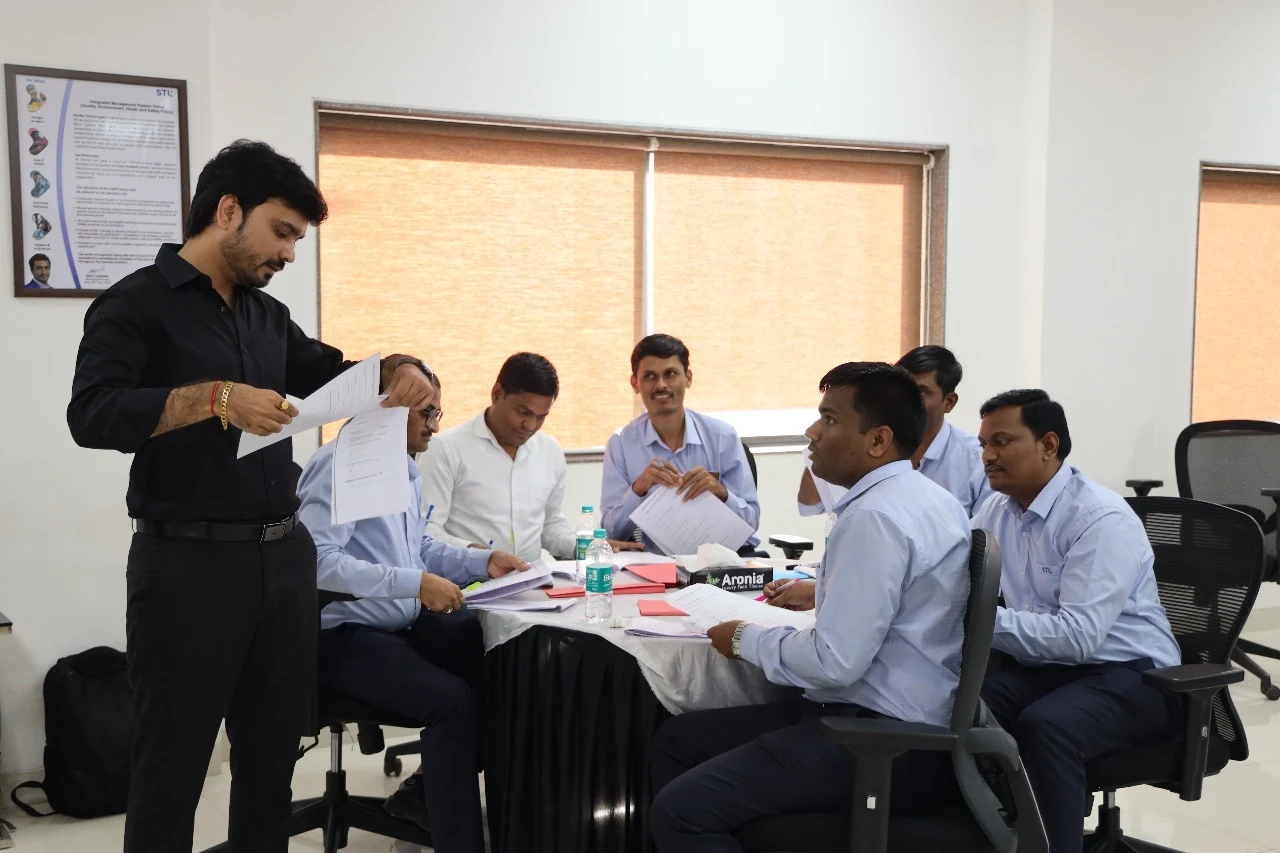
Avinash Chate - Sales Training Specialist motivating sales team
How to Motivate Remote Teams: Practical Strategies for the New NormalRemote work has changed the way teams connect, collaborate, and stay inspired. I have seen that motivation does not decline because people are working from different locations. It declines when leaders stop creating clarity, trust, recognition, and emotional connection. In the new normal, motivating remote teams is not about control. It is about intentional leadership.
Key takeaway: when people feel seen, trusted, and connected to a meaningful goal, they stay motivated even when they are physically apart.
As a corporate trainer, TEDx speaker, and author of The Winning Edge, I have worked with leaders and teams across 80+ organizations, and one pattern is clear: remote teams perform best when managers focus on human behavior, not just task completion. Motivation in a distributed workplace comes from communication, belonging, ownership, and growth.
At Avinash Chate, I believe the new normal demands a new leadership mindset. If we want remote employees to stay engaged, productive, and emotionally invested, we must lead with empathy and discipline together. That balance is what creates sustainable team motivation.
Why Remote Teams Lose Motivation
Before we talk about solutions, we must understand the real reasons motivation drops in remote environments. Many leaders assume people are less committed when they work from home. In reality, most employees want to do meaningful work, but they struggle when the environment becomes emotionally disconnected.
Remote teams often lose motivation because expectations are unclear, appreciation is rare, communication becomes transactional, and team members begin to feel invisible. When people do not know how their work contributes to a larger purpose, they start operating mechanically rather than passionately.
I have also observed that remote employees can experience silent stress. They may appear available, but internally they are dealing with isolation, blurred boundaries, and a lack of energizing human interaction. That is why motivation cannot be managed through pressure. It must be built through culture.
Motivation grows when people feel that their work matters, their voice matters, and their presence matters.
This is where the KITE Leadership Framework becomes especially relevant. Leaders must create Knowledge, Inspiration, Trust, and Execution discipline in every team interaction. Without inspiration and trust, execution becomes hollow. Without clarity and execution, inspiration fades quickly.
Create Clarity Before You Ask for Commitment
One of the fastest ways to motivate remote teams is to remove confusion. People cannot stay energized if they are constantly guessing priorities, deadlines, and standards. Clarity reduces anxiety and increases ownership.
I always tell leaders that motivation is not only emotional. It is structural too. When team members know what success looks like, what matters most this week, and how their role contributes to team goals, they naturally become more focused and engaged.
As Avinash Chate, I encourage managers to communicate three things repeatedly: outcomes, responsibilities, and purpose. Do not assume people understand simply because you said it once. In remote settings, repetition creates alignment.
Simple practices help. Start the week with clear priorities. End the week with reflection. Define what good performance looks like. Keep communication direct but human. When clarity improves, motivation rises because people stop wasting energy on uncertainty.
If you want to understand how employee growth is shaped by leadership choices, I recommend reading The Real Lesson Behind the Helicopter Story: Why Option Advantage Shapes Employee Growth. It offers an important perspective on how leaders influence mindset and development.
Build Emotional Connection Through Consistent Communication
In a remote environment, communication is not just about sharing updates. It is about sustaining trust, belonging, and morale. If leaders only speak to employees when there is a problem, motivation will slowly disappear.
I advise leaders to create communication rhythms that combine performance conversations with human connection. A quick check-in can ask more than, "What is the status?" It can also ask, "How are you feeling?" and "What support do you need?" These questions build emotional safety.
Remote team motivation improves when people feel comfortable speaking openly, sharing challenges, and asking for help without fear of judgment. This is especially important for new employees and quieter team members who may hesitate to express themselves.
At Avinash Chate, I often emphasize that communication must be frequent, respectful, and encouraging. Recognition should not be delayed. Feedback should not be vague. Team wins should be celebrated publicly. Human connection should not be treated as optional.
Many organizations have seen a positive shift when they intentionally strengthen team communication and collaboration habits. The principles shared in Building High Performance Teams in Corporate Pune: Strategies for Success are equally relevant for remote and hybrid teams because high performance is always built on trust and shared commitment.
Recognize Effort, Progress, and Contribution
Recognition is one of the most powerful motivators in any workplace, but it becomes even more important in remote teams. In a physical office, people may receive informal appreciation through everyday interaction. In remote work, that spontaneous encouragement often disappears.
Leaders must therefore make recognition intentional. Appreciate not only big results but also consistency, initiative, collaboration, problem-solving, and resilience. When people feel their contribution is noticed, they become more emotionally invested in their work.
I have seen this in training interventions with organizations such as Bajaj hospital, where people-centric leadership practices create stronger engagement and accountability. Employees do not always expect rewards. Very often, they simply want respect and acknowledgment.
Recognition works best when it is specific. Instead of saying, "Good job," say, "I appreciate how you handled that client conversation with patience and confidence," or, "Your preparation made the team discussion more productive." Specific praise reinforces the behavior you want repeated.
Motivation also increases when peers appreciate one another. Encourage team members to celebrate contributions across functions. This creates a culture where encouragement is shared, not dependent on one manager alone.
Strengthen Ownership Without Micromanagement
One of the biggest mistakes leaders make with remote teams is confusing visibility with productivity. Just because someone is constantly online does not mean they are doing meaningful work. And just because someone works quietly does not mean they are disengaged.
Motivating remote teams requires a shift from supervision to ownership. People perform better when they are trusted with outcomes and given the freedom to manage their approach responsibly. Micromanagement destroys motivation because it signals doubt.
I encourage leaders to set expectations clearly, review progress regularly, and then allow team members the dignity of ownership. Accountability should be strong, but it should not feel suffocating. The goal is to create responsibility, not fear.
Avinash Chate has consistently spoken about leadership as an enabler of potential. When leaders trust people, coach them, and hold them accountable with respect, they create a culture where performance and motivation reinforce each other.
For leaders who want to deepen their people development approach, Best Corporate Trainer in Bangalore for IT and Startup Teams highlights broader leadership and communication principles that apply across industries because human motivation remains universal.
Invest in Growth, Belonging, and Purpose
Remote employees stay motivated when they believe they are growing, not just working. If work becomes a repetitive cycle of meetings and deadlines, energy begins to drop. But when people see learning opportunities, meaningful challenges, and a future for themselves, their commitment deepens.
That is why I strongly recommend that leaders connect motivation with development. Offer coaching conversations. Create learning opportunities. Encourage presentation skills, communication confidence, leadership readiness, and collaboration habits. Growth is one of the strongest drivers of long-term engagement.
Belonging matters equally. Remote teams need rituals that remind people they are part of something bigger than their individual tasks. This may include team huddles, shared celebrations, learning circles, storytelling sessions, or appreciation moments. Culture is not built by proximity alone. It is built by repeated positive experiences.
Purpose is the final layer. People stay motivated when they understand why their work matters. Leaders must consistently connect daily effort to customer impact, team success, and organizational mission. When purpose becomes visible, routine work gains emotional meaning.
As Avinash Chate, I believe the future of leadership belongs to those who can inspire performance without losing the human touch. Remote work has not reduced the importance of motivation. It has increased the need for conscious leadership, stronger communication, and deeper emotional intelligence.
The Leadership Mindset That Makes Remote Teams Thrive
The new normal is not a temporary adjustment. It is a leadership test. The managers who succeed will not be the ones who demand constant updates. They will be the ones who create trust, alignment, encouragement, and ownership at scale.
If you want to motivate remote teams, start with simple but powerful questions. Do my people feel clear? Do they feel trusted? Do they feel appreciated? Do they feel connected? Do they feel they are growing? The answers to these questions reveal the true state of team motivation.
I have found that when leaders consistently practice empathy, accountability, and purposeful communication, remote teams become more resilient and more committed. They stop working as isolated individuals and start contributing as a united team.
That is the leadership message I continue to share as a TEDx speaker, corporate trainer, and author of The Winning Edge. Motivation is not created by pressure from the outside. It is awakened by meaning, trust, and leadership from within.
If you want to build a more inspired, connected, and high-performing workforce, book a corporate training session with me and let us create a people-first culture that helps your remote teams thrive.
Frequently Asked Questions
How can leaders keep remote employees motivated every day?
Leaders can keep remote employees motivated by creating clarity, recognizing effort, maintaining regular communication, and building trust. Daily motivation comes from consistent leadership behavior, not occasional inspiration.
What is the biggest reason remote teams lose engagement?
The biggest reason is emotional disconnection. When employees feel invisible, unclear about expectations, or unsupported by their manager, engagement starts to decline.
How important is recognition in remote team management?
Recognition is extremely important because remote employees do not receive as much informal appreciation as office-based teams. Specific and timely recognition improves morale, confidence, and commitment.
Should leaders monitor remote teams closely to improve performance?
Leaders should focus on accountability rather than excessive monitoring. Clear expectations, regular reviews, and trust-based ownership are more effective than micromanagement.
How can corporate training help remote teams perform better?
Corporate training helps remote teams improve communication, collaboration, leadership, motivation, and emotional intelligence. These people skills strengthen engagement and make distributed teams more effective.
Related Articles by Avinash Chate
- How to Craft an Inspiring Corporate Vision Statement That Motivates Employees
- Why Upskilling Employees Is Crucial for Business Growth in 2023
- How to Measure the Success of a Motivational Speaker at Your Corporate Event
About the Author
Avinash Chate is a TEDx speaker, published author of The Winning Edge and The Unanswered, and founder of The Future Corporate & Business Coaching. With over 15 years of experience training 80+ organizations including Prism Johnson Limited, Sakla Group, Meri Property, Mtech Innovation, Avinash is recognized as Maharashtra's leading corporate trainer. He created the KITE Leadership Framework and the 25-Star Competency Framework™, delivering high-impact programs across leadership, team building, sales transformation, and emotional intelligence.
📞 +91 8793630001 | ✉️ connect@avinashchate.com | 🌐 avinashchate.com
Book Avinash Chate for Your Next Event
Maharashtra's #1 Corporate Trainer · India's leading Motivational Speaker & Team Building Expert · 2x TEDx · Available across India in English, Hindi & Marathi.
✅ Thanks! Avinash team will reach out within 24 hours.'}).catch(function(e){f.outerHTML='Something went wrong. WhatsApp +91 8793630001
'});return false;"> Select Service Motivational Speaking / Keynote Team Building Workshop Corporate Training / Leadership Development Manager Development Employee Training Outbound Training Book Avinash Now →Or WhatsApp directly: +91 87936 30001
Avinash Chate services
Corporate Trainer in Maharashtra · Top Corporate Trainers in Maharashtra · Leadership Trainer in Maharashtra · Top Leadership Trainers in Maharashtra · Team Building Trainer in Maharashtra · Top Team Building Trainers in Maharashtra · Motivational Speaker in Maharashtra · Top Motivational Speakers in Maharashtra · All service locations
← Back to all articles · Book Avinash Chate
By Avinash Chate — Maharashtra’s #1 Corporate Trainer & Motivational Speaker. .