How I Use Storytelling Techniques to Build Better Leadership and Team Motivation
Discover how storytelling can strengthen leadership, inspire teams, improve communication, and create lasting motivation in the workplace. I share practical storytelling techniques leaders can use to connect with people and drive performance.
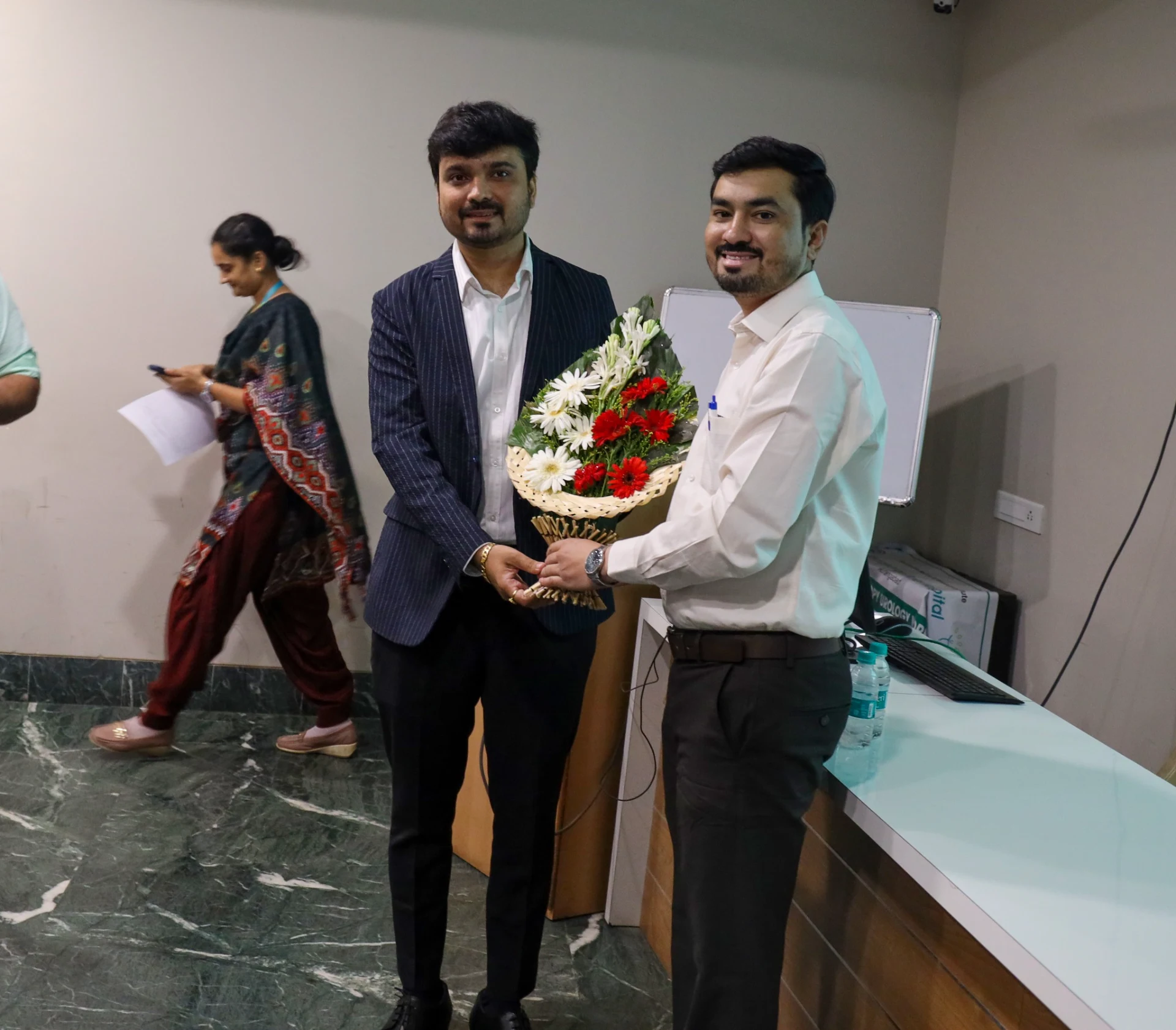
Avinash Chate - Sales Training Specialist motivating sales team
How I Use Storytelling Techniques to Build Better Leadership and Team MotivationLeadership is not built only through authority, strategy, or targets. In my experience, leadership becomes truly influential when people feel connected to a purpose. That is where storytelling becomes powerful. A well-told story can turn instructions into inspiration, meetings into movement, and teams into believers.
Key takeaway: people may forget presentations and policies, but they remember stories that make them feel seen, valued, and motivated.
Over the years, I have seen that teams respond far better to meaning than to mere management. Whether I am speaking as a TEDx speaker, conducting a corporate workshop, or writing as the author of The Winning Edge, I have noticed one consistent truth: stories create emotional ownership. They help leaders explain change, reinforce values, and inspire action without sounding preachy.
As Avinash Chate, I have worked with leaders across 80+ organizations, and one pattern stands out clearly. The leaders who create commitment are often the ones who can communicate through memorable narratives. They do not just share what needs to be done. They explain why it matters, what it means, and how every individual plays a role in the larger journey.
Why Storytelling Matters in Leadership
Many leaders assume storytelling is a soft skill meant only for public speakers or marketers. I disagree. Storytelling is a leadership skill because every leader is constantly shaping belief. Teams want to know where they are headed, why the goal matters, and whether their effort has meaning. Facts inform, but stories align.
When I work with leadership teams, I often explain that stories do three things at once. First, they simplify complexity. Second, they make messages memorable. Third, they create emotional engagement. This is especially important during uncertainty, change, low morale, or conflict.
For example, when leaders communicate only through numbers and tasks, team members may understand the process but not feel connected to the mission. But when a leader shares a story about a customer impacted by the team’s work, or a moment when resilience changed an outcome, the message becomes human. It becomes real.
I have seen this in sessions with institutions such as the Institute of Company Secretaries of India, where leaders and professionals often need to communicate complex ideas with clarity and influence. Storytelling helps bridge the gap between information and inspiration.
The Types of Stories Every Leader Should Learn to Tell
Not every story belongs in the workplace. Effective leadership storytelling is intentional. I encourage leaders to build a small library of stories they can use in different situations.
The vision story
This story explains where the team is going and why the future matters. It helps people see beyond current pressure. A vision story is especially useful when teams are feeling stuck, overloaded, or disconnected from long-term goals.
The values story
This story demonstrates what the organization stands for. Instead of listing values on a slide, I suggest sharing a real incident where someone lived those values under pressure. That makes culture visible.
The resilience story
Every team faces setbacks. A resilience story reminds people that obstacles are part of growth, not proof of failure. Leaders who share honest stories of challenge and recovery create trust because they sound real, not perfect.
The customer impact story
This is one of the most motivating story types. When teams understand who benefits from their work, performance gains meaning. A customer story can energize service teams, sales teams, support functions, and even internal departments.
The personal credibility story
People do not follow titles alone. They follow authenticity. When leaders share a relevant personal experience, especially one that includes learning, doubt, or growth, they become more relatable. This strengthens trust without reducing authority.
How I Structure Leadership Stories for Maximum Impact
One mistake many leaders make is overexplaining. A story in leadership should be simple, relevant, and purposeful. I often use a practical structure that keeps the story focused.
Start with the situation. What was happening? Give enough context for people to understand the challenge.
Then describe the tension. What was at stake? Why was the moment difficult, uncertain, or important?
Next, explain the decision or action. What did someone choose to do? What mindset, value, or principle guided that action?
Finally, share the lesson. What should the team take away from this story? Without the lesson, a story may be interesting but not useful.
This approach also fits beautifully with the KITE Leadership Framework, which I use to help leaders develop clarity and influence. Storytelling supports key leadership behaviors because it helps leaders communicate intention, build trust, and energize execution in a way that feels natural and memorable.
When a leader tells the right story at the right time, the team does not just hear a message. The team begins to believe it.
If you want to strengthen your communication further, I recommend reading What the Battle of Thermopylae Teaches Us About Team Commitment. It offers a powerful perspective on how stories shape collective courage and accountability.
Practical Storytelling Techniques I Recommend for Team Motivation
Storytelling is not about dramatic performance. It is about relevance and connection. Here are some techniques I frequently recommend in leadership development sessions.
- Use real examples: Teams connect more deeply with authentic stories than with generic motivational lines.
- Keep it concise: A leadership story should support the message, not overshadow it.
- Make the team the hero: The best motivational stories do not glorify the leader. They show what the team can achieve.
- Use sensory detail carefully: A small detail can make a story memorable, but too much detail can reduce clarity.
- Connect every story to action: End with a clear takeaway, expectation, or reflection.
- Repeat core stories consistently: Repetition builds culture. If a story reflects your values, use it often.
I also tell leaders to listen for stories, not just tell them. Great stories already exist inside every organization. They live in customer feedback, employee effort, project recoveries, ethical decisions, and moments of unexpected collaboration. A leader who notices and shares these stories strengthens morale far more effectively than one who relies only on formal communication.
If your leadership role also involves reviewing business performance, you may find value in Struggling to Find Last Quarter's Client Retention Rate? Here's the Solution. Strong leadership communication works best when stories and data support each other.
Common Mistakes Leaders Make While Using Stories
Storytelling can be powerful, but only when used thoughtfully. I have seen some common mistakes reduce its impact.
The first mistake is making the story too long. If people are trying to understand the point, the story has already lost momentum. Brevity creates strength.
The second mistake is using stories that feel exaggerated or artificial. Teams can quickly sense when a story is being used to manipulate emotion. Authenticity matters more than drama.
The third mistake is telling stories with no clear relevance. A good story must support a business, cultural, or leadership objective. If the connection is weak, the story feels like a distraction.
The fourth mistake is always making the leader the central hero. In healthy leadership communication, the story should elevate learning, values, or team effort. Ego weakens trust.
The fifth mistake is failing to adapt the story to the audience. What motivates a frontline team may differ from what resonates with senior managers. Context shapes connection.
As Avinash Chate, I have often reminded leaders that storytelling is not a decoration added to communication. It is a strategic tool. But like every tool, it must be used with skill, timing, and intention.
How Leaders Can Build a Story-Driven Culture
The real power of storytelling is not limited to speeches or town halls. It can become part of everyday leadership. I encourage leaders to create regular opportunities for stories to surface across the organization.
For example, begin meetings by asking for one customer win, one teamwork moment, or one lesson from a recent challenge. Recognize employees not only for outcomes but for the stories behind those outcomes. Invite managers to share examples of values in action. Over time, this creates a culture where people do not just perform tasks. They understand the significance of their contribution.
Story-driven cultures are often more resilient because they have a shared identity. People know what the organization stands for because they have heard it, seen it, and experienced it through stories.
This is also why leadership development should be intentional. If your organization is planning learning investments, I suggest exploring Corporate Training Budget Planning for Indian Companies 2026 in Mumbai. Training becomes more effective when communication, culture, and leadership capability are developed together.
As a TEDx speaker and the author of The Winning Edge, I believe leadership is not about speaking more. It is about speaking meaningfully. Stories help leaders do exactly that. They turn direction into belief and belief into action.
Avinash Chate has seen repeatedly that when leaders learn to tell better stories, teams become more engaged, more aligned, and more motivated. If you want your people to care deeply, act consistently, and stay committed during challenges, do not just give them instructions. Give them a story worth believing in.
If you are ready to strengthen leadership communication and team motivation in your organization, book a corporate training session with me.
Frequently Asked Questions
Why is storytelling important for leadership?
Storytelling helps leaders make messages memorable, emotional, and relatable. It improves trust, alignment, and motivation by connecting people to a larger purpose.
Can storytelling improve team motivation at work?
Yes. When leaders use meaningful stories to show impact, resilience, and values, teams feel more connected to their work and more motivated to contribute.
What kind of stories should leaders tell?
Leaders should use vision stories, values stories, customer impact stories, resilience stories, and personal learning stories that support a clear message.
How can I make my leadership stories more effective?
Keep them concise, authentic, relevant, and action-oriented. Focus on the lesson and connect the story directly to the team’s goals or behavior.
Can storytelling be learned by managers and team leaders?
Absolutely. Storytelling is a practical leadership skill that can be developed through observation, structure, practice, and feedback.
About the Author
Avinash Chate is a TEDx speaker, published author of The Winning Edge and The Unanswered, and founder of The Future Corporate & Business Coaching. With over 15 years of experience training 80+ organizations including Vascon, Kaeser Compressors India, Aurus Group Real Estate, Rajuri Steels, Avinash is recognized as Maharashtra's leading corporate trainer. He created the KITE Leadership Framework and the 25-Star Competency Framework™, delivering high-impact programs across leadership, team building, sales transformation, and emotional intelligence.
📞 +91 8793630001 | ✉️ connect@avinashchate.com | 🌐 avinashchate.com
Book Avinash Chate for Your Next Event
Maharashtra's #1 Corporate Trainer · India's leading Motivational Speaker & Team Building Expert · 2x TEDx · Available across India in English, Hindi & Marathi.
✅ Thanks! Avinash team will reach out within 24 hours.'}).catch(function(e){f.outerHTML='Something went wrong. WhatsApp +91 8793630001
'});return false;"> Select Service Motivational Speaking / Keynote Team Building Workshop Corporate Training / Leadership Development Manager Development Employee Training Outbound Training Book Avinash Now →Or WhatsApp directly: +91 87936 30001
Related Articles by Avinash Chate
- How to Use Feedback Effectively to Boost Employee Morale and Productivity
- Best Motivational Speaker for Ranjangaon MIDC Companies India 2026
- Why Emotional Intelligence Is Crucial for Effective Leadership in 2023
Work with Avinash Chate
- Best Motivational Speaker in Mumbai →
- Best Motivational Speaker in Pune →
- Team Building Trainer in Pune →
Avinash Chate services
Corporate Trainer in Maharashtra · Top Corporate Trainers in Maharashtra · Leadership Trainer in Maharashtra · Top Leadership Trainers in Maharashtra · Team Building Trainer in Maharashtra · Top Team Building Trainers in Maharashtra · Motivational Speaker in Maharashtra · Top Motivational Speakers in Maharashtra · All service locations
← Back to all articles · Book Avinash Chate
By Avinash Chate — Maharashtra’s #1 Corporate Trainer & Motivational Speaker. .