Why Cultural Sensitivity Is Essential in Corporate Training Programs
Cultural sensitivity is no longer a soft skill in corporate learning. I see it as a business necessity that improves communication, trust, collaboration, and training outcomes across diverse teams.
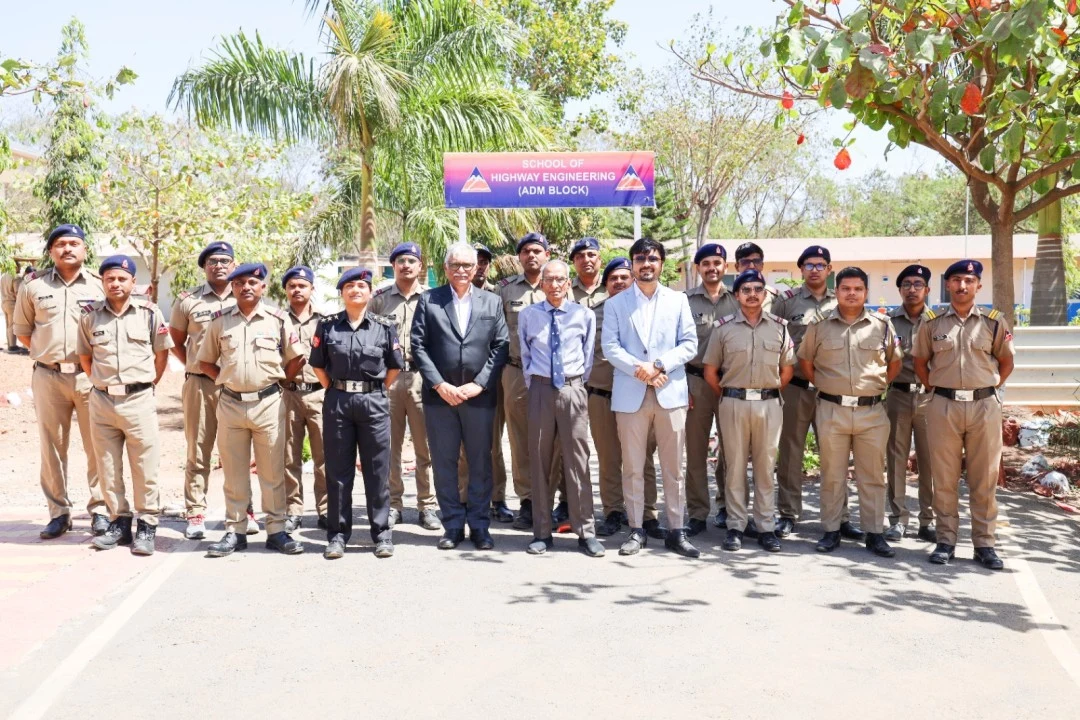
Avinash Chate - Team Building Expert conducting interactive workshop
Why Cultural Sensitivity Is Essential in Corporate Training ProgramsIn my experience, corporate training succeeds only when people feel seen, respected, and included. That is why cultural sensitivity is not an optional layer in learning design. It is a core business requirement. In diverse workplaces, one training session can include people with different languages, regional identities, work norms, age groups, and communication styles. If the trainer ignores these realities, learning drops, participation weakens, and trust disappears.
Key takeaway: cultural sensitivity helps training move from information delivery to meaningful transformation.
As a corporate trainer, TEDx speaker, and author of The Winning Edge, I have seen how inclusive training environments create stronger engagement and sharper execution. Over 15+ years, I have worked with leaders and teams across sectors, and one pattern is clear: people learn better when the training respects who they are and how they think. This is one of the reasons Avinash Chate continues to emphasize human-centered learning in corporate development.
Cultural sensitivity is about business impact, not just politeness
Many organizations still treat cultural sensitivity as a matter of etiquette. I believe that view is incomplete. In reality, it directly affects performance. When participants feel misunderstood, they hesitate to ask questions, challenge assumptions, or contribute insights. When they feel respected, they engage more openly and apply the learning faster.
Corporate training often aims to improve communication, leadership, collaboration, customer experience, and change readiness. Every one of these outcomes depends on how people interpret behavior. A direct tone may sound confident to one participant and aggressive to another. Silence may signal disagreement in one context and thoughtful respect in another. If trainers do not account for these differences, they risk teaching content that sounds right in theory but fails in practice.
I have seen this become especially important in organizations with cross-functional and multilingual teams. In such settings, cultural sensitivity improves not only learning outcomes but also workplace harmony. It reduces friction, prevents avoidable misunderstandings, and creates a shared language for growth.
What cultural sensitivity looks like inside a training program
Cultural sensitivity is not achieved by adding one slide on diversity. It must be woven into the design, delivery, examples, facilitation style, and follow-up. I look at it through practical questions. Are the examples relatable to people from different backgrounds? Is the language clear and inclusive? Does the trainer create space for varied viewpoints? Are participants encouraged to contribute without fear of judgment?
When I design programs, I pay close attention to case studies, role plays, humor, idioms, and assumptions. Even a well-meaning example can alienate participants if it stereotypes a profession, region, gender, or community. The goal is not to overcorrect into stiffness. The goal is to create relevance without exclusion.
This is where the KITE Leadership Framework becomes especially useful. It helps leaders and teams build self-awareness, intentional communication, trust, and execution. Cultural sensitivity fits naturally into this framework because effective leadership is impossible without understanding how different people receive messages, process feedback, and build confidence.
When training respects cultural context, people do not just attend the session. They internalize it, discuss it, and use it.
Why culturally sensitive training improves communication and collaboration
One of the biggest reasons organizations invest in training is to improve communication. Yet communication cannot improve if we teach everyone to speak, respond, and lead in exactly the same way. I believe the better approach is to help people understand both common principles and contextual differences.
For example, some employees are comfortable speaking up in a large group, while others contribute better in smaller discussions. Some respond well to direct feedback, while others need feedback framed with more context and empathy. A culturally sensitive trainer notices these patterns and adjusts facilitation methods to include more voices.
This is also why I often recommend leaders read related insights such as Communication Skills Training in Mumbai for Mid-Level Managers. While the title is specific, the larger lesson is universal: communication training becomes more effective when it recognizes the real barriers people face in workplace interactions.
In my sessions, I encourage participants to observe before they judge. A colleague who seems disengaged may simply be processing information differently. A manager who sounds abrupt may be under pressure and unaware of their tone. Cultural sensitivity does not excuse poor behavior, but it helps teams interpret behavior more accurately and respond more constructively.
The role of cultural sensitivity in leadership and change management
Leadership training without cultural sensitivity often creates resistance. Why? Because people resist models that feel imported, rigid, or disconnected from their lived reality. I have found that leaders become more effective when they learn to adapt principles to the people they lead rather than forcing people into one preferred style.
In one learning engagement connected to teams from Gadharva Finchart Enterprises LLP, the most meaningful progress came when managers began to understand how differences in communication preferences were affecting trust. Once they became aware of these patterns, their conversations improved, feedback became more useful, and collaboration became smoother. The issue was not capability. It was interpretation.
This is where culturally sensitive leadership becomes powerful. It helps leaders ask better questions, avoid one-size-fits-all assumptions, and create psychological safety. In times of change, this matters even more. Whether an organization is restructuring, digitizing, or scaling, employees need communication that feels respectful and relevant. That is why I often connect this conversation with ideas explored in The Leadership Decision That Replaced Layoff Fear With Shared Growth and If There Is No Digital Upgrade, There Is No Growth. Growth and change succeed when people feel included in the journey.
Avinash Chate has consistently spoken about leadership as a responsibility to understand people, not just manage targets. Cultural sensitivity strengthens that responsibility.
How organizations can build cultural sensitivity into training design
If you want better learning outcomes, do not leave cultural sensitivity to trainer instinct alone. Build it into the system. Start with audience analysis. Understand the participant mix, language comfort, hierarchy levels, business pressures, and team dynamics. This helps shape examples, pace, activities, and discussion formats.
Next, train managers and internal facilitators to recognize unconscious bias in communication. Many workplace conflicts are not caused by bad intent. They are caused by unchecked assumptions. A culturally sensitive training program helps people identify those assumptions before they damage trust.
I also recommend using blended learning methods. Some participants engage best through discussion. Others prefer reflection, writing, or scenario-based application. Variety improves inclusion. So does careful facilitation. Invite multiple perspectives. Avoid publicly shaming wrong answers. Use examples from different industries and backgrounds. Keep the room respectful, practical, and psychologically safe.
Most importantly, measure outcomes beyond attendance. Look at participation quality, manager feedback, cross-team collaboration, employee confidence, and behavioral change after the session. If training is truly culturally sensitive, you will notice stronger application, not just better session ratings.
My final view on culturally sensitive corporate training
I believe the future of corporate learning belongs to organizations that can combine performance with empathy. Cultural sensitivity is how we make that combination real. It allows training to connect across differences without diluting standards. It helps leaders communicate with clarity and respect. It helps teams collaborate without unnecessary friction. And it helps organizations create learning cultures where people feel valued enough to grow.
As Avinash Chate, I see cultural sensitivity as one of the most practical investments any organization can make in its people strategy. It is not about being overly careful. It is about being effective. When people feel respected, they learn better. When they learn better, they perform better. That is the outcome every business wants.
If you want to build more inclusive, high-impact learning experiences for your teams, book a corporate training session. Avinash Chate works with organizations that want training programs to drive real behavioral change, stronger leadership, and sustainable business growth.
Frequently Asked Questions
What is cultural sensitivity in corporate training?
Cultural sensitivity in corporate training means designing and delivering learning experiences that respect differences in communication styles, backgrounds, values, and workplace expectations so that all participants can engage meaningfully.
Why is cultural sensitivity important for employee training?
It improves participation, trust, collaboration, and learning retention. When employees feel respected and included, they are more likely to contribute, apply the training, and support team performance.
How can trainers make programs more culturally sensitive?
Trainers can use inclusive language, varied examples, flexible facilitation methods, audience analysis, and psychologically safe discussions. They should avoid stereotypes and encourage multiple viewpoints.
Does cultural sensitivity affect leadership development?
Yes. Leaders who understand cultural differences communicate more effectively, give better feedback, build stronger trust, and manage change with less resistance across diverse teams.
Can culturally sensitive training improve business results?
Yes. It can reduce misunderstandings, improve collaboration, strengthen employee engagement, and increase the practical application of training, all of which support better organizational performance.
About the Author
Avinash Chate is a TEDx speaker, published author of The Winning Edge and The Unanswered, and founder of The Future Corporate & Business Coaching. With over 15 years of experience training 80+ organizations including Aurus Group Real Estate, Mahalaxmi Automotives Pvt Ltd, Aabasaheb Kakde Educational Group of Organization, Keshardeep Presssings, Avinash is recognized as Maharashtra's leading corporate trainer. He created the KITE Leadership Framework and the 25-Star Competency Framework™, delivering high-impact programs across leadership, team building, sales transformation, and emotional intelligence.
📞 +91 8793630001 | ✉️ connect@avinashchate.com | 🌐 avinashchate.com
Related Articles by Avinash Chate
- Why Investing in Personal Development is Key for Leadership Success in Osmanabad
- The Future of Corporate Training: Embracing Virtual Reality and AI Technologies
- The Role of Motivational Speaking in Reducing Employee Burnout
Book Avinash Chate for Your Next Event
Maharashtra's #1 Corporate Trainer · India's leading Motivational Speaker & Team Building Expert · 2x TEDx · Available across India in English, Hindi & Marathi.
✅ Thanks! Avinash team will reach out within 24 hours.'}).catch(function(e){f.outerHTML='Something went wrong. WhatsApp +91 8793630001
'});return false;"> Select Service Motivational Speaking / Keynote Team Building Workshop Corporate Training / Leadership Development Manager Development Employee Training Outbound Training Book Avinash Now →Or WhatsApp directly: +91 87936 30001
Avinash Chate services
Corporate Trainer in Maharashtra · Top Corporate Trainers in Maharashtra · Leadership Trainer in Maharashtra · Top Leadership Trainers in Maharashtra · Team Building Trainer in Maharashtra · Top Team Building Trainers in Maharashtra · Motivational Speaker in Maharashtra · Top Motivational Speakers in Maharashtra · All service locations
← Back to all articles · Book Avinash Chate
By Avinash Chate — Maharashtra’s #1 Corporate Trainer & Motivational Speaker. .