Leadership Motivation for Pune's Automotive R&D Centers: Inspiring Engineers at ARAI, Tata Motors, and Bajaj Innovation Labs
Leadership motivation in Pune’s automotive R&D ecosystem requires more than incentives. I share how leaders can inspire engineers in high-pressure innovation environments through purpose, autonomy, recognition, and structured capability building.
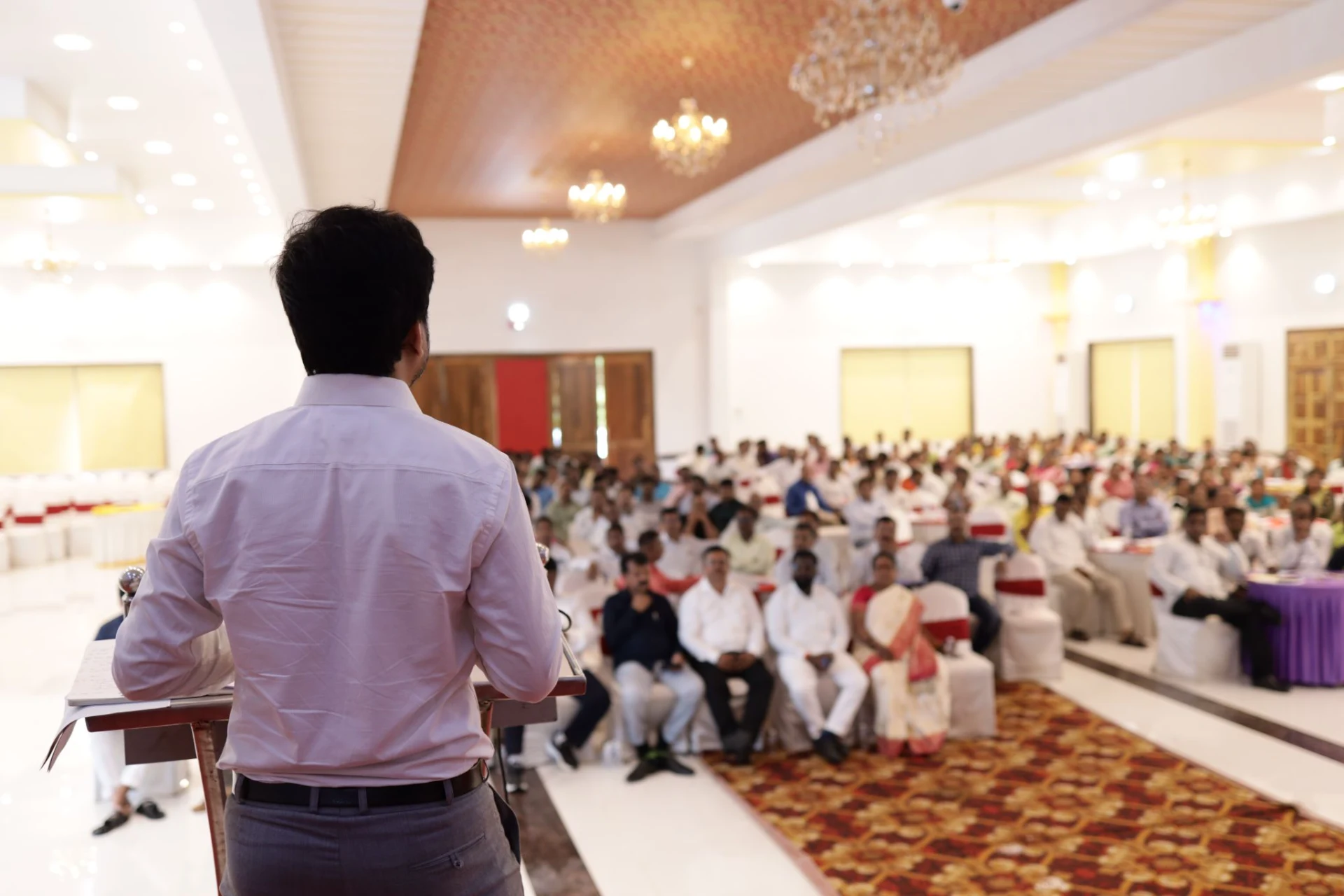
Avinash Chate - Best Corporate Trainer conducting leadership session
Leadership Motivation for Pune's Automotive R&D CentersPune has become one of India’s most important hubs for automotive research, testing, design, and product innovation. When I work with engineering leaders, R&D heads, and innovation managers, I often see the same challenge: brilliant engineers are technically capable, but they are not always emotionally connected to the mission, the team, or the larger business outcome.
Key takeaway: in automotive R&D, motivation does not come from pressure alone; it comes from purpose, ownership, visibility, and leadership that respects the engineer’s mind.
In environments like ARAI, Tata Motors, and Bajaj innovation labs, leaders are not managing routine execution. They are guiding problem-solvers who deal with uncertainty, testing cycles, compliance pressure, changing customer expectations, and fast-moving technology shifts. That is why leadership motivation in Pune’s automotive R&D centers must be intentional, not accidental.
As Avinash Chate, a TEDx speaker and author of The Winning Edge, I have seen across 80+ organizations that technical teams perform at their best when leadership creates meaning around the work. Motivation is not a speech. It is a system.
Why motivating engineers is different from motivating sales or operations teams
Engineers in automotive R&D are driven by a different internal engine. They value intellectual challenge, technical credibility, experimentation, and the satisfaction of solving complex problems. If leaders try to motivate them only through targets, dashboards, or top-down urgency, the result is often compliance without commitment.
In Pune, where automotive talent is deep and opportunities are competitive, leaders must understand that engineers want to know three things. Does my work matter? Does my leader understand the complexity of what I do? Do I have room to think, contribute, and grow?
When these questions are unanswered, motivation drops silently. Teams still attend meetings, submit reports, and complete milestones, but innovation quality starts declining. Curiosity reduces. Initiative weakens. Collaboration becomes transactional.
That is why I encourage leaders to move beyond command-and-control thinking. In R&D settings, motivation is built through trust, clarity, and technical respect. The leader does not need to know every engineering detail, but the leader must know how to create a climate where engineers want to bring their best thinking forward.
What truly inspires automotive R&D teams in Pune
From my leadership sessions with technical teams, I have found that engineers are inspired by a combination of purpose and progress. They need to see how a design improvement, a testing breakthrough, a safety innovation, or a process refinement connects to something bigger than a task list.
In automotive R&D, that bigger purpose may be vehicle safety, sustainability, fuel efficiency, EV readiness, customer trust, or India’s innovation capability. When leaders connect day-to-day engineering work to these larger outcomes, motivation becomes more durable.
I also advise leaders to make progress visible. Long development cycles can drain energy if teams feel they are working endlessly without closure. Break large innovation goals into meaningful milestones. Celebrate learning, not just final success. Recognize experiments that prevented future failure. Highlight collaboration between design, validation, simulation, manufacturing, and quality functions.
This is where the KITE Leadership Framework becomes especially useful in technical environments. I use it to help leaders focus on clarity, influence, trust, and execution discipline. In R&D, motivation rises when engineers know what success looks like, feel heard in the process, and experience leadership consistency under pressure.
Avinash Chate often emphasizes that high-performance leadership is not about pushing people harder. It is about helping people see deeper meaning in difficult work while removing the friction that blocks contribution.
Leadership practices that improve motivation inside innovation labs
The first practice is technical empathy. This does not mean the leader must be the smartest engineer in the room. It means the leader must appreciate complexity, ask intelligent questions, and avoid oversimplifying difficult work. Engineers disengage quickly when leadership treats deep technical challenges like simple execution delays.
The second practice is autonomy with accountability. Strong R&D professionals want freedom to think, test, and refine. But autonomy without alignment creates chaos. I recommend setting non-negotiable outcomes while allowing flexibility in the path. This balance improves both ownership and motivation.
The third practice is recognition of thinking, not just output. In many organizations, only finished results get attention. But in innovation settings, critical thinking, risk identification, simulation insights, and design alternatives are all valuable contributions. When leaders appreciate these, engineers feel respected.
The fourth practice is cross-functional storytelling. Engineers are more motivated when they understand how their work influences manufacturing readiness, customer experience, cost optimization, or brand credibility. Bring in voices from adjacent functions. Let teams hear how their work matters downstream.
The fifth practice is developmental coaching. In one engagement model I have discussed with leadership teams, especially in technically sophisticated companies such as Kaeser Compressors India, motivation improved significantly when managers shifted from review-only conversations to coaching conversations. Instead of asking only, “What is the status?” they began asking, “What is the challenge, what support do you need, and what capability are you building through this project?” That shift changes the emotional quality of leadership.
Common motivation mistakes leaders make in automotive R&D
One major mistake is assuming high salaries and modern infrastructure are enough. Compensation attracts talent, but it does not sustain inspiration. Engineers stay motivated when they feel their intelligence is being used meaningfully.
Another mistake is overloading top performers. In many R&D centers, the most capable engineers become the default solution for every urgent problem. Over time, this creates burnout, resentment, and reduced innovation quality. Leaders must distribute challenge more intelligently and build bench strength.
A third mistake is poor communication during uncertainty. Product changes, regulatory shifts, testing failures, and timeline pressures are common in automotive environments. If leaders communicate only when things go wrong, teams become anxious and defensive. Frequent, transparent communication helps preserve trust.
I also see leaders unintentionally demotivating teams by shutting down dissent too early. Engineers need room to question assumptions. If every challenge to a plan is treated as negativity, teams stop thinking critically. That is dangerous in R&D. The best leaders invite disagreement, then align decisions with discipline.
In Pune, where many automotive teams are balancing legacy systems with future mobility expectations, motivation depends on psychological safety as much as performance pressure. People must feel safe to raise concerns, propose alternatives, and admit uncertainty without fear of humiliation.
How I would build a motivation culture in Pune’s automotive engineering teams
If I were working with leaders across ARAI, Tata Motors, and Bajaj innovation labs, I would begin by diagnosing motivation at three levels: individual, team, and organizational. At the individual level, I would identify what drives each engineer: mastery, recognition, impact, learning, or career growth. At the team level, I would examine collaboration quality, meeting culture, and decision speed. At the organizational level, I would assess whether leadership messages match actual behavior.
Next, I would help leaders create a motivation architecture. This includes purpose communication, milestone recognition, manager coaching, innovation review rituals, and visible learning pathways. Motivation cannot be outsourced to HR alone. It must live in daily leadership behavior.
I would also recommend quarterly leadership interventions focused on technical team engagement. These can include peer recognition forums, project learning showcases, manager capability workshops, and structured conversations on innovation roadblocks. In Pune, where competition for top engineering talent is intense, these practices are not optional. They are strategic.
As Avinash Chate, I believe the future of leadership in R&D will belong to those who can combine performance discipline with human insight. Automotive engineers do not need empty motivation. They need leadership that understands ambition, complexity, and contribution.
If you want to build stronger leadership systems, you may also find value in Corporate Training Budget Planning for Indian Companies 2026 in Mumbai, AI and Data Will Decide the Next Market Leaders, and What Detroit’s Bankruptcy Taught Me About Real Leadership.
The leadership edge Pune’s R&D centers need now
Pune is not just an automotive city. It is a leadership laboratory for the future of engineering excellence in India. The organizations that win will not be the ones with only the best tools, labs, or processes. They will be the ones whose leaders know how to inspire deep work, resilient thinking, and shared ownership.
That is the difference between managing engineers and leading innovators.
Avinash Chate, as a TEDx speaker and author of The Winning Edge, has consistently advocated that leadership motivation must be practical, measurable, and human. In technical ecosystems, that means leaders must create environments where engineers feel challenged, trusted, and seen.
If your automotive or engineering organization in Pune wants to strengthen leadership motivation, improve manager effectiveness, and inspire R&D teams to perform at a higher level, book a corporate training session in Pune. The right leadership intervention can transform not just engagement, but innovation outcomes.
Frequently Asked Questions
Why is leadership motivation important for automotive R&D teams in Pune?
Leadership motivation is important because automotive R&D teams work in high-complexity, high-pressure environments where innovation, testing, compliance, and cross-functional coordination are constant. In Pune, motivated engineers are more likely to collaborate better, solve problems faster, and stay committed to long development cycles.
How can leaders in Pune inspire engineers without using pressure tactics?
Leaders can inspire engineers by connecting work to purpose, giving autonomy with accountability, recognizing problem-solving effort, and creating psychologically safe spaces for technical debate. Engineers respond better to respect, clarity, and meaningful ownership than to pressure alone.
What are the biggest motivation challenges inside automotive innovation labs?
The biggest challenges include burnout among top performers, poor visibility of progress, lack of recognition for thinking work, weak manager coaching, and communication gaps during uncertainty. These issues reduce engagement even when teams are technically strong.
Can leadership training improve engagement in Pune-based engineering teams?
Yes. Leadership training can help managers communicate better, coach more effectively, build trust, handle technical team dynamics, and create stronger ownership. In Pune-based engineering environments, this often leads to better collaboration, stronger retention, and improved innovation culture.
When should an automotive company book a corporate training session in Pune?
A company should book a corporate training session in Pune when it sees signs such as low initiative, manager-team friction, weak collaboration, slow decision-making, or reduced innovation energy. Early intervention helps leaders rebuild motivation before performance declines further.
About the Author
Avinash Chate is a TEDx speaker, published author of The Winning Edge and The Unanswered, and founder of The Future Corporate & Business Coaching. With over 15 years of experience training 80+ organizations including Mumbai Port Authority, Veritas Engineering & Erectors, Sakla Group, CIE Aluminium casting India Ltd, Avinash is recognized as Maharashtra's leading corporate trainer. He created the KITE Leadership Framework and the 25-Star Competency Framework™, delivering high-impact programs across leadership, team building, sales transformation, and emotional intelligence.
📞 +91 8793630001 | ✉️ connect@avinashchate.com | 🌐 avinashchate.com
Related Articles by Avinash Chate
- From Reaction to Leadership: Mastering Emotional Control at Work
- The Drama Triangle at Work: The Hidden Pattern Destroying Team Performance
- The Ferob Model: Understanding People Before Managing Them
Book Avinash Chate for Your Next Event
Maharashtra's #1 Corporate Trainer · India's leading Motivational Speaker & Team Building Expert · 2x TEDx · Available across India in English, Hindi & Marathi.
✅ Thanks! Avinash team will reach out within 24 hours.'}).catch(function(e){f.outerHTML='Something went wrong. WhatsApp +91 8793630001
'});return false;"> Select Service Motivational Speaking / Keynote Team Building Workshop Corporate Training / Leadership Development Manager Development Employee Training Outbound Training Book Avinash Now →Or WhatsApp directly: +91 87936 30001
Avinash Chate services
Corporate Trainer in Pune · Top Corporate Trainers in Pune · Leadership Trainer in Pune · Top Leadership Trainers in Pune · Team Building Trainer in Pune · Top Team Building Trainers in Pune · Motivational Speaker in Pune · Top Motivational Speakers in Maharashtra · All service locations
← Back to all articles · Book Avinash Chate
By Avinash Chate — Maharashtra’s #1 Corporate Trainer & Motivational Speaker. .