How to Motivate Blue-Collar Workers in Nashik's MIDC Factories — Why Shop Floor Motivation Is the Missing Link
I have seen one truth repeatedly in manufacturing environments: when shop floor motivation is ignored, productivity, quality, safety, and retention all suffer. In this article, I explain how leaders in Nashik's MIDC factories can motivate blue-collar workers through respect, communication, recognition, skill-building, and practical leadership systems.
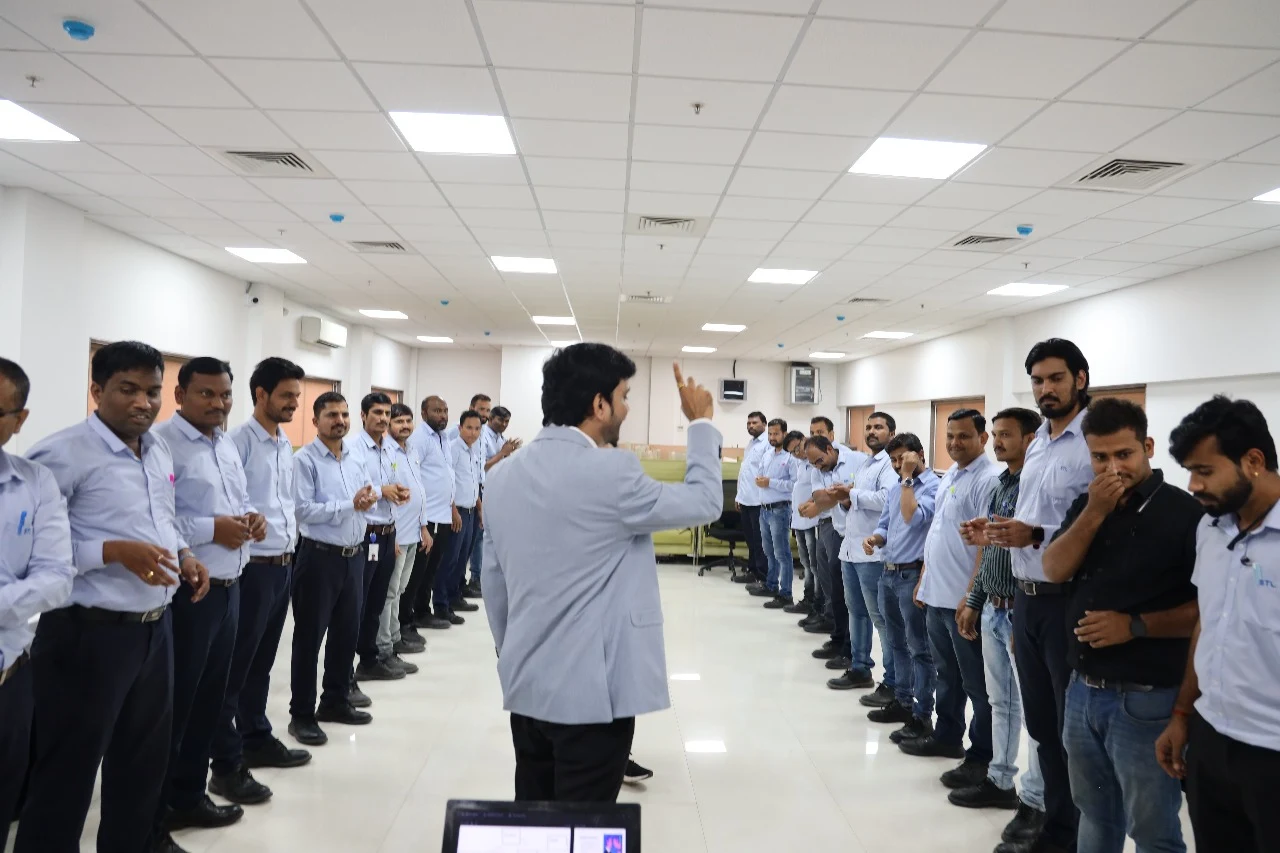
Avinash Chate - Best Motivational Speaker in India addressing corporate audience
How to Motivate Blue-Collar Workers in Nashik's MIDC Factories — Why Shop Floor Motivation Is the Missing LinkIn my experience working with manufacturing teams, I have seen that the biggest gap in performance is often not machinery, process, or technology. It is motivation on the shop floor. In many factories, leaders invest heavily in systems but underestimate the human energy that drives those systems every single day. Key takeaway: when blue-collar workers feel respected, heard, skilled, and valued, productivity rises naturally.
That is exactly why shop floor motivation has become a critical leadership priority for factories in Nashik. In MIDC environments, where output pressure, quality targets, shift discipline, and safety standards are non-negotiable, motivated workers become the real competitive advantage. I have seen this across 80+ organizations, and the pattern is clear: factories that build motivation intentionally perform better than factories that only demand results.
As Avinash Chate, a TEDx speaker and author of The Winning Edge, I believe motivation is not a slogan. It is a system. It is built through leadership behavior, communication, recognition, trust, and daily reinforcement. If you want stronger ownership on the shop floor, you must create conditions where workers feel that their contribution matters.
Why Shop Floor Motivation Is the Missing Link in Factory Performance
Many managers assume that wages alone should be enough to motivate blue-collar workers. But motivation is rarely that simple. A worker may come for salary, but performance improves when there is dignity, clarity, belonging, and fairness. In Nashik manufacturing units, I often notice that supervisors focus on instructions but forget inspiration. They monitor tasks but neglect morale.
When motivation is low, the signs appear quickly. Absenteeism increases. Minor quality issues become frequent. Safety shortcuts rise. Workers do the minimum required instead of taking ownership. Communication between supervisors and operators becomes transactional. In such an environment, even good processes start breaking down.
On the other hand, when workers feel motivated, they become more alert, more responsible, and more committed to standards. They care about waste reduction, machine care, output quality, and teamwork. That is why I call shop floor motivation the missing link. It connects people to performance.
I have discussed leadership communication in depth in Top 7 Communication Skills Corporate Leaders Must Master for Effective Team Building, and the same principle applies strongly on the shop floor. Workers do not just need orders. They need meaningful communication.
What Really Motivates Blue-Collar Workers in MIDC Factories
To motivate blue-collar workers effectively, leaders must first understand what matters to them. In my sessions with factory teams, I have found that workers respond strongly to a few consistent factors.
- Respect from supervisors and managers
- Clear communication about expectations and changes
- Recognition for effort, discipline, quality, and safety
- Fair treatment across shifts and departments
- Opportunities to learn and improve skills
- A sense that their work contributes to something meaningful
This may sound basic, but basic things are often missing in high-pressure factory environments. A worker who is constantly corrected but rarely appreciated will eventually disengage. A team that receives targets without context will comply but not commit. Motivation grows when leaders make workers feel visible.
In one manufacturing context, including teams from Matchwell Engineering, I have seen how practical recognition and better supervisor-worker communication can improve morale significantly. The lesson is simple: motivation does not always require expensive interventions. It requires intentional leadership.
How Supervisors Can Build Daily Motivation on the Shop Floor
In most factories, the supervisor is the face of leadership. That is why motivation on the shop floor depends heavily on frontline leadership quality. A supervisor can either energize a team or emotionally drain it. In Nashik MIDC factories, where production timelines are demanding, this role becomes even more important.
I often recommend using principles from my KITE Leadership Framework to strengthen shop floor leadership. The framework helps leaders build credibility and influence through practical daily actions rather than positional authority alone.
Here are a few methods I strongly recommend.
- Start the shift with a short, focused team huddle that covers safety, priorities, and encouragement.
- Appreciate specific behaviors, not generic effort. For example, praise a worker for maintaining quality consistency or following safety protocol under pressure.
- Listen to worker concerns seriously, especially when they relate to tools, process bottlenecks, fatigue, or machine issues.
- Explain the reason behind targets so workers understand the bigger picture.
- Create small wins by celebrating improvements in output, rejection reduction, attendance, or 5S discipline.
- Train supervisors to correct with dignity instead of humiliation.
One of the fastest ways to destroy motivation is public disrespect. Blue-collar workers may not always express it openly, but they deeply remember how they are treated. If a supervisor uses fear as the main management tool, compliance may happen temporarily, but commitment disappears.
Motivation on the shop floor is not created by pressure alone. It is created when discipline and dignity work together.
Avinash Chate has consistently emphasized that leadership is most visible in everyday interactions, not just in annual meetings or policy documents. When leaders become more human in their communication, workers become more responsible in their performance.
Recognition, Growth, and Belonging: The Three Drivers Leaders Often Ignore
If I had to simplify shop floor motivation into three powerful drivers, I would say they are recognition, growth, and belonging. These three factors create emotional commitment in blue-collar teams.
Recognition means acknowledging contribution in real time. This can be as simple as appreciating zero-defect work, perfect attendance, safe behavior, or machine care. Recognition should be visible, fair, and specific.
Growth means helping workers improve capability. Many factory workers feel motivated when they are trusted with skill enhancement, cross-functional exposure, or basic problem-solving responsibility. Learning creates pride.
Belonging means making workers feel they are part of the factory's success story. When management communicates only during mistakes, workers feel disconnected. When leaders share progress, thank teams, and involve them in improvement conversations, ownership increases.
This is one reason team-based experiences can also support motivation. While factory realities are very different from offsite settings, the underlying principle of connection remains valuable. I have explored that in Redefining Team Building: A Unique Corporate Retreat Experience in Lonavala.
In Nashik, where many factories face retention and consistency challenges, these three drivers can make a measurable difference. Workers stay longer where they feel respected. They perform better where they feel seen. They contribute more where they feel connected.
Why Motivation Must Be Practical, Not Theoretical
One mistake I often see is treating motivation as a one-time speech or annual event. Real motivation is built into systems. It should show up in induction, shift meetings, supervisor training, review mechanisms, recognition practices, and communication culture.
For example, if a factory says people matter but ignores basic worker suggestions, the message loses credibility. If leaders talk about teamwork but reward only individual output, confusion increases. If managers expect ownership but never explain business goals, workers disengage. Motivation becomes sustainable only when leadership actions are aligned.
I also believe motivation is deeply linked to personal mindset. Sometimes growth is not about adding more pressure, but removing what blocks energy, trust, and commitment. That idea connects well with Stop Adding, Start Eliminating: The Real Growth Shift After 30. In factories too, better results often come from eliminating demotivating habits, communication gaps, and avoidable friction.
As Avinash Chate, I have seen that when management teams in Nashik begin treating motivation as a measurable business lever, not a soft topic, outcomes improve across productivity, quality, and culture. Motivation is not separate from business performance. It is a driver of business performance.
What Leaders in Nashik Should Do Next
If you lead a factory in Nashik, do not wait for low morale to become attrition, conflict, poor quality, or safety incidents. Start by assessing the current motivation climate on your shop floor. Ask simple questions. Do workers feel respected? Do supervisors communicate clearly? Is good work recognized? Are workers learning? Do they trust leadership?
Then act with consistency. Train supervisors. Improve daily communication. Build recognition rituals. Involve workers in problem-solving. Make safety and dignity non-negotiable. These are not cosmetic changes. They are strategic changes.
My work with manufacturing teams has shown me repeatedly that motivated blue-collar workers are not a luxury. They are the foundation of reliable factory performance. If you want stronger discipline, better output, lower friction, and a healthier culture, start where it matters most: the shop floor.
If you are looking to strengthen motivation, communication, and leadership effectiveness in your factory, book a corporate training session in Nashik. I design practical, high-impact sessions that help leaders and supervisors create motivated, accountable, and high-performing teams.
Frequently Asked Questions
Why is shop floor motivation important in Nashik MIDC factories?
Shop floor motivation is important because it directly affects productivity, quality, safety, discipline, and retention. In Nashik MIDC factories, where operational pressure is high, motivated workers show more ownership and consistency.
How can supervisors motivate blue-collar workers in Nashik?
Supervisors can motivate blue-collar workers in Nashik by communicating clearly, appreciating specific good work, correcting with respect, listening to concerns, and creating a sense of fairness and belonging on the shop floor.
What are the best ways to improve blue-collar worker motivation?
The best ways include recognition, skill-building, respectful supervision, daily huddles, involvement in problem-solving, and strong communication about targets, safety, and expectations.
Can motivation training improve factory performance?
Yes. Motivation training can improve factory performance by helping supervisors and managers build trust, reduce disengagement, improve teamwork, and increase accountability across shifts and departments.
Do you offer corporate training sessions in Nashik for factory teams?
Yes. I offer practical corporate training sessions in Nashik focused on motivation, leadership, communication, team building, and supervisor effectiveness for manufacturing and factory teams.
Related Articles by Avinash Chate
- The Untold Truth Behind UPSC and MPSC Failure: What 99% of Aspirants Are Never Told
- Motivational Speaker for Mumbai's Hybrid Work Challenges — Bridging the Office-WFH Divide in India's Corporate Capital
- Best Motivational Speaker in Maharashtra — Top 10 Trainers 2026
About the Author
Avinash Chate is a TEDx speaker, published author of The Winning Edge and The Unanswered, and founder of The Future Corporate & Business Coaching. With over 15 years of experience training 80+ organizations including Morbull Solutions, Gurukul English School, Magnus Farm Fresh, Rajarambapu Patil Sahakari Sakhar Karkhana Limited, Avinash is recognized as Maharashtra's leading corporate trainer. He created the KITE Leadership Framework and the 25-Star Competency Framework™, delivering high-impact programs across leadership, team building, sales transformation, and emotional intelligence.
📞 +91 8793630001 | ✉️ connect@avinashchate.com | 🌐 avinashchate.com
Book Avinash Chate for Your Next Event
Maharashtra's #1 Corporate Trainer · India's leading Motivational Speaker & Team Building Expert · 2x TEDx · Available across India in English, Hindi & Marathi.
✅ Thanks! Avinash team will reach out within 24 hours.'}).catch(function(e){f.outerHTML='Something went wrong. WhatsApp +91 8793630001
'});return false;"> Select Service Motivational Speaking / Keynote Team Building Workshop Corporate Training / Leadership Development Manager Development Employee Training Outbound Training Book Avinash Now →Or WhatsApp directly: +91 87936 30001
Avinash Chate services
Corporate Trainer in Nashik · Top Corporate Trainers in Maharashtra · Leadership Trainer in Nashik · Top Leadership Trainers in Maharashtra · Team Building Trainer in Nashik · Top Team Building Trainers in Maharashtra · Motivational Speaker in Nashik · Top Motivational Speakers in Maharashtra · All service locations
← Back to all articles · Book Avinash Chate
By Avinash Chate — Maharashtra’s #1 Corporate Trainer & Motivational Speaker. .