One Dropped Catch Cost Australia — Are You Making This Mistake?
How many projects have failed in your career because someone said its just the beginning we will handle it later? That casual attitude at the start is what I ca...
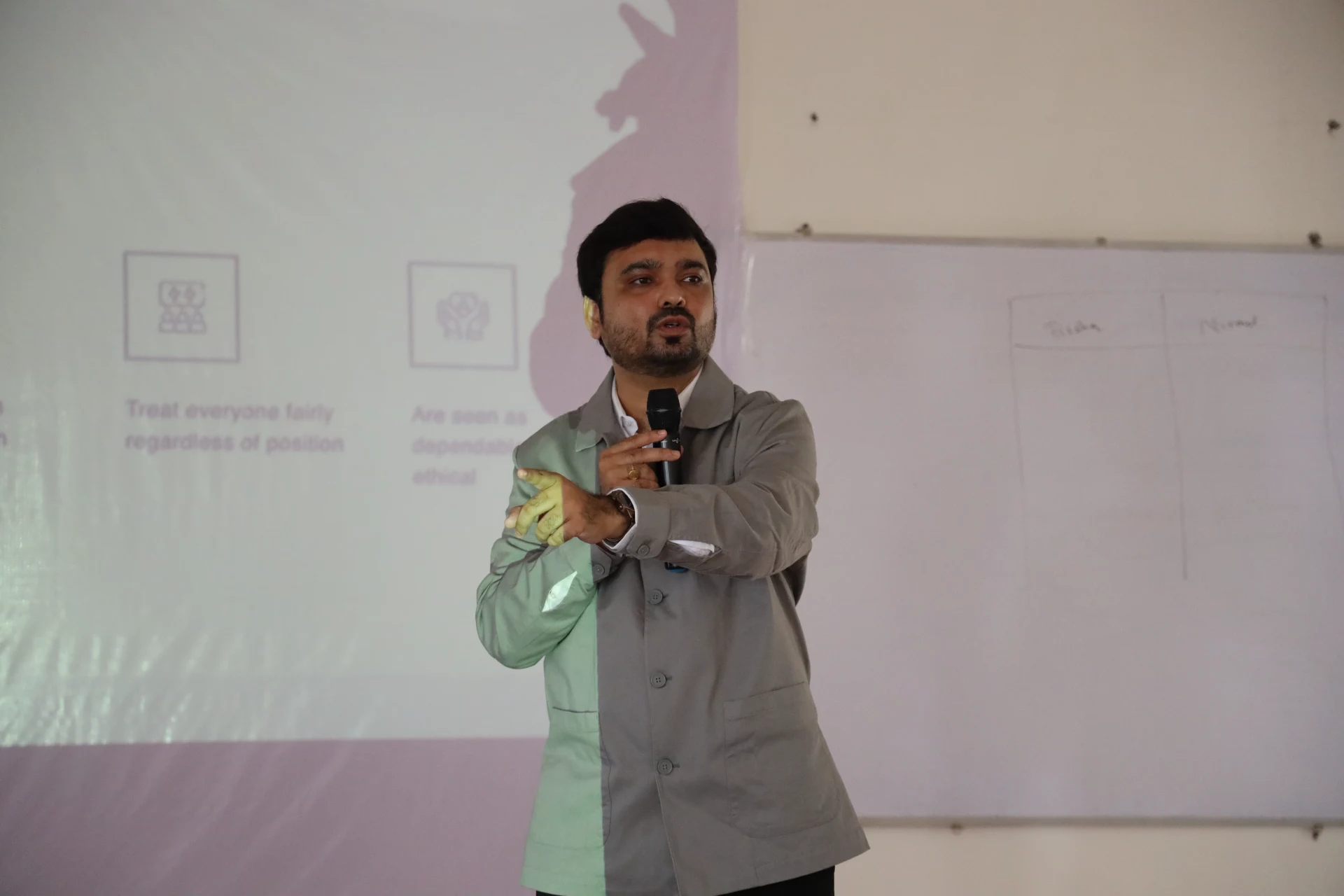
Avinash Chate - Top Motivational Speaker at corporate training program
One Dropped Catch Can Cost Everything: The Dangerous Habit of Second Ball SyndromeI have often seen talented people lose not because they lacked skill, but because they relaxed too early. They assumed there was enough time, enough opportunity, and enough margin for error. That mindset looks harmless in the beginning, but it becomes expensive later.
The biggest mistakes in projects, careers, and leadership journeys often happen at the start, not at the end.
This is what I call Second Ball Syndrome. It is that casual attitude that says, “It is just the beginning, we will handle it later.” In sport, that one moment can change the outcome of the entire game. In professional life, it can delay execution, weaken trust, reduce accountability, and create avoidable failure.
I want to use this idea to talk about something deeper: why the first phase of any responsibility deserves your best energy, not your leftover attention. As Avinash Chate, I have shared this message across 80+ organizations because I have repeatedly seen one pattern: teams do not usually collapse in the final stretch; they suffer because they were careless in the opening stretch.
What Is Second Ball Syndrome?
Second Ball Syndrome is the habit of underestimating the importance of the early stage. It is when people think the pressure is low simply because the journey has just begun. They assume they can recover later. They postpone seriousness. They delay discipline. They reduce urgency.
In the workplace, this shows up in very familiar ways. A team starts a project without role clarity. A sales professional enters a quarter without a structured plan. A leader ignores small conflicts because “there is still time.” A manager delays difficult conversations. An employee attends the kickoff meeting physically, but not mentally.
The problem is simple: beginnings create momentum. The first few actions define the quality of the next many actions. When the start is weak, recovery becomes harder, more emotional, and more expensive.
I have noticed that people are often highly alert in the last 2 percent of a task because the deadline is visible. But true excellence is built in the first 20 percent, when discipline is a choice and not yet a compulsion.
If you are casual in the beginning, you will be forced to be desperate in the end.
Why the First 20 Percent Matters More Than Most People Realize
The opening phase of any assignment is not a warm-up. It is a foundation. It determines direction, energy, ownership, and standards. If that foundation is weak, even highly talented teams struggle later.
Let me make this practical. In the first 20 percent of any project, people usually decide whether expectations are clear, whether communication is open, whether timelines are realistic, and whether accountability is visible. These are not small details. These are the emotional and operational anchors of performance.
When teams ignore this phase, they create hidden confusion. And hidden confusion always becomes visible conflict later.
As a corporate trainer and TEDx speaker, I have seen this in leadership workshops, sales interventions, team-building sessions, and personal growth programs. The same principle applies everywhere. People think success is saved by last-minute effort. In reality, success is protected by early seriousness.
This is also why I strongly believe leaders must set the tone immediately. Your team watches what you normalize. If you normalize vagueness at the beginning, you will spend the rest of the journey correcting avoidable mistakes.
How This Mistake Damages Careers and Teams
Second Ball Syndrome does not only affect projects. It affects reputation. A person who begins casually often sends the wrong message without realizing it. Others start doubting commitment, reliability, and maturity.
Think about a new role. The first few weeks are not a waiting room. They are an impression-building phase. Think about a sales cycle. The first conversation is not a formality. It shapes trust. Think about a team conflict. The first unresolved misunderstanding is not minor. It can become a cultural wound.
Many careers slow down not because people are incapable, but because they fail in the early moments that define credibility. The same is true in teams. One delayed decision, one ignored concern, one weak kickoff, one casual response to responsibility can slowly create a pattern of underperformance.
I remember discussing this with professionals from Kaeser Compressors India during a learning intervention on ownership and execution. The insight was powerful: high performance is not only about working hard; it is about taking the right things seriously at the right time. That shift in mindset changes everything.
Avinash Chate has always emphasized that motivation is not just excitement. Motivation is disciplined intent. It is the ability to stay alert even when others think the moment is too early to matter.
How Leaders Can Prevent Second Ball Syndrome
Leaders have a huge role to play here. Teams borrow seriousness from leadership. If the leader is sharp in the beginning, the team becomes sharper. If the leader is casual, the team becomes casual faster.
One framework I often connect to this idea is the KITE Leadership Framework. A strong leader creates clarity, inspires ownership, builds trust, and drives execution from the start. These are not end-stage behaviors. These are beginning-stage disciplines.
Here are a few ways leaders can prevent this mistake:
Start every project with crystal-clear expectations.
Define ownership before enthusiasm fades.
Address small deviations immediately.
Create a culture where preparation is respected.
Reward seriousness at the start, not just heroics at the finish.
In my experience, strong teams do not wait for pressure to become productive. They create productive pressure early. That is one of the biggest differences between average execution and consistent excellence.
If you want to explore how organizations can build this culture intentionally, I recommend reading Why Hire an External Corporate Trainer Instead of Internal Training in Pune. It explains why outside perspective often helps teams break comfortable but costly habits.
How Individuals Can Build an Early-Ownership Mindset
If you are an individual contributor, manager, entrepreneur, or salesperson, this lesson is deeply personal. You do not need to wait for a system around you to improve. You can start by changing your own beginning behavior.
Before starting any important task, ask yourself a few questions. What can go wrong if I take this lightly? What must be clarified now? What impression am I creating in the first few interactions? What standard am I setting for myself?
These questions create awareness. Awareness creates discipline. Discipline creates trust.
I also encourage professionals to build habits around preparation, follow-through, and visible ownership. When you begin well, you reduce stress later. When you begin poorly, you borrow trouble from the future.
This mindset is especially relevant in sales and performance-driven roles. A weak start in planning, follow-up, or time discipline can quietly damage outcomes. That is why resources like Time Management Training for Sales Teams in Mumbai and Best Motivational Speaker in Hyderabad for Sales Kick-Off Events are useful references for leaders who want sharper focus and stronger execution from day one.
As Avinash Chate, author of The Winning Edge, I believe personal growth begins when we stop treating beginnings casually. The first move matters. The first conversation matters. The first review matters. The first commitment matters.
My Final Message: Respect the Beginning
Every major failure does not begin with a dramatic collapse. Many begin with a small moment of carelessness. A dropped catch. A delayed response. A weak kickoff. A casual assumption. A belief that there is still plenty of time.
Please remember this: the beginning is never “just the beginning.” It is the stage where trust is built, standards are set, and momentum is created.
Avinash Chate has spent 15+ years working with professionals, leaders, and teams across industries, and one lesson keeps repeating itself: those who respect the early moments usually perform better in the later moments. They are calmer, clearer, and more credible.
If you want your team to communicate better, execute faster, lead stronger, and take ownership from the very start, this is the mindset to build now.
Do not wait for the last phase to become serious. Win by being serious early.
If you would like to build this mindset in your organization through a focused learning experience, book a corporate training session.
Frequently Asked Questions
What is Second Ball Syndrome in the workplace?
Second Ball Syndrome is the habit of taking the early stage of a task, project, or responsibility too lightly. It reflects the belief that there is enough time to become serious later, which often leads to poor execution and avoidable mistakes.
Why is the first phase of a project so important?
The first phase sets direction, expectations, accountability, and communication standards. A strong beginning creates momentum, while a weak beginning usually causes confusion, delays, and stress later.
How can leaders prevent casual attitudes at the start?
Leaders can prevent this by setting clear expectations, defining ownership early, addressing small issues quickly, and creating a culture that values preparation and disciplined execution from day one.
How does this concept apply to personal career growth?
In careers, first impressions, early discipline, and initial ownership shape credibility. People who take beginnings seriously often build stronger trust, better visibility, and more consistent performance over time.
Can motivational training help teams overcome this mindset?
Yes. Motivational and corporate training can help teams build ownership, communication, accountability, and execution discipline so they stop delaying seriousness and start performing strongly from the beginning.
Related Articles by Avinash Chate
- The Mirroring Technique That Helps You Build Trust and Close More Deals
- The Career Cost of Saying ‘I’m Not Ready’
- Motivational Speaker for Pune BPO and KPO Night-Shift Teams — Combating Burnout and Boosting Engagement
About the Author
Avinash Chate is a TEDx speaker, published author of The Winning Edge and The Unanswered, and founder of The Future Corporate & Business Coaching. With over 15 years of experience training 80+ organizations including Mauli Sahkari Patsanstha Marya, Maharashtra Institute of Technology, Aabasaheb Kakde Educational Group of Organization, Rajarambapu Patil Sahakari Sakhar Karkhana Limited, Avinash is recognized as Maharashtra's leading corporate trainer. He created the KITE Leadership Framework and the 25-Star Competency Framework™, delivering high-impact programs across leadership, team building, sales transformation, and emotional intelligence.
📞 +91 8793630001 | ✉️ connect@avinashchate.com | 🌐 avinashchate.com
Book Avinash Chate for Your Next Event
Maharashtra's #1 Corporate Trainer · India's leading Motivational Speaker & Team Building Expert · 2x TEDx · Available across India in English, Hindi & Marathi.
✅ Thanks! Avinash team will reach out within 24 hours.'}).catch(function(e){f.outerHTML='Something went wrong. WhatsApp +91 8793630001
'});return false;"> Select Service Motivational Speaking / Keynote Team Building Workshop Corporate Training / Leadership Development Manager Development Employee Training Outbound Training Book Avinash Now →Or WhatsApp directly: +91 87936 30001
Avinash Chate services
Corporate Trainer in Maharashtra · Top Corporate Trainers in Maharashtra · Leadership Trainer in Maharashtra · Top Leadership Trainers in Maharashtra · Team Building Trainer in Maharashtra · Top Team Building Trainers in Maharashtra · Motivational Speaker in Maharashtra · Top Motivational Speakers in Maharashtra · All service locations
← Back to all articles · Book Avinash Chate
By Avinash Chate — Maharashtra’s #1 Corporate Trainer & Motivational Speaker. .