Pessimistic vs Optimistic Leader: Stop Generalizing Indian Teams 2026
Avinash Chate on why pessimistic leaders generalize employee mistakes — and how optimistic leaders build stronger Indian teams by focusing on facts, not sweeping assumptions.
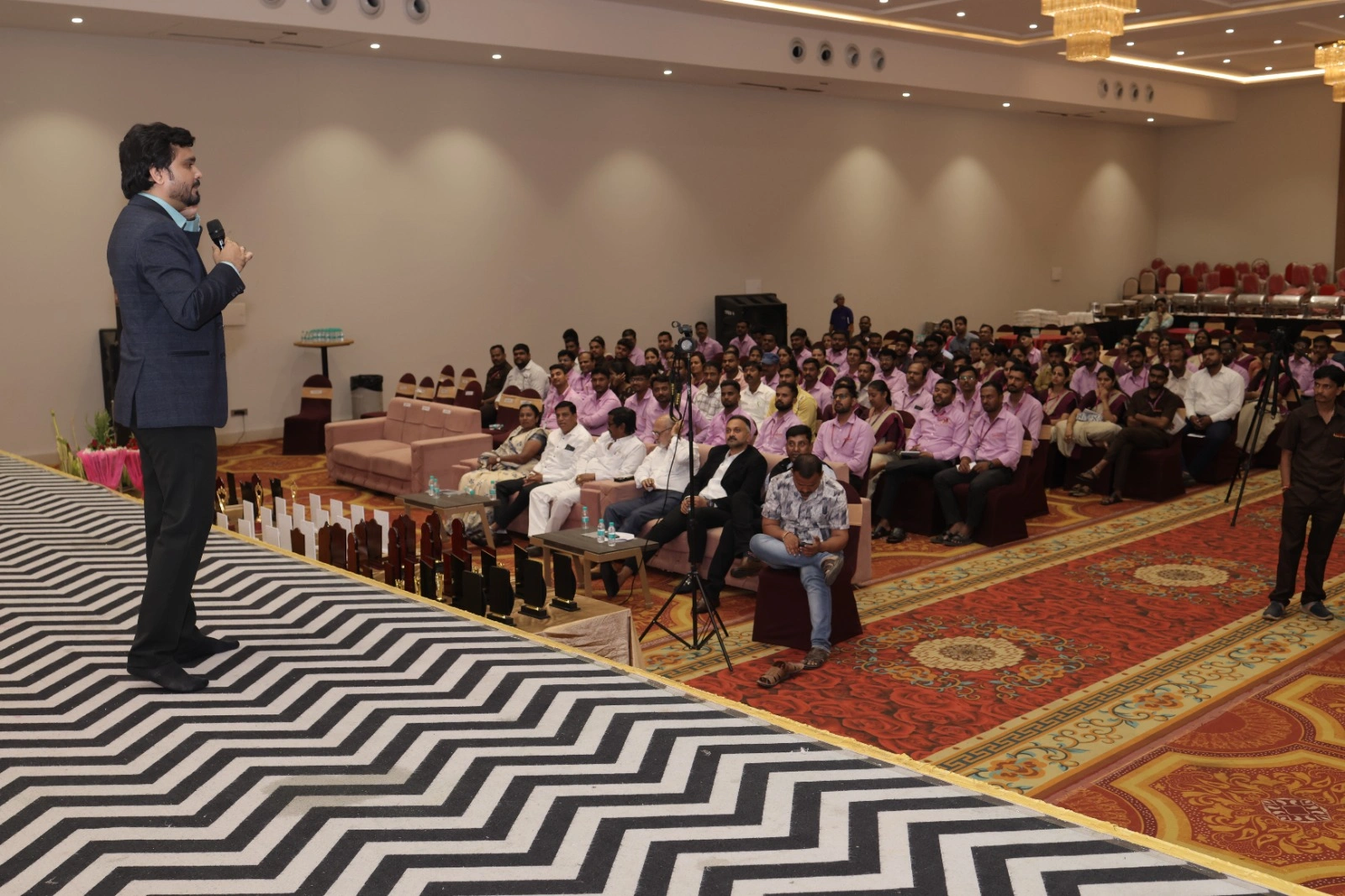
Here's a mistake I've seen destroy team morale at companies from Bajaj Auto to TCS: one employee misses a target, and the manager announces 'this team never delivers.' LinkedIn India 2026 confirms leadership skills are India's #1 professional priority — yet most leaders still haven't mastered this: stop generalizing individual failures to the whole team.
TL;DR- Pessimistic leaders generalize one employee's mistake across the entire team — this silently destroys trust, motivation, and psychological safety
- Optimistic leaders isolate the problem, stay fact-based, and avoid sweeping language like 'everyone always' and 'nobody ever'
- The difference between pessimistic and optimistic leadership is how you explain problems to yourself and your team in difficult moments
- Leaders who stop generalizing create safety — employees speak up earlier and high-performers stop disengaging
- Taking responsibility without blaming luck or external circumstances is the hallmark of optimistic high-performing Indian leaders
The #1 Leadership Mistake Indian Managers Make When an Employee Fails
Trust me, I've been in training rooms with managers from Mahindra to Infosys, and the same mistake shows up again and again. When one employee misses a deadline or makes an error, the manager's response too often sounds like: 'This whole team never delivers' or 'Nobody in this department takes ownership.' One person's issue instantly becomes a character verdict on thirty people. That's not leadership — that's pessimistic generalization, and it silently destroys morale, psychological safety, and the team's willingness to raise problems before they become crises.
What is Pessimistic Leadership and How Generalizing Destroys Indian Teams
In this video, I explain the core pattern of pessimistic thinking: when something goes wrong, pessimistic leaders extend the problem in three directions simultaneously. Across people — 'everyone' has this problem. Across time — 'always' and 'never'. And permanently — 'this will never change.' When a manager says 'this team never meets targets', they're doing all three at once. The employee who caused the issue feels no more accountable than before, while the rest of the team feels unfairly judged for something they didn't do. The result: everyone gradually disengages.
The Optimistic Leader's Secret: Focus on Facts Instead of Assumptions
Optimistic leaders approach the same failures very differently. When a problem occurs, they ask specific, grounded questions: What exactly happened? Who was specifically involved? What can we do differently going forward? They focus on the specific event rather than sweeping narratives about the team's character or motivation. The good news is this mindset is entirely learnable — it requires slowing down, resisting the emotional urge to generalize, and staying anchored in data and direct observation. I've seen managers at Bosch and Siemens completely transform their team dynamics simply by changing how they frame performance conversations with their people.
| Workplace Situation | Pessimistic Leader's Response | Optimistic Leader's Response |
|---|---|---|
| One employee misses a deadline | "This team never delivers on time" | "What specifically caused this delay? How can we fix it?" |
| A sale falls through | "Our team doesn't know how to close deals" | "Let's review this specific pitch. What can we improve?" |
| Project goes over budget | "This department has no financial discipline" | "Which budget decision led to this? Let's address it directly." |
| Employee makes a visible error | "Nobody in this team takes ownership" | "Let's talk about what happened here and how to prevent it." |
| Team misses a quarterly target | "We always underperform in this quarter" | "This quarter had specific challenges. Let's identify and solve them." |
| New process not being followed | "This whole team resists every change" | "What specifically is making this change difficult to adopt?" |
Why Successful Leaders Take Responsibility Without Blaming Luck or Circumstances
What most people don't realize is that pessimistic leaders also consistently externalize blame. They attribute failure to circumstances, bad luck, or external factors: 'the market is difficult', 'the team I inherited was weak', 'conditions were against us this quarter.' Optimistic leaders do the opposite — they take internal responsibility while keeping the scope of the problem specific and time-bound. They say 'I could have supported this project better' rather than 'the team always underperforms.' This balanced internal accountability, without shame or deflection, is exactly what high-performance Indian workplace cultures are built on and sustained by.
How to Stop Generalizing: Avinash Chate's Framework for Indian Managers
Here's my practical framework for stopping generalization: apply the FACT Filter. Focused — name the exact situation, not 'everyone always does this.' Accountable — ask what can change going forward, not what's permanently broken. Correctable — treat the issue as genuinely solvable, not as a character flaw. Time-bound — address it as an isolated event unless clear data shows a real pattern. This simple shift in how you explain failure to yourself and to your team can meaningfully transform your leadership effectiveness within 90 days. I've applied this consistently with L&T leadership teams with strong, measurable results.
Employee Engagement and the Generalizing Trap: What HR Professionals Must Know
HR leaders at Tata Tech and KPIT ask me regularly: why is our engagement score dropping even though salaries are competitive? My answer is usually: look specifically at how your managers handle failure publicly. When employees feel unfairly grouped with underperformers because their manager generalizes wildly, they stop going the extra mile for anyone. India's ₹1.5 trillion L&D market shows businesses are investing heavily in skill development — but skill training alone won't fix a culture of sweeping blame and generalization. Leadership mindset work has to come first, before everything else.
Pessimistic vs Optimistic Leadership in Action: Real Indian Workplace Examples
Let me give you a concrete example from my experience. A sales manager at a Maharashtra firm had one salesperson miss the quarterly target. His response: 'This team doesn't know how to close deals.' Every other salesperson in the room switched off immediately. Compare that to a leader I worked with at a Pune manufacturing company — same situation, completely different response: 'Rahul, let's look specifically at the last three deals you pitched. Where did friction occur? What support do you need from me?' Same underlying problem, completely different energy created — one produced disengagement, the other produced genuine accountability.
Building a Positive Workplace Culture by Changing How You Explain Failure
The way you explain failure — to yourself and openly to your team — defines your workplace culture over time. Leaders who generalize create cultures of blame where people hide mistakes and avoid accountability until problems blow up into full crises. Leaders who stay specific and fact-based create cultures where issues surface early, people feel genuinely safe raising problems, and performance measurably improves. Having trained teams at the Indian Army, BARC, and JSW, I can tell you without hesitation: the most resilient, high-performing organizations I've worked with share one thing — leaders who address performance clearly without ever destroying dignity.
Book Avinash Chate for Your Next Event
TEDx speaker. 11+ yrs training Army, BRO, RBI, BARC, JSW. Available for keynotes, leadership training, team building & manager development at your office or event venue.
✅ Thanks! Avinash team will reach out within 24 hours.'}).catch(function(e){f.outerHTML='Something went wrong. WhatsApp +91 8793630001
'});return false;">Select ServiceKeynote / Motivational SpeakingLeadership Development TrainingTeam Building WorkshopManager DevelopmentEmployee TrainingOutbound TrainingBook Avinash Now →Or WhatsApp directly: +91 87936 30001
Related Articles by Avinash Chate
- Recession मध्ये Hyundai ने cars परत घेऊनही फायदा कसा कमावला
- Virender Sehwag Mindset That Most Corporate Professionals Fear
- Why Manufacturing Industry is Difficult to Start in India: 5 Key Challenges
Avinash Chate TEDx Speaker · Founder, The Future Corporate · 11+ yrs experience Avinash has trained Indian Army, BRO, RBI, BARC, JSW Steel and 1000+ corporate leaders across India. His work focuses on leadership development, communication skills, and behavioural training rooted in Indian values and modern business needs. |
Frequently Asked Questions
What does it mean when a leader generalizes employee mistakes to the whole team?
Generalizing employee mistakes means taking one person's specific error and projecting it as a problem of the entire team or organization. For example, if one employee misses a deadline and the manager responds 'This team never delivers on time', they are generalizing a single incident into a permanent character verdict on everyone. This is harmful because it unfairly penalizes team members who had nothing to do with the error, destroys psychological safety, and makes people feel judged for something they didn't do. Over time, consistent generalization erodes trust deeply and causes progressive disengagement across even high-performing, motivated teams.
What is the core difference between pessimistic and optimistic leadership?
The core difference lies in how each type of leader explains problems to themselves and to their teams. Pessimistic leaders treat individual events as evidence of sweeping, permanent failures — using words like 'always', 'never', and 'everyone.' They also tend to externalize blame to circumstances, bad luck, or third parties outside their control. Optimistic leaders keep problems specific and time-bound — addressing the specific event, the specific person involved, and the specific correctable cause — while taking internal responsibility without shame or deflection. Optimistic leaders consistently stay anchored in facts and direct observation rather than in assumptions about people's character or general motivation.
How can Indian managers develop an optimistic leadership mindset in practice?
Developing an optimistic leadership mindset starts with cultivating self-awareness about your own language patterns. Notice when you use sweeping statements like 'this team always', 'nobody ever', or 'we never.' Practice deliberately replacing these with specific, evidence-based statements about what actually happened. Before forming any judgment, ask fact-finding questions: what exactly happened, when did it happen, and who was specifically involved in this situation? Seek regular feedback from trusted team members about whether your language during performance discussions feels accurate and fair to them. Structured leadership programs, like those offered through Avinash Chate's corporate training practice, can accelerate this mindset shift through practical frameworks and real-world scenarios tailored to Indian workplace contexts.
Why does stopping generalization improve employee engagement and team performance?
When leaders consistently stop generalizing, several powerful positive dynamics emerge. First, team members feel individually respected — they know they will only be held accountable for their own specific actions and decisions. Second, employees feel psychologically safe raising problems early because they trust that issues will be addressed specifically rather than used as ammunition for sweeping judgments about the team. Third, accountability actually increases because fair, specific feedback is genuinely harder to deflect or argue with than vague blame. Fourth, performance conversations become more collaborative, solution-focused, and constructive. The cumulative result is meaningfully higher engagement, lower attrition, and measurable improvements in team output — especially important in Indian corporate environments where workplace relationships and personal dignity carry significant cultural weight.
Avinash Chate services
Corporate Trainer in Maharashtra · Top Corporate Trainers in Maharashtra · Leadership Trainer in Maharashtra · Top Leadership Trainers in Maharashtra · Team Building Trainer in Maharashtra · Top Team Building Trainers in Maharashtra · Motivational Speaker in Maharashtra · Top Motivational Speakers in Maharashtra · All service locations
← Back to all articles · Book Avinash Chate
By Avinash Chate — Maharashtra’s #1 Corporate Trainer & Motivational Speaker. .