The Power of Positive Reinforcement in Workplace Motivation
Positive reinforcement is one of the most practical ways to build motivation, trust, and consistent performance at work. In this article, I share how leaders can use appreciation, recognition, and timely encouragement to create stronger teams and a healthier workplace culture.
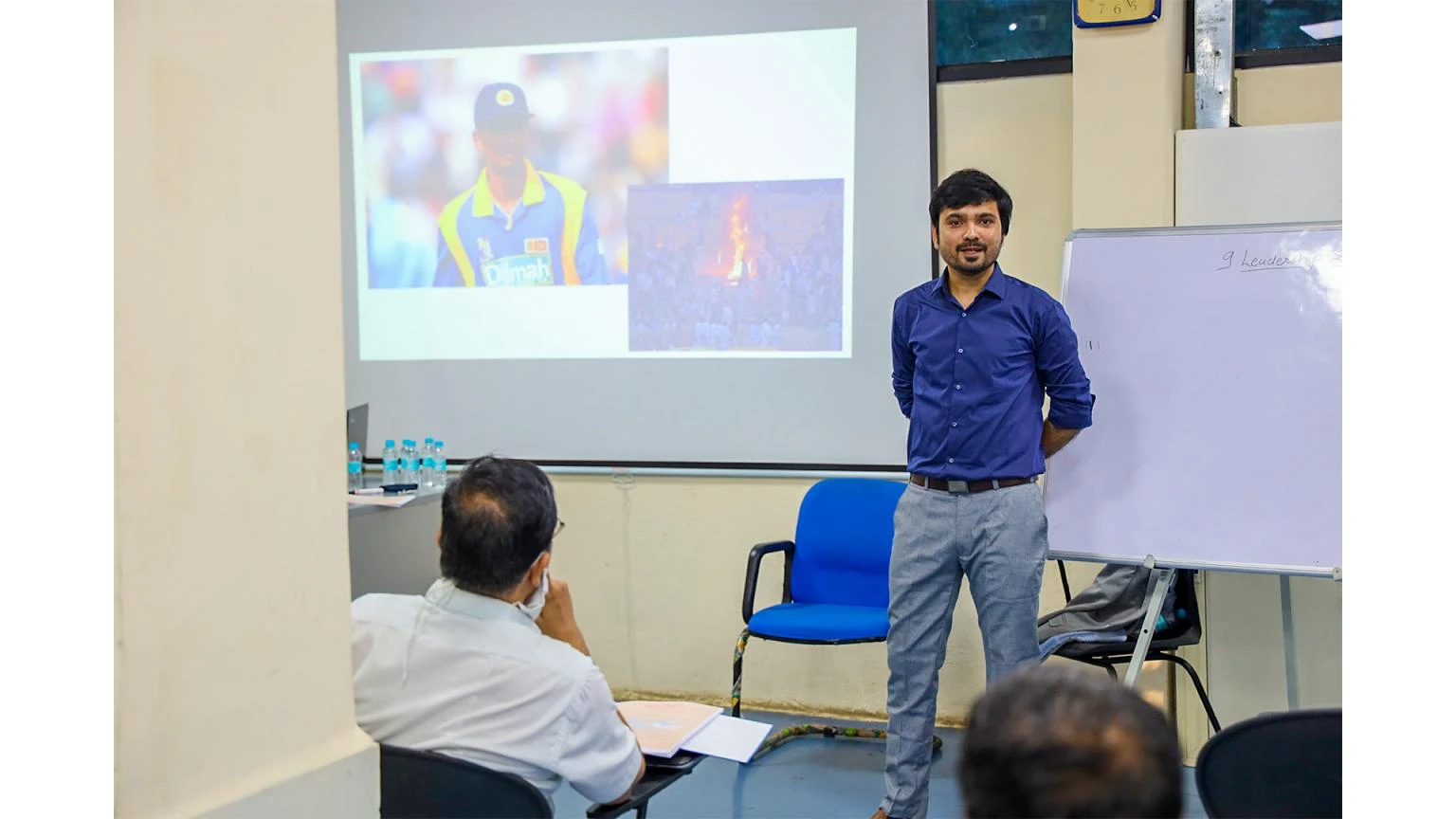
Avinash Chate - Leadership Coach at employee engagement session
The Power of Positive Reinforcement in Workplace MotivationIn my experience as a corporate trainer, I have seen one truth play out across industries: people grow faster when they feel seen, valued, and encouraged. Positive reinforcement is not about flattery. It is about recognizing the right effort, the right behavior, and the right intent so that people repeat what creates progress.
Key takeaway: when leaders appreciate specific actions consistently, motivation becomes stronger, performance becomes more stable, and team culture becomes healthier.
I am Avinash Chate, a TEDx speaker and author of The Winning Edge, and over 15+ years of working with professionals across 80+ organizations, I have observed that many workplaces do not suffer from lack of talent. They suffer from lack of meaningful recognition. Employees often know what is wrong because they hear about mistakes quickly. What they do not hear enough is what they are doing right.
Positive reinforcement changes that. It helps people connect effort with purpose. It improves morale without lowering standards. It creates accountability without fear. Most importantly, it reminds people that motivation is not built only through targets and pressure. It is built through trust, appreciation, and belief.
What Positive Reinforcement Really Means at Work
Positive reinforcement in the workplace means acknowledging and rewarding behaviors that support individual and team success. This can be verbal appreciation, public recognition, growth opportunities, trust, responsibility, or even a simple message that says, “I noticed your effort, and it made a difference.”
Many managers confuse motivation with correction. They believe that if they keep pointing out gaps, people will improve faster. But in reality, constant criticism can reduce confidence, increase hesitation, and create emotional distance. Positive reinforcement does not ignore mistakes. It simply ensures that progress receives attention too.
When I work with leaders during training sessions, I often explain that recognition must be specific. Saying “good job” is pleasant, but saying “your calm communication helped the client conversation move forward” is powerful. Specific praise tells people what behavior to repeat.
Avinash Chate has always believed that workplace motivation becomes sustainable when appreciation is timely, genuine, and connected to values. This is one reason the KITE Leadership Framework remains relevant in leadership development. It encourages leaders to create trust-based environments where individuals feel inspired to contribute, not compelled by fear alone.
Why Positive Reinforcement Drives Motivation Better Than Pressure Alone
Pressure may create short bursts of action, but positive reinforcement creates lasting commitment. When people feel respected, they become more willing to take ownership. When they know their effort matters, they bring more energy to their work. Motivation becomes internal rather than forced.
I have seen this in teams that were once disengaged but transformed after leaders changed how they communicated. Instead of only reviewing missed targets, they began appreciating preparation, collaboration, initiative, and resilience. The result was not just better morale. It was better performance.
At one organization I interacted with, including teams associated with JM Aluext Profiles Pvt Ltd, a simple shift in managerial behavior made a visible difference. Team members started receiving immediate appreciation for problem-solving, peer support, and customer-focused communication. Over time, people became more proactive because they no longer felt invisible. They felt trusted.
That is the hidden strength of positive reinforcement. It does not merely make people feel good in the moment. It shapes behavior, builds self-belief, and strengthens relationships. A motivated employee does not always need louder instructions. Often, they need clearer appreciation.
People do not stay committed only because they are monitored. They stay committed because they feel their contribution matters.
How Leaders Can Use Positive Reinforcement Without Sounding Artificial
One concern I hear often is this: “What if appreciation starts sounding fake?” That concern is valid. Positive reinforcement works only when it is authentic. Employees quickly recognize empty praise. So the answer is not to appreciate more randomly. The answer is to appreciate more meaningfully.
Here are a few principles I recommend in leadership and corporate training sessions:
Recognize effort as well as outcomes. Not every good effort leads to an immediate result, but effort deserves acknowledgment when it reflects commitment and discipline.
Be specific. Mention the action, the impact, and why it matters.
Be timely. Delayed appreciation loses emotional power.
Match the person. Some employees value public recognition, while others prefer private appreciation.
Connect recognition to shared values. This helps build culture, not just individual morale.
As Avinash Chate, I often remind leaders that appreciation is not a soft alternative to performance management. It is a performance multiplier. It encourages repetition of the right habits. It also creates psychological safety, which is essential for collaboration and initiative.
If you want to deepen your understanding of stronger team culture, I recommend reading Building High Performance Teams in Corporate Pune: Strategies for Success. The principles there align strongly with how trust and recognition shape collective performance.
The Link Between Recognition, Team Culture, and Retention
One of the biggest mistakes organizations make is assuming that people leave only for compensation or career growth. In many cases, people leave because they feel unseen. They feel that their hard work has become routine, expected, and unappreciated. Over time, this emotional fatigue weakens engagement.
A culture of positive reinforcement changes this pattern. It creates a workplace where people know that contribution is noticed. This does not mean every action needs applause. It means meaningful effort should not disappear into silence.
In my workshops, I often ask leaders to reflect on a simple question: when was the last time someone on your team heard from you only because they did something right? That question usually creates a pause. Many leaders are quick to intervene when there is a problem, but slow to acknowledge progress.
Recognition also improves team dynamics. When appreciation becomes part of culture, peers begin to value one another more openly. Collaboration improves because people stop competing only for correction avoidance and start contributing for shared success. If you want to explore how leadership choices influence team confidence, read The Leadership Decision That Replaced Layoff Fear With Shared Growth.
Simple Positive Reinforcement Practices Every Manager Can Start Today
You do not need a complicated system to build a motivated team. Positive reinforcement often begins with small, consistent habits. Here are practical ways I suggest managers start:
Begin meetings by recognizing one meaningful contribution from the previous week.
Send short appreciation messages when someone handles a challenge with maturity.
Acknowledge collaboration, not just individual star performance.
Celebrate improvement, not only perfection.
Thank people for attitude, ownership, and communication, not just numbers.
These habits may sound simple, but their impact is deep. Motivation is often shaped by repetition. When people repeatedly experience encouragement tied to effort and values, they become more confident and committed.
I also encourage leaders to reinforce learning behavior. When employees ask thoughtful questions, volunteer ideas, support others, or recover well from setbacks, those moments deserve recognition. This creates a growth-oriented workplace where people are not afraid to stretch themselves.
For leaders working with hybrid or distributed teams, the human touch matters even more. That is why I recommend reading How I Leverage Online Platforms for Effective Corporate Training Without Losing the Human Touch. The core principle remains the same: people perform better when communication carries warmth, clarity, and respect.
Why Positive Reinforcement Is a Leadership Responsibility
Motivation is not the employee’s responsibility alone. It is also shaped by leadership behavior. The tone leaders set influences how people think, speak, collaborate, and respond under pressure. If leaders notice only mistakes, teams become defensive. If leaders notice strengths and progress along with gaps, teams become more resilient.
This is why positive reinforcement is not a side skill. It is a leadership discipline. It requires observation, empathy, communication, and consistency. It requires leaders to be present enough to notice effort and mature enough to acknowledge it.
As Avinash Chate, I have seen that the most respected leaders are not those who motivate through fear. They are the ones who bring out the best in people by recognizing what is already working and helping it grow further. That is how confidence is built. That is how culture is shaped. And that is how performance becomes sustainable.
If your organization wants to strengthen motivation, communication, leadership, and team culture through practical learning, book a corporate training session with me. Positive reinforcement, when practiced well, can transform not just individual morale but the entire workplace environment.
Frequently Asked Questions
What is positive reinforcement in the workplace?
Positive reinforcement in the workplace means acknowledging and encouraging behaviors that contribute to better performance, teamwork, ownership, and attitude. It helps employees understand what they are doing well so they can repeat it consistently.
How does positive reinforcement improve employee motivation?
It improves motivation by making employees feel valued, respected, and confident. When people know their efforts are noticed, they are more likely to stay engaged, take initiative, and perform with greater commitment.
Is positive reinforcement the same as praising everyone all the time?
No. Effective positive reinforcement is specific, genuine, and linked to meaningful behavior or effort. It is not about giving random praise. It is about reinforcing actions that support growth, performance, and team values.
Can positive reinforcement work in high-pressure corporate environments?
Yes. In fact, it becomes even more important in demanding environments. Positive reinforcement balances pressure with encouragement, helping employees stay focused, resilient, and emotionally connected to their work.
How can managers start using positive reinforcement immediately?
Managers can begin by appreciating specific efforts, recognizing progress in meetings, sending timely thank-you messages, and acknowledging collaboration and ownership. Small, consistent actions create a strong motivational impact over time.
Related Articles by Avinash Chate
- Why Investing in Personal Development is Key for Leadership Success in Osmanabad
- How to Create an Impactful Team-Building Retreat in Nagpur: A Complete Guide
- Top 10 Corporate Motivational Speakers in Satara for IT, Manufacturing, and Startup Companies [2026]
About the Author
Avinash Chate is a TEDx speaker, published author of The Winning Edge and The Unanswered, and founder of The Future Corporate & Business Coaching. With over 15 years of experience training 80+ organizations including Matchwell Engineering, Aurangabad electricals, USK agro science, Gadharva Finchart Enterprises LLP, Avinash is recognized as Maharashtra's leading corporate trainer. He created the KITE Leadership Framework and the 25-Star Competency Framework™, delivering high-impact programs across leadership, team building, sales transformation, and emotional intelligence.
📞 +91 8793630001 | ✉️ connect@avinashchate.com | 🌐 avinashchate.com
Book Avinash Chate for Your Next Event
Maharashtra's #1 Corporate Trainer · India's leading Motivational Speaker & Team Building Expert · 2x TEDx · Available across India in English, Hindi & Marathi.
✅ Thanks! Avinash team will reach out within 24 hours.'}).catch(function(e){f.outerHTML='Something went wrong. WhatsApp +91 8793630001
'});return false;"> Select Service Motivational Speaking / Keynote Team Building Workshop Corporate Training / Leadership Development Manager Development Employee Training Outbound Training Book Avinash Now →Or WhatsApp directly: +91 87936 30001
Avinash Chate services
Corporate Trainer in Maharashtra · Top Corporate Trainers in Maharashtra · Leadership Trainer in Maharashtra · Top Leadership Trainers in Maharashtra · Team Building Trainer in Maharashtra · Top Team Building Trainers in Maharashtra · Motivational Speaker in Maharashtra · Top Motivational Speakers in Maharashtra · All service locations
← Back to all articles · Book Avinash Chate
By Avinash Chate — Maharashtra’s #1 Corporate Trainer & Motivational Speaker. .