Should Leaders Punish Employees? Rethinking Power in Indian Workplaces 2026
Leaders should not use their power and position to punish employees—it's not necessary and it's counterproductive. Here's how to create a positive workplace environment that empowers the workforce and drives results without fear in India 2026.
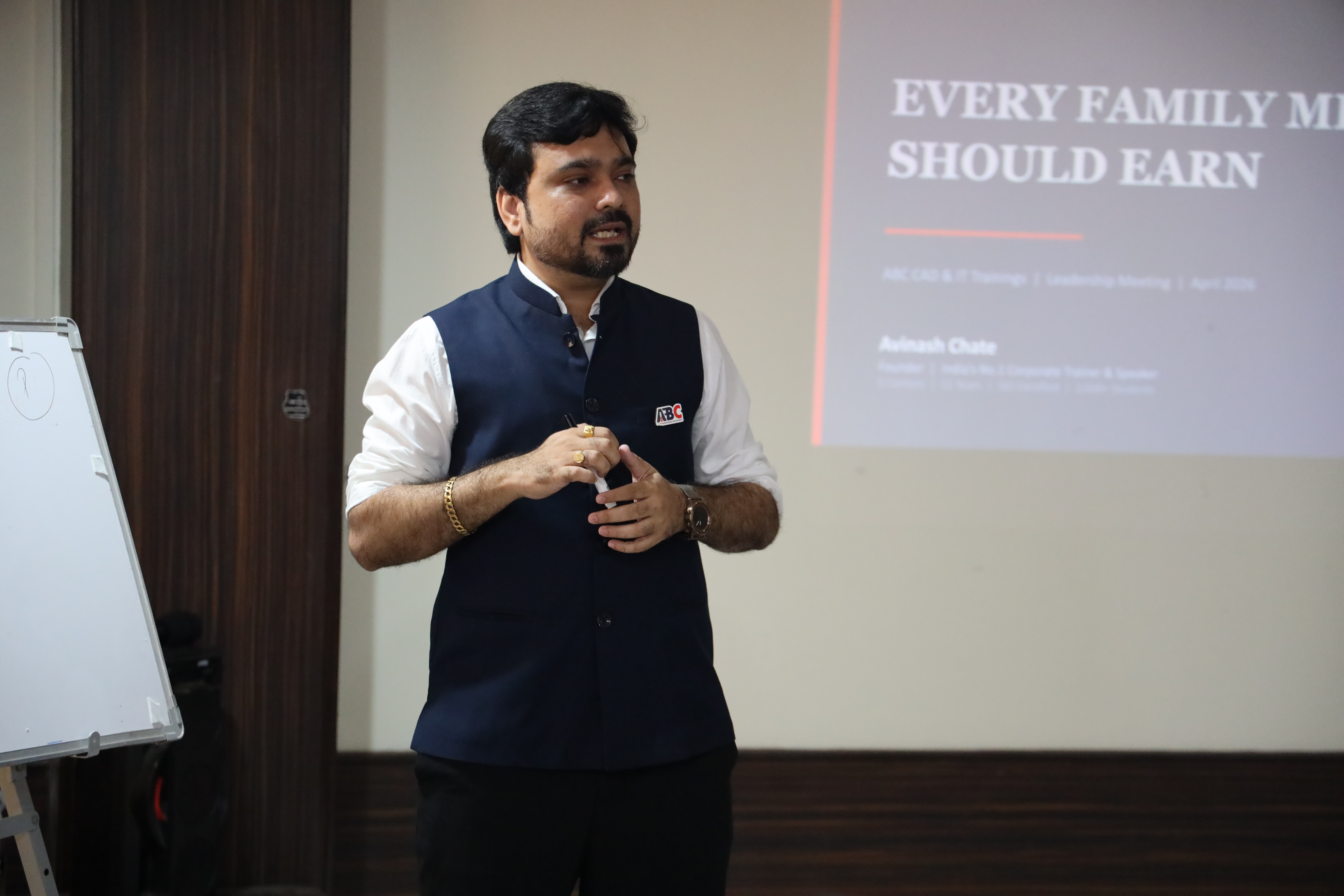
Leaders should not use their power and position to punish employees—it's simply not necessary, and the data from India's most productive workplaces confirms it. What most people don't realize is that punishment-based leadership creates compliance without commitment, silence without resolution, and fear without performance. With India's L&D market at ₹1.5 trillion, the shift from punishment to empowerment is the most important leadership transition happening in Indian corporates right now.
TL;DR- Leaders who use power and position to punish employees create fear, not performance
- Punishment-based leadership produces compliance without commitment and silence without resolution
- Accountability and punishment are not the same thing—and confusing them costs organizations their best people
- Empowering employees means giving them the context, authority, and feedback to self-regulate
- India's most productive workplaces in 2026 run on empowerment cultures, not fear cultures
Why Punishment-Based Leadership Fails Indian Teams and Organizations
Punishment-based leadership—using your authority to create consequences that humiliate, isolate, or threaten employees—produces a very specific organizational outcome: people who work to avoid punishment rather than to create value. I see this pattern regularly in the organizations I'm invited to train at Bajaj Auto, Tata Tech, and Mahindra. Teams with punishment-based managers have three visible symptoms: low psychological safety in meetings, high information withholding, and the best people leaving first. The manager who uses punishment as their primary management tool is not building an organization—they're dismantling one, slowly, from the inside out.
The Crucial Difference Between Accountability and Punishment in Management
Accountability is not punishment, and conflating the two is one of the most damaging management errors I see in Indian corporate culture. Accountability means having a clear standard, communicating it explicitly, and having a direct, professional conversation when the standard isn't met—focused on what needs to change, not on assigning blame or creating embarrassment. Punishment is the opposite: it's a response designed to make someone feel bad rather than to improve what went wrong. Accountability makes teams better. Punishment makes teams fearful. Both involve consequences—but only one creates the conditions for genuine improvement.
| Approach | Punishment Culture | Empowerment Culture |
|---|---|---|
| Primary Motivator | Fear of consequences | Sense of ownership and purpose |
| Mistake Response | Blame, humiliation, penalty | Root cause analysis, coaching |
| Initiative Level | Low — visibility is risky | High — initiative is rewarded |
| Information Flow | Problems hidden until critical | Problems surfaced early |
| Top Talent Retention | Best people leave first | Best people stay and grow |
What Happens to Your Team Culture When Fear Becomes the Primary Motivator
When fear becomes the primary motivator in a team, a very specific and predictable deterioration happens. People stop taking initiative because initiative creates visibility and visibility creates the risk of being singled out. They stop raising problems early because early problems invite punishment. They stop collaborating honestly because the safest behavior is to look like you're working while creating no surface area for criticism. I've seen this pattern in organizations across Maharashtra. McKinsey data confirms Indian managers waste 21 hours weekly in reactive meetings—fear-based cultures generate most of that waste.
How to Hold Standards Without Using Punishment as Your Primary Tool
Holding high standards without punishment requires three things: clarity, consistency, and coaching. Clarity means every person on your team knows exactly what the standard is—not a general expectation of doing a good job but a specific, defined level of output, behavior, and quality. Consistency means the standard applies to everyone, every time, without favorites or exceptions. Coaching means when someone falls short, your first response is a curious, direct conversation: what happened? What would you do differently? What do you need from me to meet the standard next time? This approach builds capability. Punishment only builds resentment.
Creating a Positive Workplace Environment That Drives Performance Without Fear
A positive workplace environment isn't a soft, permissive culture where standards don't matter. It's a culture where standards are high and support is high simultaneously. I've trained leadership teams at Siemens, L&T, and KPIT on building exactly this balance. The formula is simple: make the expectation unmistakably clear, provide the resources and coaching people need to meet it, and respond to gaps with structured problem-solving rather than personal punishment. Teams in this environment consistently outperform fear-based teams in every measurable metric—retention, output quality, innovation, and customer satisfaction.
Empowering the Workforce: What It Actually Looks Like in Indian Corporates
Empowering your workforce means giving people the three things they need to self-regulate: context, authority, and feedback. Context means they understand why their work matters and how it connects to the bigger picture—people who understand the why make better decisions independently. Authority means they're trusted to make decisions within a defined scope without needing approval for every step. Feedback means they receive honest, specific, timely information about the quality of their work so they can self-correct. When these three elements are present, teams need less management and produce more results. That's the environment that retains the best people and makes the rest better.
The Leadership Shift India's Best Organizations Are Making in 2026
India's most effective organizations in 2026 are actively moving from command-and-control leadership to empowerment-based leadership—and the business results are speaking for themselves. With 250+ unicorns, an AI-driven economy, and NASSCOM projecting 1.25 million advanced-skills jobs by 2027, the organizations that will attract and retain India's best talent are the ones that offer autonomy, growth, and a culture of accountability without punishment. Leaders who make this shift don't just create better workplaces—they create competitive advantages that show up directly in recruiting, retention, and innovation.
Book Avinash Chate for Your Next Event
TEDx speaker. 11+ yrs training Army, BRO, RBI, BARC, JSW. Available for keynotes, leadership training, team building & manager development at your office or event venue.
✅ Thanks! Avinash team will reach out within 24 hours.'}).catch(function(e){f.outerHTML='Something went wrong. WhatsApp +91 8793630001
'});return false;">Select ServiceKeynote / Motivational SpeakingLeadership Development TrainingTeam Building WorkshopManager DevelopmentEmployee TrainingOutbound TrainingBook Avinash Now →Or WhatsApp directly: +91 87936 30001
Related Articles by Avinash Chate
- Why Manufacturing Industry is Difficult to Start in India: 5 Key Challenges
- Ajit Agarkar's 21-Ball ODI Fifty Against Zimbabwe: The Silent Performer's Career Blueprint
- Clive Lloyd's 1975 World Cup Final Leadership: How Bold Captaincy Wins Under Pressure
Avinash Chate TEDx Speaker · Founder, The Future Corporate · 11+ yrs experience Avinash has trained Indian Army, BRO, RBI, BARC, JSW Steel and 1000+ corporate leaders across India. His work focuses on leadership development, communication skills, and behavioural training rooted in Indian values and modern business needs. |
Frequently Asked Questions
Why do leaders in Indian companies still use punishment as a management tool?
Leaders in India still use punishment as a management tool primarily because it's what was modelled for them—they were managed through fear themselves and absorbed it as the definition of authority. There's also a genuine belief in some organizational cultures that fear creates compliance, which gets mistaken for performance. The problem is that punishment-based management does produce short-term compliance—but it consistently destroys the psychological safety, initiative, and honest communication that long-term high performance requires. Training and intentional culture change are the only reliable ways to break this cycle.
What is the difference between accountability and punishment in leadership?
Accountability means holding a clear standard, communicating it explicitly, and having a direct professional conversation when it isn't met—focused on what needs to change and what support is needed. Punishment is a response designed to make someone feel bad rather than to improve what went wrong. Accountability creates learning and capability improvement. Punishment creates fear and information hiding. Both involve consequences, but only accountability produces the outcome organizations actually need: better decisions and behaviour in future situations. Confusing the two is one of the most costly management errors in Indian corporate culture.
How do I hold high standards in my team without resorting to punishment?
Hold high standards without punishment by investing in three things: clarity, consistency, and coaching. Clarity means every team member knows exactly what the standard looks like—specific and measurable, not vague. Consistency means it applies to everyone every time, without exceptions or favorites. Coaching means when someone falls short, your first response is a curious, supportive conversation: what happened, what needs to change, and what support do you need? This approach builds capability rather than resentment. I've used this framework in training engagements with Bajaj Auto, L&T, and Mahindra teams and it consistently outperforms the punishment alternative.
What does an empowered workforce look like in an Indian company in 2026?
An empowered workforce in an Indian company in 2026 has three visible qualities: people who raise problems early because they trust the response will be constructive, people who take initiative because they know calculated risks are supported rather than punished, and people who provide honest feedback upward because psychological safety makes it possible. These qualities don't appear by accident—they're built through consistent leadership behaviour over time. Leaders who provide context, delegate real authority, and respond to mistakes with coaching rather than punishment create these conditions. Once built, they're self-reinforcing and extremely difficult for competitors to replicate.
Avinash Chate services
Corporate Trainer in Maharashtra · Top Corporate Trainers in Maharashtra · Leadership Trainer in Maharashtra · Top Leadership Trainers in Maharashtra · Team Building Trainer in Maharashtra · Top Team Building Trainers in Maharashtra · Motivational Speaker in Maharashtra · Top Motivational Speakers in Maharashtra · All service locations
← Back to all articles · Book Avinash Chate
By Avinash Chate — Maharashtra’s #1 Corporate Trainer & Motivational Speaker. .