Strategies for Communicating Effectively with Multigenerational Workforces
Discover practical strategies to communicate effectively across multigenerational workforces, build trust, reduce friction, and improve collaboration in today’s diverse corporate environment.
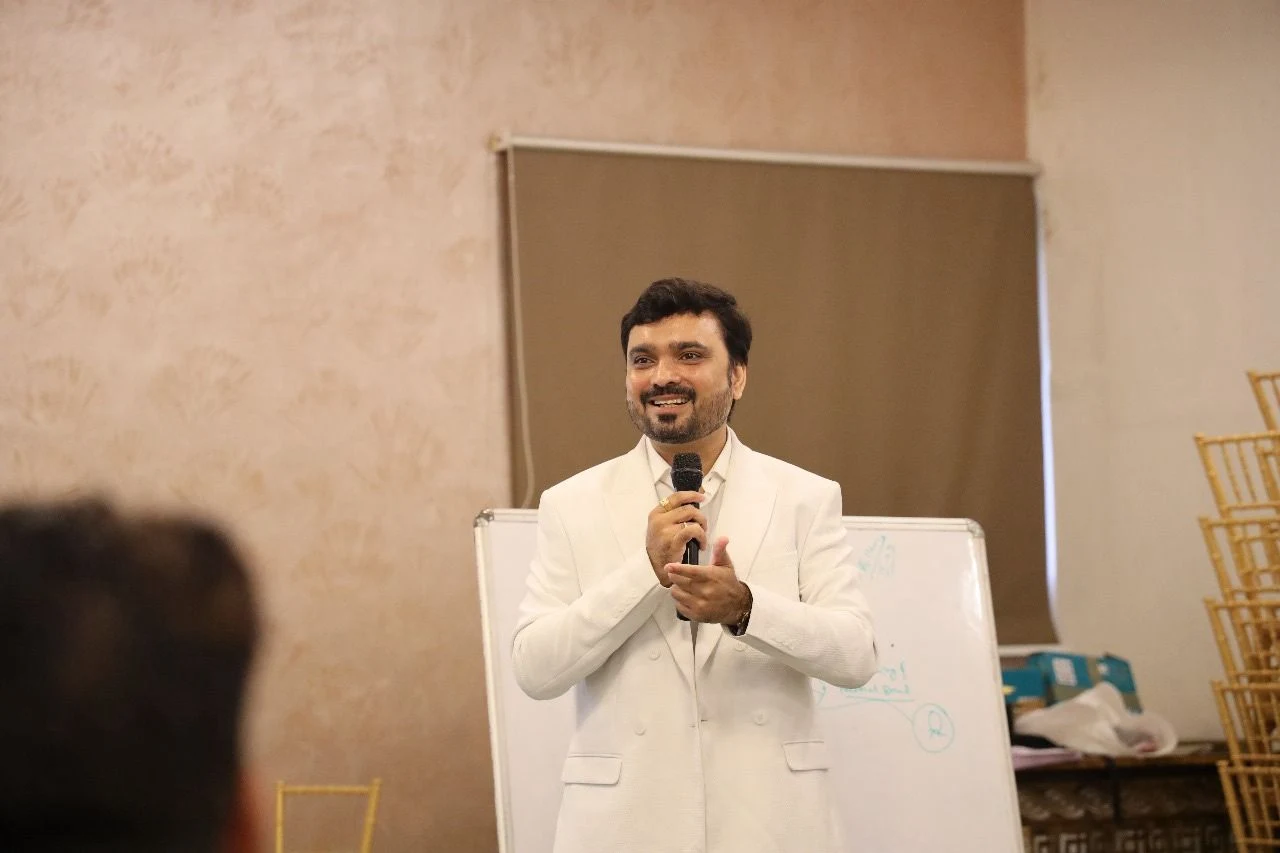
Avinash Chate - Corporate Training Expert at team building workshop
Strategies for Communicating Effectively with Multigenerational WorkforcesIn today’s workplace, I often see four or even five generations working side by side, each bringing different expectations, habits, and communication styles. That diversity is a tremendous strength, but only when leaders know how to channel it well. The key takeaway is simple: effective communication in a multigenerational workforce is not about choosing one style over another; it is about building shared understanding, mutual respect, and clarity across styles.
As Avinash Chate, a TEDx speaker and author of The Winning Edge, I have worked with leaders across 80+ organizations and seen one truth repeatedly: communication breaks down not because people lack intent, but because they assume others interpret messages the same way they do.
When teams include early-career professionals, mid-level managers, experienced domain experts, and senior leaders with decades of wisdom, communication cannot be left to chance. It must be designed. In my work with organizations such as RBI, I have seen that when communication becomes intentional, engagement improves, conflicts reduce, and performance accelerates.
Why multigenerational communication is now a leadership priority
Many leaders still treat communication problems as personality issues. I believe that is a mistake. In most organizations, communication friction is often rooted in generational experiences, workplace conditioning, technology comfort, and differing definitions of professionalism.
For example, one employee may value concise instant messages and quick decisions, while another may prefer context-rich discussions and formal follow-ups. One may see direct feedback as efficient, while another may experience it as abrupt. Neither is wrong. The challenge is alignment.
This is where leadership maturity matters. I use the KITE Leadership Framework to help leaders create communication cultures that are clear, inclusive, and performance-driven. A multigenerational workforce does not need leaders who stereotype generations. It needs leaders who can interpret differences intelligently and respond with flexibility.
If you want to understand how speed and coordination transform outcomes, I recommend reading What NASCAR Pit Crews Can Teach Every Business About Speed, Innovation, and Profits. The lessons are highly relevant to communication in fast-moving teams.
Stop stereotyping and start diagnosing communication preferences
One of the biggest mistakes I see in organizations is oversimplifying generations. Labels may be convenient, but they are rarely sufficient. Not every younger employee wants only digital communication. Not every senior employee resists technology. Not every mid-career manager prefers hierarchy.
Instead of stereotyping, I encourage leaders to diagnose communication preferences at the team level. Ask practical questions. How does this team prefer updates? What level of detail helps them act confidently? Which channels are best for urgent decisions, routine collaboration, and sensitive conversations?
When I facilitate corporate training sessions, I encourage managers to create communication maps for their teams. These maps identify preferred channels, expected response times, escalation methods, and meeting norms. This removes ambiguity and reduces frustration.
As Avinash Chate, I have found that communication improves significantly when leaders replace assumptions with agreements. Teams work better when they know not only what to do, but how they will communicate while doing it.
Create shared communication rules that respect different styles
In multigenerational teams, flexibility is important, but so is consistency. If everyone communicates in completely different ways without shared norms, confusion becomes inevitable. That is why I advise organizations to establish a few common communication rules.
These rules should be simple and practical.
- Define which channels are used for urgent, important, and routine communication.
- Set expectations for response times without creating constant pressure.
- Clarify when a message is enough and when a conversation is necessary.
- Encourage summaries after meetings to ensure alignment.
- Make feedback timely, respectful, and specific.
These norms create fairness. They also reduce the hidden stress that often exists in mixed-age teams, where one person feels ignored and another feels overwhelmed.
I have seen leaders transform team culture by introducing one simple habit: after every important discussion, someone documents decisions, owners, and timelines. This is especially useful in multigenerational workforces because it helps bridge differences in memory styles, listening preferences, and interpretation.
Great communication is not about speaking more. It is about making meaning clearer for everyone in the room.
For a deeper perspective on building strong foundations that support long-term success, you may also enjoy What a Rural School Can Teach Us About Strong Foundations and Lifelong Success.
Adapt your message, medium, and tone
One communication style does not fit every audience. Leaders who communicate effectively with multigenerational workforces know how to adapt three things: message, medium, and tone.
Message means how much context you provide. Some employees want the big picture before they act. Others prefer direct instructions and immediate clarity. Strong leaders know when to expand and when to simplify.
Medium means the channel you choose. Not every topic belongs on email, chat, or a video call. Sensitive feedback should rarely be delivered casually. Strategic change should not be announced without room for dialogue. Fast operational updates may not require a long meeting.
Tone means how the message feels. A message can be factually correct and still create resistance if the tone feels dismissive, cold, or overly authoritative. Across generations, tone carries meaning. Respect matters deeply, especially when teams are already navigating differences in age, experience, and authority.
As Avinash Chate, I often remind leaders that communication is not complete when they send a message. It is complete only when the other person understands it the way it was intended and feels clear about the next step.
Technology can support this adaptation beautifully when used thoughtfully. If you are rethinking communication and learning systems, explore 5 Ways to Leverage Technology in Corporate Training for Maximum Impact.
Build trust through listening, not just messaging
In multigenerational workplaces, trust is the real communication currency. Without trust, even well-crafted messages are questioned. With trust, even difficult conversations become productive.
Trust grows when leaders listen without rushing to judge. It grows when younger employees feel their ideas are taken seriously. It grows when experienced employees feel their knowledge is respected rather than bypassed. It grows when managers ask questions before drawing conclusions.
I encourage leaders to create structured listening opportunities. These can include skip-level conversations, cross-generational project reviews, reverse mentoring, and team reflection sessions. The goal is not symbolic inclusion. The goal is practical insight.
Many organizations underestimate how powerful reverse mentoring can be. When senior professionals learn from younger colleagues about technology, market shifts, or new work habits, and younger professionals learn judgment, resilience, and stakeholder management from senior colleagues, communication becomes more human and less hierarchical.
This is one of the most effective ways to reduce “us versus them” thinking. Once people understand the pressures and strengths of other generations, empathy increases. And when empathy increases, communication improves naturally.
Train managers to become communication bridges
The single most important factor in multigenerational communication is the direct manager. Policies matter, but managers shape the daily experience. They decide how information flows, how feedback is delivered, how meetings are run, and how conflict is handled.
That is why I believe organizations must train managers not just in communication skills, but in communication judgment. Managers need to know when to coach, when to clarify, when to challenge, and when to simply listen.
They also need to recognize that fairness does not always mean sameness. Different employees may need different communication approaches to produce the same level of clarity and confidence. A strong manager adjusts without becoming inconsistent.
As Avinash Chate, I have seen this repeatedly in leadership workshops: once managers understand that communication is a strategic capability, not a soft skill, they become far more intentional. Team energy changes. Meetings become sharper. Feedback becomes more useful. Collaboration becomes smoother.
If your organization wants stronger alignment, better collaboration, and more engaged teams across age groups, the answer is not more communication. It is better communication.
Book a corporate training session with me at https://avinashchate.com and let us build a communication culture that helps every generation perform at its best.
Frequently Asked Questions
Why is communication difficult in a multigenerational workforce?
Communication becomes difficult because employees from different generations often have different expectations around tone, speed, formality, feedback, and technology use. The issue is usually not intent, but interpretation.
How can managers communicate better with employees of different age groups?
Managers can improve by understanding individual preferences, setting clear team communication norms, choosing the right channel for the message, and listening actively before making assumptions.
Should organizations create separate communication styles for each generation?
No. Organizations should avoid rigid generational stereotypes. Instead, they should create shared communication standards while allowing managers enough flexibility to adapt to individual and team needs.
What role does technology play in multigenerational communication?
Technology can improve communication when used intentionally. It helps teams collaborate faster, document decisions, and share updates efficiently, but it should not replace meaningful conversations when context or sensitivity is important.
How can corporate training improve communication across generations?
Corporate training helps leaders and teams understand communication differences, reduce friction, improve listening, strengthen feedback practices, and build a more inclusive and productive work culture.
Related Articles by Avinash Chate
- Why Investing in Personal Development is Key for Leadership Success in Osmanabad
- The Future of Corporate Training: Embracing Virtual Reality and AI Technologies
- The Role of Motivational Speaking in Reducing Employee Burnout
About the Author
Avinash Chate is a TEDx speaker, published author of The Winning Edge and The Unanswered, and founder of The Future Corporate & Business Coaching. With over 15 years of experience training 80+ organizations including RBI, JSW Steels, Ferrero, and Forbes Precision Tools, Avinash is recognized as Maharashtra's leading corporate trainer. He created the KITE Leadership Framework and the 25-Star Competency Framework™, delivering high-impact programs across leadership, team building, sales transformation, and emotional intelligence.
📞 +91 8793630001 | ✉️ connect@avinashchate.com | 🌐 avinashchate.com
Book Avinash Chate for Your Next Event
Maharashtra's #1 Corporate Trainer · India's leading Motivational Speaker & Team Building Expert · 2x TEDx · Available across India in English, Hindi & Marathi.
✅ Thanks! Avinash team will reach out within 24 hours.'}).catch(function(e){f.outerHTML='Something went wrong. WhatsApp +91 8793630001
'});return false;"> Select Service Motivational Speaking / Keynote Team Building Workshop Corporate Training / Leadership Development Manager Development Employee Training Outbound Training Book Avinash Now →Or WhatsApp directly: +91 87936 30001
Avinash Chate services
Corporate Trainer in Maharashtra · Top Corporate Trainers in Maharashtra · Leadership Trainer in Maharashtra · Top Leadership Trainers in Maharashtra · Team Building Trainer in Maharashtra · Top Team Building Trainers in Maharashtra · Motivational Speaker in Maharashtra · Top Motivational Speakers in Maharashtra · All service locations
← Back to all articles · Book Avinash Chate
By Avinash Chate — Maharashtra’s #1 Corporate Trainer & Motivational Speaker. .