Tennis Ball Relay Challenge: The Team Building Activity That Builds Real Collaboration India 2026
Two teams of 10. Each person holds a tennis ball with both hands, passing relay-style. One ball per person at a time. Fastest team wins. This simple game reveals team dynamics no boardroom ever could.
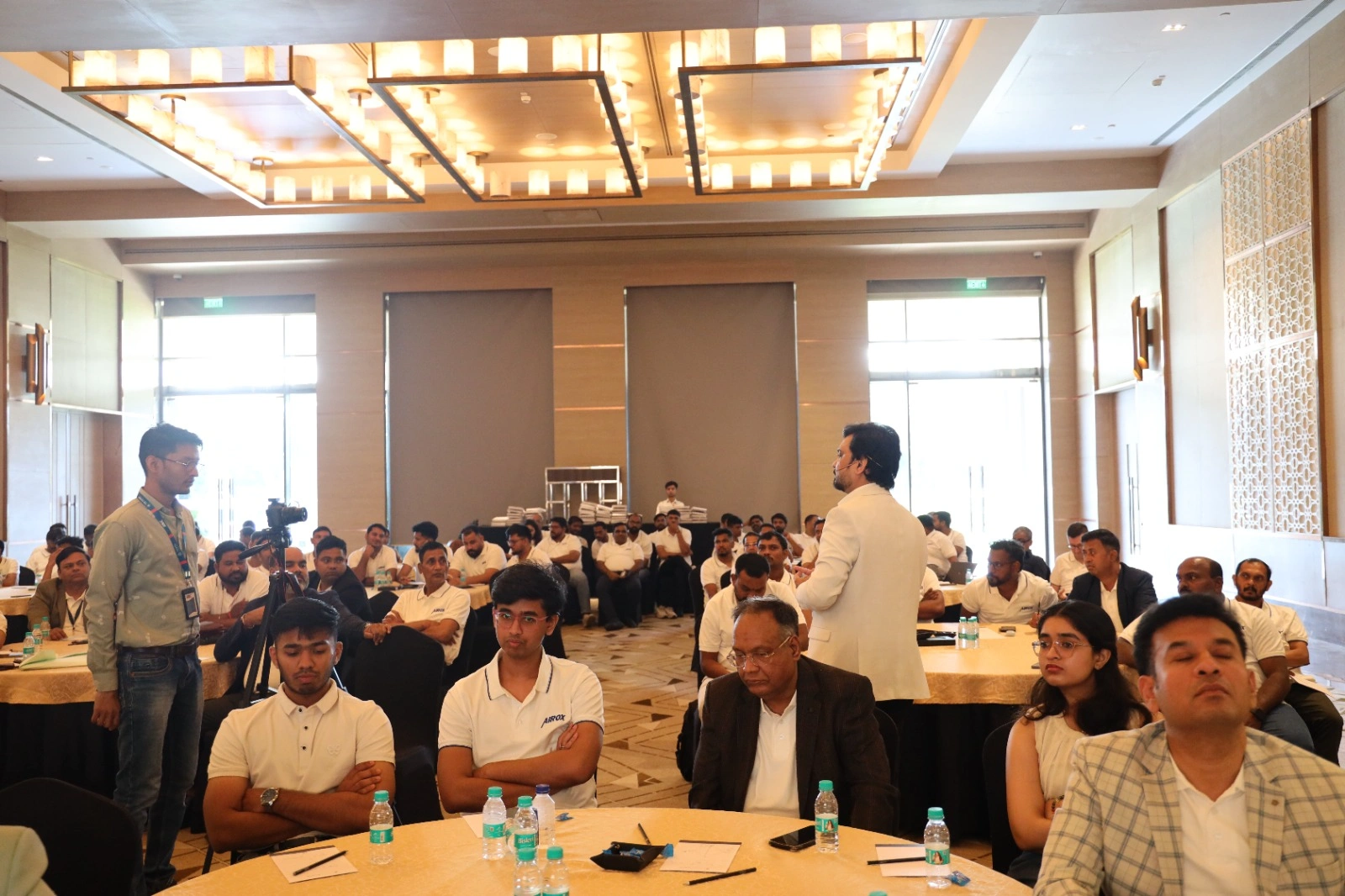
Here's the thing about team building — most activities reveal exactly nothing about how a team actually functions. But when you put two teams of 10 head-to-head in a Tennis Ball Relay where every member must hold each ball with both hands and only one ball can be in any person's hands at a time, something fascinating happens. LinkedIn India's 2026 research confirms leadership skills are India's #1 professional need, and team coordination is the bedrock of leadership — this game surfaces the gaps in real time.
TL;DR- The Tennis Ball Relay Challenge pits two teams of 10 against each other, each passing relay balls with both hands holding each ball, one ball per person at a time — fastest team wins
- The game builds real coordination, communication, and competitive team spirit in ways classroom exercises cannot
- Under time pressure, teams naturally develop strategies, vocal leaders emerge, and coordination failures become visible
- The debrief after the activity is as valuable as the activity itself — the lessons about communication, coordination, and leadership transfer directly to workplace behavior
- This game works for any corporate team, any industry, and any Indian city — no special equipment, no large space required
The Tennis Ball Relay Challenge: How the Game Works
The setup is simple. Two teams, each with 10 members. A set of tennis balls — typically 10-15 balls per round. Each team member must pass the balls down the line in relay fashion. The rules: only one ball can be in any single person's hands at a time, and both hands must be touching the ball while you hold it. The objective: get all balls from one end of the team line to the other as fast as possible. The team that completes the relay in the shortest time wins. Simple rules. Enormous complexity in execution. Every team I've run this with at companies like Infosys, Mahindra, and Tata Tech is surprised by how hard it is to do well — and how much it reveals.
Why This Simple Game Reveals So Much About Your Team
The reason this game works so powerfully as a diagnostic tool is that it removes the social filters that operate in every professional conversation. In a meeting, people manage impressions. They speak when it's "their turn." They default to the most senior person's view. They hesitate to be direct. Put the same people under physical time pressure with a competitive element and a visible score, and all of those filters drop. What you see is how the team actually communicates — not how they think they communicate. In my 11 years of team building facilitation across companies from the Indian Army to JSW Steel to Ferrero, I've seen this game consistently surface the three or four most important team dynamics in under 10 minutes.
| Observation Point | What the Game Reveals | Corporate Parallel |
|---|---|---|
| Communication at handoffs | Who announces readiness vs. who assumes | Project handoff between teams or departments |
| Leadership emergence | Who takes coordination role without being asked | Informal leaders in your actual team |
| Response to weakest member | Support vs. pressure vs. ignore | How team handles low performers under deadline |
| Strategy development | Whether team talks between rounds | Post-mortem and continuous improvement culture |
| Competitive pressure response | Focus vs. panic vs. blame | Team behavior under deadline or crisis |
What Coordination Under Pressure Looks Like in Real Time
The "one ball per person, both hands" rule creates a beautiful constraint: you can't rush. Every member must complete their holding before the next ball moves to them. This means the team's speed is limited by its slowest, most hesitant, or most uncoordinated member — not by its fastest. The game therefore requires every team member to be genuinely supported and encouraged, not just the strong performers. Teams that immediately start vocal, positive encouragement of every member — especially the ones who fumble — move dramatically faster than teams where the pressure falls silently on the weakest link. This is the team coordination lesson: inclusion and encouragement aren't just nice values, they're a performance strategy.
Leadership Emergence: How the Relay Surfaces Your Team's Natural Leaders
In almost every team I've run this activity with, a leader emerges within the first 30 seconds who was not the designated team leader before the game started. They start calling timing ("ready, go, pass, go"), they visually track where each ball is in the relay, they adjust their own speed to compensate for the team's flow. These emergent leaders are often not the most senior people in the room. They're the most naturally coordination-oriented. This moment — watching a junior person take charge because the situation demands it — is one of the most valuable observations a facilitator or manager can make about their team's real leadership landscape. Who steps up when it counts?
Communication Failures: What the Game Exposes That Meetings Never Would
Here's what consistently surprises teams doing this activity for the first time: they discover how much they assumed communication would happen automatically. In the relay, the crucial information is: "Is the person before me ready to pass?" and "Is the person after me ready to receive?" This seems simple. But under competitive time pressure, people start throwing balls before the next person is ready, they stop announcing when they're ready to receive, they focus so hard on their own role that they lose track of the team rhythm. The result is fumbles, dropped balls, and wasted seconds. In the debrief, teams universally identify this as the exact same communication failure that happens in their actual projects: everyone works hard individually but doesn't maintain sufficient coordination at the handoff points.
Strategy Development Under Competitive Pressure: The Team Building Insight
What's fascinating to observe is how rapidly teams improve from the first round to the second. After the first attempt, teams spontaneously develop strategies: they space themselves out differently, establish verbal signals, designate someone to watch the whole relay rather than just their own position. They move from individual competency to genuine team strategy in the space of a 5-minute break. This rapid improvement is itself a powerful lesson: the gap between a team's first performance and their optimized performance is usually not a capability gap — it's a coordination and communication gap. The same team, with the same people, achieves dramatically different results when they've invested even briefly in developing a shared strategy.
How to Run the Tennis Ball Relay at Your Next Corporate Event
To run this activity at your next corporate event or team building session, you need: 10-15 tennis balls per team, space for each team to stand in a line with about 1 metre between members, a stopwatch or timing app, and a facilitator (or any senior person) to observe and brief. The activity works with 2-6 teams simultaneously and is most powerful when teams can see each other competing. Run at least 3 rounds to allow improvement. Brief the rules clearly before starting, emphasize that both hands must touch the ball and only one ball per person at any time, and keep the energy high. I run this activity with 20-200 person groups and it consistently delivers the same quality of team insight regardless of group size.
The Debrief: Converting a Fun Activity into Lasting Team Behavior Change
The debrief is where the real value is created. After the final round, bring the teams together and ask four questions. First: "What did you observe about how your team communicated — specifically at the handoff moments?" Second: "What strategy changes made the biggest difference between round 1 and round 3?" Third: "Did anyone step into a leadership role that surprised you? Why do you think that happened?" Fourth: "Where in your actual work does the same coordination-at-handoffs challenge show up?" This fourth question is the bridge. When a team member says "This is exactly what happens when we hand off between development and testing" or "This is our client onboarding process," you've created a concrete, memorable metaphor for the coordination improvement needed in their real work. That metaphor sticks in a way that any slide deck or lecture never could.
Book Avinash Chate for Your Next Event
TEDx speaker. 11+ yrs training Army, BRO, RBI, BARC, JSW. Available for keynotes, leadership training, team building & manager development at your office or event venue.
✅ Thanks! Avinash team will reach out within 24 hours.'}).catch(function(e){f.outerHTML='Something went wrong. WhatsApp +91 8793630001
'});return false;">Select ServiceKeynote / Motivational SpeakingLeadership Development TrainingTeam Building WorkshopManager DevelopmentEmployee TrainingOutbound TrainingBook Avinash Now →Or WhatsApp directly: +91 87936 30001
Related Articles by Avinash Chate
- Why Manufacturing Industry is Difficult to Start in India: 5 Key Challenges
- Ajit Agarkar's 21-Ball ODI Fifty Against Zimbabwe: The Silent Performer's Career Blueprint
- Clive Lloyd's 1975 World Cup Final Leadership: How Bold Captaincy Wins Under Pressure
Avinash Chate TEDx Speaker · Founder, The Future Corporate · 11+ yrs experience Avinash has trained Indian Army, BRO, RBI, BARC, JSW Steel and 1000+ corporate leaders across India. His work focuses on leadership development, communication skills, and behavioural training rooted in Indian values and modern business needs. |
Frequently Asked Questions
How do you run the Tennis Ball Relay team building activity?
Divide participants into teams of 10. Give each team a set of 10-15 tennis balls. The rules: participants stand in a line, each ball must be held with both hands simultaneously, only one ball can be in any one person's hands at a time, and balls are passed relay-style from one end of the line to the other. The team that passes all balls from one end to the other in the least time wins. Run at least 3 rounds to allow teams to improve their strategy. A facilitator times each round, tracks dropped balls (which can count as penalties), and observes team dynamics throughout. Debrief after the final round with structured questions about what was observed and how it connects to actual workplace behavior.
What leadership lessons does the Tennis Ball Relay reveal about your team?
The game reveals five key things about your team. First, how they communicate at handoffs — do they announce readiness or assume it? This maps directly to project handoff quality. Second, who steps into the coordination role without being asked — the emergent leaders who often aren't the most senior. Third, how they respond to the weakest link under pressure — do they support and encourage, or pressure and ignore? Fourth, whether they invest in strategy development between rounds — a proxy for their continuous improvement culture. Fifth, how they respond to competitive pressure — focus vs. panic vs. blame. Each of these observations gives a manager or facilitator high-quality diagnostic data about real team dynamics.
Why is the Tennis Ball Relay more effective than traditional team building exercises?
Traditional team building exercises often feel staged and disconnected from real work — participants know they're doing a "team building thing" and perform accordingly. The Tennis Ball Relay is physically engaging, competitive, and produces immediate, visible results (the time) that everyone cares about. The constraints are simple enough that anyone can participate regardless of seniority, background, or physical ability. Most importantly, the activity creates genuinely unpredictable situations — fumbles, coordination failures, strategy choices — that reveal real team dynamics rather than practiced responses. The competitive element and time pressure strip away the social management that happens in meetings and workshops.
How do you debrief the Tennis Ball Relay to create lasting behavior change?
The most effective debrief follows four questions. First: "What happened at the handoff moments — did you announce readiness or assume it?" This surfaces the specific communication behavior and connects it to a workplace analogy. Second: "How did your strategy change from round 1 to round 3, and what made the difference?" This builds the continuous improvement habit. Third: "Who took a leadership role that surprised you? What enabled that?" This opens a conversation about informal leadership and psychological safety. Fourth: "Where in your actual work does the same coordination-at-handoffs challenge appear?" This is the bridge to workplace application. The debrief should take at least as long as the activity itself — 15-20 minutes minimum — and should end with each participant identifying one specific behavior they'll change in their actual work.
Avinash Chate services
Corporate Trainer in Maharashtra · Top Corporate Trainers in Maharashtra · Leadership Trainer in Maharashtra · Top Leadership Trainers in Maharashtra · Team Building Trainer in Maharashtra · Top Team Building Trainers in Maharashtra · Motivational Speaker in Maharashtra · Top Motivational Speakers in Maharashtra · All service locations
← Back to all articles · Book Avinash Chate
By Avinash Chate — Maharashtra’s #1 Corporate Trainer & Motivational Speaker. .