Tetra Pak Story That Will Change How You Solve Problems Forever
Many professionals and business owners spend years trying to fix problems without realizing they are solving the wrong thing. In organizations, we often see tea...
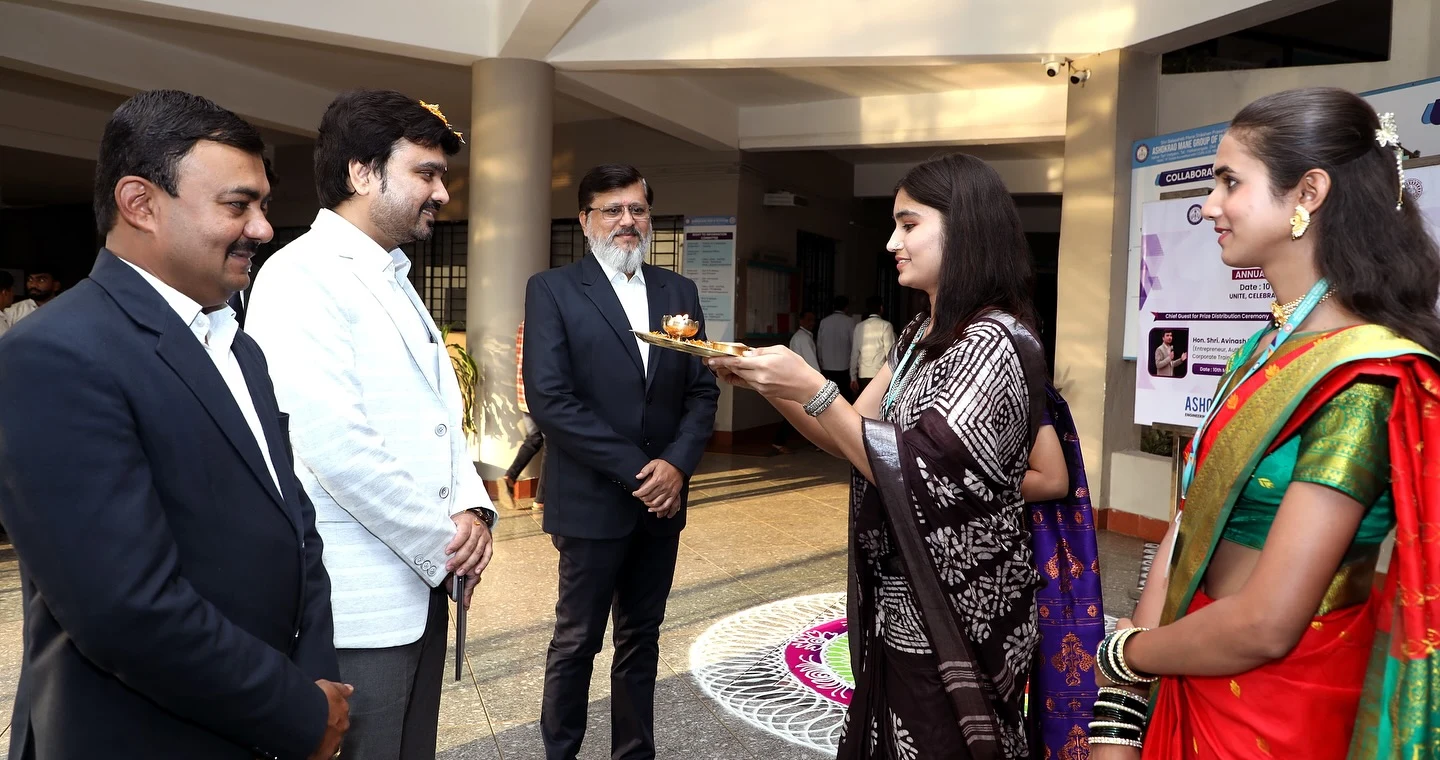
Avinash Chate - Best Corporate Trainer conducting leadership session
The Tetra Pak Lesson: Solve the Real Problem, Not the Visible OneOne of the biggest mistakes I see in workplaces is this: intelligent, hardworking people spend months solving the wrong problem. They put in effort, hold discussions, increase pressure, and even invest in training, yet the results remain disappointing because the root issue was never identified correctly.
Key takeaway: Great problem-solving begins when we stop reacting to symptoms and start questioning assumptions.
This is exactly why the story behind Tetra Pak is so powerful. It is not just a business story. It is a lesson in mindset, leadership, and clarity. As Avinash Chate, I often tell leaders and teams that breakthrough results do not always come from working harder. They often come from seeing the problem differently.
The Story That Changed My Perspective on Problem-Solving
Ruben Rausing, the Swedish entrepreneur behind Tetra Pak, looked at a challenge that many people accepted as normal: milk needed refrigeration and careful distribution, which made access difficult and expensive in many places. Most people would have tried to improve cooling systems or transportation methods. He asked a better question.
Instead of asking, “How do we preserve milk better in the existing system?” the more transformative question became, “How do we package milk in a way that reduces dependence on the problem itself?” That shift in thinking changed an industry.
This is the kind of thinking I encourage in corporate training sessions across India. Whether I am speaking as a TEDx speaker, conducting a leadership intervention, or sharing insights as the author of The Winning Edge, I have seen one truth repeatedly: the quality of our questions determines the quality of our solutions.
Too often, organizations attack what is visible. Low morale? Conduct another review meeting. Poor sales conversion? Push the team harder. Misalignment? Add more reporting. These actions are not always wrong, but they often address the surface, not the source.
Why Most Teams Solve Symptoms Instead of Root Causes
There is a reason this happens so frequently. Symptoms are emotional, visible, and urgent. Root causes are quieter. They require reflection, honesty, and sometimes the courage to admit that our current approach is flawed.
For example, if a team is missing targets, the visible symptom is poor performance. But the real issue may be unclear expectations, weak ownership, low confidence, fear of communication, or a leader who is unintentionally creating hesitation.
In my experience, many professionals are rewarded for fast action, not deep diagnosis. That is why people jump to solutions before they fully understand the challenge. It feels productive, but it is often expensive.
Avinash Chate has worked with 80+ organizations, and one pattern stands out clearly: sustainable improvement happens when people learn to pause, think, and define the real problem with precision. This applies to leadership, team building, communication, and sales excellence.
Even in high-performing organizations such as Sports Authority of India, the difference between average and exceptional execution often comes down to clarity. When people understand the true challenge, their energy becomes focused. When they do not, effort gets scattered.
How I Apply This Lesson in Leadership and Workplace Growth
I believe every leader should build the habit of problem reframing. Before asking for solutions, ask better diagnostic questions.
What exactly is happening?
What are we assuming without testing?
Is this the real problem or just the visible effect?
Who is closest to the issue, and what do they see that leadership may be missing?
If we solved this completely, what would actually change?
This approach aligns strongly with the KITE Leadership Framework, which emphasizes awareness, intentional action, and effectiveness in people leadership. Strong leaders do not only solve fast. They solve right.
When I conduct workshops, I often ask participants to separate symptoms from sources. Communication gaps, for instance, are rarely just about words. They may come from low trust, unclear roles, fear of judgment, or lack of listening. Motivation issues may not come from laziness. They may come from absence of meaning, lack of recognition, or poor team culture.
That is why problem-solving is not only a business skill. It is a human skill.
The Workplace Cost of Solving the Wrong Problem
When organizations focus on the wrong issue, the cost is much bigger than lost time. People become frustrated. Leaders become reactive. Teams lose confidence. The same problem keeps returning in different forms, and everyone starts believing the challenge is permanent.
I have seen this happen in sales teams where managers assume the issue is lack of aggression, when the actual issue is poor listening and weak customer understanding. I have seen it in leadership teams where they think the problem is resistance to change, when the real issue is that people were never emotionally aligned with the purpose behind the change.
As Avinash Chate, I strongly believe that mature organizations do not just ask, “What is going wrong?” They ask, “What are we failing to see?” That one question can unlock a completely different path.
If you are serious about improving learning outcomes, I also recommend reading How to Measure the ROI of Your Corporate Training Programs Without Guesswork. It helps leaders think beyond activity and focus on actual impact.
A Simple Practical Method to Find the Real Problem
Let me share a simple approach I use with professionals and managers.
1. Describe the problem without blame
Use facts, not frustration. Say what is happening, not who is at fault.
2. Ask what is causing it
Do not stop at the first answer. Keep digging until you move beyond the obvious.
3. Test your assumptions
Many teams suffer because they act on beliefs, not evidence. Verify what people actually need, feel, and understand.
4. Involve the right people
The best insights often come from those living the challenge daily, not just those reviewing it from a distance.
5. Solve for long-term change
A quick fix may reduce pressure today, but a root-cause solution creates lasting progress.
This method is especially useful when leading younger teams, cross-functional groups, or fast-growing organizations. If that is relevant to you, I suggest exploring Why Gen Z Employees Need Different Leadership Training in Mumbai and How to Motivate Millennial and Gen Z Employees in Indian Companies in Pune. Both pieces highlight why leadership today must go deeper than instruction and control.
The Real Shift: From Reaction to Reflection
The Tetra Pak story reminds us that innovation is not always about adding more. Sometimes it is about seeing differently. In personal growth and professional life, this is a transformational lesson.
If your team is struggling, do not immediately assume they need more pressure. If communication is weak, do not assume people do not care. If performance is falling, do not assume capability is missing. Pause. Reflect. Reframe.
That is where breakthrough begins.
As a TEDx speaker and the author of The Winning Edge, I have learned that real growth happens when we challenge the frame through which we see the problem. Avinash Chate believes that leaders who master this skill create stronger teams, healthier cultures, and better results.
If this message resonates with you, I invite you to book a corporate training session. Let us help your team build the mindset, communication, and leadership skills required to solve the right problems and achieve meaningful results.
Frequently Asked Questions
Why do teams often solve the wrong problem?
Teams often react to visible symptoms because they appear urgent. Without deeper diagnosis, they may miss the root cause and keep repeating ineffective solutions.
What is the main leadership lesson from the Tetra Pak story?
The main lesson is that leaders must question assumptions and redefine problems clearly before acting. Better framing leads to better solutions.
How can managers identify the root cause of workplace issues?
Managers can identify root causes by asking diagnostic questions, involving the right people, testing assumptions, and distinguishing symptoms from underlying issues.
How does problem reframing improve team performance?
Problem reframing helps teams focus their energy on what truly matters. This reduces wasted effort, improves clarity, and leads to more sustainable performance improvement.
Can this mindset be developed through corporate training?
Yes. With the right corporate training, professionals can strengthen critical thinking, communication, leadership judgment, and collaborative problem-solving skills.
Related Articles by Avinash Chate
- The Power of Emotional Intelligence at Workplace in Mumbai
- Corporate Training in Nashik for Sinnar MIDC and Emerging Industrial Corridors
- The Invisible Product Mindset That Changes How Professionals Create Value
About the Author
Avinash Chate is a TEDx speaker, published author of The Winning Edge and The Unanswered, and founder of The Future Corporate & Business Coaching. With over 15 years of experience training 80+ organizations including Gadharva Finchart Enterprises LLP, USK agro science, Sakla Group, Global-Tech India Pvt Ltd, Avinash is recognized as Maharashtra's leading corporate trainer. He created the KITE Leadership Framework and the 25-Star Competency Framework™, delivering high-impact programs across leadership, team building, sales transformation, and emotional intelligence.
📞 +91 8793630001 | ✉️ connect@avinashchate.com | 🌐 avinashchate.com
Book Avinash Chate for Your Next Event
Maharashtra's #1 Corporate Trainer · India's leading Motivational Speaker & Team Building Expert · 2x TEDx · Available across India in English, Hindi & Marathi.
✅ Thanks! Avinash team will reach out within 24 hours.'}).catch(function(e){f.outerHTML='Something went wrong. WhatsApp +91 8793630001
'});return false;"> Select Service Motivational Speaking / Keynote Team Building Workshop Corporate Training / Leadership Development Manager Development Employee Training Outbound Training Book Avinash Now →Or WhatsApp directly: +91 87936 30001
Avinash Chate services
Corporate Trainer in Maharashtra · Top Corporate Trainers in Maharashtra · Leadership Trainer in Maharashtra · Top Leadership Trainers in Maharashtra · Team Building Trainer in Maharashtra · Top Team Building Trainers in Maharashtra · Motivational Speaker in Maharashtra · Top Motivational Speakers in Maharashtra · All service locations
← Back to all articles · Book Avinash Chate
By Avinash Chate — Maharashtra’s #1 Corporate Trainer & Motivational Speaker. .