Textile Pollution Truth: Vinayak Satpute of Switch Climate Tech India
Switch Climate Tech's Vinayak Satpute reveals how synthetic fabrics and chemical dyes are quietly destroying Indian waterways. Here's why your wardrobe choices carry a hidden environmental cost.
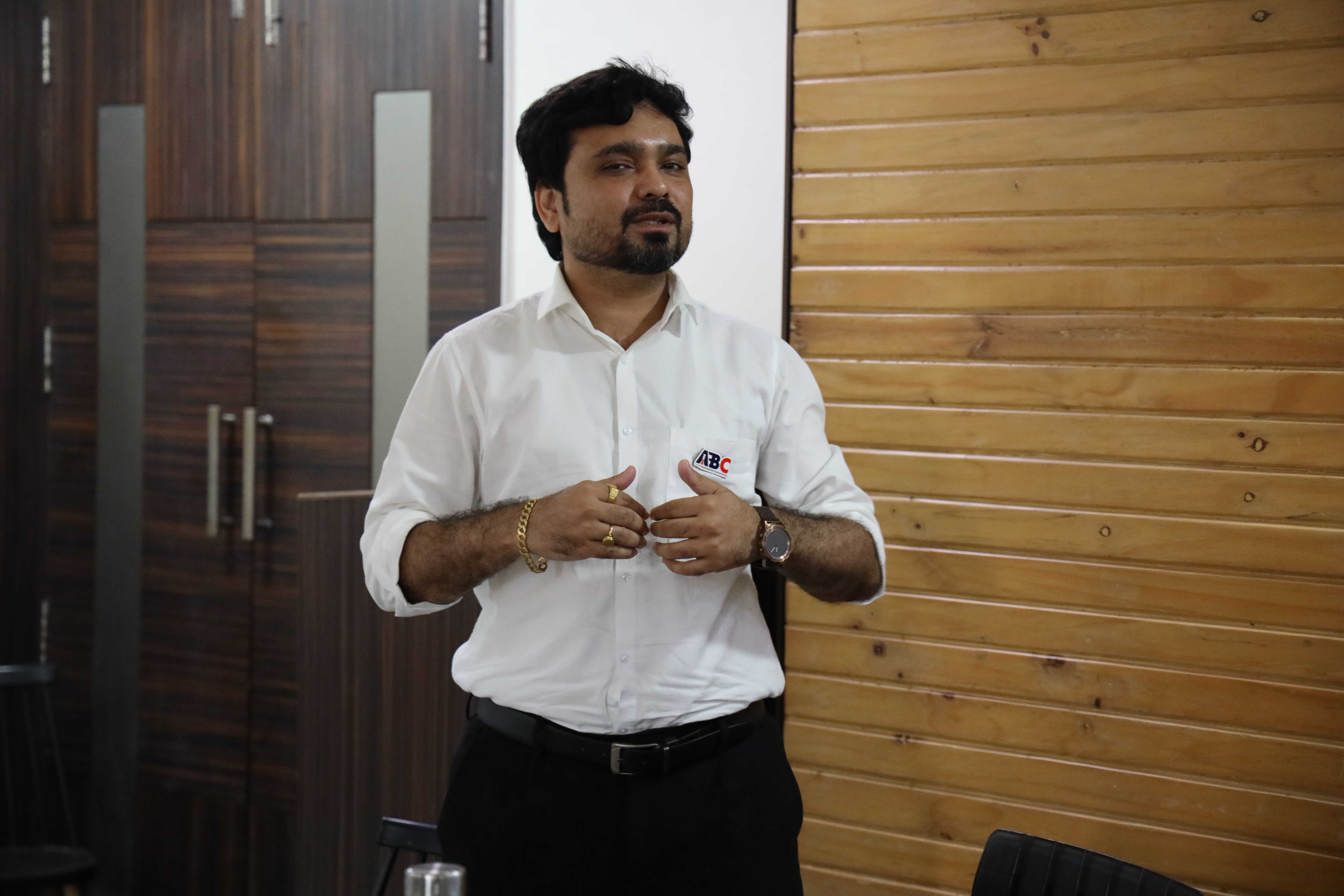
Here's the thing — before that kurta reaches your wardrobe, it's already harmed a river. When I spoke with Vinayak Satpute, Founder and CEO of Switch Climate Tech, he revealed how India's textile industry dumps toxic chemical dyes into waterways while synthetic fabrics sit in landfills for decades. With 65% of Indian firms now investing in sustainability awareness, your wardrobe choices matter more than ever.
TL;DR- Fast fashion's synthetic fabrics take decades to decompose — they choke India's landfills and rivers alike
- Chemical dyes from textile factories pollute groundwater, harming communities near India's textile manufacturing hubs
- Vinayak Satpute of Switch Climate Tech explains how individual consumer habits are the fastest lever for environmental change
- Impulsive buying driven by social media trends and flash sales accelerates India's textile waste crisis
- Choosing natural fibres, buying less, and donating old clothes can meaningfully reduce your textile environmental footprint
Why Fast Fashion's True Cost Never Appears on the Price Tag
Trust me, I used to walk past fashion stores thinking 'trendy, affordable, what's not to love?' Then I sat down with Vinayak Satpute of Switch Climate Tech for a podcast conversation that changed how I see every purchase I make. The real cost of fast fashion isn't reflected in that ₹499 price tag. It's hidden in poisoned rivers, mountains of textile waste, and synthetic fibres that will outlast our grandchildren. India, with its massive textile sector, feels this environmental burden more than most countries.
How Synthetic Fabrics Are Silently Choking India's Rivers and Landfills
Here's the thing — polyester, nylon, and acrylic feel comfortable to wear, but they're environmental disasters once discarded. When synthetic fabrics are washed, they shed microscopic plastic fibres that pass straight through water treatment systems and flow directly into Indian rivers. Vinayak explained during our podcast that these fibres take anywhere from 20 to 200 years to break down in landfills. Meanwhile, India generates massive volumes of textile waste annually, most of which sits in landfills leaching chemicals into the surrounding soil and groundwater used by millions.
The Chemical Dye Problem: What Textile Factories Don't Tell Indian Consumers
What most people don't realize is that the vibrant colour of your clothes comes at a serious environmental price. Chemical dyes used in textile manufacturing contain heavy metals and toxic compounds. In many Indian factories, wastewater from the dyeing process is discharged — sometimes untreated — directly into rivers and groundwater systems. This isn't just an environmental problem; it's a public health crisis affecting communities near textile hubs across Maharashtra, Gujarat, and Tamil Nadu. Vinayak calls this 'invisible pollution' — you don't see it in the showroom, but communities feel it downstream every single day.
| Factor | Fast Fashion | Sustainable Fashion |
|---|---|---|
| Fabric Type | Synthetic (polyester, nylon, acrylic) | Natural (cotton, linen, jute, wool) |
| Decomposition Time in Landfill | 20–200 years | 1–5 years |
| Chemical Use in Production | High — toxic dyes, bleaches, finishing agents | Low — natural dyes, fewer chemical processes |
| Water Pollution Risk | High — dye wastewater often discharged into rivers | Low to moderate |
| Average Wears Before Discard | 7–10 times | 100+ times |
| Real Cost Per Wear | High — requires frequent replacement purchases | Low — durable and long-lasting investment |
| Environmental Risk | Severe — water pollution, soil contamination, air emissions | Minimal when produced responsibly |
Vinayak Satpute and Switch Climate Tech: India's Sustainability Wake-Up Call
Switch Climate Tech, founded by Vinayak Satpute, is working to change how India thinks about sustainability in practical, business-friendly ways. What struck me most in our conversation is how pragmatic Vinayak is — he's not asking you to stop buying clothes entirely. He's asking you to buy fewer, better, longer-lasting ones. Switch Climate Tech helps businesses and consumers make climate-conscious choices without sacrificing quality of life. That kind of realistic sustainability thinking is exactly what India needs as its economy continues to scale powerfully through 2026 and beyond.
What Happens to Your Clothes After You Throw Them Away in India
Most people, when they throw out old clothes, assume someone else will handle it — donation boxes, the kabadiwala, or simply 'it'll go somewhere useful.' The reality is far less reassuring. A large majority of discarded Indian textiles end up in landfills or are incinerated, releasing carbon dioxide and other harmful gases into the atmosphere. India's growing middle class and rising disposable incomes mean clothing purchase rates are climbing steadily. Without an equally fast rise in responsible disposal habits, India's textile waste will overwhelm its waste management infrastructure within a generation.
How Impulsive Buying Habits Are Fueling India's Textile Waste Emergency
I've trained thousands of corporate professionals at Bajaj Auto, Tata Tech, and Infosys — and one pattern I consistently see is that the same impulsiveness that drives poor decisions at work shows up in personal shopping too. Social media, influencer culture, and flash sales create artificial urgency that bypasses rational thinking entirely. You buy because of FOMO, not because you genuinely need something new. Vinayak pointed out that changing fashion trends have dramatically accelerated textile waste in India over the past decade — and conscious consumerism is the most direct counter to this growing cycle.
How Indian Consumers Can Choose Sustainability Over Convenience Today
Here's what Vinayak Satpute and I both agree on: sustainable change starts with awareness and then moves deliberately into action. Ask where your clothing was actually made. Choose natural fibres — cotton, linen, jute — over synthetic ones wherever possible. Buy quality pieces you'll wear for years rather than trend-driven items you'll discard in a season. Support Indian brands that are transparent about their supply chain and production processes. And when clothes wear out, explore repair, resale, or responsible textile recycling rather than defaulting to landfill.
Avinash Chate's Takeaways: Small Wardrobe Choices, Massive Environmental Impact
Here's my personal commitment after this conversation with Vinayak Satpute: I'm buying fewer clothes and choosing more deliberately. As someone who travels constantly for corporate training programs — L&T, JSW, RBI, Indian Army — I used to default to convenience every time. No more. The good news is that making sustainable choices doesn't require a complete lifestyle overhaul. Three shifts will take you far: think before you buy, choose natural fibres over synthetic, and give old clothes a meaningful second life. India's rivers and future generations will genuinely thank you for it.
Book Avinash Chate for Your Next Event
TEDx speaker. 11+ yrs training Army, BRO, RBI, BARC, JSW. Available for keynotes, leadership training, team building & manager development at your office or event venue.
✅ Thanks! Avinash team will reach out within 24 hours.'}).catch(function(e){f.outerHTML='Something went wrong. WhatsApp +91 8793630001
'});return false;">Select ServiceKeynote / Motivational SpeakingLeadership Development TrainingTeam Building WorkshopManager DevelopmentEmployee TrainingOutbound TrainingBook Avinash Now →Or WhatsApp directly: +91 87936 30001
Related Articles by Avinash Chate
- Recession मध्ये Hyundai ने cars परत घेऊनही फायदा कसा कमावला
- Virender Sehwag Mindset That Most Corporate Professionals Fear
- Ajit Agarkar's 21-Ball ODI Fifty Against Zimbabwe: The Silent Performer's Career Blueprint
Avinash Chate TEDx Speaker · Founder, The Future Corporate · 11+ yrs experience Avinash has trained Indian Army, BRO, RBI, BARC, JSW Steel and 1000+ corporate leaders across India. His work focuses on leadership development, communication skills, and behavioural training rooted in Indian values and modern business needs. |
Frequently Asked Questions
What is fast fashion and why is it harmful to the environment?
Fast fashion refers to cheaply produced, trend-driven clothing manufactured rapidly in large volumes to keep pace with constantly shifting fashion cycles. It is harmful because it relies heavily on synthetic fabrics like polyester and nylon that take decades to decompose in landfills, and on chemical dyes that contaminate water sources near textile manufacturing facilities. The textile industry is among the world's most polluting industries, contributing significantly to water pollution, landfill overflow, carbon emissions, and soil contamination. In India, where textile manufacturing is a major economic sector, this impact is especially severe — river systems across Maharashtra, Gujarat, and Tamil Nadu face serious pollution from textile factory effluents.
How do synthetic fabrics and chemical dyes pollute Indian rivers and waterways?
When synthetic fabrics are washed, they shed microscopic plastic fibres — known as microfibres — that are too small to be filtered by standard water treatment systems. These microfibres flow directly into rivers and lakes, harming aquatic life and eventually entering the human food chain. Chemical dyes used in textile manufacturing contain heavy metals and toxic compounds that, when discharged as industrial wastewater, contaminate groundwater and river systems across India. Communities living near textile manufacturing hubs in Maharashtra and Gujarat are disproportionately affected, facing serious health risks from polluted drinking water sources and contaminated agricultural soil.
Who is Vinayak Satpute and what does Switch Climate Tech do for India's sustainability?
Vinayak Satpute is the Founder and CEO of Switch Climate Tech, a sustainability-focused company working on practical climate-conscious solutions for businesses and individual consumers across India. In his podcast conversation with Avinash Chate, Vinayak explained that Switch Climate Tech focuses on making sustainable choices accessible and practical rather than purely aspirational or expensive. The company helps Indian businesses understand and reduce their environmental footprint while implementing meaningful, scalable changes. Switch Climate Tech represents a new generation of Indian entrepreneurs who believe strongly that economic growth and genuine environmental responsibility can and must go together.
What practical steps can Indian consumers take to reduce their fast fashion environmental impact?
Several practical steps can create meaningful positive change for Indian consumers. First, buy less deliberately — choose quality pieces you will wear for years rather than trend-driven items you will discard after a season. Second, choose natural fabrics like cotton, linen, or jute over synthetic materials wherever possible in your purchasing decisions. Third, explore second-hand, thrifted, or upcycled clothing options, which are increasingly available through Indian online platforms. Fourth, when donating or discarding old clothing, use organised textile recycling services rather than sending items to landfill. Finally, research the brands you buy from — many Indian and global brands now publish supply chain transparency reports, making truly informed choices more accessible than ever before.
Avinash Chate services
Corporate Trainer in Maharashtra · Top Corporate Trainers in Maharashtra · Leadership Trainer in Maharashtra · Top Leadership Trainers in Maharashtra · Team Building Trainer in Maharashtra · Top Team Building Trainers in Maharashtra · Motivational Speaker in Maharashtra · Top Motivational Speakers in Maharashtra · All service locations
← Back to all articles · Book Avinash Chate
By Avinash Chate — Maharashtra’s #1 Corporate Trainer & Motivational Speaker. .