Shami Says ‘No One Asked Me’ – The Truth About Missed Opportunities
Mohammad Shami said no one contacted him for England tour but selectors had messaged and offered him matches. He refused saying he was not ready. Same thing hap...
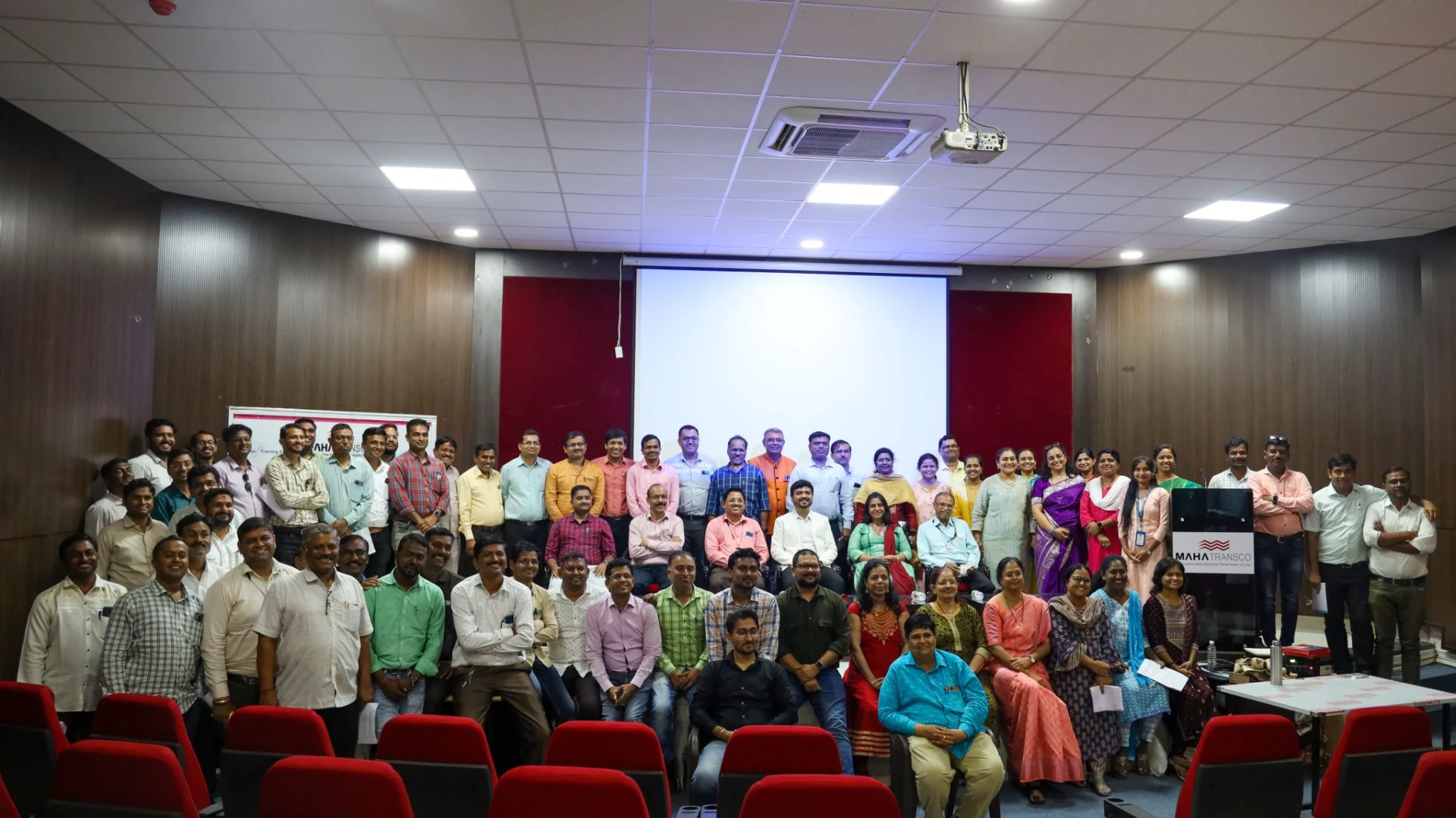
Avinash Chate - Corporate Training Expert at team building workshop
The Career Cost of Saying ‘I’m Not Ready’I recently reflected on a powerful lesson from a public moment involving Mohammad Shami. The conversation was simple, but the truth behind it is something I have seen repeatedly in organizations across industries. An opportunity is offered. A person says, “I am not ready.” Time passes. Someone else steps forward, performs, grows, and gets recognized. Then the first person feels ignored, sidelined, or unlucky.
Key takeaway: In the workplace, many opportunities are not lost because they were denied to us. They are lost because we declined them before we had the courage to grow into them.
This pattern is more common than most professionals admit. A manager asks you to present. You hesitate. A leader asks you to handle a client conversation. You step back. A senior offers you a cross-functional assignment. You say it is outside your role. Six months later, someone else is seen as more capable, more visible, and more promotable.
As Avinash Chate, I have seen this happen in training rooms, leadership workshops, sales programs, and coaching conversations across 80+ organizations. The people who move ahead are not always the most polished on day one. They are often the ones who say yes before they feel fully ready.
Why We Say No to Opportunities
Let us be honest. Most people do not reject opportunities because they are lazy. They reject them because they are afraid. Fear often disguises itself as logic.
We say, “I need more experience.” We say, “Let someone more senior do it.” We say, “I do not want to fail publicly.” We say, “This is not in my job description.” These statements sound practical, but very often they are emotional shields.
The real issue is not capability. The real issue is discomfort.
Growth almost always arrives wearing the clothes of inconvenience. It comes as extra responsibility, uncertain expectations, public visibility, and the possibility of mistakes. That is why so many people avoid it. They do not realize that leadership potential is rarely discovered in comfort zones.
In my sessions as Avinash Chate, a TEDx speaker and author of The Winning Edge, I remind professionals that readiness is not a precondition for growth. Readiness is often the result of growth. You become ready by stepping in, not by standing back.
Missed Opportunities Rarely Announce Themselves
One of the biggest career myths is that life-changing opportunities arrive with perfect clarity. They do not. They usually look small, inconvenient, and optional.
A chance to anchor a team meeting may not look like a leadership opportunity. A request to support a difficult client may not look like a trust signal. A stretch assignment may feel like extra work rather than career acceleration. But these moments matter.
Organizations observe more than outcomes. They observe attitude. They notice who volunteers, who resists, who takes ownership, and who avoids pressure. When senior leaders evaluate future roles, they do not only ask, “Who is technically strong?” They also ask, “Who can be trusted with responsibility?”
If you repeatedly say no, people stop offering. Not because they dislike you, but because they learn your pattern.
This is where many professionals get trapped. They think opportunity will come back in a bigger, clearer, more comfortable form. Usually, it does not. It goes to the person who was willing.
I have seen this lesson play out in organizations like Bajaj hospital, where people-facing roles demand maturity, initiative, empathy, and communication under pressure. In such environments, the person who steps up earns not just visibility, but credibility.
The Hidden Damage of Saying No Too Often
When you say no once for a genuine reason, it may not matter. But when saying no becomes a habit, it creates silent damage.
First, it weakens your professional image. Colleagues begin to see you as hesitant. Managers may view you as dependable for routine work but not for bigger responsibilities.
Second, it reduces your visibility. Careers do not grow only through hard work in the background. They also grow through visible contribution. If you avoid moments where your ability can be seen, your progress slows down.
Third, it limits your confidence. Confidence is not built by waiting. It is built by doing difficult things and surviving them. Every time you avoid a challenge, you reinforce self-doubt. Every time you accept one, you expand your self-belief.
Fourth, it creates resentment. This is the most dangerous part. When others move ahead, you may feel overlooked. But if you examine your own choices honestly, you may realize that the door was opened for you too.
That is why I often tell participants to reflect deeply before blaming favoritism. Bias may exist in some cases, but avoidance exists in many more. Self-awareness is the beginning of career maturity.
For a related reflection on emotional baggage that affects workplace growth, I recommend reading The Hidden Cost of Holding Grudges at Work and How to Let Go.
How to Build the Habit of Saying Yes to Growth
Saying yes does not mean saying yes blindly to everything. It means saying yes more often to the opportunities that stretch your potential.
Here is the mindset I recommend.
1. Separate fear from fact
Ask yourself, “Am I truly unprepared, or am I simply uncomfortable?” This question changes everything. Discomfort is normal. Incompetence is improvable. Avoidance is costly.
2. Accept imperfect beginnings
No one starts as an expert. The first presentation may be shaky. The first leadership assignment may feel overwhelming. The first negotiation may be awkward. That is normal. Excellence is built through repetition, not hesitation.
3. Use the KITE Leadership Framework
One principle I often share through the KITE Leadership Framework is that leadership expands when individuals take initiative before certainty arrives. Initiative is what separates passive employees from future leaders. When you volunteer, prepare, learn, and execute, you send a strong signal that you are ready to grow.
4. Ask for support, not escape
If you feel unprepared, do not reject the opportunity immediately. Instead say, “I am willing to take this up. Can you guide me on what success looks like?” That response shows ownership and humility together.
5. Learn to see hidden value
Many assignments look ordinary on the surface but teach extraordinary lessons underneath. A difficult client teaches patience. A team presentation teaches influence. A conflict situation teaches emotional control. A new responsibility teaches accountability.
This is similar to a principle I discuss in The Tetra Pak Lesson: Solve the Real Problem, Not the Visible One. In careers too, the visible issue is often “I am not ready,” but the real issue is fear, self-doubt, or lack of ownership.
What Leaders and Managers Must Understand
This lesson is not only for employees. Leaders also have a responsibility.
If you are a manager, do not assume that silence means disinterest or that hesitation means incapability. Sometimes people need encouragement, clarity, and a little push. Strong leaders create a culture where stretch opportunities are explained, supported, and followed up.
At the same time, leaders must also remember a hard truth. If one person repeatedly refuses growth opportunities, it is natural to invest in someone else who is willing. Leadership is not only about fairness. It is also about momentum.
In my corporate training work, I encourage managers to say, “This assignment will stretch you, but I believe you can handle it.” Those words can change careers. Yet the employee must still make the final decision to step forward.
If you want to understand how value is often created through conviction rather than noise, read Tesla vs Traditional Marketing: What Corporate Employees Must Learn About Real Value. The same principle applies to careers: real value is built through substance, courage, and contribution.
Your Career Will Not Wait for Perfect Confidence
Let me say this clearly. Your career will not pause until you feel fully confident. The meeting will happen. The project will be assigned. The promotion discussion will move forward. The question is whether your name will be part of that conversation.
I have spent 15+ years helping professionals strengthen communication, leadership presence, team effectiveness, and personal growth. One pattern remains constant. Those who keep waiting to feel ready often remain where they are. Those who act with preparation and courage create momentum.
As Avinash Chate, I believe career growth is not just about talent. It is about response. When life, work, or leadership calls your name, what do you say back?
Do not misunderstand me. There will be moments when saying no is wise. If your values are compromised, if your health is at risk, or if the opportunity is deeply misaligned, say no with clarity. But do not say no merely because you are afraid of being seen while learning.
The workplace does not reward hidden potential for long. It rewards expressed potential, visible ownership, and demonstrated courage.
So the next time a manager asks you to lead, present, represent, solve, or step up, pause before refusing. That small moment may be bigger than it looks.
Avinash Chate has often said in workshops that confidence grows after commitment, not before it. I have seen this truth transform professionals who once believed they were not ready. The moment they said yes, their growth began.
If you are serious about building confident teams, stronger leaders, and a culture where people step up instead of stepping back, book a corporate training session.
Frequently Asked Questions
Why do employees say no to opportunities even when they want growth?
Most employees do not reject growth because they lack ambition. They reject it because they fear failure, judgment, or discomfort. The desire to stay safe often becomes stronger than the desire to grow.
Can saying no once hurt my career?
Not necessarily. One thoughtful no will not damage your career. But repeated refusal of visibility, responsibility, and stretch assignments can create an image that you are not ready for larger roles.
How can I say yes when I do not feel fully prepared?
Start by accepting the opportunity and asking for clarity, guidance, and expectations. Preparation can happen after commitment. Growth often begins when you step in before you feel completely confident.
What should managers do when team members hesitate?
Managers should explain the purpose of the opportunity, express belief in the employee, and offer support. A little encouragement can help people move past self-doubt and take ownership.
What is the biggest lesson from missed opportunities at work?
The biggest lesson is that many careers stall not because opportunity never came, but because fear led people to reject it. Saying yes to the right challenges is one of the fastest ways to build confidence and credibility.
Related Articles by Avinash Chate
- The Mirroring Technique That Helps You Build Trust and Close More Deals
- Motivational Speaker for Pune BPO and KPO Night-Shift Teams — Combating Burnout and Boosting Engagement
- Micro Management vs Ownership: Lessons for Maharashtra's Corporate Leaders
About the Author
Avinash Chate is a TEDx speaker, published author of The Winning Edge and The Unanswered, and founder of The Future Corporate & Business Coaching. With over 15 years of experience training 80+ organizations including Prism Johnson Limited, Deogiri College – Aurangabad, Global-Tech India Pvt Ltd, Ellora Natural Seed Pvt Ltd, Avinash is recognized as Maharashtra's leading corporate trainer. He created the KITE Leadership Framework and the 25-Star Competency Framework™, delivering high-impact programs across leadership, team building, sales transformation, and emotional intelligence.
📞 +91 8793630001 | ✉️ connect@avinashchate.com | 🌐 avinashchate.com
Book Avinash Chate for Your Next Event
Maharashtra's #1 Corporate Trainer · India's leading Motivational Speaker & Team Building Expert · 2x TEDx · Available across India in English, Hindi & Marathi.
✅ Thanks! Avinash team will reach out within 24 hours.'}).catch(function(e){f.outerHTML='Something went wrong. WhatsApp +91 8793630001
'});return false;"> Select Service Motivational Speaking / Keynote Team Building Workshop Corporate Training / Leadership Development Manager Development Employee Training Outbound Training Book Avinash Now →Or WhatsApp directly: +91 87936 30001
Avinash Chate services
Corporate Trainer in Maharashtra · Top Corporate Trainers in Maharashtra · Leadership Trainer in Maharashtra · Top Leadership Trainers in Maharashtra · Team Building Trainer in Maharashtra · Top Team Building Trainers in Maharashtra · Motivational Speaker in Maharashtra · Top Motivational Speakers in Maharashtra · All service locations
← Back to all articles · Book Avinash Chate
By Avinash Chate — Maharashtra’s #1 Corporate Trainer & Motivational Speaker. .