The Domino’s Strategy Every Corporate Leader Should Learn
In many organizations, people try to hide mistakes. Leaders defend weak products, teams avoid accepting responsibility, and companies lose customer trust slowly...
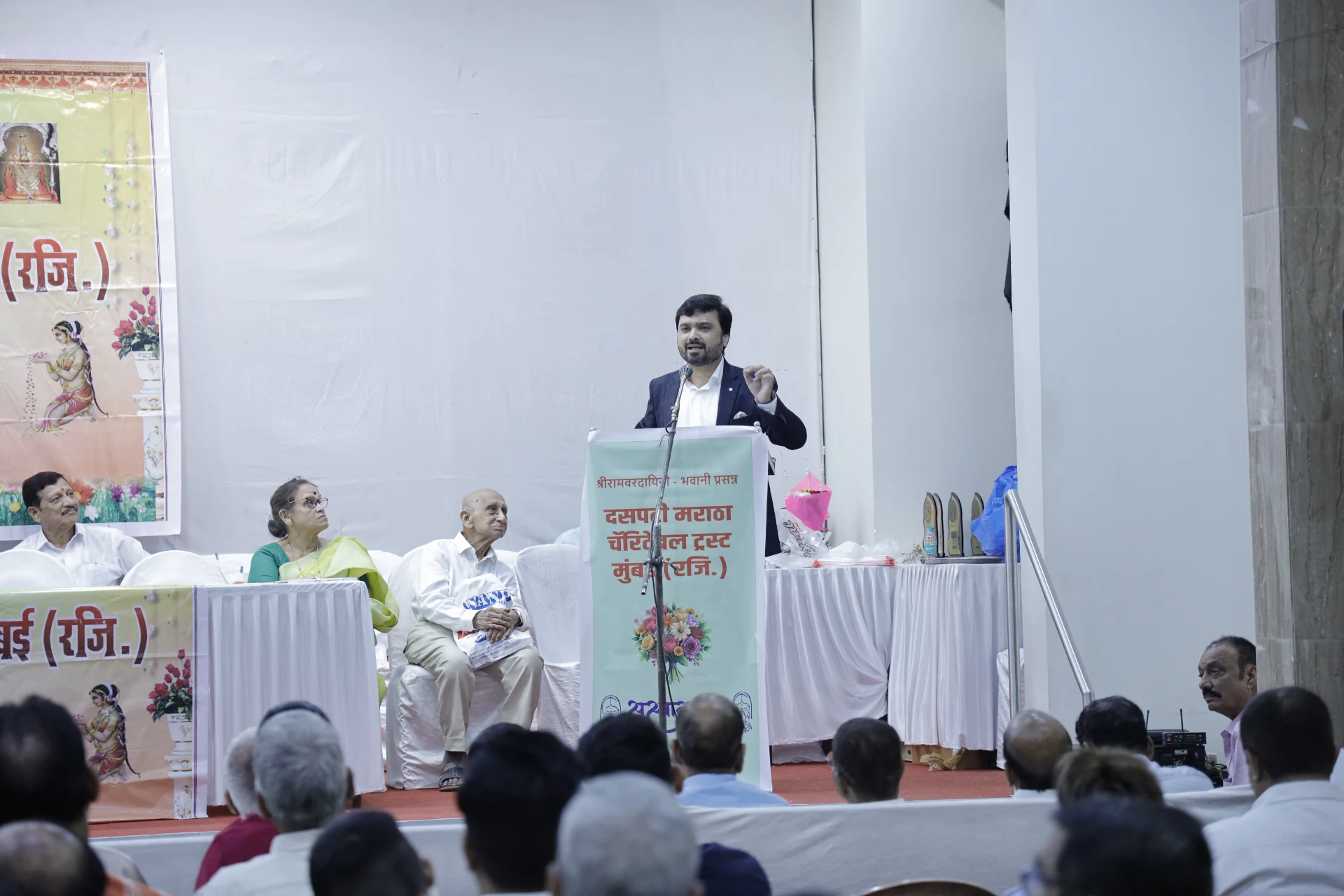
Avinash Chate - Best Corporate Trainer and Motivational Speaker in India
The Domino’s Strategy Every Corporate Leader Should LearnOne of the biggest mistakes leaders make is believing that confidence means always appearing right. In my experience, the opposite is often true. The strongest leaders are those who can face uncomfortable truth without becoming defensive.
Key takeaway: when leaders accept reality faster than others, they create trust faster than others.
I have seen this lesson repeatedly in my work as a corporate trainer, TEDx speaker, and author of The Winning Edge. Across 15+ years of working with professionals and leaders, one pattern stands out clearly: organizations do not decline only because of external competition. They decline when people inside stop listening, stop owning mistakes, and start protecting ego over excellence.
The Domino’s turnaround story is a brilliant reminder of what real leadership looks like. When customers openly criticized the product, the company had two choices. It could deny, defend, and distract. Or it could listen, accept, and improve. That second choice is what every corporate leader should study carefully.
As Avinash Chate, I believe this is not just a business story. It is a human behavior story. It is about accountability, emotional maturity, communication, and the courage to rebuild trust from the ground up.
Why Most Leaders Struggle to Accept Harsh Feedback
Let us be honest. Feedback hurts, especially when it is public, repeated, and impossible to ignore. In many organizations, the first instinct is not learning. The first instinct is self-protection.
People say things like, “Customers do not understand our value,” or “The market is too demanding,” or “Our team is doing its best.” While these statements may contain some truth, they often become shields that prevent improvement.
What I want leaders to understand is this: feedback is not an attack on your identity. It is information about your impact.
That distinction changes everything.
When leaders confuse criticism with disrespect, they become defensive. When they treat criticism as data, they become effective. This is one of the central ideas I discuss in leadership and communication programs with teams across 80+ organizations. The organizations that grow consistently are not the ones that avoid mistakes. They are the ones that respond to mistakes with honesty and speed.
Avinash Chate has often emphasized in workshops that maturity in leadership begins where ego ends. The moment a leader says, “Let us stop explaining and start improving,” culture begins to shift.
The Real Leadership Lesson Behind the Domino’s Turnaround
The most powerful part of the Domino’s story is not that the company improved its product. Many companies improve products. The deeper lesson is that leadership publicly acknowledged what customers were already feeling.
That takes courage.
When a leader admits, “We got this wrong,” three important things happen. First, people trust the honesty. Second, teams stop wasting energy on image management. Third, improvement becomes a shared mission instead of a hidden panic.
In the corporate world, this principle applies far beyond products. It applies to team conflict, poor service, sales underperformance, weak communication, and broken customer relationships. If leaders keep defending what is clearly not working, they lose credibility. But when they name the problem clearly, they create psychological permission for the team to solve it.
This is where the KITE Leadership Framework becomes highly relevant in my training approach. KITE stands for the qualities that help leaders rise above pressure with clarity and purpose. One of its practical applications is teaching leaders to remain grounded under criticism, communicate with authenticity, and convert setbacks into forward momentum.
Leadership is not tested when everything is smooth. Leadership is tested when truth is inconvenient.
The moment a leader stops hiding reality, the team starts finding solutions.
What Corporate Leaders Must Learn About Trust and Accountability
Trust is not built by polished speeches. Trust is built when people see alignment between words and action.
If a team member raises a concern and leadership dismisses it, trust weakens. If customers repeatedly complain and the company keeps promoting the same weak experience, trust weakens. If sales decline but nobody is willing to discuss the real reasons, trust weakens.
Accountability begins with language. Leaders who build trust use simple, direct, responsible language:
We heard the feedback.
We accept the gap.
We are making changes.
We will earn your trust again.
That language is powerful because it removes excuses. In many of my sessions, I tell leaders that accountability is not a punishment mindset. It is a credibility mindset.
I remember how this principle resonated strongly with participants from Deogiri College – Aurangabad during an interaction on leadership and personal growth. The discussion made one point very clear: whether you are leading students, employees, managers, or customers, people do not expect perfection. They expect sincerity, responsiveness, and visible effort.
As Avinash Chate, I have seen that once leaders model accountability, teams begin to mirror it. People become more willing to speak up, admit errors early, and collaborate without fear. That is how healthy cultures are built.
How to Apply the Domino’s Strategy in Your Organization
You do not need a crisis of global scale to apply this lesson. You can use it in everyday leadership.
Start with listening. Not symbolic listening, but real listening. Ask your customers, team members, and stakeholders one difficult question: “What are we not seeing clearly?” Then stay silent long enough to hear the answer.
Next, separate explanation from ownership. There may be valid reasons behind poor results, but reasons should not replace responsibility. Leaders must first own the gap, then solve the gap.
Third, communicate visibly. If improvement is happening quietly while frustration is happening publicly, trust will not return. People need to know that action is underway.
Fourth, involve the team in rebuilding. Turn criticism into commitment. Ask, “What must change in our behavior, standards, and communication?” This creates collective ownership.
Finally, stay consistent. One honest statement does not transform culture. Repeated honesty does.
If your workplace is dealing with blame patterns, I strongly recommend reading The Drama Triangle at Work: The Hidden Pattern Destroying Team Performance. It will help you understand how victimhood, blame, and rescue behavior quietly damage accountability.
For professionals who want to think more deeply about growth and self-correction, After 30, Growth Comes Less From Addition and More From Elimination offers an important perspective on what we must remove to become better leaders.
The Competitive Advantage of Honest Leadership
Many leaders think honesty makes them look weak. In reality, dishonesty makes them look fragile. Honest leadership creates a competitive advantage because it accelerates learning.
When leaders acknowledge reality quickly, teams adapt quickly. When teams adapt quickly, customers feel respected. And when customers feel respected, loyalty returns.
This is why communication is not a soft extra. It is a strategic force. The ability to say the right thing at the right time, with sincerity and ownership, can change the future of a team or organization.
As a motivational speaker and leadership coach, I often remind audiences that confidence is not loudness. Confidence is the ability to face facts without collapse. That is what made the Domino’s response memorable. It was not a marketing trick. It was a leadership signal.
Even in sectors where pressure, expectations, and performance demands are intense, the same principle applies. That is why this related perspective is useful: Why India’s IT Companies Need Motivational Speakers Now More Than Ever. At its core, even high-pressure workplaces need emotional resilience, communication, and human-centered leadership.
Avinash Chate believes that organizations grow when leaders stop asking, “How do we protect our image?” and start asking, “How do we deserve trust again?” That question creates better teams, better service, better culture, and better results.
My Final Message to Leaders
If there is one lesson I want every leader to remember from the Domino’s story, it is this: denial delays growth, but honesty accelerates transformation.
You do not build a respected organization by pretending everything is fine. You build it by facing what is not fine and leading the change with courage.
Whether you are a senior leader, a manager, an entrepreneur, or an emerging professional, your growth depends on your willingness to hear what others are afraid to say. That is where real improvement begins.
I have dedicated my work to helping individuals and organizations strengthen leadership, communication, motivation, team culture, and personal effectiveness. If you want to create a culture of accountability, trust, and performance in your organization, book a corporate training session with Avinash Chate.
Frequently Asked Questions
What is the main leadership lesson from the Domino’s turnaround story?
The main lesson is that courageous leaders accept hard feedback openly, take responsibility, and act visibly to rebuild trust instead of defending failure.
Why do leaders become defensive when they receive criticism?
Many leaders attach feedback to personal identity rather than performance outcomes. When they learn to see criticism as useful information, they become more effective and less reactive.
How can organizations build a culture of accountability?
Organizations build accountability when leaders model ownership, communicate honestly, invite feedback, and create an environment where people can admit mistakes without fear.
How does honest communication improve team performance?
Honest communication reduces confusion, removes blame, strengthens trust, and helps teams focus their energy on solving problems instead of hiding them.
Can this leadership lesson apply beyond customer-facing businesses?
Yes. The lesson applies to every workplace where trust, collaboration, and performance matter. Teams perform better when leaders acknowledge reality and guide improvement with clarity.
Related Articles by Avinash Chate
- The Power of Emotional Intelligence at Workplace in Mumbai
- The Tetra Pak Lesson: Solve the Real Problem, Not the Visible One
- Corporate Training in Nashik for Sinnar MIDC and Emerging Industrial Corridors
About the Author
Avinash Chate is a TEDx speaker, published author of The Winning Edge and The Unanswered, and founder of The Future Corporate & Business Coaching. With over 15 years of experience training 80+ organizations including Coriolis Corp, Mtech Innovation, Kaeser Compressors India, ADS Technologies, Avinash is recognized as Maharashtra's leading corporate trainer. He created the KITE Leadership Framework and the 25-Star Competency Framework™, delivering high-impact programs across leadership, team building, sales transformation, and emotional intelligence.
📞 +91 8793630001 | ✉️ connect@avinashchate.com | 🌐 avinashchate.com
Book Avinash Chate for Your Next Event
Maharashtra's #1 Corporate Trainer · India's leading Motivational Speaker & Team Building Expert · 2x TEDx · Available across India in English, Hindi & Marathi.
✅ Thanks! Avinash team will reach out within 24 hours.'}).catch(function(e){f.outerHTML='Something went wrong. WhatsApp +91 8793630001
'});return false;"> Select Service Motivational Speaking / Keynote Team Building Workshop Corporate Training / Leadership Development Manager Development Employee Training Outbound Training Book Avinash Now →Or WhatsApp directly: +91 87936 30001
Avinash Chate services
Corporate Trainer in Maharashtra · Top Corporate Trainers in Maharashtra · Leadership Trainer in Maharashtra · Top Leadership Trainers in Maharashtra · Team Building Trainer in Maharashtra · Top Team Building Trainers in Maharashtra · Motivational Speaker in Maharashtra · Top Motivational Speakers in Maharashtra · All service locations
← Back to all articles · Book Avinash Chate
By Avinash Chate — Maharashtra’s #1 Corporate Trainer & Motivational Speaker. .