How to Understand Your Boss and Team Psychology
In many workplaces, talented professionals struggle not because of lack of skill, but because of misunderstandings with bosses and colleagues. One employee feel...
Understanding Conflicts in Organizations
In most organizations, conflicts are rarely about work. They are about people.
A manager thinks the employee lacks initiative. An employee thinks the manager is controlling. A colleague feels ignored in meetings. Another feels overwhelmed by too many discussions.
Same workplace. Same project. But completely different emotional experiences.
This is where the Ferob Psychological Model becomes powerful. Used by many Fortune 500 organizations, the model explains something very simple but often ignored: every individual carries certain psychological needs into the workplace. When those needs are understood and respected, collaboration becomes easier. When they are ignored, friction begins.
The model focuses on three core human needs: Inclusion, Control, and Affection.
Inclusion: The Need to Be Part of the Group
Some people want to be part of every discussion. They enjoy brainstorming sessions, team meetings, and collaborative work.
Others prefer quiet focus. They are comfortable working independently and may not speak much in meetings, yet they produce exceptional results.
Problems arise when we expect everyone to behave the same way.
Think about a developer who rarely speaks in meetings. Many managers assume such employees are disengaged. In reality, they may simply have a low need for inclusion. They perform best when given space to think deeply rather than being pulled into constant discussions.
Great leaders recognize this difference. They don't force participation. They create space where both types of personalities can contribute.
Control: The Need to Influence Decisions
Control is about how much influence a person wants over decisions, processes, and outcomes.
Some individuals prefer taking charge. They like clarity, structure, and authority. They want to monitor progress and ensure everything runs according to plan.
Others prefer autonomy. They like freedom and trust. Too much supervision feels suffocating.
Consider a team leader who constantly checks updates, asks for frequent reports, and closely monitors tasks. On the surface, it may appear like micromanagement. But often it reflects a high need for control, sometimes shaped by past experiences where projects failed due to lack of oversight.
When teams understand this need, the situation changes. Instead of seeing control as interference, they see it as a psychological preference that can be managed with transparency and communication.
Affection: The Need for Human Connection
Affection in the workplace does not mean personal intimacy. It means recognition, appreciation, and emotional connection.
Some professionals thrive when their work is acknowledged. A simple “good job” or public appreciation fuels their motivation.
Others are more task-focused and don't actively seek emotional validation.
Imagine a young employee who consistently performs well but rarely receives recognition. Over time, motivation begins to drop. Not because of salary or workload, but because the need for appreciation remains unmet.
Sometimes a small gesture — a quick thank you, a weekly appreciation message, or acknowledging effort in a team meeting — can completely change the employee’s energy.
Understanding Yourself First
The Ferob model begins with a simple step: self-awareness.
Ask yourself three questions.
- Do I enjoy being part of every discussion, or do I prefer working independently?
- Do I like controlling the process, or do I prefer flexibility?
- Do I feel motivated when appreciated, or does recognition matter less to me?
Your answers reveal your psychological pattern.
Once you understand your own needs, it becomes easier to understand why others behave differently.
Understanding the People Around You
The second step is observation.
Look at how your boss communicates. Frequent follow-ups may indicate a need for control. Silence may indicate trust or a low inclusion preference.
Look at your colleagues. Some love brainstorming meetings, while others contribute better through written ideas or one-on-one conversations.
Instead of judging behaviour, the Ferob model encourages us to decode it.
Adjusting Without Losing Yourself
The final step is strategic adjustment.
You don't change who you are. You simply adjust how you interact.
- Give space to colleagues who prefer independence.
- Provide clarity to those who value control.
- Offer appreciation to those who thrive on recognition.
These small adjustments transform workplace relationships.
Many team conflicts disappear when people simply feel understood.
When Psychology Improves Productivity
Technical skills build products. Psychological understanding builds teams.
Organizations often invest heavily in tools, systems, and processes. Yet the real driver of performance lies in something far simpler — understanding human needs.
When inclusion is respected, people feel comfortable contributing.
When control is balanced, leaders and teams work with trust instead of tension.
When affection is expressed through appreciation, motivation grows naturally.
That is why models like Ferob are quietly used by some of the world’s most successful organizations.
Because at the heart of every workplace problem… there is usually a human need waiting to be understood.
About Avinash Chate
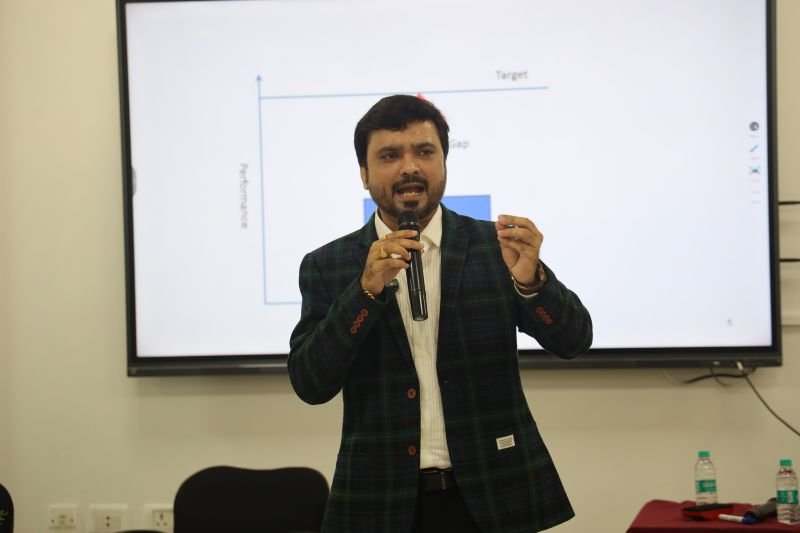
In this insightful video, Avinash Chate, renowned corporate trainer, behavioural coach, and TEDx speaker, explains the Ferob Psychological Model with simple workplace examples that every professional can relate to. Through real stories of employees like Rohit, Priya, and Amit, he shows how understanding inclusion, control, and affection can transform team dynamics, improve leadership, and create healthier workplace relationships. His explanation makes a complex psychological framework practical for managers, leaders, and employees alike.
Related Articles by Avinash Chate
- From Reaction to Leadership: Mastering Emotional Control at Work
- The Drama Triangle at Work: The Hidden Pattern Destroying Team Performance
- Credibility, Reliability, Intimacy: The Three Pillars of Trust
Avinash Chate
India's Leading Corporate Trainer | TEDx Speaker | Author
With 80+ organizations trained including RBI, JSW Steels, and Ferrero, Avinash Chate delivers high-impact corporate training across India. Creator of the KITE Leadership Framework and bestselling author of "The Winning Edge."
Website YouTubeBook Avinash Chate for Your Next Event
Maharashtra's #1 Corporate Trainer · India's leading Motivational Speaker & Team Building Expert · 2x TEDx · Available across India in English, Hindi & Marathi.
✅ Thanks! Avinash team will reach out within 24 hours.'}).catch(function(e){f.outerHTML='Something went wrong. WhatsApp +91 8793630001
'});return false;"> Select Service Motivational Speaking / Keynote Team Building Workshop Corporate Training / Leadership Development Manager Development Employee Training Outbound Training Book Avinash Now →Or WhatsApp directly: +91 87936 30001
Avinash Chate services
Corporate Trainer in Maharashtra · Top Corporate Trainers in Maharashtra · Leadership Trainer in Maharashtra · Top Leadership Trainers in Maharashtra · Team Building Trainer in Maharashtra · Top Team Building Trainers in Maharashtra · Motivational Speaker in Maharashtra · Top Motivational Speakers in Maharashtra · All service locations
← Back to all articles · Book Avinash Chate
By Avinash Chate — Maharashtra’s #1 Corporate Trainer & Motivational Speaker. .