The First 30-Second Rule That Decides Every Sale Before You Even Pitch
Your customer decides whether to trust you within the first 30 seconds — before your pitch, your price, or your product. Here's how to win that window every time.
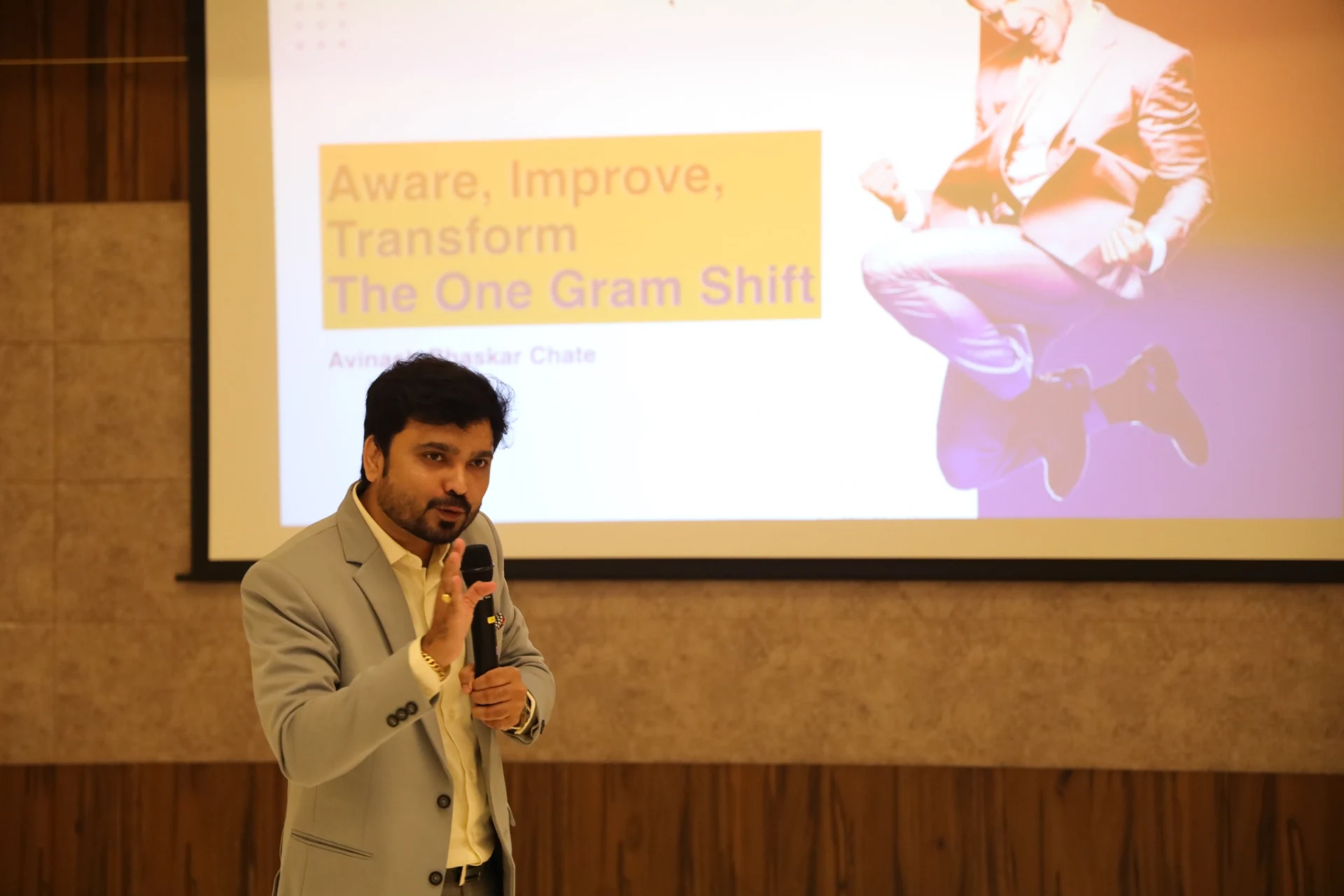
Here's the thing most sales trainers don't say clearly: your customer forms their opinion of you within the first 30 seconds — before your pitch, your price, or your product. NASSCOM-Deloitte projects India will need 1.25 million skilled customer-facing professionals by 2027. The differentiator won't be product knowledge. It'll be what happens in those first 30 seconds.
TL;DR- Customers form their opinion of you in the first 30 seconds — before you pitch, present, or price anything
- The impression arrives through three channels: body language (55%), tone of voice (38%), and words (7%)
- Most salespeople prepare only for the 7% — which is why well-prepared pitches still lose
- Making the customer feel important and seen in the first seconds is the highest-leverage sales skill
- Win the first 30 seconds by using their name, showing full presence, and opening with a question specific to their situation
Why Your Customer's Mind Is Made Up in the First 30 Seconds Before Your Pitch Starts
Here's something most sales trainers don't say clearly: the sale is often won or lost before the first feature is mentioned. Customers form their initial impression within the first 30 seconds of a meeting — sometimes faster. That impression colors everything after it. If it's positive, they lean in, they interpret your points charitably, and they're more open to price. If it's uncertain or negative, they're already composing objections before you've finished your opening sentence. Most sales training focuses on what to say. Almost none focuses on this first window.
The Three Channels That Create a First Impression: Words, Tone, and Body Language
The impression you create in those 30 seconds arrives through three channels simultaneously — and they have very different weights. Your words carry roughly 7% of emotional impact. Your tone of voice carries around 38%. And your body language — posture, eye contact, the energy in your walk into the room — carries the remaining 55%. Most salespeople spend 90% of their preparation on the 7%. That's why so many well-prepared presentations still lose. The customer already decided in those first seconds based on the channels the salesperson practiced the least.
| First 30 Seconds Element | Common Mistake | Best Practice |
|---|---|---|
| Phone | In hand or checking notifications on entry | Face down or out of sight before customer arrives |
| Opening question | "So what are you looking for today?" | Specific question referencing their actual situation |
| Eye contact | Intermittent, distracted | Steady and present from the first moment of contact |
| Tone of voice | Flat, routine — same as every other meeting | Warm and energised — signals this meeting matters |
| Customer's name | "Sir" or "Madam" throughout | Used by name in opening — immediate personalisation |
| Body posture | Slouched, leaning back, closed | Upright, facing customer, slightly forward |
Making Customers Feel Important: The Opening Skill Most Sales Teams Miss
The single most powerful thing you can do in the first 30 seconds is make the customer feel like they are the most important meeting of your day. This sounds simple. It isn't. It requires full presence — phone face down, eye contact from the moment they enter, an opening question that signals you've thought about their situation specifically, not a generic 'so what are you looking for?' What most people don't realize is that customers don't just buy products. They buy from people who made them feel seen. That first 30 seconds either delivers that or it doesn't.
How First-Impression Failures Kill Sales That Should Have Closed
I've sat in on dozens of sales meetings — at Bajaj Auto dealerships, at tech sales teams in Pune, at financial services firms — and the pattern is consistent. The salesperson is technically prepared. They know the product, the pricing, the competition. And they walk in scrolling their phone, sit down before the customer, open with 'so what brings you in today', and proceed to talk while the customer has already emotionally checked out. The good news is, this is entirely fixable — once you see the problem, changing it is faster than most people expect.
What I Teach Sales Teams at Bajaj Auto, Tata Tech, and Ferrero About the First 30 Seconds
In my sales training programmes for Tata Tech, Ferrero, and Bosch, I focus the first session entirely on the opening window. Before we discuss pitching, handling objections, or closing, we simulate the first 30 seconds. I record it. I play it back. What participants see about themselves is usually a revelation. The tone is flatter than they thought. The eye contact is shorter. The posture signals something different than intended. Once you see it, you can change it fast. This is one of the highest-leverage skills in any sales team's development — and the most consistently underdeveloped.
A Step-by-Step Opening Framework: How to Win the First 30 Seconds
Here's the opening framework I teach. Before you walk in, spend 60 seconds mentally placing the customer's context at the centre — what do they care about right now, what challenge brought them here? Walk in with energy in your body, not just your words. Make eye contact within the first three seconds. Greet them by name — not 'sir' or 'madam' but their actual name. Open with a question specific to them: 'I saw the expansion you announced last quarter — how's that affecting your priorities right now?' That question alone buys you their first real minutes of genuine attention.
Beyond the First Meeting: Carrying the First-Impression Standard Through the Sales Cycle
The first-30-second standard doesn't end after the opener — it sets the tone for every interaction across the full sales cycle. Customers remember how they felt far more than what they heard. The impression from your first meeting becomes the baseline they measure every follow-up call against. If you raised their energy in that first window, every call after it gets the benefit of that head start. The professionals I've trained at JSW and Indian Army business development teams who internalized this principle saw their close rates improve — not because they changed their pitch, but because they changed what happened before it.
Book Avinash Chate for Your Next Event
TEDx speaker. 11+ yrs training Army, BRO, RBI, BARC, JSW. Available for keynotes, leadership training, team building & manager development at your office or event venue.
✅ Thanks! Avinash team will reach out within 24 hours.'}).catch(function(e){f.outerHTML='Something went wrong. WhatsApp +91 8793630001
'});return false;">Select ServiceKeynote / Motivational SpeakingLeadership Development TrainingTeam Building WorkshopManager DevelopmentEmployee TrainingOutbound TrainingBook Avinash Now →Or WhatsApp directly: +91 87936 30001
Related Articles by Avinash Chate
- Ajit Agarkar's 21-Ball ODI Fifty Against Zimbabwe: The Silent Performer's Career Blueprint
- Clive Lloyd's 1975 World Cup Final Leadership: How Bold Captaincy Wins Under Pressure
- How Otis Elevator's Aftercare Model Builds a Billion-Dollar Empire
Avinash Chate TEDx Speaker · Founder, The Future Corporate · 11+ yrs experience Avinash has trained Indian Army, BRO, RBI, BARC, JSW Steel and 1000+ corporate leaders across India. His work focuses on leadership development, communication skills, and behavioural training rooted in Indian values and modern business needs. |
Frequently Asked Questions
Why do the first 30 seconds of a sales meeting matter so much?
Customers form initial impressions within the first 30 seconds of any interaction — often within the first few seconds. That impression creates a frame for everything that follows. A positive opening makes customers more receptive to your pitch, more charitable about your pricing, and more likely to interpret ambiguous information in your favour. A neutral or negative opening means you're spending the rest of the meeting fighting a deficit you created before your first slide. Most sales training focuses on what to say — almost none focuses on this high-leverage opening window.
What specific elements should I focus on to improve my first 30 seconds in sales?
Focus on three channels in order of impact. Body language first — posture, eye contact, energy in how you enter and sit. Tone of voice second — warmth, pace, the sense that you're genuinely present. Words last, even though most training treats them first. Before the meeting, spend 60 seconds grounding yourself in the customer's context so your opening question is specific to them, not generic. The most common improvement I see after sales training is not in pitch skills — it's in the confidence and presence people bring to those first 30 seconds.
How can I make a customer feel important in the very first moment of a meeting?
The most powerful thing you can do is signal that this specific customer is the priority of your attention right now. Their name — used naturally, not robotically — is the fastest signal. A specific opening question that references something about their situation, their company, or their current challenge. Full presence — phone away, eyes on them, no multitasking. And genuine curiosity in your tone, not the recited warmth of someone who uses the same opening line in every meeting. Customers are perceptive. They know the difference between someone performing interest and someone who is actually interested.
Does the first-30-seconds principle apply to virtual sales calls or only in-person meetings?
The first-30-second principle applies with equal force on virtual calls, and in some ways even more so. On a video call, your lighting, your background, your eye contact with the camera rather than the screen, and your energy in the first few seconds create the impression. The absence of physical presence means the impression is built entirely from audio and video signals — which amplifies how important tone and visual cues are. I've run virtual sales training for Infosys, TCS, and Siemens India teams, and the first-impression principles are identical. What changes is the medium, not the psychology.
Avinash Chate services
Corporate Trainer in Maharashtra · Top Corporate Trainers in Maharashtra · Leadership Trainer in Maharashtra · Top Leadership Trainers in Maharashtra · Team Building Trainer in Maharashtra · Top Team Building Trainers in Maharashtra · Motivational Speaker in Maharashtra · Top Motivational Speakers in Maharashtra · All service locations
← Back to all articles · Book Avinash Chate
By Avinash Chate — Maharashtra’s #1 Corporate Trainer & Motivational Speaker. .