IPL Trade Secrets EXPOSED ₹18Crore Collapse
Rajasthan Royals and Chennai Super Kings had agreed on a massive 18 crore trade for Sanju Samson and Ravindra Jadeja. Everything was finalized. But at the last ...
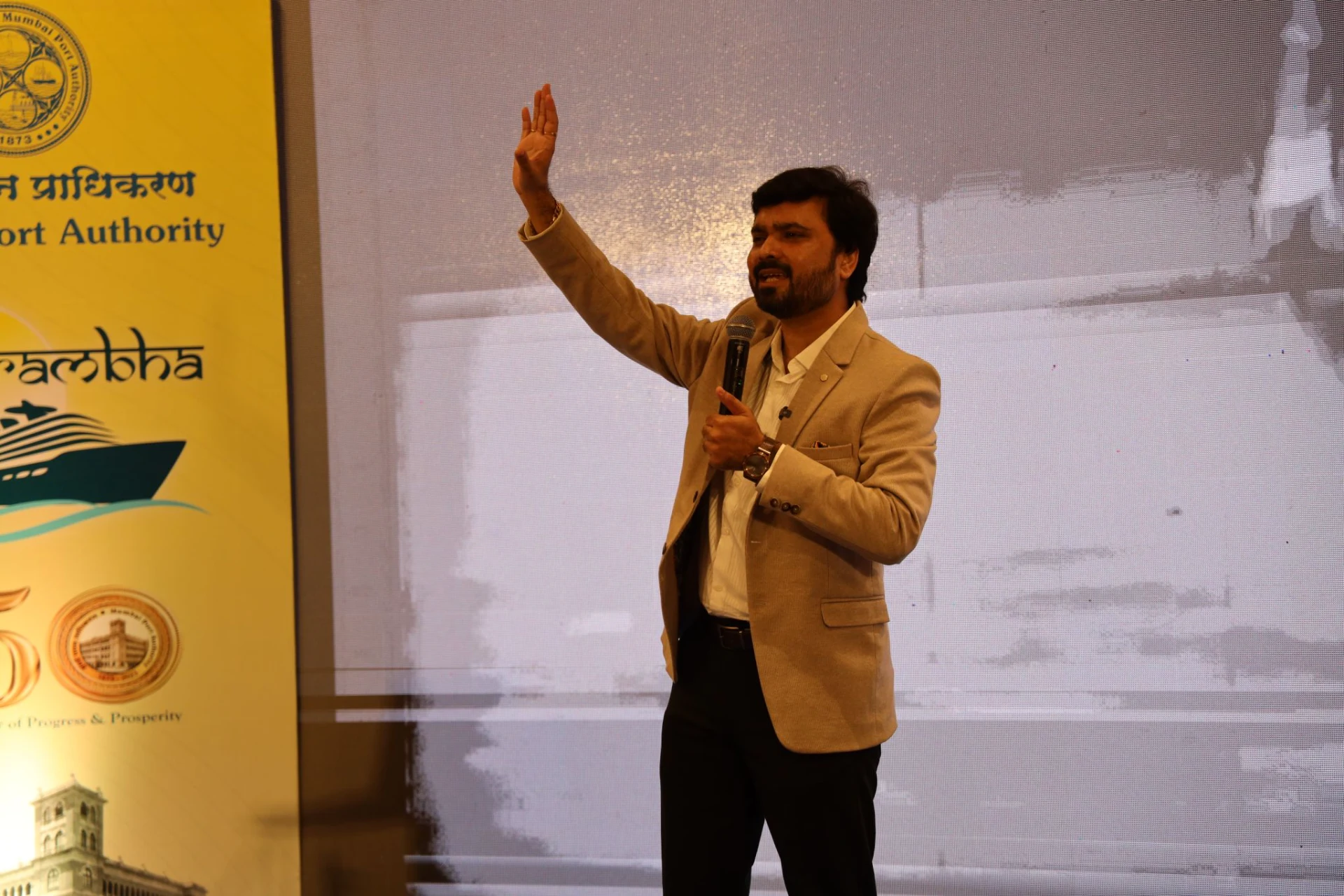
Avinash Chate - TEDx Speaker delivering keynote at corporate event
The Greed Gradient Trap: Why Great Deals Collapse at the Last MomentI have seen this pattern too many times in professional life. A conversation begins with excitement. Both sides invest time. Expectations are aligned. Terms are discussed. Trust starts building. Then, just when the agreement is ready, one side asks for a little more.
That “little more” often destroys everything.
Key takeaway: In negotiation and leadership, the final stretch is where character is revealed. When greed enters late, trust exits fast.
This is what I call the Greed Gradient Trap. It is not always loud. It does not always look unethical. Sometimes it appears smart, strategic, or harmless. But in reality, it weakens relationships, damages credibility, and kills momentum.
Whether it is a salary discussion, a sales conversation, a partnership, or an internal workplace agreement, the same principle applies: when you keep changing the terms after emotional commitment has already been created, people stop negotiating the deal and start judging your integrity.
As Avinash Chate, a TEDx speaker and author of The Winning Edge, I have worked with leaders and teams across 80+ organizations, and I can tell you this with conviction: many careers do not fail because of lack of talent. They fail because of poor judgment in moments that test maturity.
What Exactly Is the Greed Gradient Trap?
The Greed Gradient Trap happens when a person or organization keeps increasing demands after the other side is already mentally committed to the deal. The assumption is simple: “They have come this far, so they will accept one more condition.”
Sometimes they do. But often, they do not.
Why? Because the issue is no longer money, role, or terms. The issue becomes respect.
In human psychology, people can accept tough conditions when those conditions are transparent from the beginning. What they struggle to accept is a last-minute shift that feels manipulative. Even if the extra demand is small, the emotional impact is large.
I have seen this in hiring, vendor relationships, client partnerships, and team decisions. The deal breaks not because the final ask was impossible, but because it created doubt. Doubt about intent. Doubt about future behavior. Doubt about whether this relationship will remain fair after the agreement is signed.
That is why wise professionals understand a simple truth: short-term gain achieved through pressure often creates long-term loss through mistrust.
Why Smart Professionals Still Fall Into This Trap
You may wonder: if this is so obvious, why do intelligent people still do it?
Because greed rarely introduces itself as greed.
It comes disguised as opportunity. It whispers, “Ask now, this is your best chance.” It says, “If they are serious, they will agree.” It convinces people that pushing harder is a sign of strength.
But there is a difference between strong negotiation and self-destructive overreach.
Strong negotiation is clear, respectful, and timely. Overreach is when you misuse the other person’s investment in the process. One builds confidence. The other creates resistance.
In my corporate training sessions, I often explain that maturity is not only about knowing what to ask. It is also about knowing when to stop asking.
This is especially important for leaders. Your team watches how you negotiate, how you commit, and how you handle closure. If you repeatedly shift expectations after alignment, your people learn the wrong lesson. They start believing that trust is temporary and words are flexible. That kind of culture creates insecurity, politics, and disengagement.
Avinash Chate has consistently emphasized that leadership is not just about influence in public moments. It is about credibility in closing moments.
The Real Cost of Last-Minute Greed
When a deal collapses at the final stage, most people only calculate the visible loss. They think in terms of money, role, contract value, or immediate opportunity. But the invisible losses are often much bigger.
You lose trust.
You lose speed.
You lose emotional goodwill.
You lose future collaboration.
You lose reputation in networks that matter.
In the professional world, people remember how you made them feel at the end of a negotiation. If they felt respected, they may return even if the current deal did not happen. If they felt trapped, cornered, or manipulated, they may never come back.
This is why I tell participants in my workshops: every negotiation has two outcomes. One is the agreement. The other is the memory. Sometimes you win the agreement and lose the memory. That is a dangerous victory.
I have seen organizations like ADS Technologies understand this deeply in people development conversations. Sustainable growth does not come only from pushing harder. It comes from building relationships where commitment and fairness are visible.
If you want to grow in business or career, remember this: your reputation is being negotiated even when your terms are being discussed.
How Leaders Can Avoid the Greed Gradient Trap
The solution is not weakness. The solution is discipline.
Over the years, I have used principles from the KITE Leadership Framework to help leaders become more intentional in difficult conversations. One important lesson from that framework is this: integrity must stay visible from the first conversation to the final handshake.
Here are a few practical ways to avoid the trap.
1. Clarify expectations early
If you have non-negotiables, put them on the table early. Surprises near closure create emotional resistance.
2. Separate ambition from greed
It is healthy to negotiate for value. It is unhealthy to keep stretching the boundary just because the other side is invested.
3. Respect the psychology of commitment
Once both sides have emotionally aligned, changing terms casually can feel like betrayal. Protect the dignity of the process.
4. Think beyond the current deal
Ask yourself: if this agreement happens, will the relationship begin with trust or tension?
5. Train teams in ethical communication
Many deal failures are not caused by strategy. They are caused by poor communication, ego, and lack of emotional intelligence.
That is why leadership development matters. Not just for senior executives, but for managers, sales teams, and professionals at every level.
What This Means for Your Career and Workplace Relationships
You may not be handling large business negotiations every day. But the Greed Gradient Trap can show up in smaller moments too.
A manager promises support but adds conditions later.
An employee accepts a role but keeps changing expectations after confirmation.
A colleague agrees to collaborate but starts bargaining for visibility at the end.
A partner aligns on scope but asks for extra benefits after consensus.
These moments shape culture.
If your workplace is full of shifting expectations, people become defensive. They stop trusting verbal commitments. They become cautious, political, and transactional. Eventually, performance suffers because emotional safety disappears.
That is why communication and trust must go together. You cannot build a high-performing team in an environment where every agreement feels temporary.
If this idea connects with you, I recommend reading Office Favoritism: The Silent Morale Killer and How Smart Professionals Rise Above It. It explores another hidden workplace behavior that quietly damages morale and performance.
You may also enjoy What Guinness Did Will Change Your Career Thinking Forever, where I share how unconventional thinking can transform professional growth.
My Final Message: Learn When Enough Is Enough
One of the biggest signs of wisdom is knowing when to stop.
Stop pushing. Stop extracting. Stop testing the limits of the other person’s patience just because you can.
In life and leadership, not every possible gain is worth taking. Some gains are too expensive because they cost trust. And once trust is broken, rebuilding it takes far more effort than protecting it in the first place.
Avinash Chate believes that great professionals are remembered not only for how they begin conversations, but for how they conclude them. If you want long-term success, become someone whose word creates confidence, not caution.
That is the difference between temporary wins and lasting influence.
If you are serious about building stronger leaders, more trustworthy teams, and a culture of high-performance communication, explore Best Corporate Trainer in Kolkata for BFSI and Insurance Companies for additional perspective on professional capability building.
And if you want to create this transformation inside your organization, book a corporate training session. I would be happy to help your team develop the mindset, communication, and leadership maturity needed to grow with credibility.
As Avinash Chate, I have learned one lesson repeatedly: opportunities come and go, but trust compounds. Protect it. Earn it. Lead with it.
Frequently Asked Questions
What is the Greed Gradient Trap in professional life?
It is the tendency to ask for more after a deal or agreement is almost finalized, assuming the other side will accept because they are already invested. This often damages trust and causes the entire opportunity to collapse.
How can leaders negotiate strongly without appearing greedy?
Leaders should communicate expectations early, stay transparent about non-negotiables, and avoid changing terms at the final stage. Strong negotiation is respectful and clear, not manipulative.
Why do last-minute demands create so much resistance?
Because people experience them as a breach of fairness. Even a small additional demand can feel disrespectful if it appears after emotional and practical commitment has already been built.
Can this trap affect internal team relationships too?
Yes. It can appear in promotions, role discussions, project ownership, and team commitments. When people keep shifting expectations, trust reduces and workplace culture becomes more political.
How can organizations build more trust-based professional behavior?
Organizations can invest in leadership development, communication training, and values-based team building. When people learn to balance ambition with integrity, they create stronger and more sustainable professional relationships.
Related Articles by Avinash Chate
- The Mirroring Technique That Helps You Build Trust and Close More Deals
- The Career Cost of Saying ‘I’m Not Ready’
- Motivational Speaker for Pune BPO and KPO Night-Shift Teams — Combating Burnout and Boosting Engagement
About the Author
Avinash Chate is a TEDx speaker, published author of The Winning Edge and The Unanswered, and founder of The Future Corporate & Business Coaching. With over 15 years of experience training 80+ organizations including ADS Technologies, Rajginagar Sahakari bank, Ellora Natural Seed Pvt Ltd, Deogiri College – Aurangabad, Avinash is recognized as Maharashtra's leading corporate trainer. He created the KITE Leadership Framework and the 25-Star Competency Framework™, delivering high-impact programs across leadership, team building, sales transformation, and emotional intelligence.
📞 +91 8793630001 | ✉️ connect@avinashchate.com | 🌐 avinashchate.com
Book Avinash Chate for Your Next Event
Maharashtra's #1 Corporate Trainer · India's leading Motivational Speaker & Team Building Expert · 2x TEDx · Available across India in English, Hindi & Marathi.
✅ Thanks! Avinash team will reach out within 24 hours.'}).catch(function(e){f.outerHTML='Something went wrong. WhatsApp +91 8793630001
'});return false;"> Select Service Motivational Speaking / Keynote Team Building Workshop Corporate Training / Leadership Development Manager Development Employee Training Outbound Training Book Avinash Now →Or WhatsApp directly: +91 87936 30001
Avinash Chate services
Corporate Trainer in Chennai · Top Corporate Trainers in India · Leadership Trainer in Chennai · Top Leadership Trainers in India · Team Building Trainer in Chennai · Top Team Building Trainers in India · Motivational Speaker in Chennai · Top Motivational Speakers in India · All service locations
← Back to all articles · Book Avinash Chate
By Avinash Chate — Maharashtra’s #1 Corporate Trainer & Motivational Speaker. .