Top 7 Communication Skills Corporate Leaders Must Master for Effective Team Building
Discover the top 7 communication skills corporate leaders must master to build trust, improve collaboration, and create high-performing teams. I share practical insights from leadership training across India.
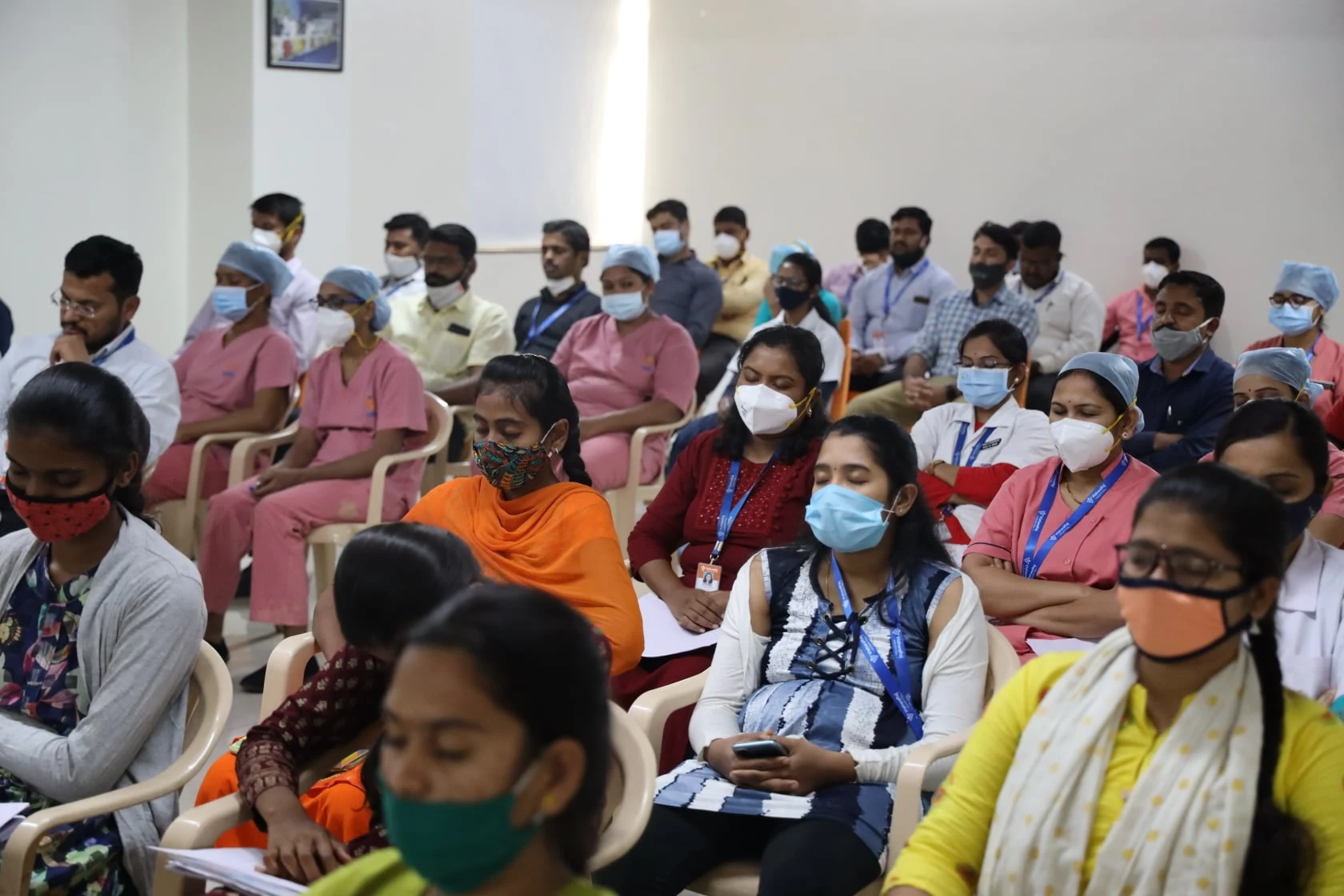
Avinash Chate - Best Corporate Trainer conducting leadership session
Top 7 Communication Skills Corporate Leaders Must Master for Effective Team BuildingIn my experience of working with leaders across industries, I have seen one truth repeat itself again and again: teams do not fail only because of poor strategy, weak talent, or lack of effort. They fail when communication breaks down. If you want stronger collaboration, higher ownership, and better execution, you must build communication skills deliberately.
Key takeaway: effective team building is not a one-time activity. It is the daily outcome of how leaders listen, speak, align, appreciate, correct, and create psychological safety through communication.
I am Avinash Chate, a TEDx speaker and author of The Winning Edge, and over 15+ years, I have worked with leaders from 80+ organizations to help them improve team effectiveness, leadership presence, and workplace culture. Whether I am training senior managers, first-time leaders, or cross-functional teams, one pattern is clear: the quality of communication determines the quality of team building.
When leaders ask me how to improve team bonding, accountability, and trust, I tell them to begin with seven communication skills. These are not abstract ideas. They are practical capabilities that influence meetings, reviews, feedback conversations, conflict resolution, and everyday collaboration.
1. Active Listening That Makes People Feel Valued
The first communication skill every corporate leader must master is active listening. Many leaders believe they are listening when they are actually waiting for their turn to speak. Teams notice this immediately. When employees feel unheard, they disengage, hold back ideas, and stop taking initiative.
Active listening means giving full attention, asking clarifying questions, observing tone and emotion, and reflecting back what you heard before responding. It tells the team, “Your input matters.” That single message strengthens trust more than most leaders realize.
In my workshops, I often remind leaders that listening is not passive. It is one of the strongest forms of influence. When people feel understood, they become more open to alignment, feedback, and accountability. This is especially important during team building because strong teams are created when individuals feel respected as contributors.
If you want to understand why some teams perform with commitment while others withdraw, I recommend reading Why Some Employees Deliver and Others Avoid Work.
2. Clarity in Expectations, Roles, and Outcomes
One of the biggest reasons teams struggle is not incompetence. It is confusion. Leaders often assume they have communicated clearly, but their team members leave with different interpretations of priorities, deadlines, and ownership.
Clear communication means defining what success looks like, who is responsible for what, what the timeline is, and how progress will be reviewed. Ambiguity creates friction. Clarity creates momentum.
I have seen this in leadership interventions with organizations such as RBI, where the difference between average team execution and excellent execution often comes down to how clearly leaders communicate expectations. Teams do better when they know exactly what matters most.
As Avinash Chate, I strongly believe that clarity is a leadership responsibility, not a team weakness. If your team keeps missing the mark, first review how clearly you are communicating the mark.
3. Empathetic Communication That Builds Trust
Empathy in leadership communication is not softness. It is strategic intelligence. Teams today work under pressure, changing priorities, hybrid collaboration, and high emotional load. Leaders who communicate only through instructions may get compliance, but they rarely earn commitment.
Empathetic communication means understanding the concerns, motivations, and emotional realities of your team. It means choosing words that show respect, acknowledging effort, and responding to challenges without dismissing people.
Trust grows when employees believe their leader sees them as people, not just performers. This is one reason I emphasize trust-building in my sessions using the KITE Leadership Framework. Leaders who communicate with empathy create environments where people are willing to speak up, collaborate honestly, and support one another.
If this subject interests you, you may also find value in Why Some Leaders Create Trust and Others Create Fear.
Teams become stronger when leaders communicate in ways that reduce fear and increase trust.
4. Constructive Feedback That Improves Performance Without Damaging Morale
Feedback is one of the most misunderstood communication skills in corporate leadership. Some leaders avoid it because they do not want discomfort. Others deliver it too harshly and damage confidence. Neither approach helps team building.
Constructive feedback is timely, specific, balanced, and future-focused. It addresses behavior and outcomes without attacking identity. Great leaders know how to correct performance while preserving dignity.
I encourage leaders to avoid vague statements like “You need to improve your attitude” or “This was not good enough.” Instead, say what happened, explain the impact, and define the next expected behavior. That creates learning rather than defensiveness.
When teams see that feedback is fair and developmental, they stop fearing review conversations. They become more open, coachable, and resilient. This directly contributes to stronger team culture and better collaboration.
5. Open Dialogue That Encourages Participation and Ownership
Team building suffers when communication flows in only one direction. A leader speaks, and everyone else listens. This may create order, but it rarely creates ownership. High-performing teams need dialogue, not just direction.
Open communication means inviting ideas, encouraging questions, and making it safe for people to disagree respectfully. Leaders who ask, “What am I missing?” or “What concerns do you see?” signal maturity and confidence. They also unlock better thinking from the team.
In my training programs, I often tell leaders that participation is not an event; it is a climate. If your team members are silent in meetings, the issue may not be capability. It may be communication culture. Leaders must consciously create spaces where people contribute without fear of embarrassment or punishment.
This is why team building experiences also matter. Informal and experiential settings often help leaders and teams communicate more openly. For more insight, read Redefining Team Building: A Unique Corporate Retreat Experience in Lonavala.
6. Conflict Communication That Resolves Tension Early
No team can grow without friction. Differences in style, priorities, and personalities are natural. The real issue is not conflict itself. The issue is how leaders communicate during conflict.
Many teams become dysfunctional because difficult conversations are delayed, avoided, or handled emotionally. Leaders must learn to address tension early, stay objective, and guide people toward shared understanding. This requires calm language, neutral framing, and a focus on issues rather than personal blame.
Strong conflict communication includes listening to both sides, identifying facts, naming the real concern, and moving the discussion toward solutions. When leaders do this well, teams learn that disagreement does not have to become division.
As Avinash Chate, I have seen that one courageous and respectful conversation can prevent months of mistrust. Team building is not about pretending everything is perfect. It is about creating a communication culture where problems can be discussed honestly and resolved professionally.
7. Inspirational Communication That Connects Work to Purpose
The final communication skill leaders must master is the ability to inspire. Teams do not give their best only because tasks are assigned well. They give their best when they understand why the work matters.
Inspirational communication connects goals to purpose, effort to impact, and individual contribution to collective success. It helps people see beyond routine execution. This is especially important during change, pressure, or uncertainty, when morale can drop quickly.
Leaders who inspire do not rely on slogans. They communicate vision consistently, celebrate progress, recognize contribution, and remind the team of the larger mission. This creates emotional energy, which is essential for effective team building.
I often say that communication is the bridge between intention and influence. A leader may have the right intent, but unless it is communicated in a way that energizes people, the team will not move with conviction.
How I Help Leaders Build These Communication Skills
Over the years, I have worked with leaders, managers, and teams across sectors to strengthen communication for better collaboration and performance. My approach is practical, experiential, and focused on workplace application. I do not believe in communication theory without behavioral change.
As Avinash Chate, I bring insights from real corporate training engagements, leadership development programs, and team effectiveness interventions. Being a TEDx speaker and author of The Winning Edge has given me a platform, but what matters most to me is transformation in the room and results after the session.
If you want your leaders to communicate with more clarity, empathy, confidence, and influence, the answer is not another motivational talk alone. The answer is structured learning, reflection, practice, and accountability.
Book a corporate training session to strengthen communication and team building across your organization: https://avinashchate.com
Frequently Asked Questions
Why are communication skills important for team building?
Communication skills help leaders create trust, reduce confusion, improve collaboration, and resolve conflict effectively. Strong team building happens when people feel heard, aligned, and respected.
Which communication skill should leaders improve first?
I recommend starting with active listening. When leaders listen better, they understand their teams more accurately and communicate with greater relevance, empathy, and impact.
How does communication affect employee engagement?
Clear, empathetic, and consistent communication increases employee engagement because people understand expectations, feel valued, and see how their work contributes to larger goals.
Can communication training improve team performance?
Yes. Communication training can improve team performance by strengthening feedback quality, collaboration, conflict resolution, meeting effectiveness, and leadership influence across functions.
How can I book Avinash Chate for corporate communication training?
You can book a corporate training session by visiting avinashchate.com and sharing your organization’s training requirements.
Related Articles by Avinash Chate
- Why Investing in Personal Development is Key for Leadership Success in Osmanabad
- The Future of Corporate Training: Embracing Virtual Reality and AI Technologies
- The Role of Motivational Speaking in Reducing Employee Burnout
About the Author
Avinash Chate is a TEDx speaker, published author of The Winning Edge and The Unanswered, and founder of The Future Corporate & Business Coaching. With over 15 years of experience training 80+ organizations including RBI, JSW Steels, Ferrero, and Forbes Precision Tools, Avinash is recognized as Maharashtra's leading corporate trainer. He created the KITE Leadership Framework and the 25-Star Competency Framework™, delivering high-impact programs across leadership, team building, sales transformation, and emotional intelligence.
📞 +91 8793630001 | ✉️ connect@avinashchate.com | 🌐 avinashchate.com
Book Avinash Chate for Your Next Event
Maharashtra's #1 Corporate Trainer · India's leading Motivational Speaker & Team Building Expert · 2x TEDx · Available across India in English, Hindi & Marathi.
✅ Thanks! Avinash team will reach out within 24 hours.'}).catch(function(e){f.outerHTML='Something went wrong. WhatsApp +91 8793630001
'});return false;"> Select Service Motivational Speaking / Keynote Team Building Workshop Corporate Training / Leadership Development Manager Development Employee Training Outbound Training Book Avinash Now →Or WhatsApp directly: +91 87936 30001
Avinash Chate services
Corporate Trainer in Maharashtra · Top Corporate Trainers in Maharashtra · Leadership Trainer in Maharashtra · Top Leadership Trainers in Maharashtra · Team Building Trainer in Maharashtra · Top Team Building Trainers in Maharashtra · Motivational Speaker in Maharashtra · Top Motivational Speakers in Maharashtra · All service locations
← Back to all articles · Book Avinash Chate
By Avinash Chate — Maharashtra’s #1 Corporate Trainer & Motivational Speaker. .