Viral IKEA Strategy That Every Manager Must Learn Today
In many workplaces, leaders struggle with one common issue employees follow instructions but don’t take ownership. This often leads to low accountability, poor ...
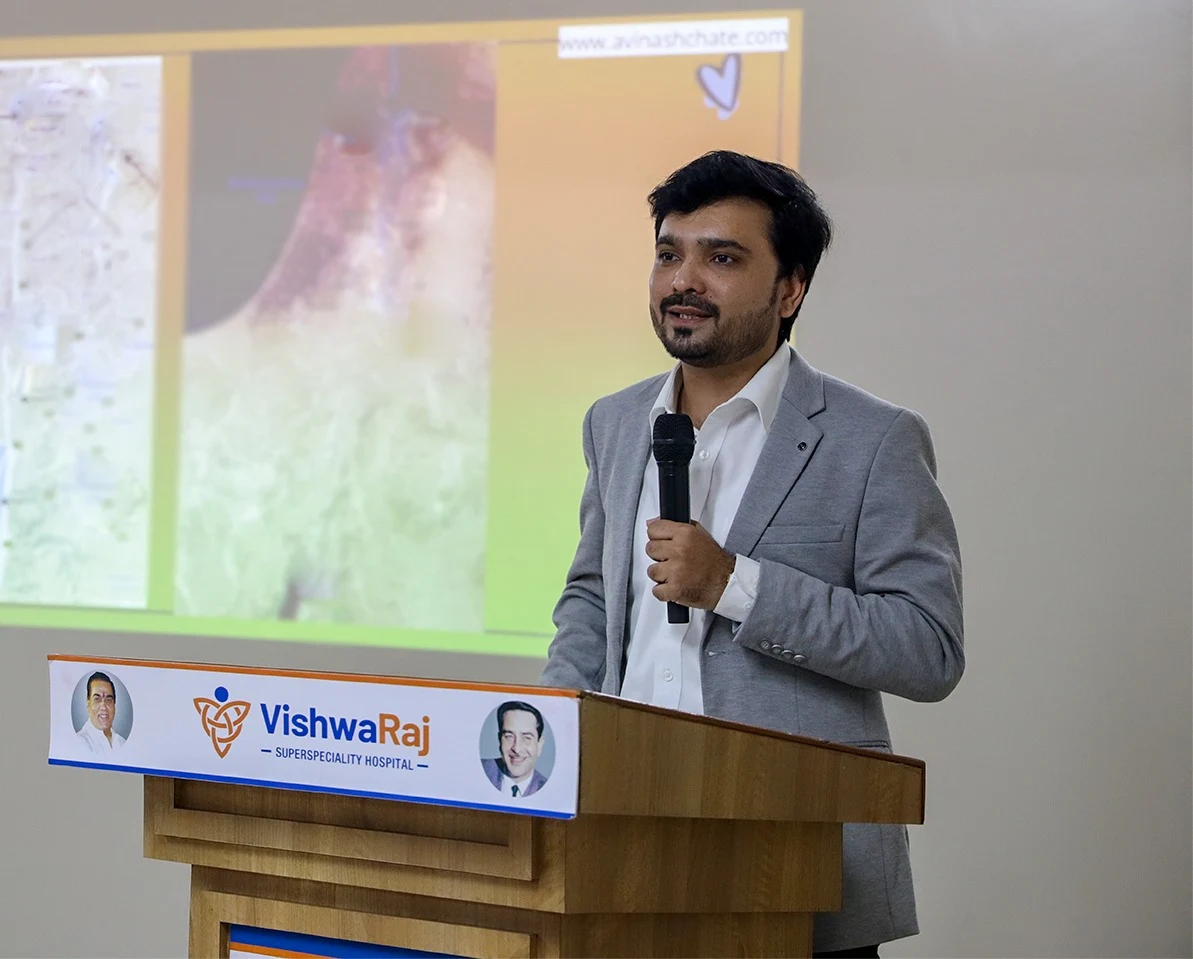
Avinash Chate - Corporate Coach at annual leadership conference
The Viral IKEA Strategy Every Manager Must Learn to Build OwnershipIn many organizations, I see the same pattern again and again. Leaders complain that employees follow instructions, but they do not take ownership. Tasks get completed, but without energy. Targets are accepted, but without commitment. Meetings happen, but execution remains average.
The real issue is often not competence. It is lack of involvement.
As Avinash Chate, I have seen this across teams, functions, and industries. When people are only told what to do, they may comply. But when they are involved in shaping the process, they begin to care more deeply about the outcome. That is where the IKEA Effect becomes a powerful management lesson.
The IKEA Effect is a simple but profound idea. People place higher value on what they help create. In the workplace, this means employees feel more connected to goals, systems, and solutions when they participate in building them. That emotional connection creates ownership. Ownership creates accountability. Accountability improves execution.
Over 15+ years of working with leaders and teams, I have found that this principle is not just interesting psychology. It is practical leadership. As a TEDx speaker and author of The Winning Edge, I believe every manager must understand this if they want stronger teams, better culture, and consistent results.
Why Employees Follow Instructions but Still Avoid Ownership
Many managers assume that if they have communicated clearly, their job is done. But clarity alone does not guarantee commitment. A team member may understand the task perfectly and still feel disconnected from it.
Why does this happen? Because ownership does not come from being informed. It comes from being involved.
When decisions are made at the top and pushed downward without discussion, employees often feel like implementers, not contributors. They do what is required, but they do not bring their best thinking, initiative, or emotional investment.
This is why some teams look disciplined on the surface but weak in execution underneath. They are compliant, not committed.
I have worked with organizations where leaders believed the problem was attitude. In reality, the process itself was reducing ownership. People had no voice in planning, no role in designing solutions, and no opportunity to influence outcomes. In such an environment, accountability naturally becomes low.
Avinash Chate often says in training sessions that people support what they help create. This is not a motivational slogan. It is a leadership principle.
What the IKEA Effect Teaches Managers
The IKEA Effect comes from a simple observation. When people assemble something themselves, they value it more than if it were handed to them ready-made. The effort creates attachment.
In management, this means that when employees contribute ideas, define milestones, identify risks, or co-create processes, they feel greater responsibility toward success. The work becomes theirs, not just the manager’s.
This does not mean leaders should stop leading. It means leaders should stop over-owning everything.
A manager who dictates every step may feel in control, but often ends up carrying the entire burden of execution. A manager who involves the team creates distributed ownership. That is smarter leadership.
For example, instead of announcing a new workflow and expecting instant adoption, involve the team in discussing bottlenecks, desired outcomes, and practical improvements. Instead of assigning targets in a one-way conversation, ask people how they would approach them, what support they need, and what obstacles they foresee.
When people participate in building the path, they are far more likely to walk it with commitment.
Involvement is not a soft idea. It is a strategic tool for building accountability.
How I Use the Involvement Advantage in Leadership Training
In my corporate training sessions, I teach leaders that ownership is rarely created through pressure alone. Pressure may produce urgency, but not always responsibility. If you want people to think like owners, you must treat them like contributors.
This is where the KITE Leadership Framework becomes relevant. One of the most important leadership shifts is moving from instruction-heavy management to engagement-driven leadership. Teams perform better when leaders create trust, invite participation, and encourage contribution.
I have seen this work in diverse settings, including with institutions such as Bajaj hospital, where team alignment, communication, and responsibility directly affect service quality. In high-stakes environments, involvement is not optional. It is essential.
When leaders involve employees in problem-solving, they unlock three powerful outcomes. First, people understand the context better. Second, they feel respected. Third, they become emotionally invested in making the solution work.
That is the involvement advantage.
Avinash Chate has trained leaders across 80+ organizations, and one lesson remains consistent: the more people feel ownership, the less managers need to chase execution. Teams become more proactive, more responsible, and more resilient.
Practical Ways Managers Can Apply This Strategy Immediately
If you are a manager, you do not need a massive organizational change to use this principle. You can start with small but meaningful shifts.
Ask for input before finalizing plans. Even limited participation increases commitment.
Let team members define part of the execution roadmap. This creates clarity and accountability.
Invite employees to identify risks and solutions. People support plans they help strengthen.
Use questions more often than commands. Questions create thinking. Commands create dependence.
Review outcomes together, not just individually. Shared reflection builds collective ownership.
These practices may seem simple, but their impact is significant. Many leaders underestimate how much motivation rises when people feel heard and involved.
At the same time, involvement does not mean endless discussion. Good managers know how to create participation without losing speed. The goal is not democracy in every decision. The goal is meaningful contribution where it matters most.
If your team lacks ownership today, ask yourself one honest question: are they resisting responsibility, or have they never truly been invited into the process?
Why This Matters More Than Ever in Modern Workplaces
Today’s workforce does not want to be treated like a machine that only executes instructions. People want meaning, voice, and a sense of contribution. This is true across industries and roles.
When organizations ignore this reality, they face disengagement, low initiative, and weak collaboration. When they embrace involvement, they create stronger culture and better performance.
This is also why related leadership ideas matter. If you want teams that speak up with courage and responsibility, I recommend reading Toyota’s Andon Cord Secret for Building Teams That Speak Up. If you want to understand how growth often comes from removing what no longer serves you, explore Stop Adding, Start Eliminating: The Real Growth Shift After 30. And if you work in healthcare or lead service-focused teams, you may find value in Corporate Training for Hospital and Healthcare Staff in Pune, Maharashtra.
Leadership today is not about having all the answers. It is about creating the conditions in which people give their best answers, best effort, and best commitment.
That is why the IKEA Effect is more than a viral idea. It is a practical reminder that involvement drives ownership, and ownership drives results.
The Leadership Shift I Want Every Manager to Make
If there is one message I want every manager to remember, it is this: stop trying to build commitment only through control. Build it through contribution.
As Avinash Chate, I have seen talented teams underperform simply because leaders kept ownership at the top. I have also seen ordinary teams achieve extraordinary execution when leaders involved them in building solutions.
The difference is not always talent. Often, it is design.
If you want more accountability, involve people earlier. If you want better execution, let people shape the process. If you want stronger ownership, give people something meaningful to own.
That is the true power of the IKEA strategy in management.
If you would like to build this mindset across your managers and teams, book a corporate training session. I would be glad to help your organization create a culture of ownership, accountability, and high performance.
Frequently Asked Questions
What is the IKEA Effect in management?
The IKEA Effect in management means people value and support work more when they help create it. When employees are involved in planning or problem-solving, they feel stronger ownership and responsibility.
How does involvement improve accountability?
Involvement improves accountability because people feel emotionally connected to decisions they helped shape. They are more likely to follow through, solve problems, and take responsibility for outcomes.
Can managers use this idea without slowing down decision-making?
Yes. Effective managers create focused participation, not endless discussion. They involve people where input matters most while still making timely decisions.
Is this strategy useful only for large organizations?
No. The involvement advantage works in teams of every size. Whether you lead a small unit or a large department, involving people in the process can improve commitment and execution.
How can I bring this approach into my organization?
Start by involving team members in planning, target-setting, and problem-solving. If you want structured support, you can book a corporate training session with Avinash Chate through the official website.
Related Articles by Avinash Chate
- The Untold Truth Behind UPSC and MPSC Failure: What 99% of Aspirants Are Never Told
- Motivational Speaker for Mumbai's Hybrid Work Challenges — Bridging the Office-WFH Divide in India's Corporate Capital
- Best Motivational Speaker in Maharashtra — Top 10 Trainers 2026
About the Author
Avinash Chate is a TEDx speaker, published author of The Winning Edge and The Unanswered, and founder of The Future Corporate & Business Coaching. With over 15 years of experience training 80+ organizations including Maharashtra Institute of Technology, Kaeser Compressors India, Daspati Maratha Charitable Trust Mumbai, MP REAL TECH PVT.LTD (Wilson), Avinash is recognized as Maharashtra's leading corporate trainer. He created the KITE Leadership Framework and the 25-Star Competency Framework™, delivering high-impact programs across leadership, team building, sales transformation, and emotional intelligence.
📞 +91 8793630001 | ✉️ connect@avinashchate.com | 🌐 avinashchate.com
Book Avinash Chate for Your Next Event
Maharashtra's #1 Corporate Trainer · India's leading Motivational Speaker & Team Building Expert · 2x TEDx · Available across India in English, Hindi & Marathi.
✅ Thanks! Avinash team will reach out within 24 hours.'}).catch(function(e){f.outerHTML='Something went wrong. WhatsApp +91 8793630001
'});return false;"> Select Service Motivational Speaking / Keynote Team Building Workshop Corporate Training / Leadership Development Manager Development Employee Training Outbound Training Book Avinash Now →Or WhatsApp directly: +91 87936 30001
Avinash Chate services
Corporate Trainer in Maharashtra · Top Corporate Trainers in Maharashtra · Leadership Trainer in Maharashtra · Top Leadership Trainers in Maharashtra · Team Building Trainer in Maharashtra · Top Team Building Trainers in Maharashtra · Motivational Speaker in Maharashtra · Top Motivational Speakers in Maharashtra · All service locations
← Back to all articles · Book Avinash Chate
By Avinash Chate — Maharashtra’s #1 Corporate Trainer & Motivational Speaker. .