Real Mentor कसा असतो?
अनेक संस्थांमध्ये कर्मचारी कंपनी सोडत नाहीत, ते बॉस सोडतात. चुकीचा मॅनेजर आत्मविश्वास कमी करतो, करिअरची प्रगती थांबवतो आणि मानसिक आरोग्यावरही परिणाम करतो. पण यो...
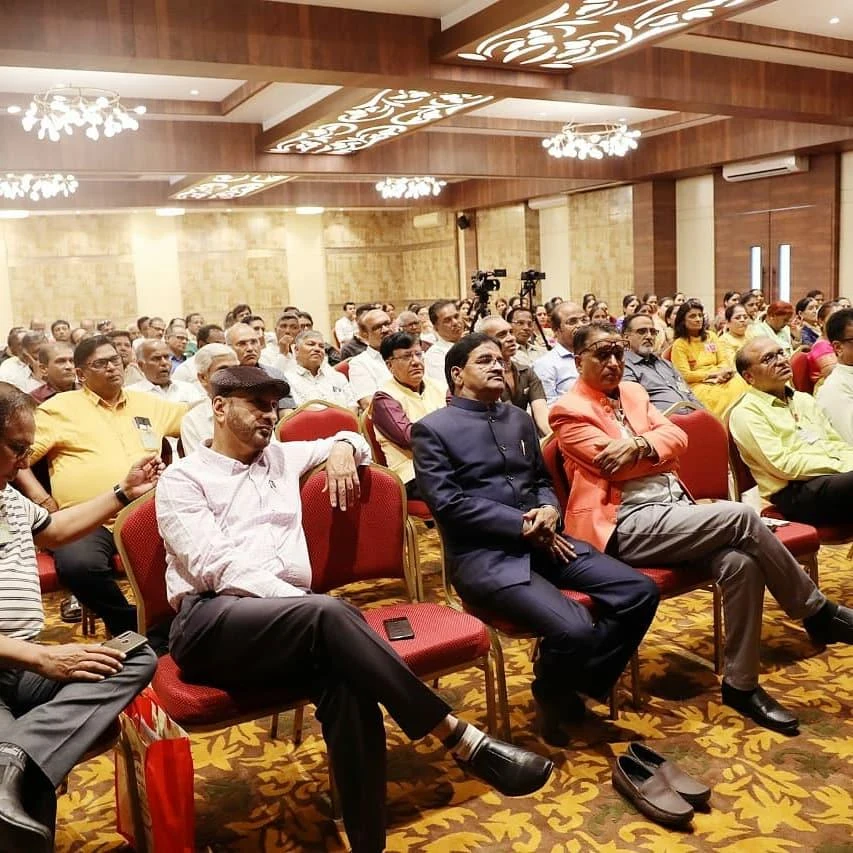
Avinash Chate - Corporate Training Expert at team building workshop
What a Real Mentor Looks Like in the Modern WorkplaceIn many organizations, people do not leave companies first. They leave the person they report to. I have seen this repeatedly in my work with leaders, managers, and teams across industries. A controlling boss can reduce confidence, block initiative, and create a culture of fear. A real mentor does the opposite. A real mentor helps people think clearly, perform consistently, and grow with dignity.
Key takeaway: A boss may demand output, but a mentor develops people. And when people grow, performance follows.
As a corporate trainer, TEDx speaker, and author of The Winning Edge, I, Avinash Chate, have worked with leaders from 80+ organizations and observed one truth very closely: teams rarely become exceptional because of pressure alone. They become exceptional when they are guided by someone who combines accountability with trust.
That is why this conversation matters. If you are a manager, team leader, entrepreneur, educator, or aspiring professional, understanding the difference between a dictator-style boss and a real mentor can transform your workplace relationships and results.
The Difference Between a Boss and a Mentor
A boss may focus only on authority. A mentor focuses on influence. A boss may say, “Do it because I said so.” A mentor says, “Let me help you understand why this matters and how you can do it better.”
The difference is not in designation. It is in behavior.
A dictator-style manager often depends on fear, constant monitoring, public criticism, and emotional pressure. Such leaders may believe they are maintaining discipline, but in reality they are weakening ownership. When people feel watched all the time, they stop thinking independently. When they are criticized unfairly, they stop taking initiative.
A real mentor, on the other hand, creates clarity without creating fear. They set expectations, give direction, and still leave room for learning. They correct mistakes, but they do not attack identity. They challenge people, but they do not humiliate them.
In my sessions, I often say that leadership is not about controlling hands. It is about developing minds. That is where mentoring begins.
Behaviors That Break Teams
Let us be honest. Teams do not break overnight. They break slowly through repeated leadership mistakes.
One of the most damaging habits is micromanagement. When a manager interferes in every small decision, employees begin to doubt themselves. Their confidence falls. Their creativity disappears. Their sense of responsibility weakens because they know they will not be trusted anyway.
Another toxic behavior is taking credit for the team’s work. Nothing destroys morale faster than a leader who enjoys praise publicly but avoids responsibility when things go wrong. A real mentor shares success and owns failure. A weak boss does the opposite.
Favoritism is equally dangerous. When opportunities, appreciation, and visibility are given only to a selected few, the rest of the team stops believing in fairness. Once fairness disappears, engagement follows.
Then there is fear-based leadership. Some managers believe that if employees are afraid, they will perform better. This may produce short-term compliance, but it never creates long-term commitment. Fear can force attendance. It cannot inspire excellence.
I have seen this pattern in organizations where talented people slowly become silent, detached, and risk-averse. Their capability does not disappear. Their environment suppresses it.
A weak leader creates dependence. A real mentor creates confidence, capability, and character.
The Qualities of a Real Mentor
A real mentor begins with trust. Trust does not mean lowering standards. It means believing that people can learn, improve, and contribute meaningfully. When team members feel trusted, they become more responsible. They do not just complete tasks. They begin to own outcomes.
The second quality is clear communication. Mentors do not leave people confused. They explain expectations, define priorities, and provide useful feedback. They know that confusion creates anxiety, while clarity creates momentum. If this is an area you want to improve, I recommend reading Why You Stay Silent in Meetings and How to Speak with Confidence.
The third quality is fairness. A real mentor does not play favorites. They evaluate performance honestly, appreciate effort sincerely, and create equal respect across the team. Fairness is not a soft quality. It is a leadership strength.
The fourth quality is a growth mindset. Mentors do not label people too quickly. They do not decide that one person is always brilliant and another is always average. They understand that performance can improve with coaching, exposure, and practice.
In my work, I often connect this with the KITE Leadership Framework, which emphasizes leadership that is rooted in knowledge, inspiration, trust, and execution. When leaders build trust and inspire growth, they create environments where people feel safe enough to perform and strong enough to stretch themselves.
The fifth quality is emotional maturity. Mentors do not react impulsively to every issue. They listen. They ask questions. They separate the person from the problem. This maturity helps them guide teams through pressure without spreading panic.
How Real Mentors Turn Employees into Star Performers
Star performers are not always born with extraordinary confidence. Many of them are shaped by the right mentoring environment.
I have seen average employees become outstanding contributors when someone finally believed in them, coached them consistently, and gave them room to grow. A real mentor identifies potential before it becomes visible to everyone else.
They do this in practical ways. They give stretch assignments. They offer timely feedback. They help team members reflect on mistakes without feeling defeated. They ask, “What did you learn?” instead of only asking, “Why did this happen?”
They also help people build visibility. A mentor does not hide talent. They create opportunities for team members to present, lead discussions, solve problems, and represent the team with confidence.
This is especially important in workplaces where many capable professionals hesitate to speak up. If leaders want stronger teams, they must create psychological safety. People should not feel that one wrong sentence will damage their image forever.
That is why communication and mentoring are deeply connected. For leaders managing diverse teams, Strategies for Communicating Effectively with Multigenerational Workforces offers useful insight into building stronger understanding across age groups and work styles.
When mentoring is done well, people do not just become better at work. They become better at decision-making, collaboration, resilience, and self-belief. That is the true value of leadership.
What Managers Must Start Doing Today
If you are in a leadership role, ask yourself a few honest questions. Do people feel safe bringing problems to you? Do they leave your conversations with more clarity or more confusion? Are you developing independent thinkers or dependent followers?
To become a real mentor, start with simple but powerful practices.
- Listen fully before responding.
- Correct in private and appreciate in public.
- Give feedback that is specific, respectful, and actionable.
- Set standards clearly, but avoid unnecessary control.
- Recognize effort as well as results.
- Create equal opportunity for learning and visibility.
- Ask coaching questions instead of giving orders all the time.
These actions may look basic, but they shape culture every day. Teams do not trust leaders because of titles. They trust leaders because of repeated behavior.
I have shared similar perspectives in my work as Avinash Chate, because leadership is not a theory for me. It is something I have seen transform classrooms, boardrooms, shop floors, and management teams. In one engagement with Veritas Engineering & Erectors, the emphasis on people development, communication, and ownership reinforced an important truth: when leaders focus on human growth, business performance becomes more sustainable.
If you are looking to strengthen leadership culture further, you may also explore Best Motivational Speaker in Kolhapur for Industry and Education Events for broader perspective on impactful learning experiences.
The Workplace Future Belongs to Mentors, Not Controllers
The modern workplace does not need more intimidation. It needs more intention. It does not need more managers who dominate conversations. It needs more leaders who develop people.
Today’s professionals want challenge, but they also want respect. They want accountability, but they also want fairness. They want performance expectations, but they also want guidance. This is not weakness. This is maturity in the workplace.
Real mentors understand that leadership is not proven by how many people obey you. It is proven by how many people grow because of you.
As Avinash Chate, I strongly believe that every leader has a choice. You can create fear and get compliance. Or you can create trust and build commitment. One gives you temporary control. The other gives you lasting impact.
If you want your team to become stronger, do not ask only how to manage them better. Ask how to mentor them better.
And if you want to build a culture of confidence, communication, accountability, and growth in your organization, book a corporate training session. As a TEDx speaker and author of The Winning Edge, I, Avinash Chate, work with organizations to build human excellence where it matters most: in the mindset, behavior, and performance of people.
Frequently Asked Questions
What is the difference between a boss and a real mentor?
A boss may focus mainly on authority and task completion, while a real mentor focuses on development, trust, guidance, and long-term growth. Mentors help people improve their thinking, confidence, and performance.
Why do employees leave managers more often than companies?
Employees often leave when they experience poor communication, favoritism, micromanagement, lack of recognition, or fear-based leadership. A bad reporting relationship can affect confidence, motivation, and emotional well-being.
How can a manager become a better mentor?
Managers can become better mentors by listening actively, setting clear expectations, giving constructive feedback, treating team members fairly, recognizing effort, and creating opportunities for learning and ownership.
Does mentoring improve team performance?
Yes. Good mentoring improves confidence, accountability, communication, and problem-solving. When people feel trusted and guided, they are more likely to take initiative and perform at a higher level.
Can corporate training help leaders develop mentoring skills?
Absolutely. Corporate training can help leaders strengthen communication, emotional intelligence, feedback skills, team management, and people development practices that are essential for becoming effective mentors.
Related Articles by Avinash Chate
- Motivational Speaker for Pune BPO and KPO Night-Shift Teams — Combating Burnout and Boosting Engagement
- Micro Management vs Ownership: Lessons for Maharashtra's Corporate Leaders
- When the Hunger for Power Kills Humanity
About the Author
Avinash Chate is a TEDx speaker, published author of The Winning Edge and The Unanswered, and founder of The Future Corporate & Business Coaching. With over 15 years of experience training 80+ organizations including Mahalaxmi Automotives Pvt Ltd, Institute of Company Secretaries of India, Sports Authority of India, Nestle, Avinash is recognized as Maharashtra's leading corporate trainer. He created the KITE Leadership Framework and the 25-Star Competency Framework™, delivering high-impact programs across leadership, team building, sales transformation, and emotional intelligence.
📞 +91 8793630001 | ✉️ connect@avinashchate.com | 🌐 avinashchate.com
Book Avinash Chate for Your Next Event
Maharashtra's #1 Corporate Trainer · India's leading Motivational Speaker & Team Building Expert · 2x TEDx · Available across India in English, Hindi & Marathi.
✅ Thanks! Avinash team will reach out within 24 hours.'}).catch(function(e){f.outerHTML='Something went wrong. WhatsApp +91 8793630001
'});return false;"> Select Service Motivational Speaking / Keynote Team Building Workshop Corporate Training / Leadership Development Manager Development Employee Training Outbound Training Book Avinash Now →Or WhatsApp directly: +91 87936 30001
Avinash Chate services
Corporate Trainer in Maharashtra · Top Corporate Trainers in Maharashtra · Leadership Trainer in Maharashtra · Top Leadership Trainers in Maharashtra · Team Building Trainer in Maharashtra · Top Team Building Trainers in Maharashtra · Motivational Speaker in Maharashtra · Top Motivational Speakers in Maharashtra · All service locations
← Back to all articles · Book Avinash Chate
By Avinash Chate — Maharashtra’s #1 Corporate Trainer & Motivational Speaker. .