Detroit Bankruptcy मधून Leadership चा खरा धडा
फक्त नफ्यावर लक्ष केंद्रित करणाऱ्या कंपन्यांमध्ये अनेकदा कर्मचाऱ्यांचा उत्साह कमी होतो, संस्कृती कमकुवत होते आणि दीर्घकालीन वाढ थांबते. खरा प्रश्न असा आहे की व्...
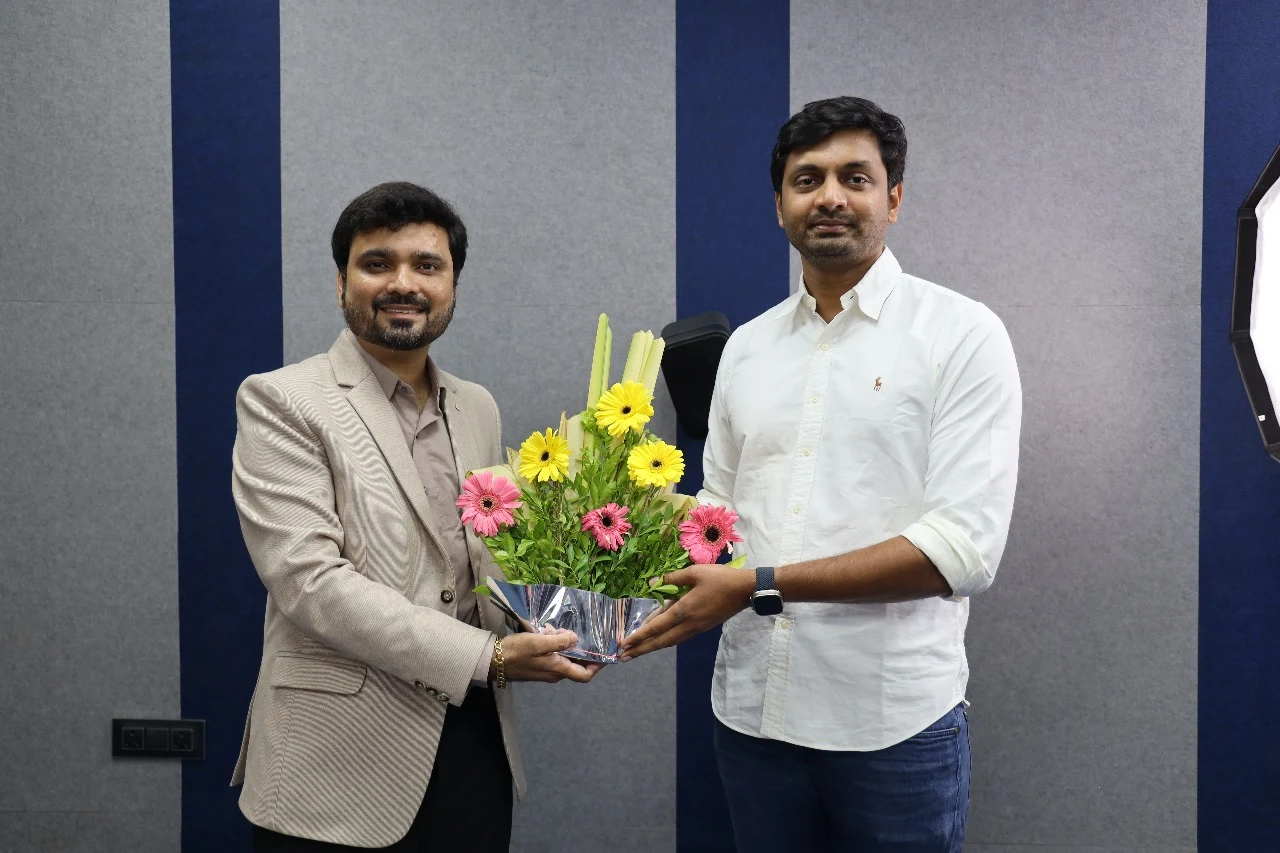
Avinash Chate - Top Motivational Speaker at corporate training program
What Detroit’s Bankruptcy Taught Me About Real LeadershipAs a leadership trainer, I have seen one pattern repeat itself across industries: organizations that chase profit alone may grow fast for a while, but they rarely build energy, loyalty, or legacy. The story of Detroit’s bankruptcy and revival reminded me of a deeper truth. Leadership is not only about saving a balance sheet. It is about restoring belief.
Key takeaway: real leadership begins when we stop asking, “How much can we extract?” and start asking, “What can we build that outlives us?”
That is why this story matters so much to me. It is not just about a city in crisis. It is about what happens when a leader and an organization choose courage over convenience, contribution over short-term optics, and vision over fear.
When I reflect on Detroit, I do not see only bankruptcy. I see a leadership case study. I see what becomes possible when business growth and social responsibility are not treated as opposites. I see a model that leaders across India can learn from, whether they run a startup, a manufacturing unit, a school, or a large enterprise.
As Avinash Chate, a TEDx speaker and author of The Winning Edge, I often tell leaders that the strongest organizations are built from the inside out. The external numbers matter, but internal belief matters more. Detroit’s story proves that point beautifully.
Why Detroit’s Crisis Is Really a Leadership Story
When a city goes bankrupt, most people see failure at scale. They see broken systems, declining confidence, and economic collapse. But I believe leadership reveals itself most clearly in moments like these. Crisis strips away slogans. It exposes priorities.
In many companies, I notice a dangerous habit. Leaders say they value people, but their decisions communicate something else. They reward only short-term results, ignore community impact, and overlook culture until disengagement becomes impossible to miss. Then they wonder why innovation slows down and trust disappears.
Detroit’s fall is a warning for every leader: if systems are built without human purpose, decline is only a matter of time.
Its revival, however, offers hope. The turnaround was not created by speeches alone. It came from deliberate investment, visible commitment, and the willingness to rebuild confidence where others saw only risk. That is the essence of leadership.
When leaders invest in people and place, they do not just revive performance. They revive possibility.
I have shared similar lessons in my sessions with leaders from 80+ organizations. Whether I am speaking to managers, entrepreneurs, or educators, one principle remains constant: people give their best when they feel they are building something meaningful.
The Quicken Loans Lesson: Growth and Responsibility Can Coexist
One of the most powerful aspects of this story is how Quicken Loans became part of Detroit’s renewal. Instead of treating the city’s decline as someone else’s problem, the organization chose to invest in the ecosystem around it. That is a rare mindset.
Many businesses still operate with a narrow question: “What is the return on this quarter’s investment?” Stronger leaders ask a broader question: “What future are we helping create?”
That shift changes everything.
When an organization invests in the community, it strengthens its own foundation. Better environments attract better talent. Stronger trust creates stronger collaboration. A sense of mission improves retention, innovation, and resilience. In other words, responsibility is not a distraction from growth. It is often the engine of sustainable growth.
This is where I see a major leadership lesson for Indian businesses. We do not need to choose between profitability and purpose. We need to learn how to align them. The best organizations understand that business success becomes more durable when it creates value beyond the boardroom.
That is also why I encourage leaders to think beyond incentives and targets. If you want people to stay committed during difficult times, they must believe they are part of something larger than revenue. They must feel that their work matters.
In my own work, Avinash Chate has consistently emphasized this idea: leadership is not about occupying a position. It is about expanding impact.
What Leaders Must Stop Doing in Times of Pressure
Pressure does not destroy culture overnight. It reveals the culture that already exists. When times get tough, weak leadership becomes more transactional. Communication becomes guarded. Empathy disappears. Teams are pushed harder, but inspired less.
I have seen leaders make three common mistakes during challenging phases.
- They focus only on numbers and forget the emotional state of the team.
- They cut trust-building behaviors because they seem “non-essential.”
- They expect ownership from employees without giving them purpose, clarity, or voice.
These mistakes are costly. A team can survive pressure, but it struggles to survive meaninglessness.
That is why I often use the KITE Leadership Framework in my leadership conversations. A leader must create clarity, inspire trust, take initiative, and energize execution. In a crisis, these are not soft qualities. They are strategic necessities.
Detroit’s turnaround was not just about money flowing back into a city. It was about confidence returning. It was about people beginning to believe that decline was not permanent. Every leader should ask: does my presence create that kind of belief in my team?
If the answer is no, then the problem is not only operational. It is leadership-related.
How I Apply This Lesson in Corporate Training
In my training programs, I often remind leaders that culture is built through repeated behavior, not occasional intention. If you want a committed workforce, you cannot lead only through review meetings and performance dashboards. You must lead through meaning, consistency, and visible care.
I have seen this principle resonate across very different sectors. For example, when working with institutions such as Gurukul English School, the conversation around leadership goes far beyond administration. It includes ownership, role modeling, student impact, and long-term culture. The same thinking applies in corporate environments as well.
Leaders who create transformation do a few things exceptionally well. They communicate a larger purpose. They connect individual effort to collective progress. They take responsibility for the environment people work in. Most importantly, they do not wait for ideal conditions to begin doing the right thing.
That is the practical value of stories like Detroit’s. They are not just inspiring. They are instructional.
If you want to build future-ready managers, I recommend reading Leadership Development Training in Pune — Building Future-Ready Managers. If your focus is team morale and participation, explore 10 Ways to Enhance Employee Engagement Through Corporate Training in Kolhapur. And if you want a sharp perspective on how leaders grow by taking ownership, read Hilti’s Headache Transfer Strategy: Why Smart Employees Get Promotions Faster.
The Real Measure of Leadership Is Legacy
I believe this is the most important lesson from Detroit. Leadership should not be measured only by quarterly outcomes. It should be measured by what remains stronger because you led.
Did people grow under your leadership?
Did trust increase?
Did the culture become more resilient?
Did your organization create value for the wider system it depends on?
These are not abstract questions. They are practical indicators of whether your leadership is building a future or merely managing the present.
As Avinash Chate, I have always believed that every leader leaves a signature. Some leave targets achieved. Others leave teams exhausted. A few leave institutions stronger, people more confident, and communities more hopeful. That is the signature worth striving for.
Being a TEDx speaker and author of The Winning Edge has given me the opportunity to interact with leaders from many walks of life. The most respected among them are rarely the loudest. They are the ones who understand that leadership is stewardship. They know they are temporary custodians of something larger than themselves.
Detroit’s story reminds us that revival is possible when leaders think this way.
My Final Thought for Leaders Who Want to Build Something That Lasts
If you are leading a team, a business, or an institution today, ask yourself one honest question: am I creating value only for the organization, or also for the people and ecosystem that make the organization possible?
Your answer will reveal the depth of your leadership.
In difficult times, it is easy to become defensive, narrow, and numbers-driven. But great leaders expand their lens. They understand that people do not commit deeply to extraction. They commit deeply to purpose.
That is why the Detroit lesson is so relevant. It shows us that bold leadership is not just about surviving collapse. It is about rebuilding faith. It is about choosing to contribute when retreat would be easier. It is about creating a legacy that benefits both business and society.
If that is the kind of leadership you want to build in your organization, I would be glad to help. Book a corporate training session and let us work on developing leaders who do not just deliver results, but create lasting impact.
Frequently Asked Questions
What is the main leadership lesson from Detroit’s bankruptcy?
The biggest lesson is that leadership is not only about financial recovery. It is about restoring trust, purpose, and belief. Sustainable success comes when leaders invest in people, culture, and community along with business performance.
Why is community investment important for business leaders?
Community investment strengthens the ecosystem in which a business operates. It improves trust, attracts talent, and supports long-term growth. Leaders who think beyond short-term profit often build more resilient organizations.
How can leaders balance profit and purpose?
Leaders can balance profit and purpose by aligning business goals with human impact. This means making decisions that drive performance while also strengthening culture, employee commitment, and stakeholder trust.
What is the KITE Leadership Framework?
The KITE Leadership Framework focuses on clarity, trust, initiative, and energized execution. It helps leaders create direction, build confidence, and move teams toward meaningful results, especially during uncertainty.
How can I bring these leadership lessons into my organization?
Start by improving communication, connecting work to purpose, and building a culture of ownership. Leadership development programs can help managers apply these principles consistently. You can also book a corporate training session to build these capabilities across your team.
Related Articles by Avinash Chate
- The Untold Truth Behind UPSC and MPSC Failure: What 99% of Aspirants Are Never Told
- Motivational Speaker for Mumbai's Hybrid Work Challenges — Bridging the Office-WFH Divide in India's Corporate Capital
- Best Motivational Speaker in Maharashtra — Top 10 Trainers 2026
About the Author
Avinash Chate is a TEDx speaker, published author of The Winning Edge and The Unanswered, and founder of The Future Corporate & Business Coaching. With over 15 years of experience training 80+ organizations including Global-Tech India Pvt Ltd, JM Aluext Profiles Pvt Ltd, Atlantis Group, Ferrero Rocher, Avinash is recognized as Maharashtra's leading corporate trainer. He created the KITE Leadership Framework and the 25-Star Competency Framework™, delivering high-impact programs across leadership, team building, sales transformation, and emotional intelligence.
📞 +91 8793630001 | ✉️ connect@avinashchate.com | 🌐 avinashchate.com
Book Avinash Chate for Your Next Event
Maharashtra's #1 Corporate Trainer · India's leading Motivational Speaker & Team Building Expert · 2x TEDx · Available across India in English, Hindi & Marathi.
✅ Thanks! Avinash team will reach out within 24 hours.'}).catch(function(e){f.outerHTML='Something went wrong. WhatsApp +91 8793630001
'});return false;"> Select Service Motivational Speaking / Keynote Team Building Workshop Corporate Training / Leadership Development Manager Development Employee Training Outbound Training Book Avinash Now →Or WhatsApp directly: +91 87936 30001
Avinash Chate services
Corporate Trainer in Maharashtra · Top Corporate Trainers in Maharashtra · Leadership Trainer in Maharashtra · Top Leadership Trainers in Maharashtra · Team Building Trainer in Maharashtra · Top Team Building Trainers in Maharashtra · Motivational Speaker in Maharashtra · Top Motivational Speakers in Maharashtra · All service locations
← Back to all articles · Book Avinash Chate
By Avinash Chate — Maharashtra’s #1 Corporate Trainer & Motivational Speaker. .