Harry Brook Controversy Teaches a Dangerous Corporate Leadership Lesson
In every workplace, high performance often gets celebrated. But what happens when performance turns into arrogance? Many professionals struggle with this silent...
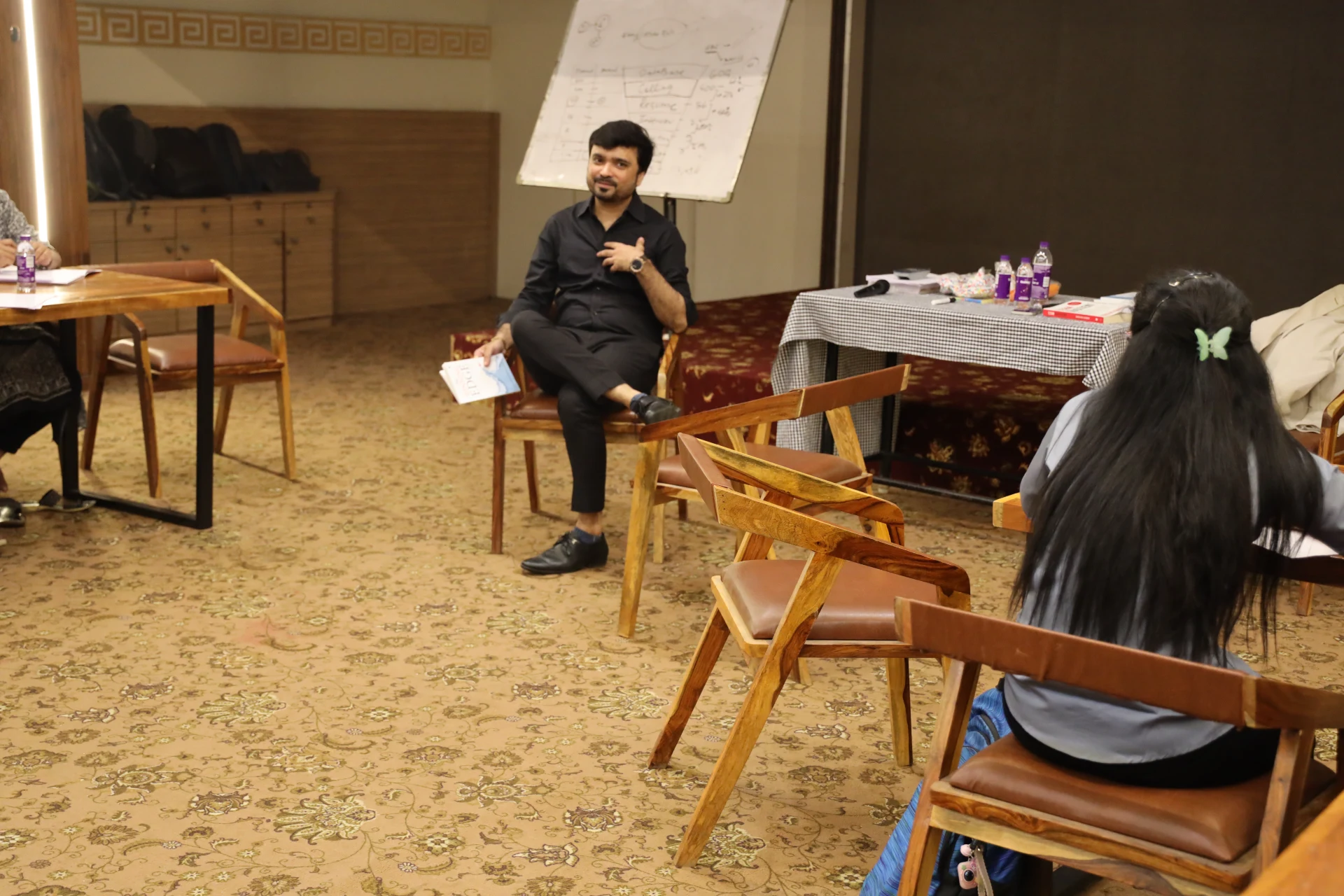
Avinash Chate - Leadership Coach at employee engagement session
When High Performance Turns Into Arrogance: A Leadership Lesson Every Professional Must LearnIn every workplace, performance gets noticed. Targets get celebrated. Results get rewarded. But there is one dangerous shift that many leaders fail to detect early: when confidence slowly turns into arrogance.
As I often say in my corporate training sessions, high performance is an asset, but unchecked ego is a liability. Key takeaway: the best professionals do not just deliver results, they create respect, trust, and emotional safety around their success.
This is exactly why the recent public controversy around a star performer’s aggressive celebration offers a deeper lesson for all of us in leadership and professional life. The issue is not only about winning. The issue is about how we carry ourselves when we win.
I am Avinash Chate, a TEDx speaker and author of The Winning Edge, and over 15+ years of working with leaders, managers, sales teams, and high-potential professionals, I have seen one pattern repeatedly: people rarely lose trust because they are weak performers; they lose trust because success changes their behaviour.
Whether I am speaking to senior leaders, frontline managers, or young professionals, I remind them that performance may get you applause, but character gets you long-term influence.
Why arrogance is more dangerous than poor performance
Poor performance is visible. It gets measured. It gets discussed. It gets corrected. Arrogance is far more dangerous because it often hides behind achievement.
When someone is delivering numbers, closing deals, winning business, or outperforming peers, organisations often ignore warning signs in behaviour. They excuse disrespect. They tolerate dismissive communication. They overlook emotional damage caused to colleagues. Slowly, the team starts receiving a dangerous message: results matter more than values.
That is the beginning of cultural decline.
I have seen this in many organisations. One star performer starts believing that rules are for others. Feedback becomes unacceptable to them. Collaboration drops. Humility disappears. Team members stop speaking honestly. Managers become hesitant to correct them because they fear losing output.
But the hidden cost is huge. Morale drops. Silent resentment grows. Trust weakens. Team unity suffers.
In my experience, arrogance does not just damage relationships. It damages performance sustainability.
When achievement creates distance instead of inspiration, leadership has already started failing.
The difference between confidence and arrogance
This is where many professionals get confused. They ask me, “Isn’t confidence necessary for success?” Absolutely, yes. In fact, I actively teach confidence-building in my leadership and motivation programs. But confidence and arrogance are not the same.
Confidence says, “I know my strengths, and I will use them well.” Arrogance says, “My strengths make me superior to others.”
Confidence earns respect. Arrogance demands attention.
Confidence invites teamwork. Arrogance weakens teamwork.
Confidence remains grounded even in victory. Arrogance uses victory to dominate.
As Avinash Chate, I believe one of the most important leadership capabilities is emotional discipline in moments of success. Most people prepare themselves for failure. Very few prepare themselves for success. But success tests maturity in a different way.
Can you win without humiliating others? Can you outperform without becoming insensitive? Can you celebrate without appearing disrespectful?
Those questions define leadership quality.
What leaders must do when star performers become difficult
One of the biggest mistakes leaders make is protecting high performers from behavioural accountability. They assume, “Let us not upset them. They are too valuable.” But that short-term thinking creates long-term damage.
Strong leaders do not choose between performance and culture. They protect both.
In my sessions with organisations, including respected institutions like the Sports Authority of India, I speak about the need to build professionals who are both competent and emotionally responsible. Winning matters. Excellence matters. But how people behave while winning matters just as much.
This is where the KITE Leadership Framework becomes powerful. I often use this framework to help leaders develop sustainable influence. KITE stands for keeping people inspired, intentional, trustworthy, and empowered through daily behaviour. A leader who applies this mindset does not get blinded by output alone. They observe the emotional effect a person has on the team.
If a star performer is creating discomfort, leaders must act early. That action should include:
- Clear feedback about the difference between strong performance and unacceptable behaviour.
- Consistent standards so nobody feels some people are above values.
- Coaching conversations that focus on self-awareness, humility, and team impact.
- Recognition systems that reward collaboration, respect, and leadership behaviour, not just numbers.
- Role modelling from senior leaders who show that dignity matters in every interaction.
If leaders delay these conversations, they silently train the organisation to admire ego.
How arrogance quietly damages teams
Many people think arrogance is a personal flaw. In reality, it becomes a team problem very quickly.
When one person becomes overly aggressive, dismissive, or self-absorbed, others begin adjusting their behaviour around them. Some withdraw. Some stop contributing ideas. Some avoid healthy disagreement. Some start competing emotionally instead of collaborating professionally.
This creates a culture where people are present physically but absent psychologically.
As Avinash Chate, I have worked with leaders across 80+ organizations, and one lesson stands out clearly: teams do not break only because of weak strategy; they often break because of unhealthy behaviour patterns that go unaddressed.
A team thrives when members feel respected. It thrives when success is shared. It thrives when communication remains mature, especially in moments of pressure and victory. If one person’s brilliance starts making others feel smaller, the team eventually pays the price.
This is why I strongly encourage professionals to build inner maturity alongside outer achievement. If you want to grow in your career, do not ask only, “How can I become more successful?” Also ask, “How do people feel after interacting with me?”
That question can transform your leadership journey.
If this idea resonates with you, I also recommend reading How to Earn Respect and Support in the Workplace Without Chasing Approval, where I discuss how real respect is built through behaviour, not image.
The self-check every professional needs after success
Success can intoxicate. Appreciation can distort self-perception. Recognition can reduce openness to feedback. That is why every professional needs a self-check system.
Whenever you achieve something significant, pause and ask yourself:
- Am I becoming more humble or more entitled?
- Am I inspiring people or intimidating them?
- Am I celebrating achievement or displaying superiority?
- Am I still open to feedback?
- Am I helping the team grow with me?
These questions are simple, but they are powerful.
I often tell professionals that maturity is not tested when you are ignored. It is tested when you are praised. Anyone can stay grounded when nobody is clapping. The real challenge is staying grounded when everyone is watching.
This is also connected to resilience and emotional balance. When identity becomes dependent on constant victory, behaviour often becomes reactive and inflated. But when identity is rooted in values, success becomes easier to handle with grace. You may also find value in Building Resilience in the Pune Manufacturing Workforce: Motivational Speaking for Pimpri-Chinchwad Industrial Belt, because resilience is not only about handling setbacks; it is also about handling success with balance.
Leadership lesson: win with class, lead with humility
The real lesson here is simple but powerful. Your performance may make you visible, but your humility makes you trustworthy.
In today’s workplace, organisations do not just need achievers. They need emotionally mature achievers. They need professionals who can compete fiercely without becoming disrespectful. They need leaders who know how to celebrate success without creating discomfort, insecurity, or resentment around them.
As a TEDx speaker, author of The Winning Edge, and someone deeply committed to people development, I believe this is one of the most urgent conversations in corporate leadership today. We must stop glorifying behaviour that damages team culture just because it comes attached to performance.
Avinash Chate believes that excellence is complete only when it includes humility, discipline, and respect for others. If your success makes people feel inspired, you are growing. If your success makes people feel diminished, you need reflection.
That is the dangerous corporate leadership lesson we must all remember.
If you want to build leaders and teams who perform with maturity, communicate with respect, and grow without ego, explore Best Motivational Speaker in Maharashtra — Top 10 Trainers 2026 and book a corporate training session with me.
Frequently Asked Questions
How can leaders identify when confidence is turning into arrogance?
Leaders should observe changes in communication, openness to feedback, respect for colleagues, and willingness to collaborate. When success starts producing dismissive behaviour or emotional discomfort in the team, confidence may be turning into arrogance.
Why do organisations tolerate arrogant high performers?
Many organisations fear losing short-term results, so they ignore behavioural issues. However, this creates a damaging culture where people start believing that values matter less than output.
Can arrogant behaviour affect team performance even if results are strong?
Yes. Arrogance reduces trust, weakens collaboration, discourages honest communication, and creates silent resentment. Over time, these factors reduce team effectiveness and morale.
What should a manager say to a star performer showing arrogant behaviour?
A manager should give clear, respectful, and specific feedback. The conversation should acknowledge performance while firmly addressing the behavioural impact on the team and reinforcing expected standards.
How can professionals stay humble after success?
They can stay humble by seeking feedback, sharing credit, reflecting on team contribution, and remembering that long-term influence comes from both achievement and character.
Related Articles by Avinash Chate
- The Untold Truth Behind UPSC and MPSC Failure: What 99% of Aspirants Are Never Told
- Motivational Speaker for Mumbai's Hybrid Work Challenges — Bridging the Office-WFH Divide in India's Corporate Capital
- Best Motivational Speaker in Maharashtra — Top 10 Trainers 2026
About the Author
Avinash Chate is a TEDx speaker, published author of The Winning Edge and The Unanswered, and founder of The Future Corporate & Business Coaching. With over 15 years of experience training 80+ organizations including Global-Tech India Pvt Ltd, Bangdiwala Group, Prism Johnson Limited, Mauli Sahkari Patsanstha Marya, Avinash is recognized as Maharashtra's leading corporate trainer. He created the KITE Leadership Framework and the 25-Star Competency Framework™, delivering high-impact programs across leadership, team building, sales transformation, and emotional intelligence.
📞 +91 8793630001 | ✉️ connect@avinashchate.com | 🌐 avinashchate.com
Book Avinash Chate for Your Next Event
Maharashtra's #1 Corporate Trainer · India's leading Motivational Speaker & Team Building Expert · 2x TEDx · Available across India in English, Hindi & Marathi.
✅ Thanks! Avinash team will reach out within 24 hours.'}).catch(function(e){f.outerHTML='Something went wrong. WhatsApp +91 8793630001
'});return false;"> Select Service Motivational Speaking / Keynote Team Building Workshop Corporate Training / Leadership Development Manager Development Employee Training Outbound Training Book Avinash Now →Or WhatsApp directly: +91 87936 30001
Avinash Chate services
Corporate Trainer in Maharashtra · Top Corporate Trainers in Maharashtra · Leadership Trainer in Maharashtra · Top Leadership Trainers in Maharashtra · Team Building Trainer in Maharashtra · Top Team Building Trainers in Maharashtra · Motivational Speaker in Maharashtra · Top Motivational Speakers in Maharashtra · All service locations
← Back to all articles · Book Avinash Chate
By Avinash Chate — Maharashtra’s #1 Corporate Trainer & Motivational Speaker. .