एका साध्या demo ने NASA ला कसं जागं केलं
कामाच्या ठिकाणी काही चूक झाली की अनेक वेळा सत्य शोधण्याऐवजी प्रणाली व वरिष्ठ निर्णय वाचवण्यावर भर दिला जातो. १९८६ मधील चॅलेंजर शटल दुर्घटनेनंतरही हेच घडले. नासा...
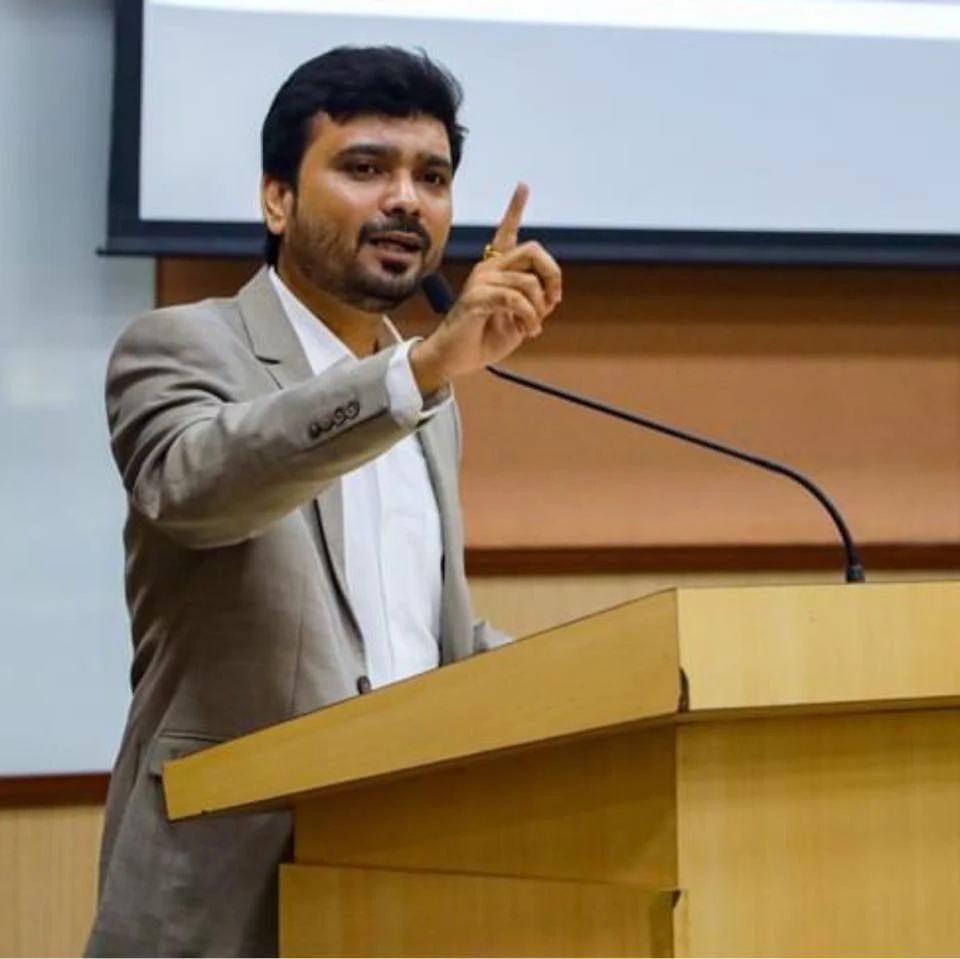
Avinash Chate - TEDx Speaker delivering keynote at corporate event
When One Simple Demonstration Exposes the Truth at WorkIn every workplace, there comes a moment when facts and ego collide. A mistake happens, a project fails, a client is unhappy, or a team misses a critical commitment. What happens next reveals the true culture of the organization. Do people honestly search for the truth, or do they try to protect decisions, positions, and reputations?
My key takeaway is simple: strong organizations do not fear uncomfortable truth; they use it to grow stronger.
As Avinash Chate, I have seen this pattern repeatedly while working with leaders and teams across 80+ organizations. Very often, the real problem is not the mistake itself. The real problem is the resistance to accepting what the mistake is trying to teach us.
A famous historical incident reminds us of this powerfully. After a major failure, many voices tried to defend existing decisions and explanations. But one simple demonstration made the truth impossible to ignore. No complicated language. No emotional drama. Just clear evidence. That is a lesson every professional, manager, and business leader must remember.
When evidence is clear, courage means accepting it quickly, learning from it deeply, and acting on it honestly.
Why organizations often avoid the real truth
Let us be honest. Most workplace failures are not caused only by lack of skill. They are often made worse by fear. People fear blame. Managers fear loss of credibility. Senior leaders fear reputational damage. Teams fear conflict. Because of this, the conversation shifts from What really happened? to How do we defend what happened?
This is where cultures become weak. Once people start protecting narratives instead of examining facts, learning stops. Communication becomes political. Accountability becomes selective. Trust begins to disappear.
In my corporate training sessions, I often tell participants that denial is expensive. It delays correction, damages morale, and makes small problems become large ones. As a TEDx speaker and author of The Winning Edge, I strongly believe that maturity in leadership begins when we stop asking, “Who can we blame?” and start asking, “What is the truth trying to show us?”
This is also why leaders must create psychological safety. If team members feel punished for speaking honestly, they will either stay silent or speak half-truths. Neither helps performance.
The power of a simple demonstration
What makes a simple demonstration so powerful? It removes unnecessary noise. In many workplaces, people hide behind jargon, authority, and long explanations. But clarity has its own force. A direct demonstration can reveal what meetings, presentations, and arguments fail to reveal.
That is an important communication lesson. If you want people to understand a problem, do not always explain more. Sometimes, show better.
Whether you are leading a sales team, managing operations, or handling people development, this principle matters. If service quality is dropping, show the customer experience gap clearly. If a team process is breaking down, show where accountability is slipping. If communication is failing, show the mismatch between what was said and what was understood.
At Matchwell Engineering, and in many other organizations I have interacted with, leaders who encourage visible, honest problem-solving create stronger teams. They reduce defensiveness and increase ownership. That is because facts, when presented clearly, give people a chance to improve without getting trapped in assumptions.
What leaders must do when truth is uncomfortable
Leadership is not tested when everything is going well. Leadership is tested when evidence challenges authority. In such moments, a leader has two choices. The first is to protect image. The second is to protect integrity. Only one of these builds long-term respect.
I have always believed that the best leaders do four things when uncomfortable truth emerges.
- They listen without interruption. They do not rush to defend themselves or their teams.
- They separate ego from evidence. Being wrong does not make a leader weak. Refusing truth does.
- They invite scrutiny. Mature leaders ask for more clarity, not less.
- They act visibly. Once the truth is known, they take corrective action quickly.
This is where the KITE Leadership Framework becomes deeply relevant. Leadership is not only about direction and inspiration. It is also about knowledge, integrity, transformation, and execution. Integrity, especially, demands that we stay loyal to truth even when truth is inconvenient.
Avinash Chate often says in leadership workshops that credibility is built not by never making mistakes, but by responding to mistakes with honesty and responsibility. That is what people remember. That is what teams trust.
How this lesson applies to everyday corporate life
You do not need to be part of a historic event to learn from this principle. It applies to everyday work in very practical ways.
If a sales target is missed, do not hide behind market excuses without examining preparation, follow-up, and customer conversations.
If employee engagement is low, do not assume people lack commitment. Examine whether managers are communicating with empathy, clarity, and consistency.
If collaboration is weak, do not simply say teams are not aligned. Find out where expectations, roles, and accountability are unclear.
If attrition is rising, do not settle for surface-level reasons. Listen deeply to patterns in employee experience.
In many organizations, professionals are rewarded for appearing confident. But real progress comes when people are rewarded for being truthful. Confidence without honesty is dangerous. Honesty with courage is transformational.
This is also connected to a broader workplace mindset. If you want to understand how people behave in professional environments, I recommend reading The 3 Types of People in Corporate Life: Givers, Takers, and Matchers. The way people respond to truth often reflects the kind of professional mindset they carry.
Building a culture where facts matter more than hierarchy
One of the biggest dangers in organizations is when hierarchy becomes louder than reality. If junior employees hesitate to question assumptions, if middle managers filter bad news, and if senior leaders only hear what they want to hear, failure becomes more likely.
A healthy culture does not disrespect authority, but it does respect evidence more. This requires communication training, leadership maturity, and a shared commitment to learning.
That is why corporate training is not a luxury. It is a strategic investment in better thinking, better conversations, and better decisions. If you are wondering what kind of intervention your organization needs, you may also explore Corporate Training vs Motivational Speaking — What Does Your Company Actually Need in Pune.
Similarly, professionals must also learn not to be misled by surface-level narratives in the workplace. The gap between what is said publicly and what is experienced internally can be significant. For a deeper perspective, read The Viral LinkedIn Lie and the Corporate Hiring Reality No One Wants to Admit.
As Avinash Chate, I believe one of the finest qualities a professional can develop is intellectual honesty. It means being willing to see clearly, speak responsibly, and improve continuously. This quality strengthens leadership, builds trust, and creates resilient teams.
My final message to professionals and leaders
If there is one lesson I want every professional to remember, it is this: never become so loyal to a decision that you become disloyal to the truth.
A simple demonstration can expose a hidden flaw. A simple question can reveal a weak assumption. A simple act of courage can prevent a major failure. But only if people are willing to look, listen, and learn.
In my journey as Avinash Chate, a TEDx speaker and author of The Winning Edge, I have seen that organizations grow faster when they build cultures of openness, accountability, and respectful truth-telling. Strong teams are not those that never face problems. Strong teams are those that confront problems early and honestly.
If you are a leader, create an environment where facts can rise without fear.
If you are a manager, encourage your team to question respectfully and report honestly.
If you are a professional, do not hide behind excuses when evidence is asking for reflection.
That is how trust is built. That is how leadership matures. That is how excellence becomes sustainable.
Book a corporate training session to build a culture of accountability, communication, and leadership excellence at your organization: https://avinashchate.com
Frequently Asked Questions
Why is truth-telling important in the workplace?
Truth-telling helps organizations solve root problems instead of protecting appearances. It improves trust, accountability, decision-making, and long-term performance.
How can leaders encourage employees to speak honestly?
Leaders can encourage honesty by listening without immediate judgment, rewarding transparency, responding calmly to bad news, and creating psychological safety in team discussions.
What does a simple demonstration teach professionals?
A simple demonstration teaches that clarity is powerful. When evidence is visible and easy to understand, it becomes harder for people to ignore reality or hide behind assumptions.
How does this lesson improve team culture?
It improves team culture by making fact-based conversations normal. Teams become more open, responsible, and solution-focused when they stop defending mistakes and start learning from them.
When should a company invest in corporate training on these topics?
A company should invest in corporate training when it notices communication gaps, weak accountability, low trust, recurring mistakes, poor collaboration, or leadership inconsistency.
Related Articles by Avinash Chate
- How Fake Narratives Damage Trust at Work and What Strong Leaders Do Differently
- Why You Stay Silent in Meetings and How to Speak with Confidence
- The Commitment Deficit: Why Missed Promises Damage Trust More Than Failure
About the Author
Avinash Chate is a TEDx speaker, published author of The Winning Edge and The Unanswered, and founder of The Future Corporate & Business Coaching. With over 15 years of experience training 80+ organizations including Aabasaheb Kakde Educational Group of Organization, Ellora Natural Seed Pvt Ltd, Maharashtra Institute of Technology, Bajaj hospital, Avinash is recognized as Maharashtra's leading corporate trainer. He created the KITE Leadership Framework and the 25-Star Competency Framework™, delivering high-impact programs across leadership, team building, sales transformation, and emotional intelligence.
📞 +91 8793630001 | ✉️ connect@avinashchate.com | 🌐 avinashchate.com
Book Avinash Chate for Your Next Event
Maharashtra's #1 Corporate Trainer · India's leading Motivational Speaker & Team Building Expert · 2x TEDx · Available across India in English, Hindi & Marathi.
✅ Thanks! Avinash team will reach out within 24 hours.'}).catch(function(e){f.outerHTML='Something went wrong. WhatsApp +91 8793630001
'});return false;"> Select Service Motivational Speaking / Keynote Team Building Workshop Corporate Training / Leadership Development Manager Development Employee Training Outbound Training Book Avinash Now →Or WhatsApp directly: +91 87936 30001
Avinash Chate services
Corporate Trainer in Maharashtra · Top Corporate Trainers in Maharashtra · Leadership Trainer in Maharashtra · Top Leadership Trainers in Maharashtra · Team Building Trainer in Maharashtra · Top Team Building Trainers in Maharashtra · Motivational Speaker in Maharashtra · Top Motivational Speakers in Maharashtra · All service locations
← Back to all articles · Book Avinash Chate
By Avinash Chate — Maharashtra’s #1 Corporate Trainer & Motivational Speaker. .