Why Fans Turned Angry at Madhuri Dixit’s Toronto Event
Have you ever promised something at work and failed to deliver? Maybe a project deadline, a salary hike discussion, or even a simple meeting commitment. That ga...
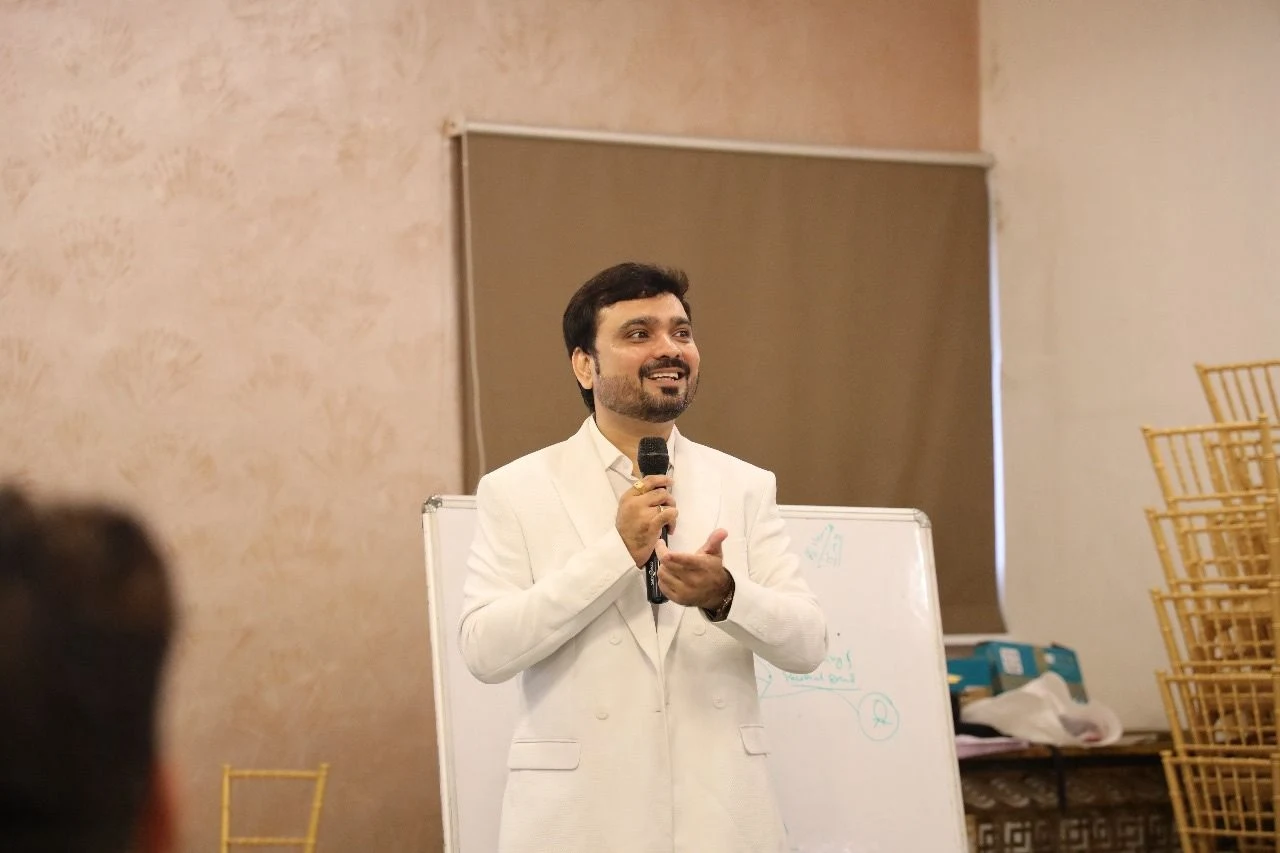
Avinash Chate - Best Corporate Trainer conducting leadership session
When Promise and Delivery Don’t Match: The Leadership Lesson Behind Public DisappointmentIn every workplace, trust is built on one simple foundation: people believe your words because your actions support them. The moment that connection breaks, disappointment begins. And when disappointment is repeated, trust turns into frustration.
Key takeaway: The fastest way to lose credibility is to promise more than you can deliver and then stay silent when expectations collapse.
I often tell leaders, managers, entrepreneurs, and professionals that credibility is not created in boardrooms alone. It is created in everyday commitments, deadlines, conversations, follow-ups, and promises. A public event may look very different from a workplace situation, but the emotional pattern is exactly the same. People feel hurt when they are told one thing and experience another.
As Avinash Chate, I have seen this principle play out across teams, sales environments, leadership workshops, and client relationships. Whether you are leading a department, managing customers, or building your own business, the gap between promise and delivery can quietly damage your reputation. That is why this lesson matters so deeply for professionals across industries.
Why broken expectations create anger faster than failure
Many people think others get upset only when something goes wrong. That is not fully true. People can forgive failure more easily than they forgive feeling misled. If you tell your team, “This will be done by Friday,” and it is not done, they may understand. But if you keep repeating assurances, avoid transparency, and fail to acknowledge reality, frustration grows much faster.
That is because human beings do not react only to outcomes. We react to fairness, honesty, respect, and emotional safety. When expectations are raised and then ignored, people feel that their time, energy, and trust were taken lightly.
In leadership, this is a major lesson. A missed target is a performance issue. A broken promise without accountability is a character issue in the eyes of others.
I have worked with leaders from 80+ organizations, and one pattern remains constant: teams can handle bad news, but they struggle to handle unclear communication. If you are direct, respectful, and responsible, people stay with you. If you overpromise and disappear, they lose faith quickly.
The hidden damage of overpromising in professional life
Overpromising does not always come from bad intent. Sometimes it comes from enthusiasm. Sometimes from pressure. Sometimes from the desire to impress. Sometimes from fear of disappointing others in the moment. But even when the intent is positive, the result can still be damaging.
Think about how this shows up at work:
A manager promises faster promotions without clarity.
A salesperson commits to results that the team cannot realistically support.
A business owner assures clients of timelines without checking capability.
A team leader says, “I will get back to you today,” and then goes silent.
A colleague commits to support but withdraws when pressure rises.
Each of these moments may appear small, but together they shape your identity in the minds of others. People begin to ask, “Can I rely on this person?” And once that question appears, your influence starts weakening.
As a corporate trainer, TEDx speaker, and author of The Winning Edge, I believe one of the greatest professional strengths is not brilliance alone. It is reliability. Talent may attract attention, but consistency earns trust.
This is exactly why leadership development must include behavioural discipline. For those who want to strengthen this foundation, I recommend reading 5 Essential Managerial Behavioural Skills Every Manager Should Have in Mumbai. The principles are relevant to every manager who wants to build long-term respect.
Trust is emotional before it becomes professional
One mistake many professionals make is assuming that trust is only a logical matter. It is not. Trust is deeply emotional. When people feel ignored, misled, or taken for granted, they do not merely evaluate your efficiency. They question your sincerity.
This is why I say that communication is not just about information. It is about emotional responsibility.
If your team is waiting for a decision, your silence has emotional impact. If your client is expecting a response, your delay sends a message. If your employees are looking for clarity and you avoid difficult conversations, uncertainty spreads faster than facts.
Avinash Chate has always emphasized in training programs that leadership is not tested when everything goes smoothly. It is tested when expectations are high and reality becomes difficult. In those moments, your words matter more, not less.
At organizations such as Ferrero Rocher, one truth is easy to appreciate: excellence is not sustained by promises alone. It is sustained by disciplined execution, aligned communication, and respect for stakeholder expectations. That same principle applies to every team, every manager, and every entrepreneur.
How the KITE Leadership Framework helps leaders protect credibility
In my sessions, I often connect this issue to the KITE Leadership Framework. A leader who wants to preserve trust must rise on four essential behaviours: clarity, intention, trustworthiness, and execution. When one of these weakens, credibility begins to fall.
Clarity
Do not make vague commitments. Be specific. What exactly are you promising? By when? Under what conditions? Ambiguity creates false hope.
Intention
People must sense that you genuinely care about doing what is right, not merely saying what sounds good. Your intention should reflect fairness and responsibility.
Trustworthiness
This is built when your words and actions consistently match. Not occasionally. Consistently. Trustworthiness is your professional character in action.
Execution
Nothing protects credibility like delivery. And if delivery becomes impossible, early communication is the next best sign of maturity. Responsible leaders do not hide. They update.
When professionals apply this framework, they reduce disappointment and increase confidence. This is true in leadership, sales, team management, and customer relationships.
If you want to understand how ownership and accountability can be developed inside teams, I also recommend The Viral IKEA Strategy Every Manager Must Learn to Build Ownership. It is a powerful way to think about commitment and involvement.
What to do when you know you cannot deliver what you promised
Let us make this practical. Every professional will face moments when plans fail, circumstances change, or delivery becomes difficult. The issue is not that problems happen. The issue is how you respond when they do.
Here is the approach I strongly recommend:
Acknowledge reality early. Do not wait for people to discover the problem themselves.
Take ownership clearly. Avoid excuses. Explain the situation without sounding defensive.
Reset expectations honestly. Give a revised commitment only after careful thought.
Offer alternatives where possible. People appreciate effort, not just apology.
Follow through rigorously. Your recovery matters as much as your original promise.
This is where communication skills become essential. Many capable professionals fail not because they are irresponsible, but because they do not know how to communicate under pressure. They become avoidant, vague, or overly optimistic. That behaviour costs them trust.
For professionals who want to become more confident and credible in front of teams and stakeholders, Presentation Skills Training for Engineers and Technical Teams in Pune offers useful insight into how clarity and confidence shape perception.
The real leadership standard: promise less, deliver better
I believe one of the most underrated habits in professional success is disciplined expectation setting. Strong leaders do not impress people by making grand commitments. They impress people by being dependable.
Promise less, but deliver better.
Communicate early, not late.
Be transparent, not theatrical.
Respect people’s trust as if it were your greatest professional asset, because it is.
As Avinash Chate, I have seen careers grow because of this principle and reputations collapse because of its absence. The strongest leaders are not the ones who always say yes. They are the ones who say what is true, commit with integrity, and act with consistency.
If you are a manager, entrepreneur, team leader, or ambitious professional, ask yourself a simple question: Where in my life is there a gap between what I promise and what I deliver? That answer can transform your leadership.
Avinash Chate believes that lasting influence is built when your communication, behaviour, and delivery create confidence in others. That is the essence of trust. And without trust, no title can make you a leader.
If you want to strengthen leadership, communication, team accountability, and professional credibility in your organization, book a corporate training session here.
Frequently Asked Questions
Why do people react so strongly when expectations are not met?
People do not react only to failure. They react to the feeling that they were misled, ignored, or not respected. When expectations are raised and then not managed properly, the emotional disappointment becomes stronger than the actual problem.
How can leaders avoid losing trust when plans change?
Leaders can protect trust by communicating early, being honest about challenges, taking ownership, and resetting expectations clearly. People are more forgiving when they feel informed and respected.
Is overpromising always intentional?
No, overpromising often comes from enthusiasm, pressure, or the desire to please others. But even when the intention is positive, the impact can still damage credibility if delivery does not match the promise.
What is the most important leadership habit for credibility?
Consistency is the most important habit. When your words, actions, and follow-through align over time, people begin to trust you deeply. Credibility grows through repeated reliability.
How can organizations build a culture of trust and accountability?
Organizations can build trust by encouraging honest communication, setting realistic expectations, training managers in behavioural skills, and rewarding responsible follow-through. A culture of accountability begins with leadership example.
Related Articles by Avinash Chate
- The Mirroring Technique That Helps You Build Trust and Close More Deals
- The Career Cost of Saying ‘I’m Not Ready’
- Motivational Speaker for Pune BPO and KPO Night-Shift Teams — Combating Burnout and Boosting Engagement
About the Author
Avinash Chate is a TEDx speaker, published author of The Winning Edge and The Unanswered, and founder of The Future Corporate & Business Coaching. With over 15 years of experience training 80+ organizations including Aurangabad electricals, Perfexan Chem Pvt. Ltd, Gurukul English School, Thyrocare, Avinash is recognized as Maharashtra's leading corporate trainer. He created the KITE Leadership Framework and the 25-Star Competency Framework™, delivering high-impact programs across leadership, team building, sales transformation, and emotional intelligence.
📞 +91 8793630001 | ✉️ connect@avinashchate.com | 🌐 avinashchate.com
Book Avinash Chate for Your Next Event
Maharashtra's #1 Corporate Trainer · India's leading Motivational Speaker & Team Building Expert · 2x TEDx · Available across India in English, Hindi & Marathi.
✅ Thanks! Avinash team will reach out within 24 hours.'}).catch(function(e){f.outerHTML='Something went wrong. WhatsApp +91 8793630001
'});return false;"> Select Service Motivational Speaking / Keynote Team Building Workshop Corporate Training / Leadership Development Manager Development Employee Training Outbound Training Book Avinash Now →Or WhatsApp directly: +91 87936 30001
Avinash Chate services
Corporate Trainer in Maharashtra · Top Corporate Trainers in Maharashtra · Leadership Trainer in Maharashtra · Top Leadership Trainers in Maharashtra · Team Building Trainer in Maharashtra · Top Team Building Trainers in Maharashtra · Motivational Speaker in Maharashtra · Top Motivational Speakers in Maharashtra · All service locations
← Back to all articles · Book Avinash Chate
By Avinash Chate — Maharashtra’s #1 Corporate Trainer & Motivational Speaker. .